Mid-Century Home Ownership: Repairs, Hazards, Historic Status
Care for a mid-century house on its own terms: roofs, glass, radiant heat, asbestos and lead rules, what historic listing restricts, insurance, and selling well.
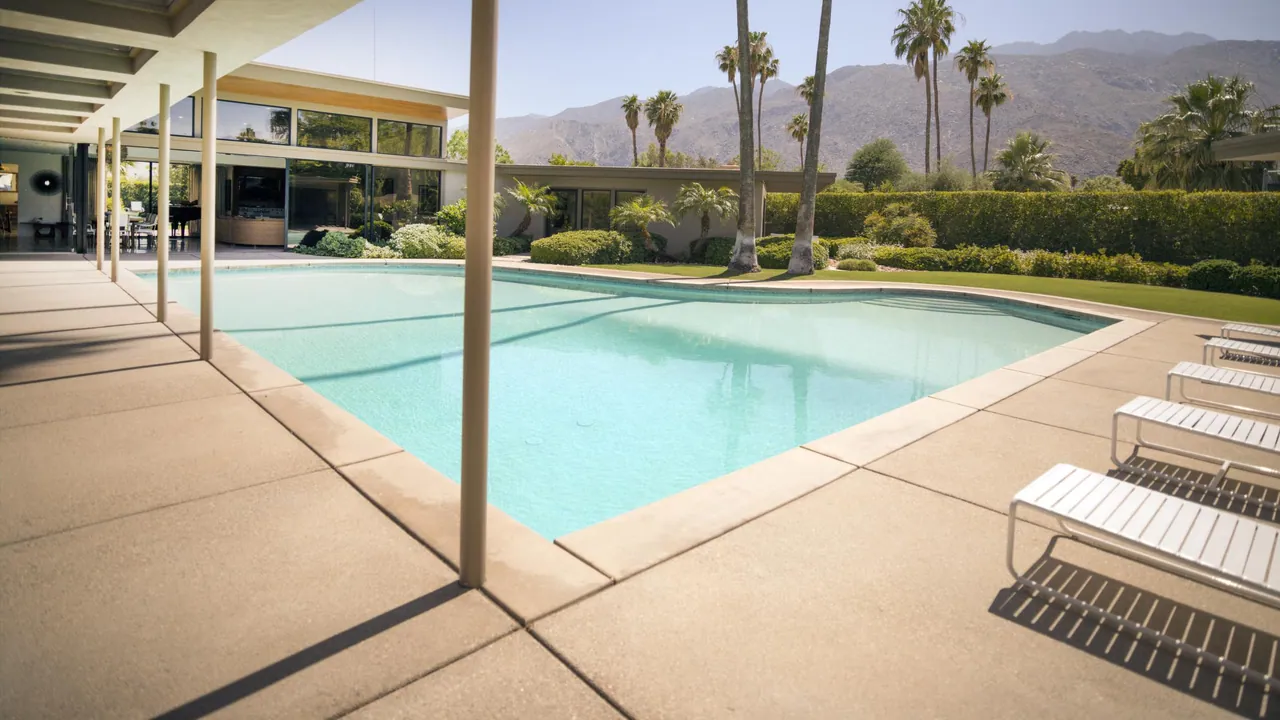
The qualities that drew you to a mid-century house (a roof that seems to float, walls of glass, warmth rising quietly from the floor, a structure you can read from the sofa)are the same qualities that make it demanding to own. Such houses were built with lean materials and slender margins, and the systems your spouse may have managed, or quietly deferred, have reached the age at which they ask for decisions.
This guide is for the owner who wants to keep the house true to its design without becoming its hostage. It will help you decide what to investigate first and whom to hire, whether asbestos and lead paint change the plan, what historic designation would and would not mean, how to insure the irreplaceable, and how to prepare for a buyer who will value the house.
Where these houses are vulnerable
Four features deserve a specialist’s eye before any cosmetic work.
Flat and low-slope roofs. Water leaves a nearly level roof slowly, and every beam, skylight, and flue that pierces it is a joint to keep sealed. In many post-and-beam houses the roof deck is also the ceiling below, so there is no attic in which to catch a leak early. Suppose a roofer proposes thick tapered insulation to cure ponding: it may solve the water and also fatten the thin roof edge that gives the house its line. Ask for drainage and edge detail to be drawn together.
Large single glazing. Single-pane glass loses heat, gains it, and gathers condensation. Insulated replacements are usually thicker and heavier, which can mean new frames and altered sightlines. Ask first whether weatherstripping, storm panels, or thermal glass in the existing frames would serve; where the sash is steel, the National Park Service’s Preservation Brief 13, on historic steel windows, sets out those options.
Radiant heating. Many houses of the period are warmed by water circulating through pipes set in the slab. The heat is silent and even, but the pipes are out of reach, the boiler may be original, and any new floor finish changes how heat comes through. Have a specialist test the loops and boiler before choosing flooring. Preservation Brief 24 explains how to plan heating changes that respect the building.
Post-and-beam structure. Exposed beams often run from inside to outside to carry the overhang, so rot at a beam end on the terrace attacks a member that continues into the living room. Glass between posts does little to brace a house against wind or earthquake; the few solid panels may be doing essential work. Have a structural engineer review any plan to open a wall.
Materials of the era to test before anyone cuts
Asbestos and lead-based paint were ordinary materials when these houses went up. Both are hazards chiefly when damaged or disturbed.
The Environmental Protection Agency advises that you generally cannot identify asbestos by looking, and that undamaged material which will not be disturbed is usually best left alone. Before a remodel, or where materials are damaged, EPA suggests inspection by an accredited professional rather than sampling yourself, and its guidance speaks specifically to asbestos flooring and to insulation on pipes, furnaces, and boilers. Federal law does not require asbestos workers in detached single-family homes to be accredited, though some states and localities do; EPA urges hiring accredited workers regardless, and using separate firms for inspection and removal so the assessor does not profit from the cure.
Lead-based paint for use in homes was banned in 1978. EPA’s Renovation, Repair and Painting Rule requires firms performing covered renovation, repair, or painting work in pre-1978 homes to be lead-safe certified. It generally does not apply to you working on your own home, but it does if you rent out all or part of it or run a child care center there. EPA recommends a certified lead inspector or risk assessor test surfaces before work begins.
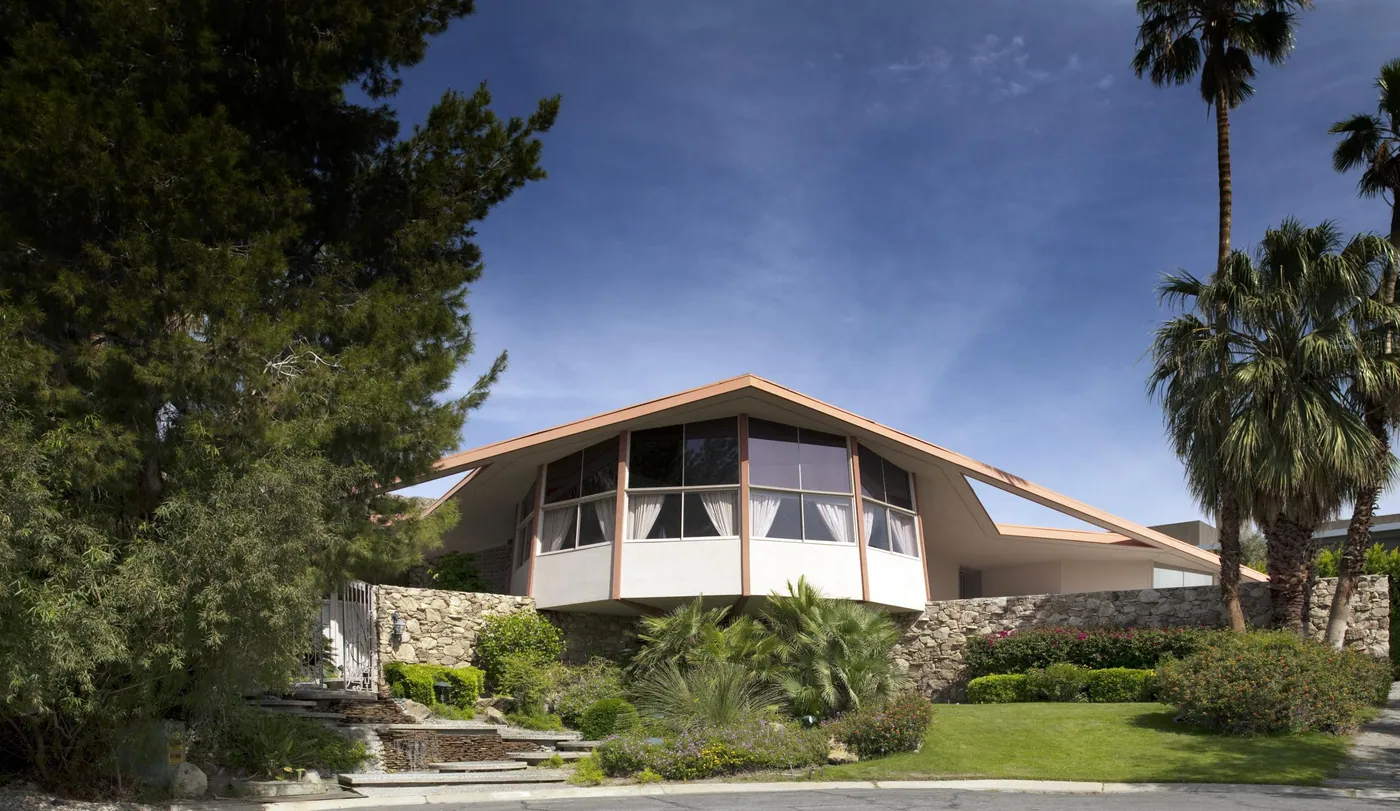
Finding people who repair rather than replace
The right architect begins by looking rather than drawing. Preservation Brief 35 treats architectural investigation as the critical first step, and Brief 17 helps owners identify the features that give a building its visual character. Ask each candidate to name the character-defining features before proposing changes, and for references from houses of the same era.
A house of this era forgives age far more readily than it forgives improvement.
Ask contractors for lead-safe certification, asbestos accreditation where relevant, licensing, insurance, and a written condition assessment before a price. When someone proposes a substitute for original siding or trim, Preservation Brief 16 explains how to weigh it. Your State Historic Preservation Office is a sensible first call for names, and our guide to how repair fraud targets widowed homeowners covers the payment and licensing habits that protect you.
What National Register listing does and does not restrict
The National Register of Historic Places is the official federal list of places significant in American history, architecture, and culture. Properties generally must be at least 50 years old to be eligible. Nominations pass through the State Historic Preservation Office; private individuals often initiate them.
The rule most owners get wrong: under federal law, listing places no restrictions on what a non-federal owner may do with the property, up to and including its destruction, unless the project involves federal assistance, usually funding or a federal license or permit. Then the Advisory Council on Historic Preservation must be allowed to comment. For a private owner spending private money, listing is chiefly recognition. The Register never charges fees; the Park Service has warned of a scam claiming otherwise.
Local landmark review is where binding rules live
If something restricts what you may do to the house, look for it in state or local law; that is why the Park Service recommends contacting your State Historic Preservation Office before acting on a listed property. A city landmark designation or local historic district can require a preservation commission’s approval of exterior changes before a permit issues, and procedures vary by municipality. Before hiring anyone, ask the planning department whether the house is designated, obtain its guidelines, and schedule the review.
The tax credit, and why your own home does not qualify
The federal rehabilitation credit is 20 percent of qualified expenses on a certified historic structure, allocated ratably over the five years beginning with the year the rehabilitated building is placed in service, but the building must be depreciable, meaning used in a business or other income-producing way. The Park Service is explicit: owner-occupied residential properties do not qualify. If you rent the house, or intend to, raise the question with your tax adviser before work begins. Some states run their own programs; ask your preservation office.
A preservation easement is different: a voluntary legal agreement, typically a deed, that places permanent restrictions on changes to the property and transfers them to a preservation or conservation organization, protecting the house beyond your tenure. A donation may bring tax benefits such as a federal income tax deduction, though the Park Service cautions that the rules are complex.
Insuring what cannot be bought again
First confirm that the policy is in your name; our guide to homeowners insurance after a spouse dies covers that step. Then ask whether, after a fire, the policy would rebuild with like kind and quality (original paneling, terrazzo, custom glass)or only modern equivalents; whether it includes ordinance or law coverage for code upgrades and conditions a preservation commission may impose; and whether the limit rests on a reconstruction estimate by someone who understands this construction. For a listed house, the Park Service suggests asking your state insurance commissioner about its position on insuring Register properties. Designed furniture needs its own appraisal and schedule; our guide to living with mid-century design covers both.
Selling to a buyer who will care for it
If the house belongs to someone else next, test that decision against our framework for keeping the house or selling it. Design-minded buyers read provenance closely, so assemble a dossier: architect, plans, permits, original and replaced features, repair records, test reports. Choose an agent who has sold houses of this kind, and resist renovating for the market.
For most houses built before 1978, federal law requires you, before a buyer signs a contract, to:
- Give the buyer EPA’s pamphlet, Protect Your Family From Lead in Your Home.
- Disclose what you know about lead-based paint and lead hazards in the house.
- Provide all available records and reports, including tests you commissioned.
- Include a Lead Warning Statement in or attached to the contract.
- Allow a 10-day period for a lead inspection or risk assessment, unless changed by written agreement or waived by the buyer.
Keep the signed disclosures for three years after the sale. Disclose any designation or easement too; state disclosure law varies.
Questions to ask before any work begins
- Has a specialist inspected the roof, glazing, heating, and beam ends this year, in writing?
- Which features are character-defining, and does my architect agree?
- Has every material the work will disturb been tested for asbestos and lead, independently of the contractor?
- Is the contractor lead-safe certified, and will accredited workers handle any asbestos?
- Is the house locally designated, and what approvals does this project need?
- Is an easement or other restriction recorded against the title?
- Will my policy rebuild with like kind and quality, including ordinance or law coverage?
- Where are the drawings, test reports, and repair records, and who besides me knows?
This article provides general U.S. educational information and is not legal, tax, insurance, engineering, or environmental-health advice. Confirm current rules with the agency and a qualified professional who knows your house.
Primary sources
- National Park Service, Technical Preservation Services: Preservation Briefs
- National Park Service, National Register of Historic Places: FAQs
- National Park Service, Historic Preservation Tax Incentives: About the Incentives
- U.S. Code: 26 U.S.C. § 47, rehabilitation credit
- U.S. Environmental Protection Agency: Protect Your Family from Exposures to Asbestos
- U.S. Environmental Protection Agency: Lead-Safe Renovations for DIYers (Renovation, Repair and Painting Program)
- U.S. Environmental Protection Agency: Real Estate Disclosures about Potential Lead Hazards
This article provides general education, not individualized legal, tax, investment, insurance, or benefits advice. Rules and deadlines change; verify the current requirement with the agency and a qualified professional.
More from Home
The desk →
Home
Home Backup Power: Generator Safety and Readiness
Plan safe backup power by defining essential loads, using qualified installation, preventing carbon monoxide exposure, storing fuel safely, and testing outage procedures.
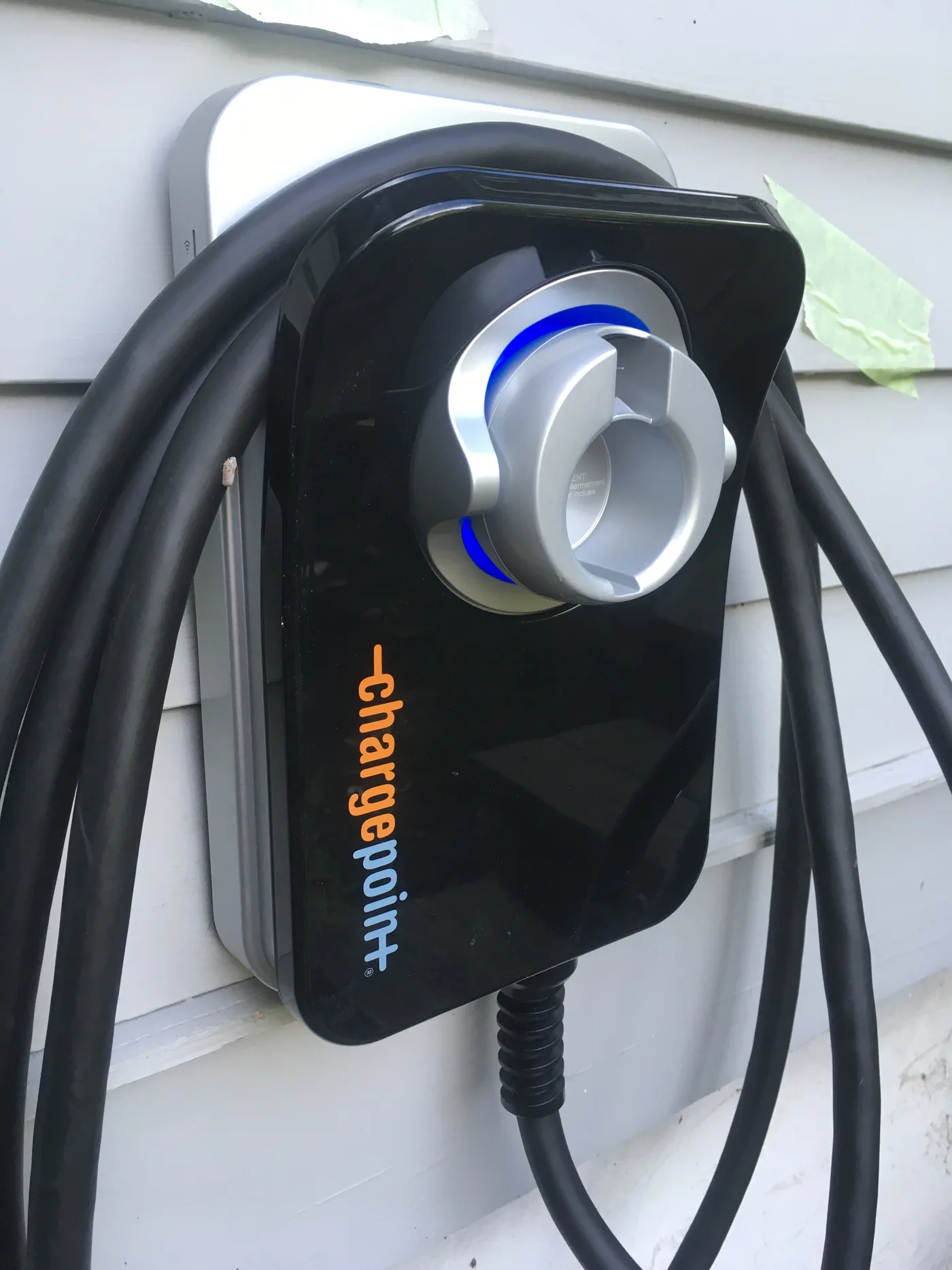
Home
Home EV Charging: Installation and Safety
Plan a home electric-vehicle charger with a load calculation, permits, utility review, qualified installation, safe cable management, and complete records.

Home
Mature Tree Risk: An Arborist Review for the Property
Manage mature trees with a mapped inventory, credentialed risk assessment, storm and construction controls, documented work, and a practical inspection cycle.