Mature Tree Risk: An Arborist Review for the Property
Manage mature trees with a mapped inventory, credentialed risk assessment, storm and construction controls, documented work, and a practical inspection cycle.
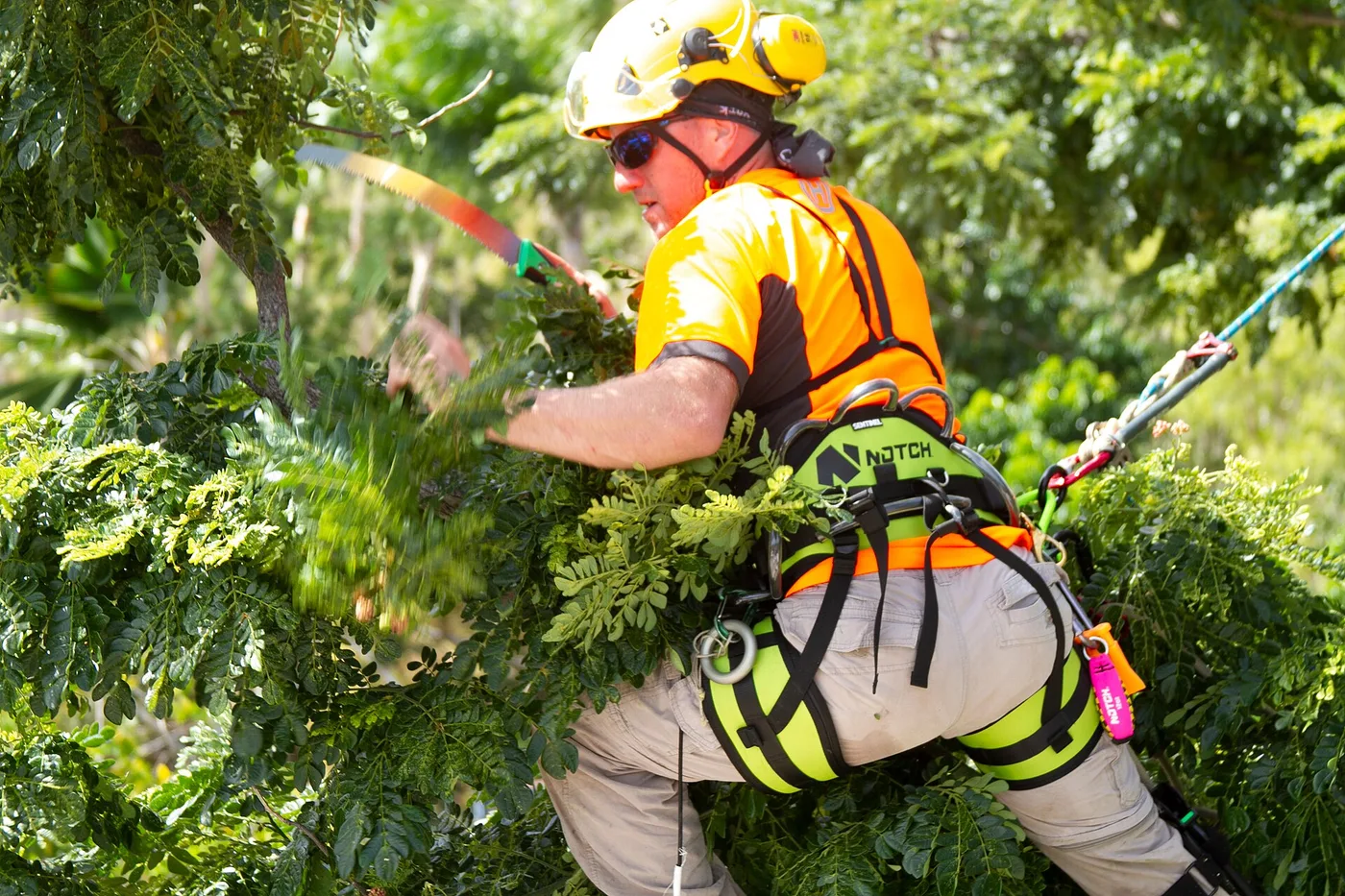
A mature tree can be an irreplaceable part of a property and still contain a branch, root, trunk, or site condition that deserves professional attention. The goal is not to remove every imperfect tree. It is to understand what could fail, what could be struck, how likely the combination is, and which practical actions reduce risk while preserving healthy trees.
The International Society of Arboriculture explains that tree risk depends on both the condition of the tree and the target within reach, such as people, a house, vehicle, utility line, road, play area, or frequently occupied patio. A trained arborist can recommend pruning, support, routine care, moving a target, monitoring, or removal based on the specific tree and site.
A photograph of a crack can justify a prompt inspection. It cannot by itself determine whether a tree is safe, how it should be pruned, or whether removal is necessary.
Build a mapped tree inventory
Assign a simple number to each significant tree and place it on a site plan. Record species if known, approximate size, location, nearby targets, overhead and underground utilities, irrigation, grade, drainage, retaining walls, recent construction, and any prior pruning, cabling, lightning protection, treatment, or storm damage.
Photograph the whole tree from more than one direction, then the root flare, trunk, main unions, canopy, and relevant site conditions. Repeat photographs from similar positions so change can be seen over time. Do not climb, probe cavities, pull loose branches, or disturb roots to improve the record.
Mark areas where people or property are commonly present. A defect over a seldom-used corner of a field presents a different management question from the same defect over a bedroom, driveway, pool deck, staff entrance, or public path.
The inventory should also identify ownership uncertainty. A trunk near a boundary, branches over a neighbor’s land, roots beneath a shared wall, or a tree within an easement can raise legal and access questions. Confirm the survey, title documents, local rules, and legal advice before authorizing disputed work.
Know when to call promptly
From a safe distance, note newly hanging or broken limbs, a recent lean, soil lifting or cracking, exposed or severed roots, a split union, lightning damage, a large fresh wound, mushrooms or fungal structures, cavities, extensive deadwood, sudden canopy decline, or impact from equipment. These signs do not all mean the tree will fail, but they justify qualified assessment.
After severe wind, ice, flooding, fire, or soil saturation, keep people and vehicles away from damaged trees until the area is checked. Do not stand beneath a hung branch or touch a tree contacting a power line. Treat every downed line as energized and call emergency services or the utility.
The University of Minnesota Extension warns that tree work requires training and safety equipment. Chainsaws, ladders, suspended limbs, storm-tensioned wood, rigging, and work near utilities are not appropriate do-it-yourself tasks.
Choose the right arborist
Verify the individual who will inspect the trees, not just the company name. ISA certification documents a base level of arboricultural knowledge. For a formal risk assignment, ask whether the assessor holds the ISA Tree Risk Assessment Qualification or another credential appropriate to the requested work.
Certification does not replace judgment, local licensing, insurance, or scope. Confirm:
- current credential and identity;
- municipal or state licenses where required;
- experience with the species and property type;
- liability coverage and workers’ compensation;
- independence from the company bidding on removal when the decision is consequential;
- ability to provide a written, tree-specific report;
- references for comparable work.
Ask the insurer or broker what coverage evidence is required before climbing, crane, pesticide, or removal work. Contact the issuing insurer when appropriate rather than accepting an altered certificate. The broader contractor controls in Hiring Contractors Safely apply fully to tree work.
Commission a defined assessment
The agreement should list the trees, property areas, inspection level, targets considered, access limitations, weather limitations, report format, photographs, risk method, and whether diagnostic tools or aerial inspection are included. A visual assessment from the ground is not the same as an advanced investigation of roots, decay, or upper canopy.
Ask the arborist to identify:
- the tree and location;
- observed defects and health conditions;
- potential failure part and likely target;
- time frame considered;
- risk rating or priority under the stated method;
- recommended options, not only removal;
- urgency and temporary precautions;
- inspection or monitoring interval;
- limits and uncertainties of the assessment.
Tree risk is dynamic. A report describes conditions at a time and under assumptions. It is not a guarantee that a tree or branch will not fail. Weather, decay, construction, soil changes, pests, injury, and occupancy can alter the assessment.
Evaluate management options
Moving a target may reduce exposure without cutting the tree. Relocate a bench, play structure, parking space, outdoor dining area, or storage when the use is optional and the change is practical.
Pruning can remove dead, broken, or defective branches and may reduce certain loads. The scope should name the tree, branches or objective, pruning standard, access method, debris disposition, and protection of surrounding property. Avoid vague directions such as “trim back” and proposals to top a mature tree. Improper cuts can weaken structure, accelerate decay, and create dense, poorly attached regrowth.
Cables, braces, or other support systems may be appropriate for selected trees, but ISA notes that support is not a guarantee against failure. The proposal should state the purpose, hardware, installation standard, inspection schedule, and replacement or adjustment plan.
Removal may be reasonable when risk cannot be reduced to an acceptable level, the tree is dead or declining beyond practical management, or site needs cannot coexist with it. Require a written removal and restoration plan covering permits, utility clearance, rigging or crane access, nearby structures, stump and root treatment, wood and debris, soil protection, traffic control, and replacement planting when appropriate.
If opinions differ on a high-value tree or expensive removal, obtain an independent second assessment before irreversible work unless an immediate hazard requires action.
Protect trees during construction
Construction can damage roots, compact soil, alter grade and drainage, injure bark, expose formerly sheltered trees to wind, and change irrigation. Damage may not appear in the canopy until well after the contractor leaves.
Bring the arborist into planning before excavation, paving, trenching, demolition, utility work, pool construction, landscape redesign, or heavy-equipment access. Ask the arborist to define a tree-protection zone and acceptable access, storage, fencing, root-pruning, tunneling, irrigation, and monitoring requirements.
Put those requirements in every relevant contractor’s scope. A protective fence that is moved for parking provides no protection. Photograph the zone before work, during key stages, and before final payment. Record any breach or damage immediately.
Coordinate tree and vegetation decisions with Wildfire Readiness: Evacuation and Smoke Planning in wildfire-prone areas. Local fire guidance, defensible-space rules, ecological considerations, and tree-health advice must be reconciled for the actual site.
Manage storm work safely
After a storm, restrict access and photograph conditions from a safe location. Call the utility first for any electrical involvement. Do not let an unknown crew pressure you into immediate non-emergency work because it is “already in the neighborhood.”
Use qualified arborists and insured tree-care contractors. Confirm who will climb, operate the crane or lift, manage traffic, protect structures, and dispose of material. Require written change approval if concealed splitting, decay, or root damage alters the method.
For an insurance claim, preserve pre-storm inventory photographs, post-storm images, the arborist’s findings, emergency invoices, permits, and damaged property records. Do not describe ordinary deferred maintenance as storm damage or remove evidence the insurer has asked to inspect unless safety requires immediate action.
Create the inspection cycle
Set the next review date from the arborist’s recommendation, tree condition, targets, climate, and local practice. Add event-triggered checks after severe storms, lightning, flooding, wildfire, construction, trenching, soil changes, vehicle impact, or a sudden change in leaf, branch, trunk, or root condition.
For each tree, keep reports, photographs, credentials, contracts, permits, pruning specifications, treatment records, support-system inspections, invoices, and next actions. Record removed trees and replacement planting so the map remains accurate.
Do not let routine landscape crews make structural cuts, apply pesticides, bury the root flare, pile mulch against the trunk, or trench through a protection zone without authorization. Give the property manager and household staff the tree numbers and a simple process for reporting change.
Mature-tree stewardship is strongest when beauty and safety are not treated as opposing goals. A mapped inventory, competent assessment, precise work scope, construction protection, storm discipline, and repeatable records allow valuable trees to be retained without ignoring credible risk.
This article provides general property-management information. It is not arboricultural, engineering, insurance, utility-safety, environmental, or legal advice. Follow current local rules and use qualified professionals for assessment and work.
Primary sources
- International Society of Arboriculture: Managing Hazards and Risk
- International Society of Arboriculture: Find an Arborist
- University of Minnesota Extension: How to Hire a Tree Care Professional
This article provides general education, not individualized legal, tax, investment, insurance, or benefits advice. Rules and deadlines change; verify the current requirement with the agency and a qualified professional.
More from Home
The desk →
Home
Home Backup Power: Generator Safety and Readiness
Plan safe backup power by defining essential loads, using qualified installation, preventing carbon monoxide exposure, storing fuel safely, and testing outage procedures.
Home
Home EV Charging: Installation and Safety
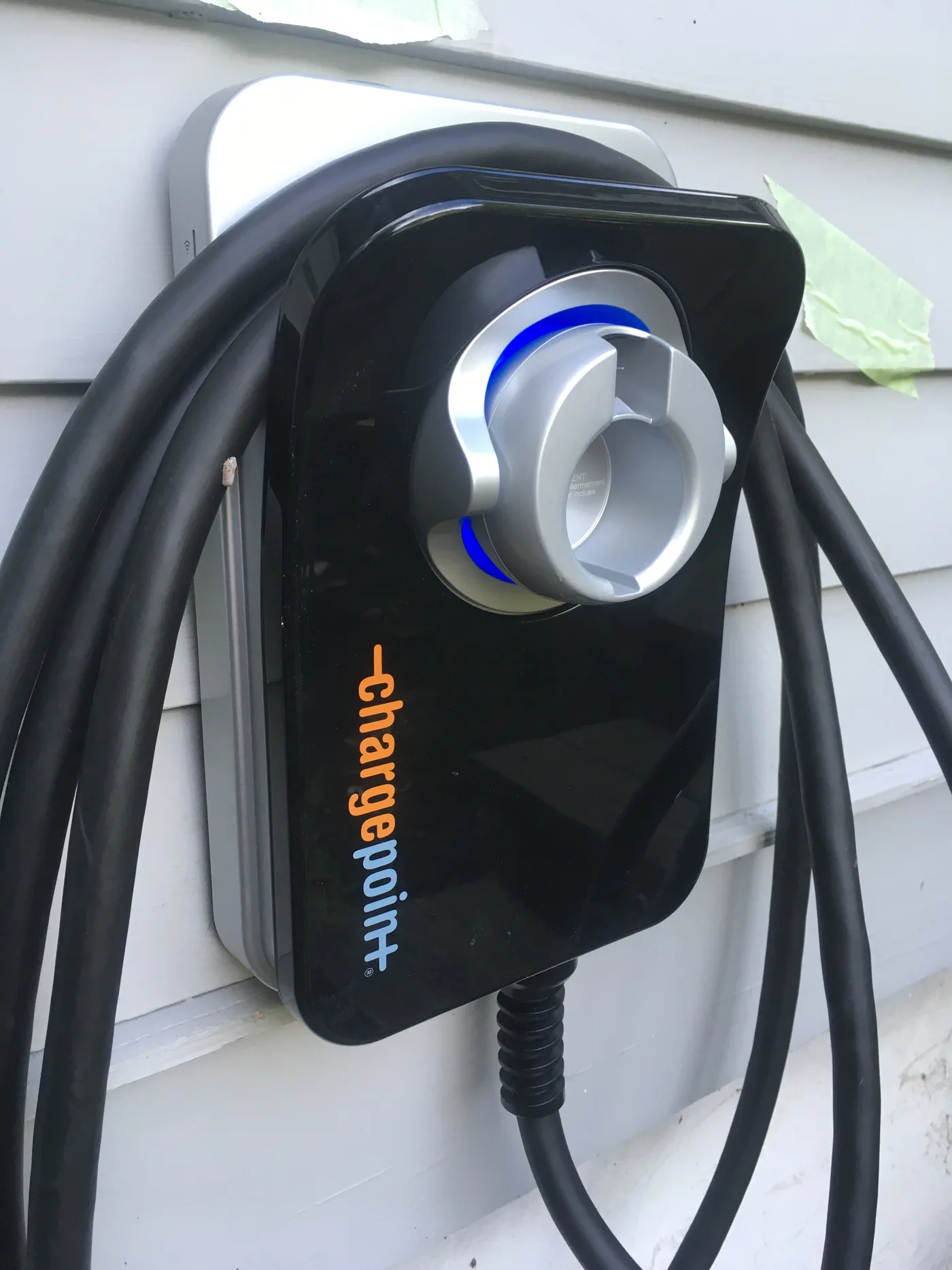
Plan a home electric-vehicle charger with a load calculation, permits, utility review, qualified installation, safe cable management, and complete records.

Home
Private Well Water: A Testing and Treatment Plan
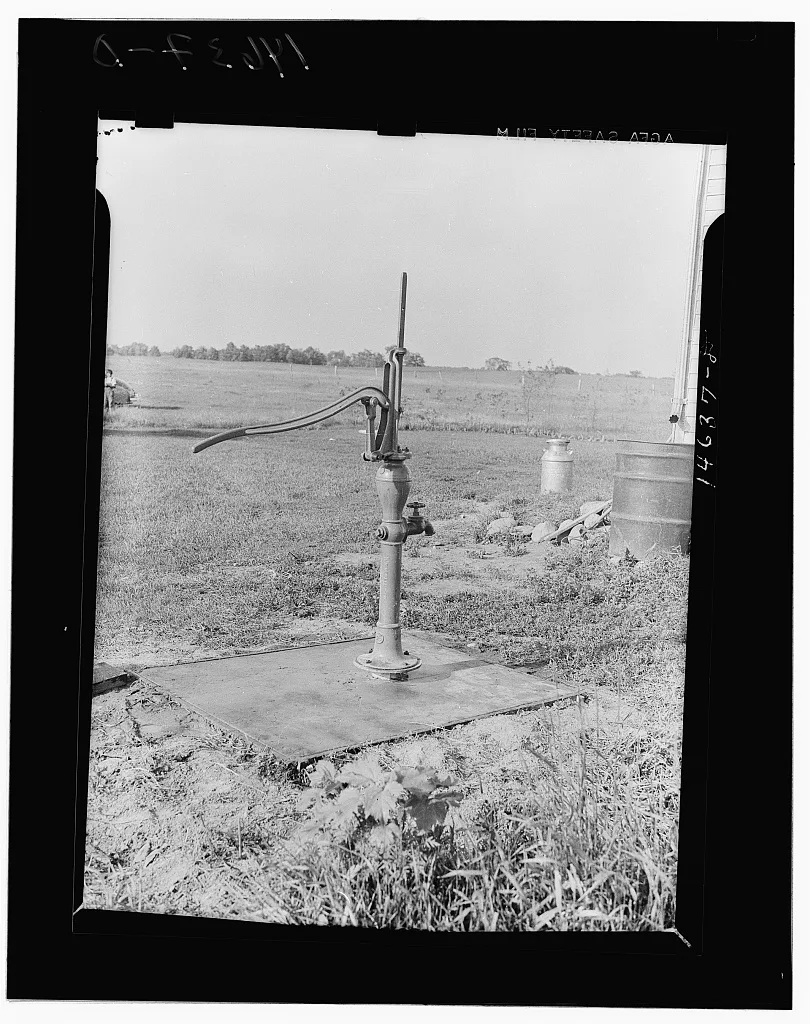
Manage a private well with certified laboratory testing, local contaminant guidance, inspection, treatment verification, flood response, records, and safe drinking-water decisions.