Water Leak Detection: Sensors and Shutoff Planning
Design a water-leak response with point sensors, whole-home flow monitoring, tested shutoff controls, plumbing review, alerts, and a documented recovery plan.
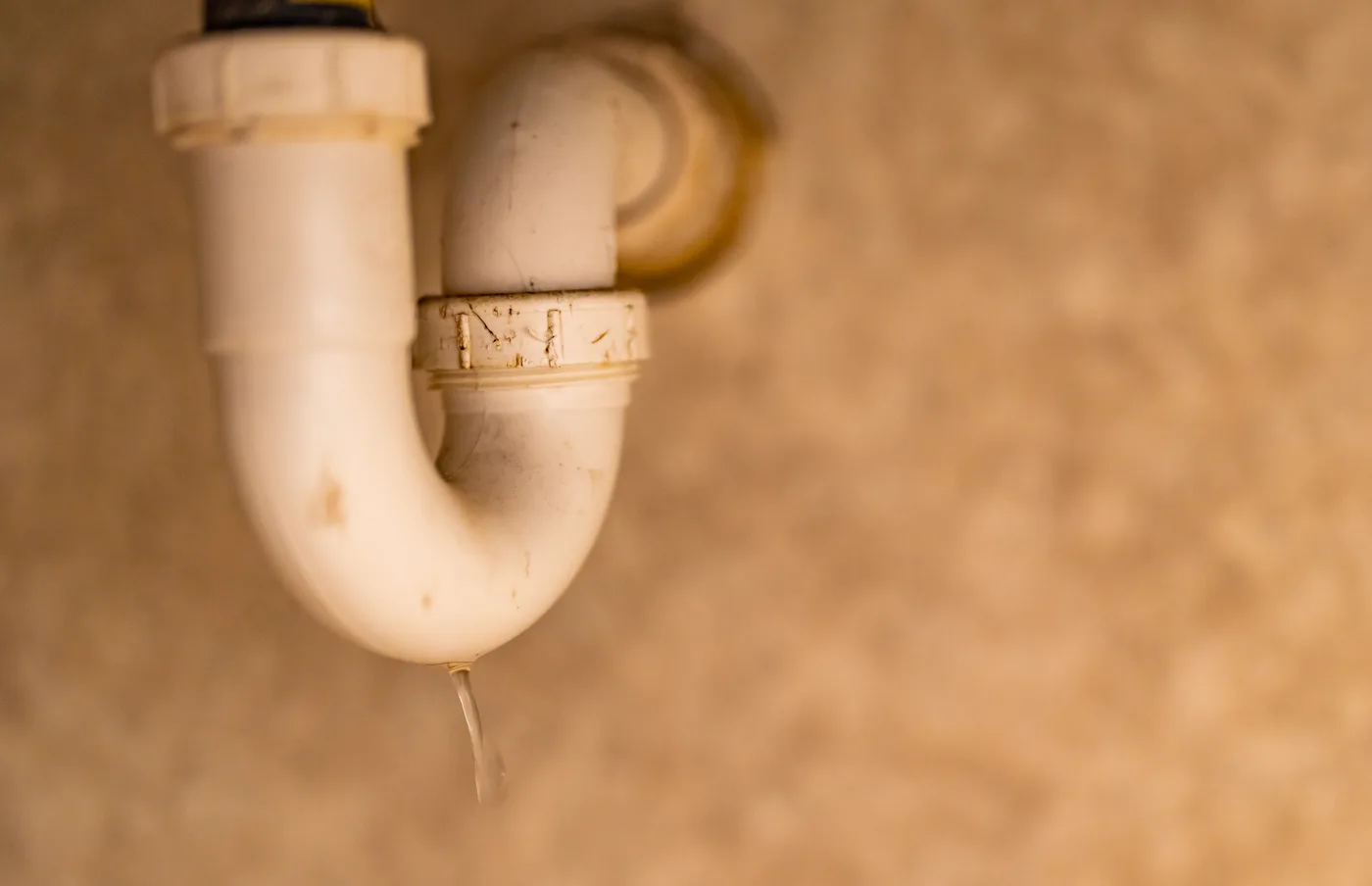
A small water alarm can warn that the washing machine is leaking. A whole-home flow monitor can identify unusual use and, on some systems, close a valve. Neither device substitutes for sound plumbing, a reachable main shutoff, or a person who knows what to do when the alert arrives.
The U.S. Environmental Protection Agency’s WaterSense program distinguishes moisture-sensing devices placed at likely leak points from flow-monitoring devices that observe water use through the plumbing system. Some products provide notifications, some can close a valve remotely or automatically, and some combine both functions. The right plan usually uses layers rather than one gadget.
Detection buys time only when the alert reaches someone who can safely stop the water and inspect the cause.
Map the water system first
Locate and label the main domestic-water shutoff. Find separate valves for irrigation, fire sprinklers, pools, fountains, boilers, humidifiers, guest houses, and other systems. Record whether the property uses municipal water or a private well, and identify the well pump disconnect and pressure equipment when applicable.
Walk the property with a licensed plumber and mark high-consequence locations:
- water heaters and recirculation equipment;
- washing machines and utility sinks;
- refrigerators, ice makers, and beverage equipment;
- dishwashers and kitchen sinks;
- every toilet, bidet, and lavatory;
- tubs, showers, steam rooms, and saunas;
- HVAC condensate drains and pumps;
- boilers, hydronic heat, and humidifiers;
- attic, crawl-space, and concealed supply lines;
- exterior kitchens, hose connections, pools, and irrigation controls.
For each, note the local valve, supply-hose age and type, drain path, nearby electrical hazards, finished surfaces below, and whether an alarm can be heard. Correct active drips, corrosion, unsupported piping, failing hoses, or inaccessible valves before treating sensors as the solution.
Use point sensors where water appears first
A point sensor detects moisture at its location. It is useful beneath a water heater, sink, dishwasher, washing machine, condensate pump, refrigerator, toilet supply, or other likely source. A sensor cannot detect water that flows away from it, so placement matters.
Set the sensor on the low side of the surface without blocking a drain or placing it where routine splashes cause constant alarms. In a large room, use multiple sensors or an approved sensing cable. Test the audible alarm from the bedroom and other occupied areas. If the property is often empty, remote notification is important.
Record battery type, replacement interval, test procedure, network dependency, and contact list. A silent sensor with a dead battery provides no protection. Assign one person to confirm every device on a recurring schedule and after a long vacancy.
Evaluate whole-home flow monitoring carefully
Flow-monitoring devices can identify continuous or unusual water use that a point sensor may miss. Some clamp onto piping, some install inline, and some pair with a motorized shutoff valve. Product features and performance vary.
Ask the plumber where a monitor can observe the intended domestic supply without confusing irrigation, pool filling, fire protection, well cycling, recirculation, or an accessory dwelling unit. A system installed on only one branch cannot describe the whole property. A system placed ahead of every branch may react to legitimate large flows unless it is configured correctly.
EPA’s WaterSense guide advises consumers to compare how products detect leaks, notify users, shut water off, use power and communications, and fit the plumbing system. Ask whether the model has performance certification to an applicable standard, such as ANSI/CAN/IAPMO Z1349, and confirm the exact certified model rather than relying on a brand-level claim.
Review:
- minimum flow the device can detect;
- learning period and adjustable thresholds;
- response to toilets, irrigation, pools, guests, and long showers;
- automatic, remote, and manual shutoff methods;
- operation during power, internet, cellular, or cloud-service failure;
- valve position after an outage or software update;
- freeze protection and temperature limits;
- data collection, account security, and subscription cost;
- replacement parts, support, and account transfer.
An automatic shutoff can limit damage, but an incorrect closure can interrupt a boiler fill, medical need, caretaker visit, or another essential use. Fire-sprinkler piping must never be disabled or altered by an unqualified person. Have the plumber and, where relevant, the fire-protection contractor define which systems the valve may control.
Build the alert chain
Send alerts to at least two responsible people when the property is frequently vacant. Include the owner, property manager, caretaker, or monitored service based on actual availability and authority. A neighbor who does not have a key or valve instructions is not a complete response plan.
Use plain alert names such as “upstairs laundry floor sensor” instead of serial numbers. For each alert, define:
- who acknowledges it;
- how the water is stopped;
- when emergency services are needed;
- who enters the property;
- which plumber is called;
- how electrical hazards are avoided;
- how the incident is documented.
Do not enter standing water near energized equipment. Do not touch a wet panel, outlet, appliance, charger, pump, or extension cord. If electrical safety is uncertain, stay clear and call emergency services or the utility as appropriate.
Commission the installation
Ask the plumber to demonstrate the manual main valve, device bypass if one is permitted, app controls, local controls, alert delivery, and automatic shutoff using a safe test. Confirm that the valve closes and reopens without leaking and that every intended recipient receives the alert.
Test during a simulated internet outage and power interruption if the manufacturer provides a safe procedure. Learn whether the system fails open, fails closed, uses a battery, or simply stops reporting. Document the answer instead of assuming that “smart” means independent.
Collect the contract, paid invoice, permit and inspection record if required, model and serial number, installation photographs, piping diagram, manuals, warranty, certification information, app administrator, support contact, and test results. Add the equipment to the contractor and property file described in Hiring Contractors Safely.
Respond to a real alert
Treat an unexplained alert as real until checked. If safe, stop the water at the appropriate valve. Protect people first, then electricity, then property. Photograph the source and affected areas before cleanup when doing so will not delay emergency action.
Call the plumber to identify and repair the cause. Water visible on the surface may have reached walls, floors, insulation, cabinets, or wiring. For a substantial event, notify the insurer promptly, follow its mitigation instructions, and use qualified water-remediation professionals. Keep damaged components when the insurer or expert requests preservation.
Do not reopen the valve merely because the floor looks dry. Confirm the repair, inspect downstream fixtures, and watch the meter or monitor for continued flow. Restore boilers, water heaters, pumps, treatment systems, appliances, and fire-protection interfaces only under the correct professional guidance.
Maintain a leak-control log
Test point sensors, alert recipients, batteries, and shutoff operation on the manufacturer’s schedule. Exercise ordinary valves only as a plumber recommends, since an old or fragile valve can fail when disturbed. Recheck the system after plumbing work, renovations, app changes, router replacement, power outages, freezes, vacancies, and a change in property manager.
Record each alarm, cause, action, repair, and test. Review insurance requirements and emergency contacts before leaving a property unoccupied. For a seasonal or inherited residence, pair the system with the broader decisions in A Second Home You Did Not Choose.
The measure of a leak plan is not the number of sensors purchased. It is whether water can be detected, stopped, investigated, repaired, and documented while the responsible people still have time to limit damage.
This article provides general home-management information. It is not plumbing, electrical, fire-protection, insurance, engineering, or legal advice. Follow current codes, product instructions, insurer requirements, and qualified-professional guidance.
Primary sources
- EPA WaterSense: Leak Detection and Flow Monitoring Devices
- EPA WaterSense: A Guide to Leak Detection and Flow Monitoring Devices
- EPA WaterSense: Fix a Leak Week
This article provides general education, not individualized legal, tax, investment, insurance, or benefits advice. Rules and deadlines change; verify the current requirement with the agency and a qualified professional.
More from Home
The desk →
Home
Home Backup Power: Generator Safety and Readiness
Plan safe backup power by defining essential loads, using qualified installation, preventing carbon monoxide exposure, storing fuel safely, and testing outage procedures.
Home
Home EV Charging: Installation and Safety
Plan a home electric-vehicle charger with a load calculation, permits, utility review, qualified installation, safe cable management, and complete records.

Home
Mature Tree Risk: An Arborist Review for the Property
Manage mature trees with a mapped inventory, credentialed risk assessment, storm and construction controls, documented work, and a practical inspection cycle.