Storing Art and Collections: A Preservation Plan
Protect art and collections with inventories, condition records, stable environments, safe racks and housings, security, disaster planning, and qualified conservation advice.
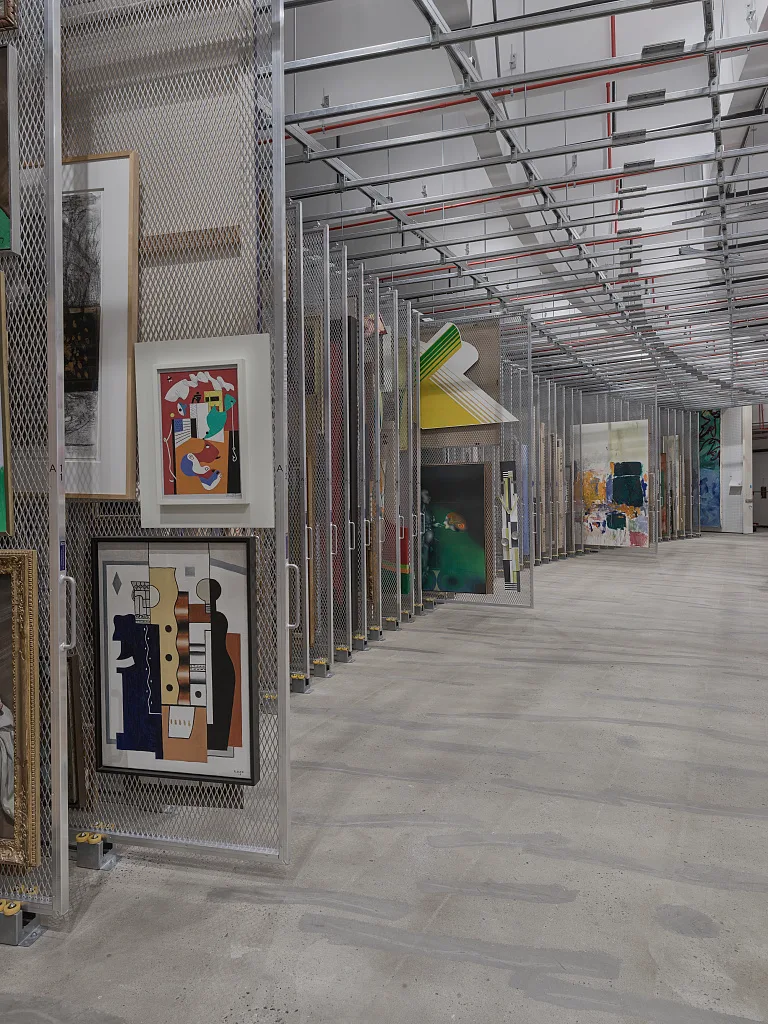
Good art storage is quiet by design. Objects are identified, supported, separated from hazards, kept in stable conditions, and checked on a schedule. The room does not need to resemble a museum vault, but the plan should borrow the museum habit of preventing damage before restoration becomes necessary.
Begin with the collection, not a shopping list of archival boxes. An oil painting, silver service, textile, photographic print, ivory miniature, timepiece, and contemporary mixed-media sculpture can react differently to light, moisture, temperature change, pollutants, pests, vibration, and contact materials. Universal storage numbers or a single container type can create false confidence.
Preservation is a managed system: know what you own, understand its vulnerabilities, control the environment, prepare for emergencies, and record every change.
Make the inventory usable in an emergency
Assign every object or group a unique inventory number. Record the title or plain-language name, maker or artist, date, materials, dimensions, marks, inscriptions, serial numbers, ownership, acquisition source, purchase documentation, current location, insurance schedule, and related appraisal. Photograph the front, back, sides, frame, labels, signatures, marks, and existing damage.
Create a baseline condition record that a non-specialist can compare later. Describe cracks, lifting paint, tears, stains, corrosion, loose joints, fading, pest evidence, warped supports, damaged glazing, and repairs. Avoid diagnosing causes unless a conservator has done so. Date every photograph and condition note.
Keep one working copy available to the person responsible for the collection and one secure backup away from the property. Do not publish a detailed location list or security plan. The inventory should support insurance, estate administration, evacuation priorities, and the broader art and collectibles plan, not advertise where valuable objects sit.
Mark a realistic salvage priority. Human safety always comes first. Within that boundary, identify objects whose materials are especially vulnerable to water, objects essential to family history, and items whose documentation would be difficult to reconstruct.
Ask a conservator to identify vulnerabilities
A conservator can assess materials, condition, storage supports, framing, and environmental needs. Choose a professional whose specialty matches the object, such as paintings, paper, textiles, furniture, photographs, or objects. For mixed-media and contemporary works, the artist’s materials and intended behavior may require additional research.
Request a written preventive-conservation plan that separates urgent stabilization from long-term improvement. Ask which objects should not be moved, cleaned, wrapped, or placed near one another. A flaking painting, actively corroding metal, mold-affected paper, or pest-infested textile may need isolation and specialist treatment before ordinary storage.
Do not apply household cleaner, oil, polish, tape, glue, mothballs, pesticide, or improvised coating to a collection object. Do not remove a painting from its frame or roll a textile because it appears convenient. Treatment can erase evidence, drive contamination into the material, or turn a reversible problem into permanent loss.
Choose the room before the cabinet
Smithsonian conservation guidance emphasizes stable environments and avoidance of direct sunlight, strong heat, water, and large fluctuations. Attics, cellars, bathrooms, laundry rooms, garages, and spaces below plumbing are poor defaults because they commonly combine temperature swings, humidity, leaks, pests, dust, or limited monitoring.
Choose an interior area with controlled access, reliable building systems, and the least exposure to roof, pipe, exterior-wall, and floor-drain hazards. Keep objects off the floor and away from windows, radiators, fireplaces, HVAC outlets, and exterior doors. If water could enter, use shelving or supports that keep the lowest object above the expected risk level without making the rack unstable.
Install calibrated environmental monitors and review trends rather than a single reading. The appropriate range and allowable fluctuation depend on materials and condition. Let a qualified conservator set targets for the collection and building instead of copying a museum number that the house cannot maintain safely. Sudden cycling can be more damaging than a steady, moderate condition.
Control light as an exposure budget. Ultraviolet radiation and visible light can fade or weaken sensitive materials, and the damage is cumulative. Use shades, filters, timed lighting, and rotation where appropriate. Keep storage lighting off when the room is unoccupied. A windowless room still needs a plan for heat and fixture placement.
Support each object without crowding it
Storage furniture should be stable, anchored where appropriate, compatible with the objects, and sized for safe retrieval. Museum art racks support framed works vertically while allowing access. Shelves, drawers, cabinets, rolled-textile supports, and archival enclosures serve other formats.
Good physical storage follows several principles:
- no object bears the weight of an unsuitable stack;
- frames do not rest directly against one another;
- projections, handles, and fragile surfaces have clearance;
- supports distribute weight without sharp pressure points;
- enclosures are labeled so an object need not be opened merely to identify it;
- heavy items are stored where they can be lifted safely;
- aisles and retrieval paths remain clear;
- incompatible or contaminating materials are separated.
“Acid-free” is not a complete specification. Paper, board, foam, plastic, fabric, adhesive, paint, and wood products can behave differently around specific objects. Ask the conservator or a reputable conservation supplier to define the required material and construction. Retain product information so future caretakers know what was used.
Use clean hands or the glove type recommended for the object. Gloves can reduce fingerprints on some surfaces but can also reduce grip or snag fragile material. Plan each move, clear the destination, remove jewelry or loose clothing that could catch, and use enough trained people. Photograph condition before and after a major move.
Design for fire, water, pests, and theft
Walk the room with the property’s risk professionals. Identify water lines, drains, roof exposure, fire detection and suppression, electrical equipment, access points, locks, cameras, and safe egress. Coordinate changes with a conservator, insurer, fire-protection professional, electrician, and security provider as appropriate. Protecting objects must not compromise life safety or building code.
Use integrated pest management rather than routine pesticide application near objects. Keep the room clean, restrict food and flowers, inspect incoming objects and packing materials, seal likely entry points, and monitor traps by location and date. If insects, droppings, frass, webbing, or mold appear, isolate the affected area only if it can be done safely and call the relevant professional.
Write a collection emergency plan with current contacts for the fire department, insurer, conservators, water-remediation firm, art handlers, electrician, plumber, security provider, and storage facility. Include utility shutoffs, room maps, object priorities, protective equipment, and authority to approve emergency spending. Store a copy off-site.
After water, fire, smoke, mold, collapse, or theft, document conditions from a safe distance and contact emergency services and the insurer. Do not enter an unsafe building or begin cleaning valuable objects without direction. Wet collections may be time-sensitive, but rushed, uncoordinated handling can compound loss.
Vet an off-site art-storage facility
Moving objects off-site transfers some risks and creates others. Request a visit and written answers about environmental monitoring, backup power, fire detection and suppression, water exposure, pest management, access control, background checks, surveillance, disaster response, insurance, subcontractors, and incident reporting.
Ask how objects are received, photographed, barcoded, located, handled, and released. Review the contract for liability limits, declared values, exclusions, dispute terms, access restrictions, and what happens if fees are unpaid. Confirm whether your own insurance remains primary and whether transit requires a separate policy or endorsement.
Use trained art handlers and fit-for-purpose vehicles and crates. Record seal numbers or crate condition where appropriate. Require a signed chain of custody at pickup, warehouse receipt, internal move, viewing, and return. Update the master inventory immediately when the location changes.
Audit the system every year
At least annually, reconcile the physical collection to the inventory. Review environmental trends, monitor logs, incidents, access lists, insurance schedules, appraisals, emergency contacts, and service contracts. Inspect enclosures and supports. Re-photograph material changes and refer concerns to a conservator.
Test the disaster contact tree without simulating an unsafe event. Confirm that someone other than the owner can find the inventory, authorize necessary work, and explain the collection to responders. Coordinate irreplaceable family material with a focused heirloom and photograph care plan.
A preservation plan succeeds when it survives changes in staff, residence, health, and ownership. Clear records, stable storage, qualified advice, and an exercised emergency plan give the collection a better chance of reaching the next generation with both the objects and their history intact.
This article provides general collection-care information, not conservation, insurance, security, legal, or emergency-response advice. Materials and buildings differ. Use qualified professionals to assess the specific collection, property, and applicable requirements.
Primary sources
- Smithsonian Hirshhorn Museum: Preventive Conservation
- Smithsonian Museum Conservation Institute: Caring for Your Paintings
- Smithsonian Institution Archives: Preservation
- Smithsonian American Art Museum: Breaking the Mold
This article provides general education, not individualized legal, tax, investment, insurance, or benefits advice. Rules and deadlines change; verify the current requirement with the agency and a qualified professional.
More from Home
The desk →
Home
Home Backup Power: Generator Safety and Readiness
Plan safe backup power by defining essential loads, using qualified installation, preventing carbon monoxide exposure, storing fuel safely, and testing outage procedures.
Home
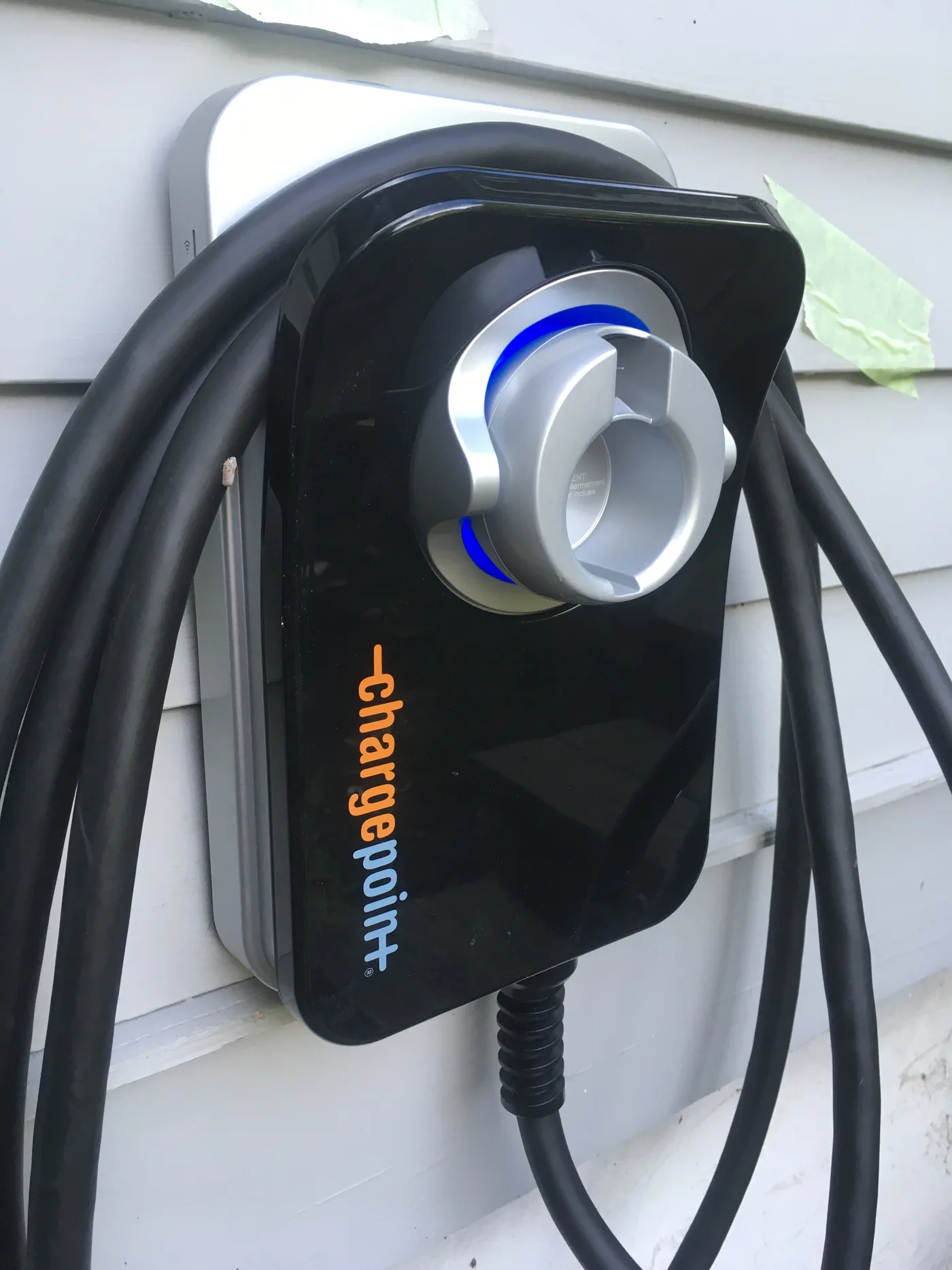
Home EV Charging: Installation and Safety
Plan a home electric-vehicle charger with a load calculation, permits, utility review, qualified installation, safe cable management, and complete records.
Home
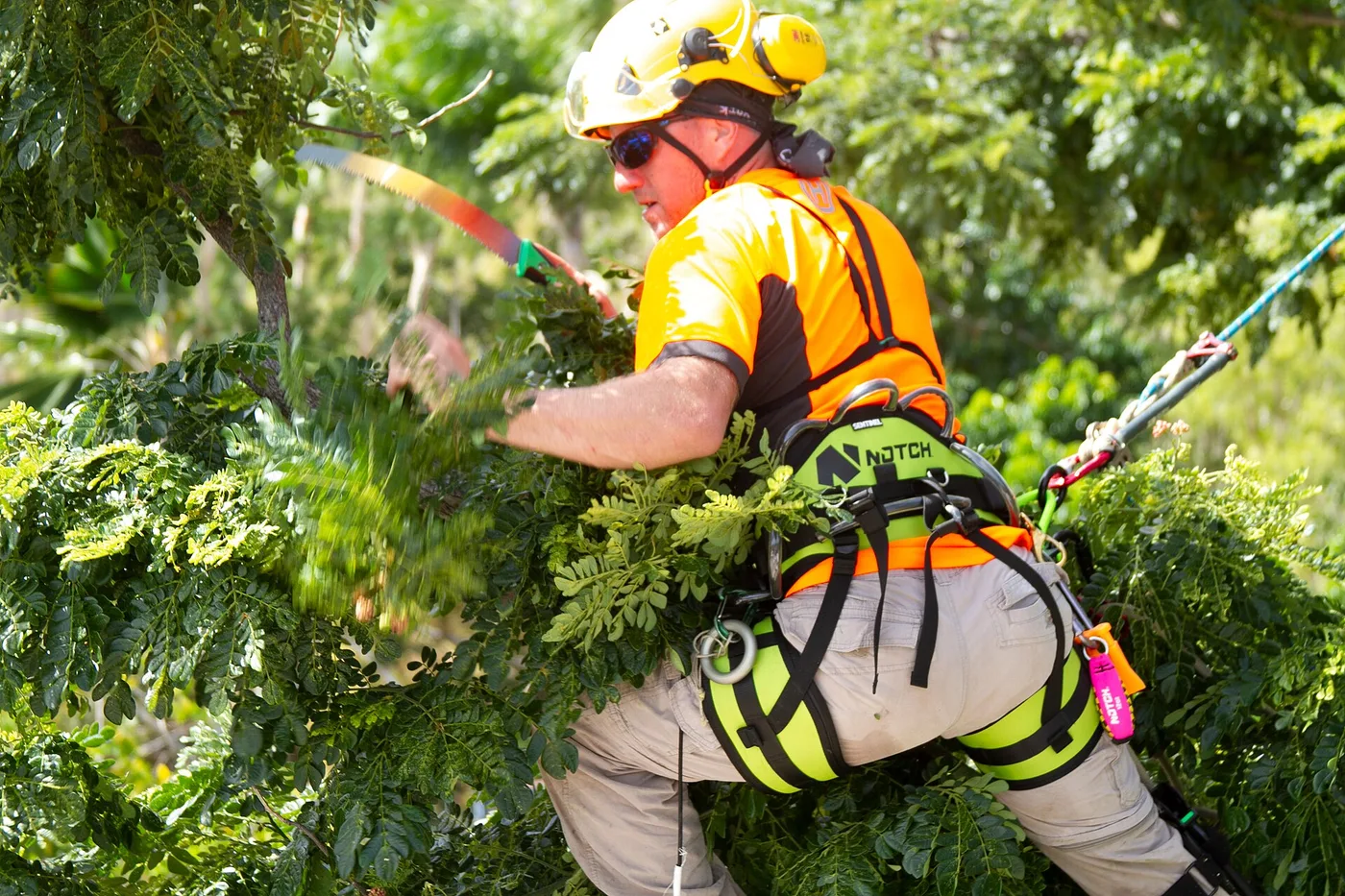
Mature Tree Risk: An Arborist Review for the Property
Manage mature trees with a mapped inventory, credentialed risk assessment, storm and construction controls, documented work, and a practical inspection cycle.