Caring for Heirlooms, Photographs, Textiles, and Family Silver
Library of Congress and National Archives guidance on storing photographs, letters, textiles, and silver, with digitizing, conservators, and division.
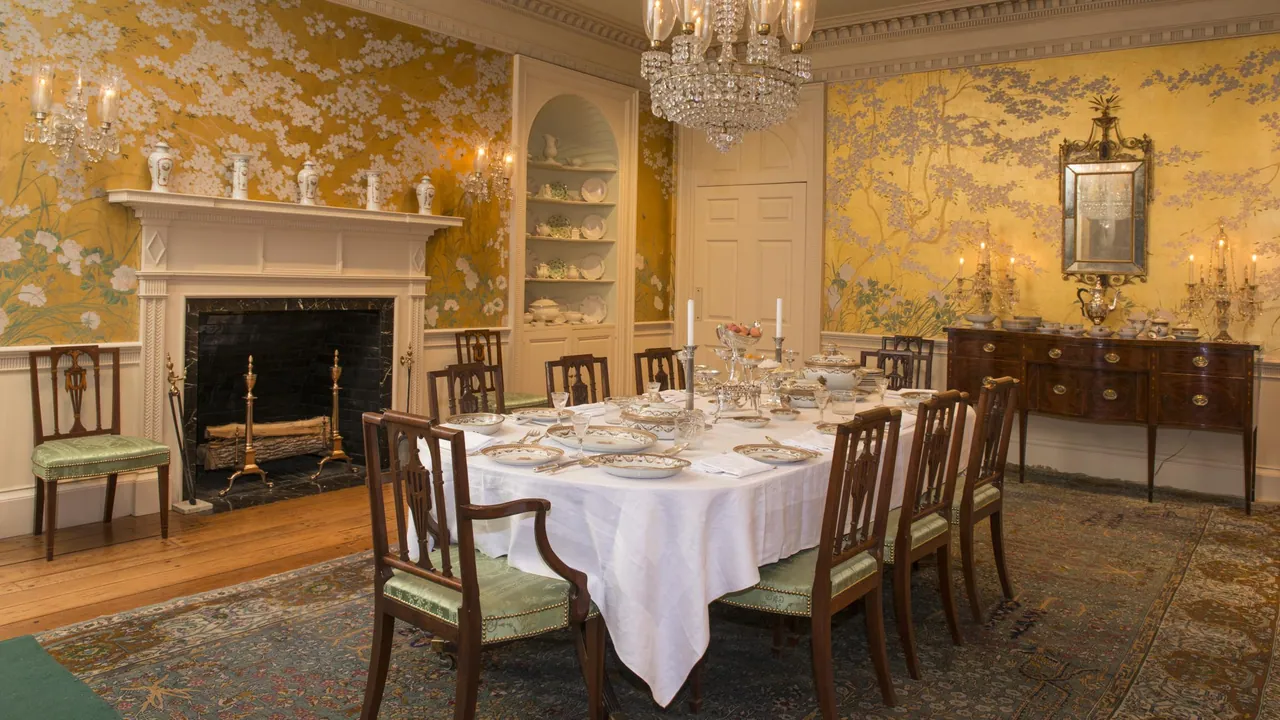
The most dangerous room in the house for a box of family photographs is usually the room it is already in. Attics, basements, and garages are where families put what they mean to keep, and precisely where the Library of Congress and the National Archives say not to. After a death, such boxes multiply: albums, letters, a christening gown, a silver service no one has yet decided about.
Very little of this needs deciding quickly, and sorting belongings at your own pace remains sound advice. What should not wait is the move to safer conditions, because heat, damp, and light work whether or not anyone opens the box. This guide will help you decide where each heirloom lives, which habits to stop, what to digitize, when to call a conservator, and how to insure and divide what matters.
The conditions that preserve almost everything
The two institutions publish different thresholds for different purposes. The National Archives sets broad household limits for family papers and photographs: below 75°F, relative humidity below 65 percent to discourage mold and insects, and never below 15 percent, which can cause brittleness. The Library of Congress sets a tighter target for photographs: 30 to 50 percent relative humidity, 70°F or below, and ideally a daily humidity swing under 5 percent. It calls relative humidity the single most important factor for most photographic prints.
Stability matters as much as the numbers. The Library advises against attics, basements, exterior walls, and spots near vents, fireplaces, or radiators; the Archives adds garages and asks that boxes sit on a shelf, away from pipes, windows, and food. In most houses that points to a closet on an interior wall of a floor you live on. A recording thermometer-hygrometer checked through seasonal changes can show whether that location actually stays within range.
Light is the third variable. The Library advises limiting light exposure for photographs, and a National Archives article on textiles notes that all types of light can damage them. Frame a good copy; keep the original in its box.
A plain archival box on the right shelf will do more for a family’s photographs than any treatment that comes after.
Photographs, negatives, and albums
Handle prints by their edges, with clean hands or clean nitrile gloves, away from food and drink. The Library rules out paper clips, rubber bands, sticky notes, tape, and glue, and prefers an air bulb to canned air for dust. If a print must be identified, write lightly on the back near the edge with a soft graphite pencil, or better, on its enclosure.
Enclosures should be photo-safe, which the Library defines as meeting ISO 18902, including the Photographic Activity Test, or PAT, which suppliers often note. Clear sleeves of uncoated polyester, polyethylene, or polypropylene spare handling, but emulsions can stick to plastic at high humidity, especially above 70 percent, so use them only where the climate is controlled, and never for nitrate or acetate negatives. The Archives adds PVC to the plastics to avoid. Keep negatives apart from prints, since some release harmful gases as they age.
“Magnetic” albums, with sticky pages under clear film, appear on both institutions’ lists of things to avoid. If prints lift away easily, move them to photo-safe pages with paper or stable-plastic corners. If they are stuck fast, leave them for a photograph conservator.
Film and color materials need particular care. The Archives notes that acetate negatives and color negatives, slides, and prints can fade within decades at room temperature, and the Library recommends 40°F or below for color photographs and film negatives. Cold storage needs special packaging and steps, for which the Archives points to National Park Service instructions.
Letters, diaries, and family papers
Paper wants to lie flat in a box that fits it. The National Archives recommends containers large enough that nothing is folded or bent, never overstuffed, and made of board that is lignin-free and acid-free or buffered.
Brittle or much-read letters can go into polyester L-sleeves, one item each, with the sleeve larger than the sheet. Keep sleeves out of bound diaries; the Archives warns that their edges tear book pages. Remove rubber bands and non-stainless clips where they come away cleanly, but leave old tape, rubber cement, and unknown glues to a paper conservator. Removing an adhesive is treatment, not housekeeping.
Textiles: gowns, quilts, uniforms, and linens
The National Archives article on textiles, published in its Prologue magazine in 2016 by the chief of its conservation laboratory, begins where the paper guidance does: store textiles in the dark, somewhere cool and dry, never in trunks in a hot attic or a damp basement or garage. Its benchmark is reassuringly domestic: an environment comfortable for people suits textiles.
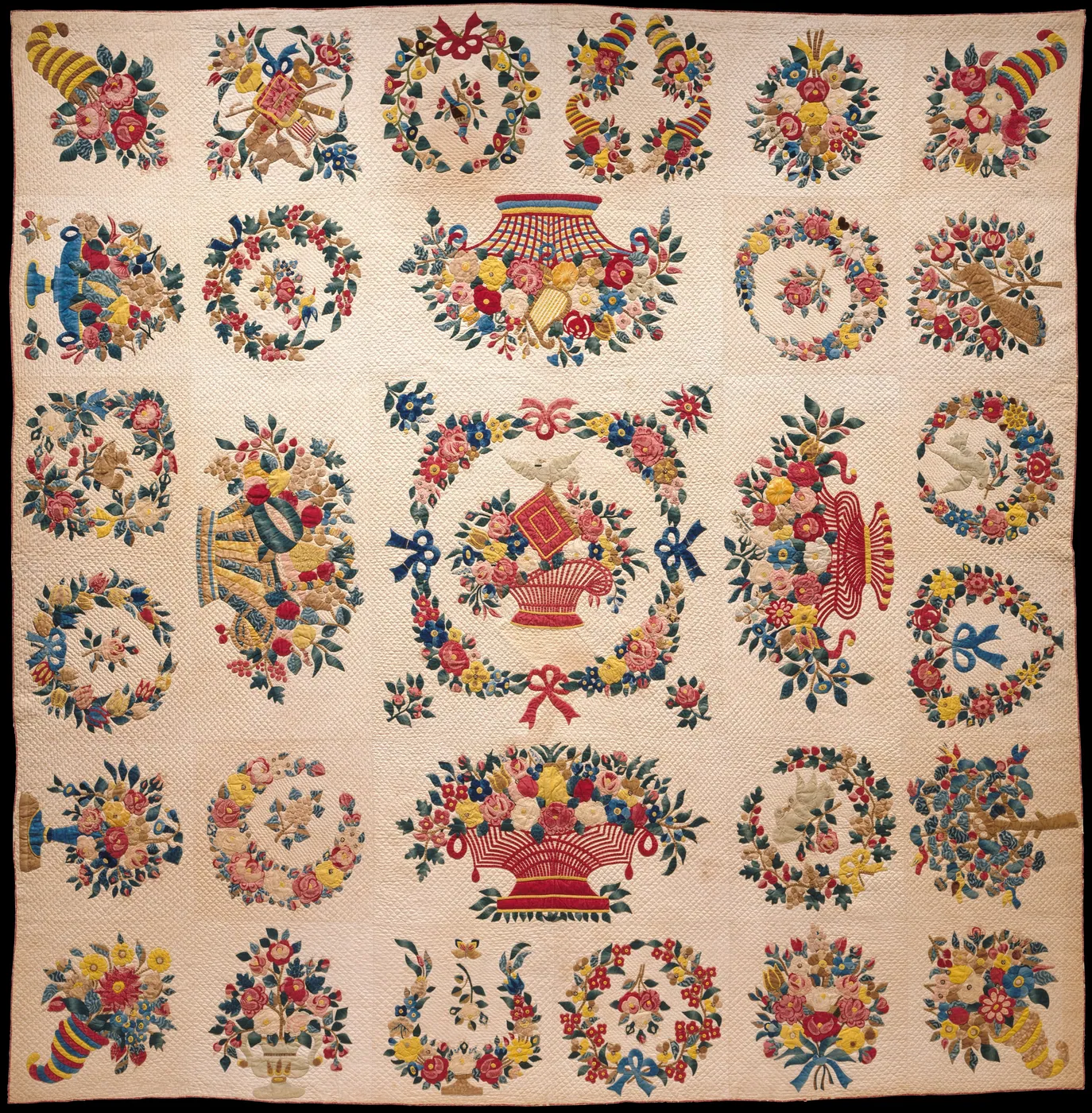
Handle every piece with clean hands, and both of them. Large quilts often cannot bear their own weight, so lift them on a board or in a box. Store antique garments flat rather than hanging them, with as few folds as possible, each softened with rolled acid-free tissue. Quilts can be rolled around large-diameter acid-free tubes and covered with muslin.
The harder advice is restraint. The article counsels against washing, dry cleaning, or mending pieces of antique or monetary value, or anything in poor condition, because colors can bleed and agitation can cause structural damage. If a christening gown is to be worn again, consult a textile conservator well before the date.
Silver: fewer polishings, better handling
A 1999 National Park Service leaflet for museums and historic houses begins by identifying the metal and examining the surface, since polishing can destroy gilding and some darker patinas were part of the maker’s finish. It advises against commercial polishes, many of which contain ammonia or harsh abrasives that can permanently damage delicate surfaces, and observes that removing all tarnish is often undesirable: darker tone in the recesses helps a design read. Its treatment instructions are written for trained museum staff and should not be treated as a home recipe for a valuable object.
The useful distinction is between silver you use and silver you keep. The leaflet allows that the corrosion inhibitors in household polishes help on items polished regularly, so holiday flatware can be treated as flatware. A presentation piece, an early tea service, or anything gilded deserves the museum approach: nitrile gloves (chlorine-processed gloves can tarnish silver quickly), no immersion in water, and no liquid inside hollow handles. For pieces on permanent display, a conservator-applied resin coating can protect for up to twenty years; a careful wax should last at least a year or two, depending on conditions and handling.
Digitizing so everyone can hold the pictures
Scanning lets every child and grandchild have the photographs at once, but the National Archives advises keeping the originals, because digital files carry their own risks and are easily lost.
At home or with a service, the original should fit entirely on the scanner glass so the lid cannot crease it, and automatic-feed scanners are unsuitable for anything fragile or valuable. The Archives then recommends three habits:
- Name files with plain letters and numbers, using hyphens or underscores instead of spaces or punctuation.
- Record who, what, where, and when for each image while someone still remembers.
- Keep three copies, on two different kinds of media, with one off-site.
For photographs held only on phones and in online accounts, see what survives a phone contract.
When a conservator earns the fee
When good housing is not enough, the Library of Congress directs families to the American Institute for Conservation, whose directory lists conservators by specialty and location. Call when something is wet, moldy, insect-damaged, stuck together, or tearing, or before cleaning or repairing an object of real value.
AIC recommends its Professional Members, whose work has been reviewed by peers; anyone may join as an ordinary member. Expect a written examination report with the proposed treatment, expected results, and estimated cost before work begins, and a treatment report listing materials and procedures afterward. Ask about fees, insurance, and shipping, and be wary of quick, inexpensive restoration. For a large collection, AIC suggests commissioning one object first, and since conservators do not always agree, a second opinion on major work is reasonable.
Insuring and dividing what cannot be replaced
Homeowners policies may set special limits, particularly for theft of silverware and jewelry, far below what a family’s pieces are worth, which is why valuables are often scheduled individually against a current appraisal. Insuring a high-value household sets out the questions for your broker. File conservators’ reports and photographs with the policy.
Some objects will be governed by the will, a trust, or a separate written list, and whether such a list is binding depends on the will’s wording and state law; distributing personal possessions fairly explains the process. For the rest, digitizing changes the arithmetic. Suppose three children each want their grandparents’ wedding portrait. A fine scan, printed and framed, gives each of them the image; the original goes to one agreed custodian, recorded as part of the family archive. Before giving significant pieces during your lifetime, ask your tax adviser about valuation and reporting.
A checklist for the first season of care
- Move photographs, papers, and textiles from attic, basement, and garage to a shelf in a lived-in room.
- Measure temperature and humidity there for a year.
- Rehouse prints and letters in PAT-passing or acid- and lignin-free enclosures, labeled in pencil.
- Leave stuck photographs, old tape, and brittle folded letters for a conservator.
- Store antique textiles flat and in the dark; do not wash or mend them.
- Retire commercial polish for silver that is old, gilded, or valuable.
- Scan the key images, record who, what, where, and when, and keep three copies.
- Ask your broker whether valuables are scheduled against current appraisals.
- Write down who keeps each set of originals before anything leaves the house.
This article provides general U.S. educational information and is not conservation, appraisal, insurance, legal, or tax advice. Confirm treatment with a qualified conservator, and coverage or distribution questions with a professional who knows your facts.
Primary sources
- Library of Congress: Care, Handling, and Storage of Photographs
- National Archives: Storing Family Papers and Photographs
- National Archives: Digitizing Family Papers and Photographs
- National Archives, Prologue: Preserving Textiles (Summer 2016)
- National Park Service: Conserve O Gram 10/2, Caring for Silver and Copper Alloy Objects
- American Institute for Conservation: Hiring a Conservation Professional
This article provides general education, not individualized legal, tax, investment, insurance, or benefits advice. Rules and deadlines change; verify the current requirement with the agency and a qualified professional.
More from Living Well
The desk →
Living Well
Air Travel with Mobility Needs: A Door-to-Door Plan
Plan accessible air travel from curb to hotel, document a wheelchair or scooter, request the right assistance, and know whom to call when service fails.
Living Well
Choosing a Medical Alert System: A Home Test
Choose and test a medical alert system by matching coverage, monitoring, fall detection, response rules, power, privacy, contracts, and daily habits.
Living Well
Emergency Planning When You Live Alone: Support, Power, and Evacuation
Build an emergency plan for one-person households with a support network, medication and power contingencies, evacuation transport, records, and practiced check-ins.