Radon Testing and Mitigation: A Home Record
Build a documented radon testing and mitigation plan with qualified professionals, correct test conditions, post-work verification, and durable property records.
Radon cannot be seen, smelled, or tasted. A polished basement, recent renovation, or neighbor’s low result does not establish that your home is safe. The U.S. Environmental Protection Agency says testing is the only way to know a home’s radon level and recommends action when the result is 4 picocuries per liter, or pCi/L, or higher. EPA also notes that no radon level is completely risk-free.
For a widow managing a large or unfamiliar property, the practical task is not to buy the first detector advertised online. It is to create a defensible sequence: identify the occupied areas, choose the right test, prevent interference, interpret the result correctly, hire a qualified mitigator when needed, verify the work, and preserve the record for future health and property decisions.
Treat a radon result as a measured condition with a date, location, device, and test protocol, not as a permanent grade for the entire house.
Start with the house, not the device
Make a simple floor plan showing the foundation type, lowest rooms that are or could be occupied, crawl spaces, additions, sump pits, floor drains, utility penetrations, and heating or cooling zones. A sprawling home may have separate foundations or air-handling areas that need more than one test location.
Gather any prior radon reports, mitigation proposals, permits, warranties, fan model information, electrical work, real-estate disclosures, and renovation records. Note whether a prior test occurred before an addition, basement finish, drainage project, heating-system change, or foundation repair. Those changes can affect how air moves through the building.
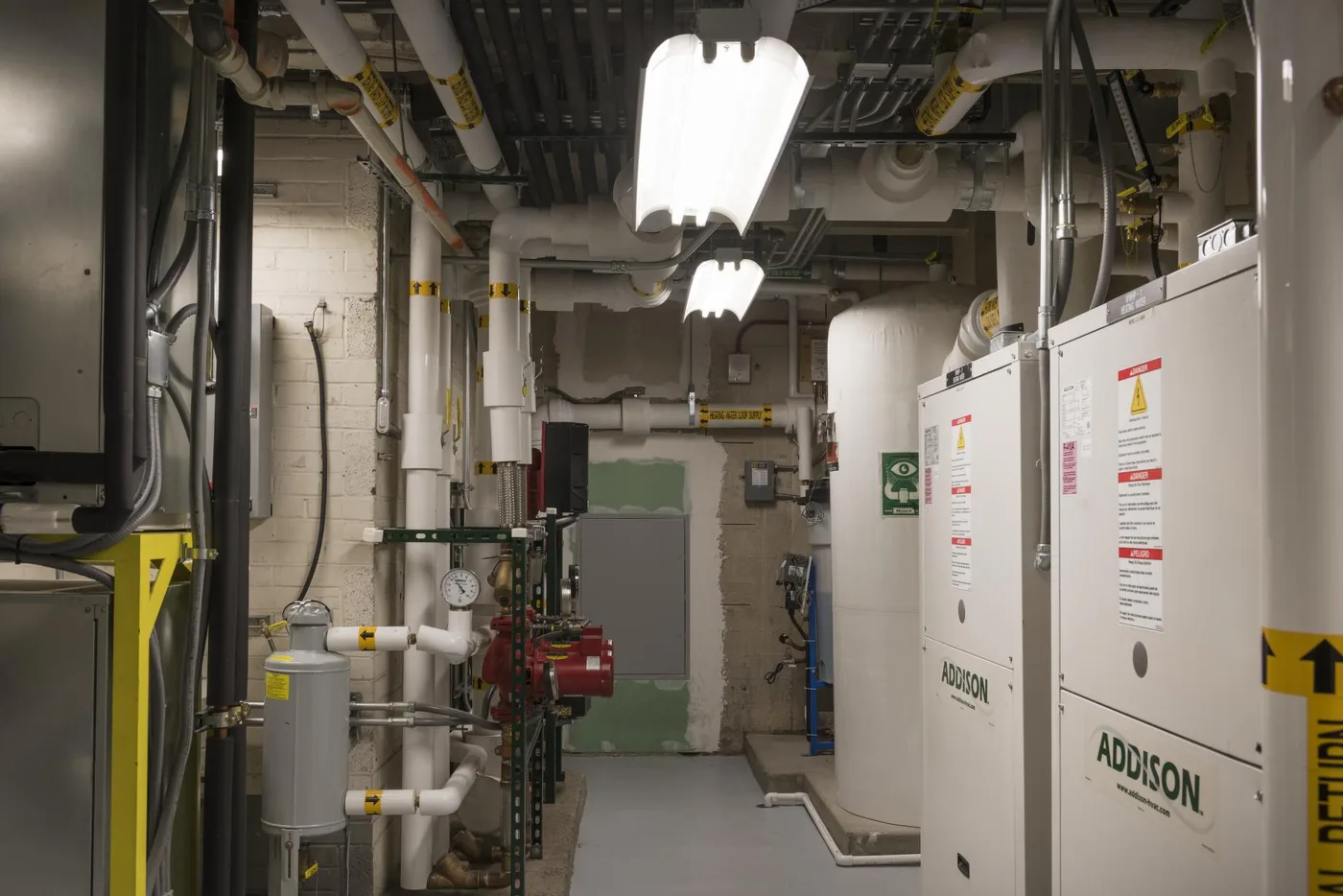
Do not assume that a mitigation pipe proves the system works. Find the fan, system indicator or manometer, discharge point, electrical disconnect, labels, alarms, and any sealed sump cover. Photograph their condition without adjusting equipment.
Choose a recognized test path
EPA distinguishes short-term tests, which generally measure from two to 90 days, from long-term tests, which measure for more than 90 days. A short-term test is useful when a prompt decision is needed. A long-term test is more representative of the annual average because radon varies with weather, ventilation, and occupancy.
Follow the device instructions and current EPA or state protocol. Short-term testing commonly requires closed-house conditions for a defined period before and during the measurement. Place the device in the lowest level suitable for occupancy, away from drafts, exterior walls, high heat, humidity, and direct sunlight as the protocol directs. Record the exact location, start and stop times, weather events, heating or cooling operation, and who had access.
If the result may affect a purchase, sale, tenant decision, construction dispute, or major mitigation expense, use a qualified radon measurement professional. Ask the state radon office which credentials it recognizes. EPA’s standards page links current national consensus standards and state contacts. A professional can also determine whether a large or unusual property needs multiple devices or quality-control measurements.
Never move, cover, unplug, or ventilate around a device to influence the result. If test conditions were not maintained, document the problem and repeat the test rather than presenting a compromised number as reliable.
Read the result without false precision
A single number needs context. Confirm the unit, test duration, device, laboratory or provider, room, floor, closed-house compliance, and whether the report flags an error. Do not compare a result in pCi/L with one reported in becquerels per cubic meter without a reliable conversion.
EPA recommends fixing the home at 4 pCi/L or above and says to consider fixing between 2 and 4 pCi/L. When a short-term result is at or above the action level, follow EPA’s recommended confirmation path or the instructions of a qualified professional. Very high results call for prompt follow-up rather than delay for a long seasonal average.
Radon risk increases with long-term exposure, and smoking adds substantially to lung-cancer risk. A radon report does not diagnose illness. Discuss personal health questions with a licensed clinician, especially when a household member smokes or has respiratory concerns.
Scope mitigation as a system
Ask at least two qualified mitigators for a written scope when practical. Each proposal should identify the diagnostic work, suction method, pipe route, fan location, electrical connection, discharge point, sealing, sump treatment, alarms or indicators, expected performance, permits, warranty, post-mitigation test, and responsibility for finish repairs.
Active soil depressurization is common, but the correct design depends on the foundation and building. A contractor should not promise a universal pipe layout without evaluating the property. Ask how additions, crawl spaces, drain tiles, slabs, and separate foundations will be addressed. Confirm that exhaust will not re-enter through windows, doors, or air intakes and that the fan will not be placed where leakage could push radon into occupied space.
Check credentials, insurance, references, and complaint history just as you would for other significant home work. The process in Hiring Contractors Safely provides a useful bid and documentation framework.
Do not allow a mitigation contractor to disable combustion-safety devices or alter fuel-burning equipment outside the contractor’s license. Changes to building pressure can matter in a house with fireplaces, boilers, furnaces, or water heaters. Ask whether a qualified professional should perform combustion-safety checks.
Verify the completed work
Inspect the visible installation before final payment. The system should be labeled, secured, weather-protected where appropriate, and equipped with a clearly readable indicator showing whether the system is operating. Confirm that the fan is running, but remember that fan operation alone does not prove the radon level was reduced.
Arrange a post-mitigation test under the applicable standard. Preserve the report showing the device, location, dates, result, and testing party. If the result remains elevated, require a written diagnostic and corrective plan rather than accepting an explanation by telephone.
Ask the contractor for:
- the final contract and paid invoice;
- permit and inspection records when required;
- an as-built diagram and photographs of concealed work;
- fan, alarm, and monitor manuals;
- warranty terms and transfer rules;
- post-mitigation test instructions;
- recommended retest and service intervals;
- emergency and service contacts.
EPA recommends testing at least every two years after mitigation and also after significant renovation or changes that could affect the system. Follow any more protective state rule or system-specific instruction.
Keep a durable radon log
Create one property record with every result in chronological order. Include the room, floor, device, provider, start and stop times, result, conditions, mitigation changes, service visits, and follow-up tests. Photograph the system indicator periodically and after power outages, storms, construction, or service.
Add an annual visual check to the home calendar. Look for a failed fan, abnormal gauge reading, disconnected pipe, loose cap, damaged discharge, open sump cover, condensation problem, unusual noise, or labels hidden by storage. Call the installer or another qualified radon professional when anything changes.
When selling, renting, insuring, or transferring the property, provide accurate records without representing an old test as a current guarantee. Keep original reports with the property file described in Title Insurance and Property Records.
Radon management is successful when another responsible person can see what was tested, what was changed, whether the system is operating, and when the home must be tested again. That record is as important as the equipment in the basement.
This article provides general home-management information. It is not medical, engineering, environmental, or legal advice. Follow current EPA, state, local, manufacturer, and qualified-professional guidance for your property.
Primary sources
This article provides general education, not individualized legal, tax, investment, insurance, or benefits advice. Rules and deadlines change; verify the current requirement with the agency and a qualified professional.
More from Home
The desk →
Home
Home Backup Power: Generator Safety and Readiness
Plan safe backup power by defining essential loads, using qualified installation, preventing carbon monoxide exposure, storing fuel safely, and testing outage procedures.
Home
Home EV Charging: Installation and Safety
Plan a home electric-vehicle charger with a load calculation, permits, utility review, qualified installation, safe cable management, and complete records.

Home
Mature Tree Risk: An Arborist Review for the Property
Manage mature trees with a mapped inventory, credentialed risk assessment, storm and construction controls, documented work, and a practical inspection cycle.