Private Well Water: A Testing and Treatment Plan
Manage a private well with certified laboratory testing, local contaminant guidance, inspection, treatment verification, flood response, records, and safe drinking-water decisions.
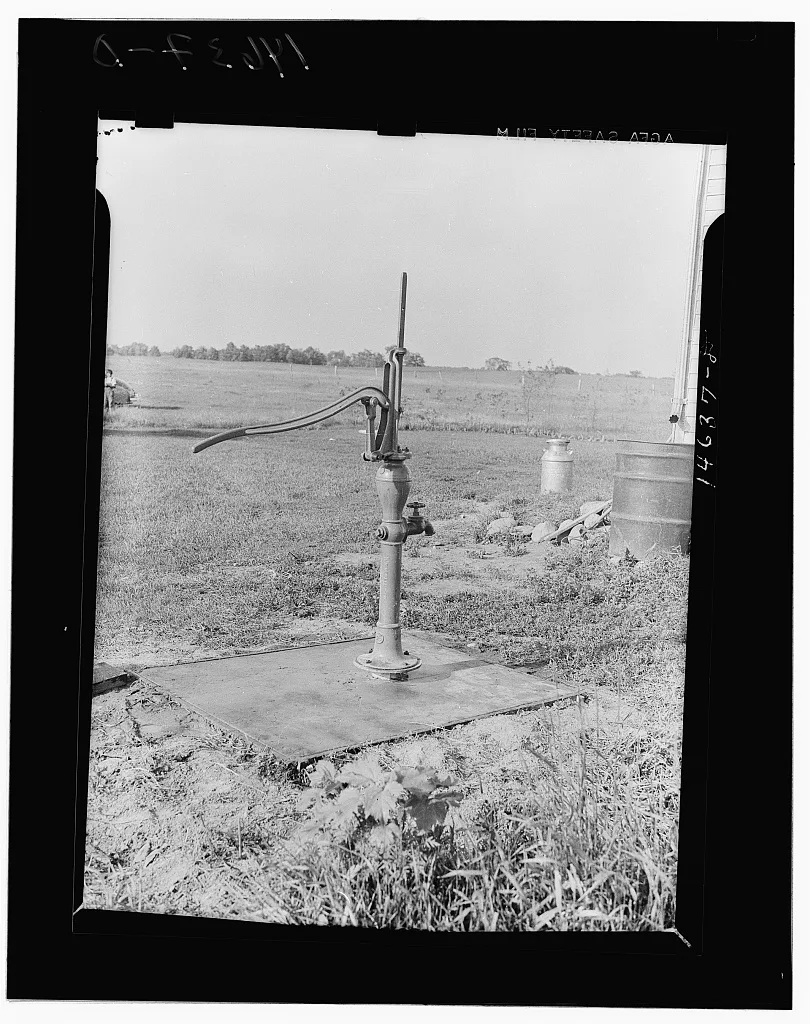
A private well does not arrive with a utility’s treatment record or consumer confidence report. The owner is responsible for understanding the well, protecting it from contamination, testing the water, interpreting results, maintaining treatment, and deciding when not to drink.
The Centers for Disease Control and Prevention notes that public drinking-water rules do not regulate, treat, or monitor privately owned wells. CDC recommends at least annual testing for total coliform bacteria, nitrates, total dissolved solids, and pH, plus locally relevant contaminants identified with the health department.
A clear glass of water is not a test result. Safety depends on the source, sample, certified laboratory, interpretation, and action taken.
Build the well file
Locate the well, cap, casing, pressure equipment, treatment devices, water lines, septic system, fuel tanks, drainage, and abandoned wells. Gather the drilling log, permit, construction record, pump data, repairs, prior laboratory reports, treatment manuals, warranties, and property survey.
Record the well depth, construction date, installer, pump, casing, yield information, and service contacts only when supported by documents or qualified inspection. Do not infer depth or groundwater source from a neighbor’s well.
Map potential contamination sources with help from local health or environmental officials: septic systems, livestock, fertilizer, pesticides, fuel, industrial sites, landfills, mining, saltwater intrusion, naturally occurring minerals, flood zones, and wildfire damage. Local geology and land use determine which tests matter.
Use the health department and a certified laboratory
Ask the state or local health department for its current private-well testing schedule, contaminant list, sampling instructions, and certified laboratories. EPA maintains state laboratory-certification contacts, and CDC recommends a state-certified laboratory.
Do not let a treatment salesperson define the test panel or interpret the result alone. A treatment company may provide useful service, but an independent certified laboratory and public-health guidance reduce the conflict between diagnosis and selling equipment.
CDC recommends annual testing for total coliforms, nitrates, total dissolved solids, and pH. Additional testing may include arsenic, lead, radium, mercury, volatile organic compounds, pesticides, or specific germs depending on location and conditions. Follow local guidance rather than ordering every available test or assuming a basic panel covers all risk.
Test again when:
- color, taste, or odor changes;
- the well, pump, casing, cap, or treatment system is repaired;
- flooding, wildfire, land disturbance, or nearby waste disposal occurs;
- officials report a local groundwater problem;
- a pregnant person, infant, or child begins using the water;
- unexplained illness may be water-related;
- the property changes ownership or has been vacant.
Collect a defensible sample
The laboratory’s instructions control. Confirm the correct bottles, preservation, faucet, flushing, disinfection restrictions, holding time, temperature, chain of custody, and delivery deadline. A sterile bacteria bottle may contain a preservative; do not rinse it.
Sample location matters. A raw-water sample before treatment answers a different question from a kitchen-tap sample after treatment. If diagnosing the source and verifying treatment, the professional may require several labeled samples. Record the date, time, exact tap, whether an aerator or filter was removed, recent rain or flooding, well use, treatment status, and sampler.
Avoid cross-contamination from hands, dirty fixtures, hoses, or containers. Do not transfer water into a household bottle. If instructions are unclear, call the laboratory before sampling rather than improvising.
Interpret results with qualified help
A report may list a result, reporting limit, unit, method, and comparison value. Confirm whether a value is detected, estimated, or below the reporting limit. Units such as milligrams per liter and micrograms per liter are not interchangeable.
Contact the health department about health significance and immediate actions. A treatment professional can then design a system for the confirmed contaminant and water chemistry. Do not rely on taste, boiling, a pitcher filter, or a generic softener. Boiling can kill certain germs but does not remove many chemicals and may concentrate some contaminants.
If officials advise not drinking the water, follow the exact instruction. “Boil water,” “do not drink,” and “do not use” mean different things. Consider drinking, cooking, ice, brushing teeth, infant formula, medicines, pets, dishwashing, bathing, and medical equipment. Provide a safe alternative until the authority says the water is acceptable.
Verify treatment rather than assuming it works
Treatment selection depends on the contaminant, concentration, water chemistry, flow, household demand, and maintenance capacity. Ask for a written design that identifies what the system treats, performance basis, waste stream, bypass risk, alarms, consumables, service interval, and post-installation verification.
Keep model and serial numbers, manuals, invoices, settings, media changes, disinfection, repairs, and test results. Label bypass valves and protect settings from accidental change. A softener, ultraviolet unit, reverse-osmosis device, carbon filter, or other component solves only specified problems when properly installed and maintained.
Test after installation to confirm performance, then on the schedule set by the health authority and professional. A light on a treatment unit proves only what the manufacturer says that indicator proves. It is not a substitute for laboratory verification.
Coordinate water planning with rural and remote property considerations and the backup-power plan. Pumps, pressure tanks, ultraviolet treatment, alarms, and heat tracing may stop during an outage.
Protect the wellhead and respond to flooding
Keep drainage away from the well and maintain the cap, casing, seals, and surrounding grade through a qualified well professional. Do not store chemicals, fuel, or waste nearby. Prevent vehicles, landscaping, construction, and snow equipment from damaging the well.
Floodwater can carry sewage, fuel, chemicals, and debris into a well. Do not turn on flooded electrical equipment or approach unsafe wiring. Use safe alternate water, contact the health department, and have the well inspected and disinfected by qualified professionals. Test as directed before resuming use. Clear water after pumping does not prove safety.
Abandoned wells can become contamination pathways and physical hazards. Have them closed according to state and local requirements. Preserve closure documentation with the property record.
Make the plan transferable
Create a calendar for inspection, sampling, treatment service, filter or lamp changes, pressure checks, and laboratory review. Keep results in chronological order rather than retaining only the latest “good” report. Trends can reveal a developing issue.
For a sale, trust transfer, renter, caregiver, or household employee, provide accurate operating information without making unsupported claims that the water is always safe. Disclose known issues as required and give the responsible person the current test, treatment instructions, emergency contacts, and no-water or unsafe-water procedure.
A responsible well plan separates evidence from appearance. It uses local risk knowledge, certified testing, qualified interpretation, verified treatment, and records that let the next person understand exactly what was tested and what remains unknown.
This article provides general U.S. educational information, not medical, environmental, engineering, legal, or real-estate advice. Private-well requirements and contaminants vary by location. Follow public-health authorities, certified laboratories, and qualified well and treatment professionals.
Primary sources
- CDC: Guidelines for Testing Well Water
- CDC: Well Water Safety
- EPA: Certified Drinking Water Laboratories
This article provides general education, not individualized legal, tax, investment, insurance, or benefits advice. Rules and deadlines change; verify the current requirement with the agency and a qualified professional.
More from Home
The desk →
Home
Home Backup Power: Generator Safety and Readiness
Plan safe backup power by defining essential loads, using qualified installation, preventing carbon monoxide exposure, storing fuel safely, and testing outage procedures.
Home
Home EV Charging: Installation and Safety
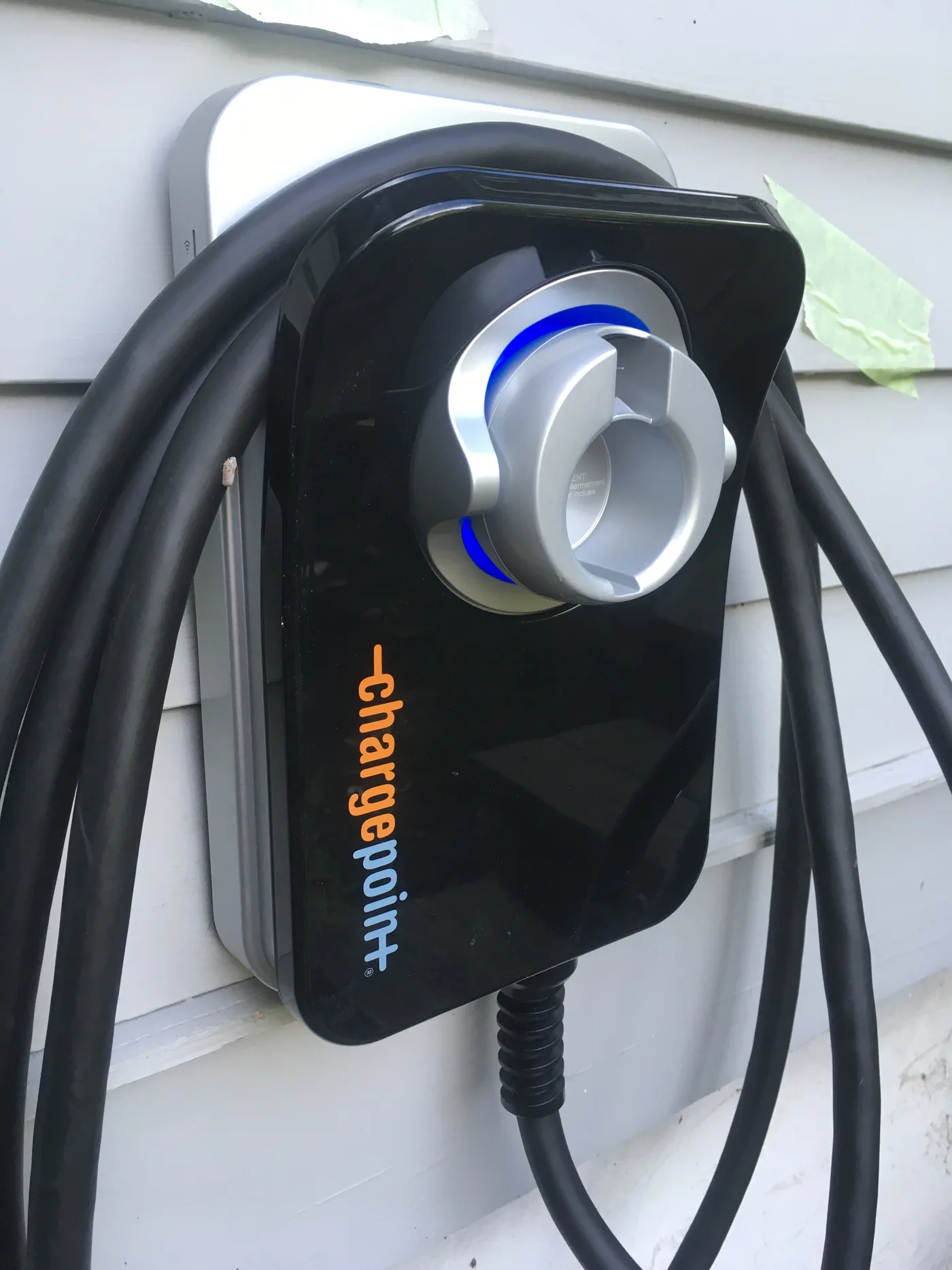
Plan a home electric-vehicle charger with a load calculation, permits, utility review, qualified installation, safe cable management, and complete records.
Home
Mature Tree Risk: An Arborist Review for the Property
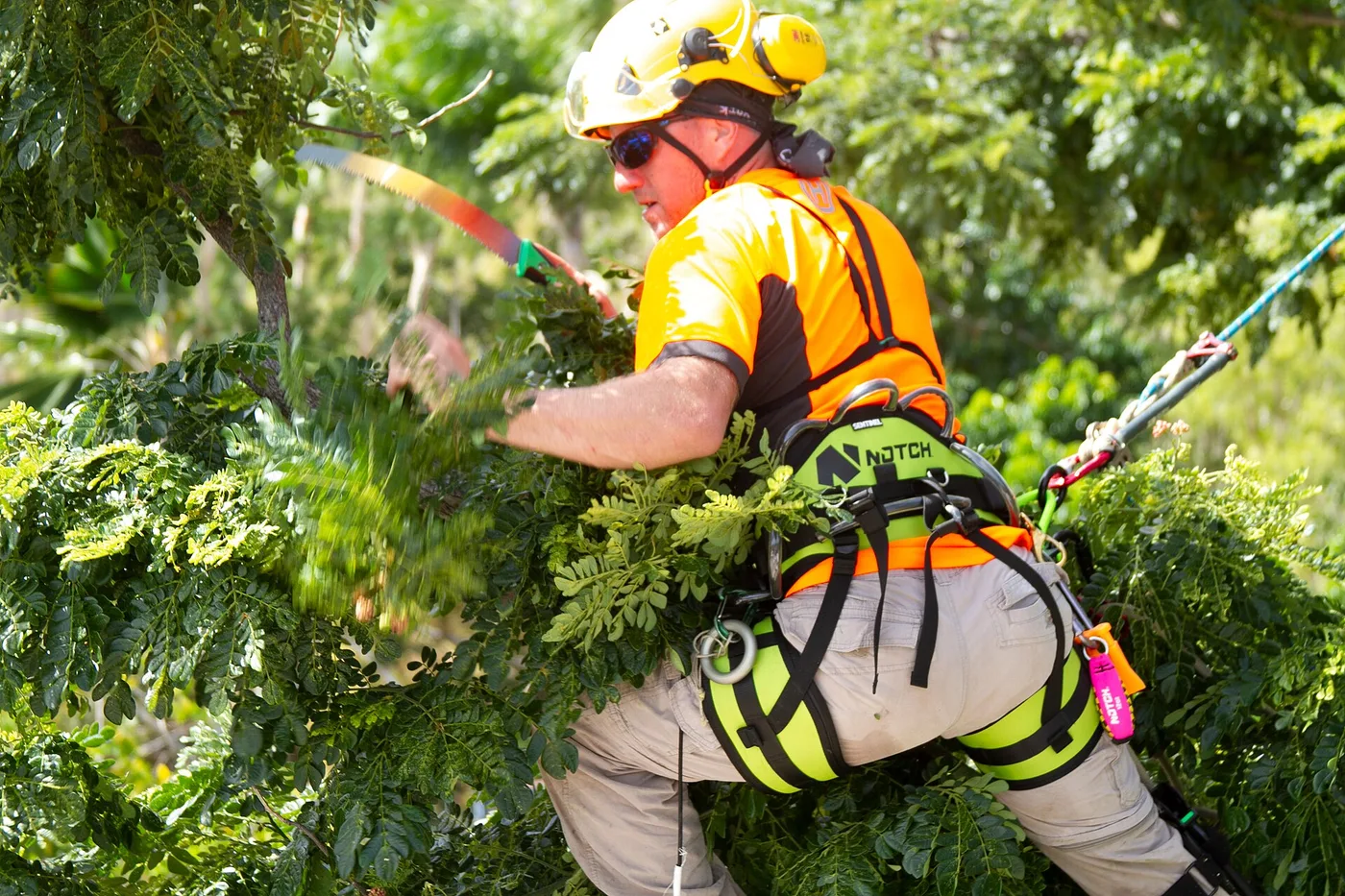
Manage mature trees with a mapped inventory, credentialed risk assessment, storm and construction controls, documented work, and a practical inspection cycle.