Wildfire Readiness: Evacuation and Smoke Planning
Prepare a wildfire plan for alerts, early evacuation, household roles, animals, gates, clean indoor air, essential records, insurance, and safe reentry.
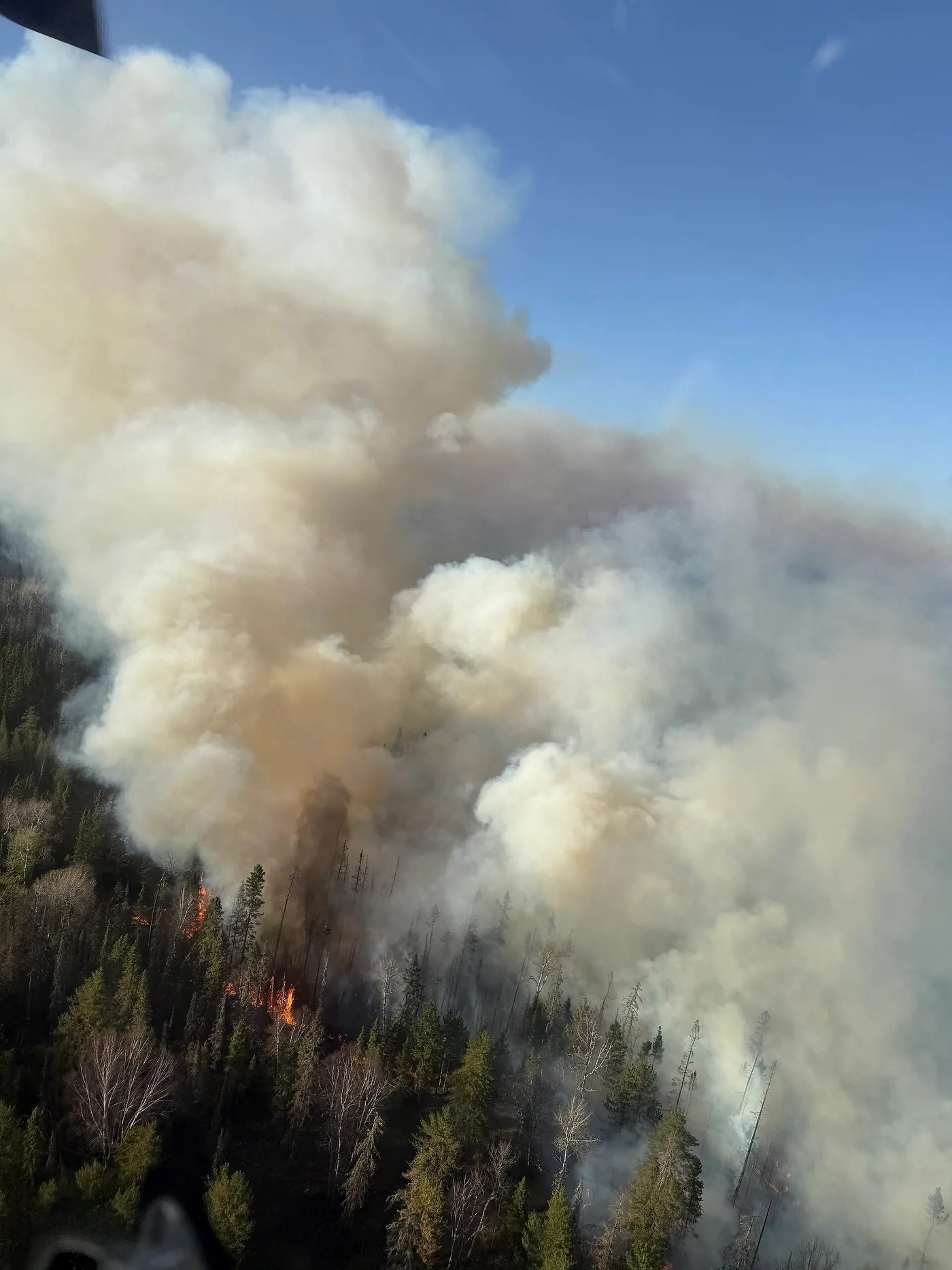
Wildfire readiness is a decision system, not a box of supplies. The central question is whether every person responsible for the property knows when to leave, where to go, how to move residents and animals, and what must never delay evacuation.
Ready.gov advises people to sign up for community alerts, learn evacuation routes, make a household plan, and leave immediately when authorities order evacuation. Smoke can reduce visibility and air quality far beyond the flames. Roads, electricity, mobile service, fuel access, and gate controls may fail at the same time.
For a widow living alone or managing staff, guests, pets, valuable collections, and more than one residence, roles must be explicit. No painting, document, jewelry case, or vehicle is worth returning to a threatened property.
Leave when officials tell you to leave. If conditions feel unsafe before an order arrives, act early rather than waiting for certainty.
Learn the local warning system
Register for county, city, tribal, fire-district, and utility alerts that apply to the exact address. Keep a battery-powered radio and know which local station carries emergency information. Save the non-emergency numbers for the sheriff, fire authority, emergency management office, utility, and animal-services agency.
Learn the jurisdiction’s evacuation terminology. An “alert,” “warning,” “ready,” or numbered zone may mean different things in different places. Print the official explanation and the property’s zone. Do not rely on social-media posts without confirming the source and time.
Map at least two routes away from the property and two destinations in different directions. Drive them in daylight before fire season. Note narrow roads, locked gates, bridges, steep grades, fuel stations, livestock crossings, and areas with weak cellular service. Authorities may direct traffic differently during an incident, so follow current instructions rather than the preferred route on your plan.
Set triggers before smoke is visible
An official evacuation order is an immediate trigger, not the moment to start packing. Create earlier household triggers based on local guidance, such as a nearby incident, a utility public-safety shutoff, a red-flag warning, a mobility concern, or the time required to move animals.
Write who has authority to decide that the household leaves early. If the owner cannot be reached, a property manager or family member should not need to negotiate by group text. Define who accounts for each person, who assists a resident with mobility or medical needs, and who transports each animal.
Tell staff that their first duty is their own safety and evacuation. Do not expect a housekeeper, gardener, driver, or caretaker to remain behind to defend the property. Confirm lawful emergency responsibilities in advance and provide the same alert and route information given to the household.
Prepare the departure kit
Keep a go-bag for each person with identification copies, essential medications, glasses or hearing supplies, phone power banks, flashlight, radio, water, weather-appropriate clothing, sturdy shoes, and N95 respirators. EPA notes that respirators can reduce exposure to particles when properly selected and worn, but they do not remove gases and are not a substitute for leaving danger.
Use a current medication list showing name, dose, prescriber, pharmacy, allergies, and emergency contact. Keep enough medication according to clinician, pharmacy, insurer, and local emergency guidance. Refrigerated or powered medical equipment needs a separate outage and transport plan.
Prepare animal carriers, leashes, feed, medicines, vaccination records, photographs, and destination contacts. Horses and livestock require trailers, trained handlers, and an early trigger. A trailer that is blocked by parked vehicles or not roadworthy is not an evacuation plan.
Keep the vehicle at a practical fuel or charge level during periods of elevated risk. Park facing the exit when local authorities recommend it, without blocking emergency access. Store keys in a known place and avoid loading more than can be secured safely.
Make the property easy to leave
Post the address where responders can see it. Confirm that gates can be opened during a power or network failure and that responsible residents know the manual release. Never defeat emergency-access requirements. Keep the driveway and turnaround usable for emergency vehicles under local fire-authority guidance.
Identify the locations of gas, propane, electricity, water, solar, batteries, and generators, but do not shut utilities off unless authorities or the utility direct it and you can do so safely. A wrong action can create another hazard or prevent fire-protection equipment from working.
Home hardening and vegetation management are property-specific. Ask the local fire authority, wildfire-mitigation specialist, insurer, and qualified contractors to assess roofs, vents, decks, fences, windows, gutters, exterior materials, defensible space, access, and water supply. Use current local rules rather than a generic clearance number.
Tie this work to Whole-Home Fire Protection Review so alarms, extinguishers, sprinklers, generators, and emergency access are considered together.
Plan for smoke when authorities say to stay indoors
Evacuation guidance always controls. A cleaner indoor room is for smoke events when officials say it is safe to remain, not for sheltering from approaching fire.
EPA recommends reducing the entry of outdoor smoke, using air conditioning or filtration appropriately, and creating a cleaner-air space. Choose a room that can be closed off, has enough space for occupants, and has few exterior openings. A portable air cleaner should be sized for the room and operated according to the manufacturer. EPA advises avoiding devices that intentionally produce ozone.
Have an HVAC professional explain the system’s recirculation setting, outdoor-air intake, filter compatibility, safe fan operation, and limits. Installing a high-efficiency filter that the system cannot handle can reduce airflow or damage equipment. Record the correct filter size and keep replacements.
Monitor official air-quality information and local health guidance. People with heart or lung disease, older adults, pregnant people, children, and others at higher risk should have clinician-specific advice. Seek medical help for severe symptoms. Do not rely on odor alone, since harmful particle levels can remain high when smoke smell changes.
Avoid activities that add indoor particles, such as smoking, burning candles, using a fireplace, or frying food. Keep doors and windows closed when advised, but watch indoor temperature and carbon-monoxide safety. If the home becomes too hot, loses power needed for health, or cannot maintain acceptable air, move to an official cleaner-air shelter or other safe location.
Protect records without delaying departure
Maintain encrypted digital copies of identification, insurance declarations, inventories, appraisals, prescriptions, deeds, trusts, pet records, and emergency contacts. Keep one offline copy outside the hazard area. A current photo and video inventory can support an insurance claim, but it should be completed before fire season, not while evacuation is underway.
Ask the insurer about wildfire mitigation, vacancy conditions, additional living expense, debris removal, code upgrades, landscaping, outbuildings, vehicles, collections, and required notice. Record the claim number and instructions if a loss occurs. The documentation framework in Homeowners Insurance After a Death helps identify policies and authorized contacts.
Reenter only when authorized
Do not return because an app shows the road open or a camera appears calm. Wait for official reentry authorization and follow zone restrictions. Conditions may include unstable trees, hot spots, damaged utilities, contaminated water, ash, chemicals, weakened structures, and downed power lines.
Wear the protective equipment authorities recommend. Do not disturb ash, operate damaged electrical equipment, reconnect utilities, or enter a structurally questionable building without appropriate professional clearance. Keep children and animals away from ash and debris.
Photograph damage from a safe location before cleanup. Notify the insurer, preserve receipts, and use licensed or otherwise properly qualified contractors. Beware of pressure sales and unrequested repair crews after a disaster. Obtain written scopes and verify credentials.
Practice and update the plan
Run a household drill before fire season. Time how long it takes to receive the alert, gather people, load animals, open the gate manually, and reach the first route decision. The purpose is to expose friction, not to race.
After the drill, correct expired medications, missing chargers, inaccessible carriers, unclear roles, and outdated contacts. Review the plan after a move, health change, new pet, staff change, vehicle change, renovation, insurance renewal, or alteration to local evacuation zones.
Wildfire readiness becomes credible when leaving is simpler than debating. Alerts are active, bags are ready, routes are known, authority is clear, smoke measures are limited to safe conditions, and everyone understands that life comes before property.
This article provides general emergency-planning information. It is not medical, fire-protection, engineering, insurance, or legal advice. Follow current directions from emergency officials, fire authorities, utilities, clinicians, insurers, and qualified local professionals.
Primary sources
This article provides general education, not individualized legal, tax, investment, insurance, or benefits advice. Rules and deadlines change; verify the current requirement with the agency and a qualified professional.
More from Home
The desk →
Home
Home Backup Power: Generator Safety and Readiness
Plan safe backup power by defining essential loads, using qualified installation, preventing carbon monoxide exposure, storing fuel safely, and testing outage procedures.
Home
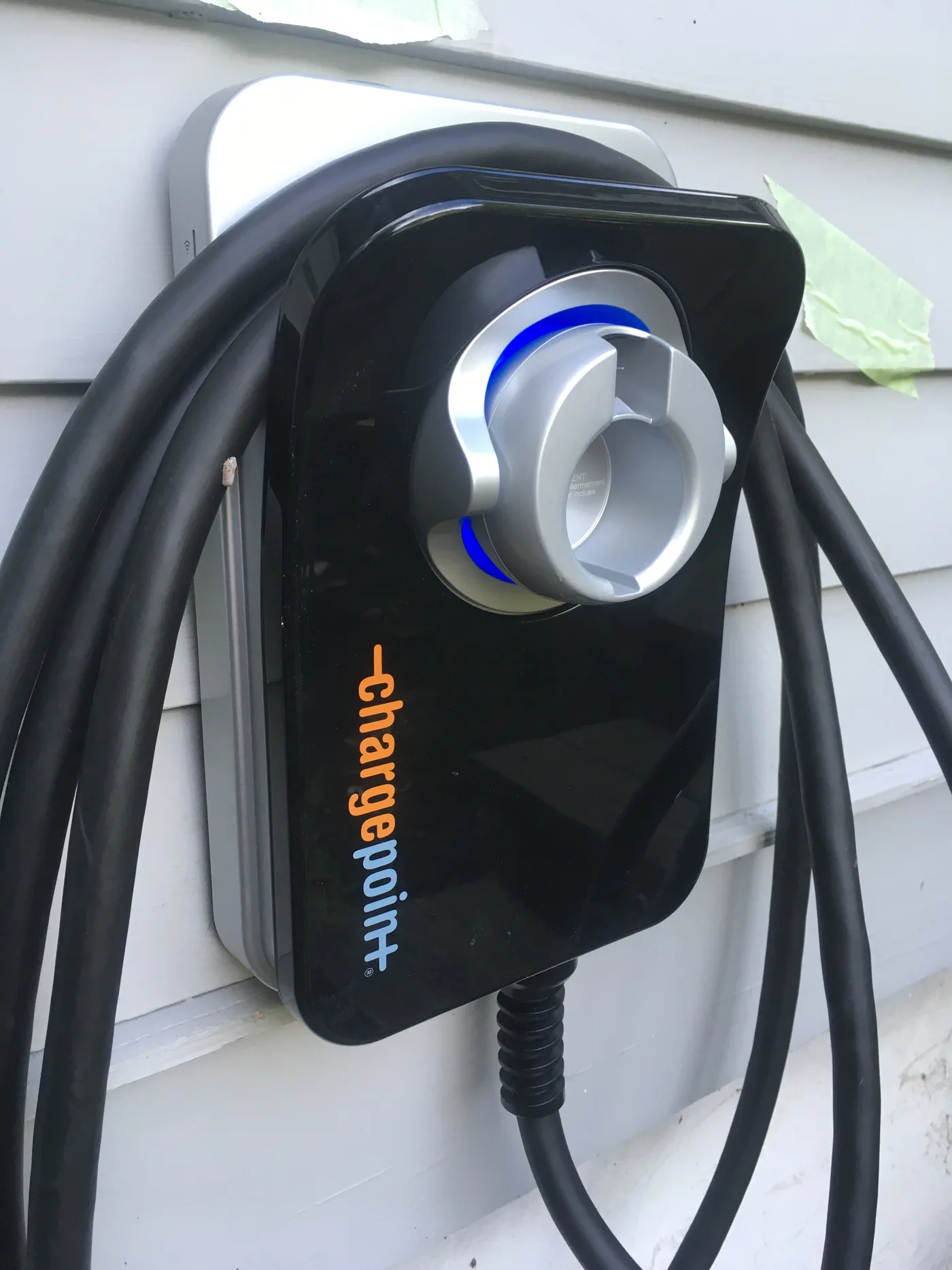
Home EV Charging: Installation and Safety
Plan a home electric-vehicle charger with a load calculation, permits, utility review, qualified installation, safe cable management, and complete records.

Home
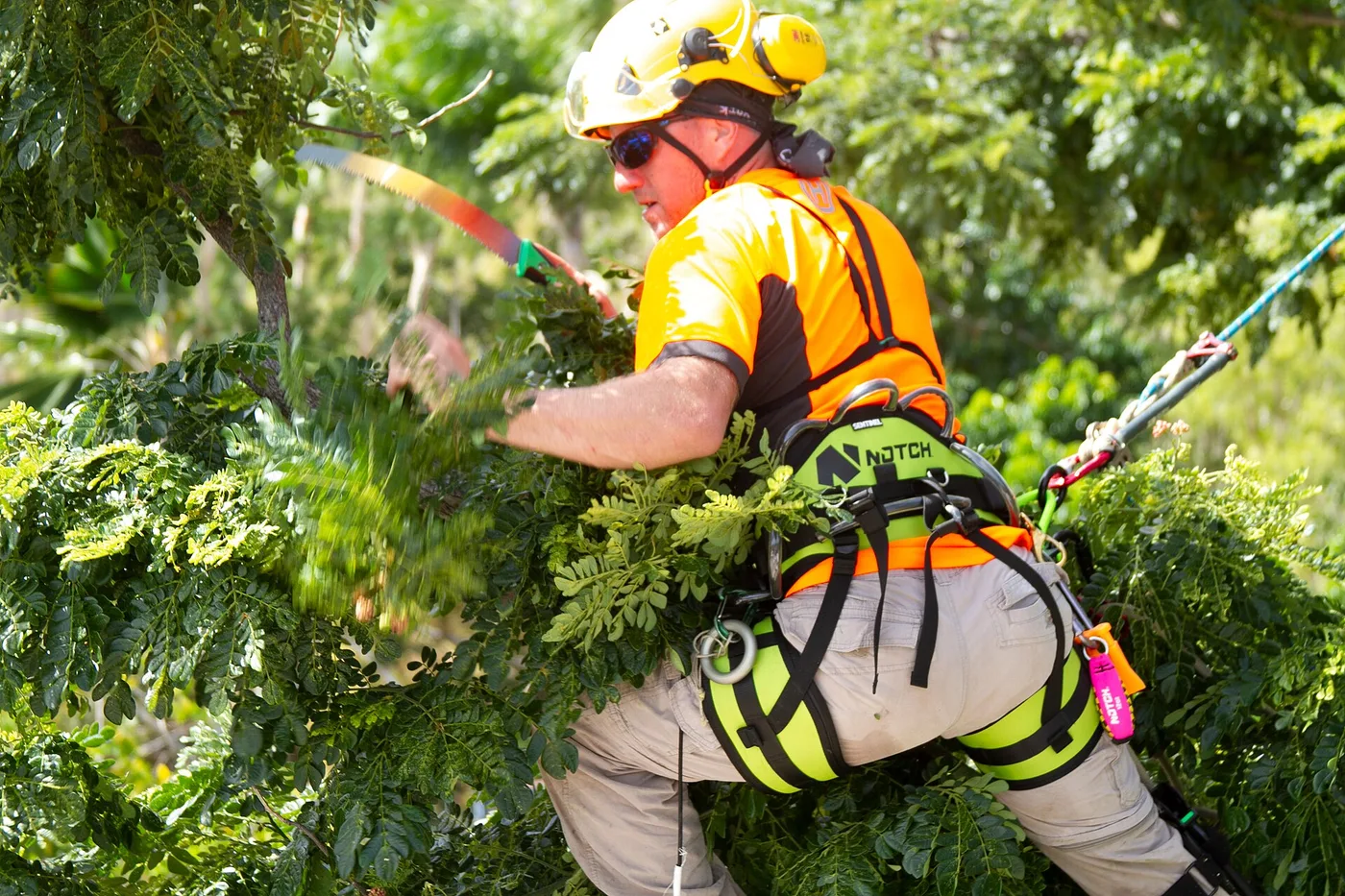
Mature Tree Risk: An Arborist Review for the Property
Manage mature trees with a mapped inventory, credentialed risk assessment, storm and construction controls, documented work, and a practical inspection cycle.