Septic System Inspection and Maintenance
Manage a septic system with permit records, qualified inspection, evidence-based pumping, drainfield protection, failure response, and a clear maintenance log.
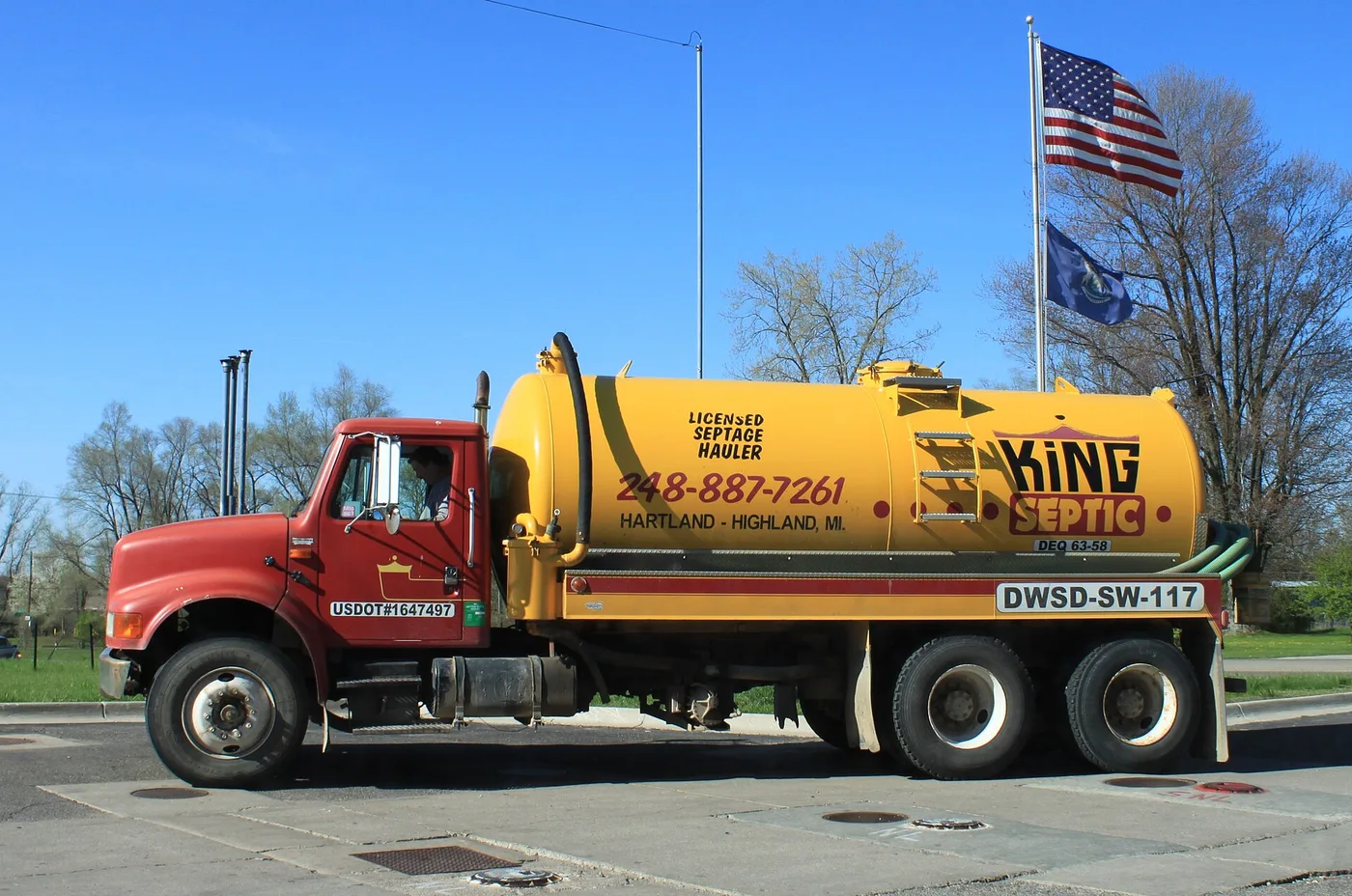
A septic system is a small wastewater utility buried on private property. Its tank, piping, distribution components, drainfield, pumps, alarms, and soil treatment area need records and maintenance even when every drain appears normal.
The U.S. Environmental Protection Agency says the system owner is responsible for operation, maintenance, repair, and replacement. EPA generally recommends inspection every one to three years and pumping every three to five years, while noting that actual frequency depends on the system, tank size, occupants, water use, solids, and local rules. Advanced systems with pumps, controls, or treatment components may need more frequent service.
A calendar reminder is useful, but the permit, design, inspection findings, measured solids, and local requirements should drive the maintenance decision.
Prove what system serves the property
Obtain the septic permit, approved design, as-built drawing, installation and repair records, inspection reports, pump receipts, maintenance contract, manufacturer manuals, monitoring reports, and property survey. The local health or environmental department may hold records even when the seller or estate does not.
Identify the tank or tanks, risers, inlet and outlet, effluent filter, pump chamber, distribution box, drainfield, reserve area, electrical controls, alarm, and discharge or sampling points for any advanced system. Do not open or enter a septic tank yourself. Toxic gases, low oxygen, unstable covers, sewage exposure, and fall hazards can kill.
Mark components on a durable site plan with fixed reference points. A large property may have separate systems for the main house, guest house, pool facilities, staff quarters, or outbuildings. Confirm which fixtures feed which system rather than assuming proximity proves the connection.
Record the permitted bedroom or design flow, system type, tank capacity, installation date, installer, service providers, and permit conditions only from reliable documents or professional findings. Occupancy or additions beyond the approved design may require agency review.
Use the local authority and qualified professionals
Septic requirements are primarily state, tribal, and local. Ask the permitting authority which licenses, inspection intervals, operating permits, sampling, service contracts, reporting, transfer inspections, and repair approvals apply. Waterfront, flood-prone, high-groundwater, environmentally sensitive, or difficult-soil properties may have additional conditions.
Verify the inspector’s and pumper’s credentials, insurance, and disposal authorization. Inspection, pumping, design, soil evaluation, installation, and repair may require different qualifications. A company that pumps tanks is not automatically authorized to redesign a failing drainfield.
The written scope should state which tanks and components will be opened, whether sludge and scum will be measured, whether the tank will be pumped, how the structure and baffles will be viewed, how pumps and alarms will be tested, whether piping or the distribution box will be examined, and how the drainfield will be assessed.
Know what a thorough inspection can include
EPA describes a typical inspection as a review of permits and maintenance records plus direct evaluation of the system. Depending on system and local practice, the professional may:
- open and inspect the septic tank, pump tank, and distribution box;
- measure sludge and scum and determine whether pumping is needed;
- inspect the effluent filter;
- look for low liquid level, leakage, corrosion, cracks, and damaged baffles;
- look for staining or other evidence of backup;
- test pumps, floats, alarms, controls, and visible electrical components;
- evaluate distribution and drainfield conditions;
- use a camera or additional investigation when indicated;
- compare operation with permit, monitoring, and maintenance requirements.
Ask the inspector to distinguish what was directly observed, what was tested, what could not be accessed, and what requires further investigation. A short form that says only “functional” may not document enough for a high-value property or future dispute.
If inspection occurs during a real-estate transaction, clarify whether local law requires a particular protocol and who receives the report. Do not ask a contractor to conceal defects or describe a recently pumped tank as proof that the entire system works.
Pump based on system need and rules
Routine pumping removes accumulated solids before they migrate and damage the drainfield. The service provider should locate the correct access, protect the site, open the tank safely, remove contents using lawful practices, inspect visible condition, replace secure lids, and provide a written disposal and service record.
Ask the pumper to record tank capacity, access points, measured solids if taken, volume removed, condition observations, filter service, abnormalities, and recommended next service date with the reason. Keep the manifest or receipt required by local law.
Do not accept the idea that an additive eliminates inspection or pumping. EPA says commercial biological and enzyme additives are not necessary for a properly functioning domestic system and cautions that some additives can impair performance or threaten soil and groundwater. Follow local rules and system-manufacturer instructions.
Protect the drainfield every day
Divert roof, foundation, sump, and surface drainage away from the septic system as the approved design requires. Excess water can overload treatment and saturate the soil. Spread laundry and other large water uses through the week rather than creating unnecessary peaks.
Keep vehicles, heavy equipment, structures, paving, pools, storage, and deep-rooted plantings off the tank, drainfield, and reserve area unless a qualified designer and permitting authority approve otherwise. Compaction, crushed piping, blocked evaporation, root intrusion, and loss of repair space can be expensive consequences.
Flush only human waste and toilet paper. Keep wipes, hygiene products, diapers, cat litter, dental floss, grease, food solids, solvents, paints, pesticides, medications, and other inappropriate material out of the system. A label that says “flushable” does not establish that it is suitable for the septic system.
Provide plain operating rules to guests, staff, tenants, and household service providers. Record maintenance for garbage disposals, water softeners, hot tubs, commercial kitchens, and specialty equipment that may affect hydraulic or chemical loading.
Coordinate the well and septic records
Many rural properties have both a private well and septic system. Keep their maps and service records together while preserving separate professional responsibilities. Know the approved separation distances and do not move, enlarge, or replace either system without permits.
Test private well water under current health-department guidance and the plan in Private Well Water: A Testing and Treatment Plan. A passing water test does not prove the septic system is sound, and a normal septic inspection does not replace water testing.
After flooding, wildfire, soil movement, construction, or a major plumbing leak, ask the local authority and qualified professionals what inspection, sampling, or temporary restrictions are needed. Do not pump a tank during saturated or flooded conditions without professional direction, since external pressure and buoyancy can damage it.
Recognize failure signs
Slow drains, gurgling, sewage odor, backups, unusually green or wet drainfield areas, surfacing wastewater, alarms, or standing water require prompt attention. Keep people and animals away from exposed sewage. Reduce water use, avoid the area, and call the local health authority and qualified septic professional.
Do not enter the tank, open electrical controls, drive over the drainfield, or attempt to clear a suspected blockage with hazardous chemicals. If sewage enters the home, protect occupants from electrical and biological hazards and use appropriate remediation professionals.
A repair proposal should identify the diagnosed failure, interim safety steps, permits, design basis, alternatives, soil or site work, effect on wells and neighboring property, construction access, restoration, testing, and future maintenance. Obtain agency approval before work begins unless emergency rules direct otherwise.
Keep a system log that survives ownership changes
For every visit, record date, provider, credentials, components accessed, measurements, observations, work performed, waste disposition, samples, alarm tests, photographs, invoice, permit activity, and next required action. Keep changes to landscaping, drainage, buildings, occupancy, plumbing, and water use in the same file.
Add the septic diagram to the emergency and property-management records described in Rural and Remote Property Considerations. Make sure another responsible person can silence an alarm only as instructed, reach the service provider, and prevent anyone from driving over the system.
A well-managed septic system is mostly invisible because its design limits, daily use, inspections, pumping, repairs, and records are handled before a backup or failed drainfield makes the problem unavoidable.
This article provides general property-management information. It is not wastewater-design, engineering, public-health, environmental, insurance, or legal advice. Follow current local permits, regulations, manufacturer instructions, and qualified-professional guidance.
Primary sources
This article provides general education, not individualized legal, tax, investment, insurance, or benefits advice. Rules and deadlines change; verify the current requirement with the agency and a qualified professional.
More from Home
The desk →
Home
Home Backup Power: Generator Safety and Readiness
Plan safe backup power by defining essential loads, using qualified installation, preventing carbon monoxide exposure, storing fuel safely, and testing outage procedures.
Home
Home EV Charging: Installation and Safety
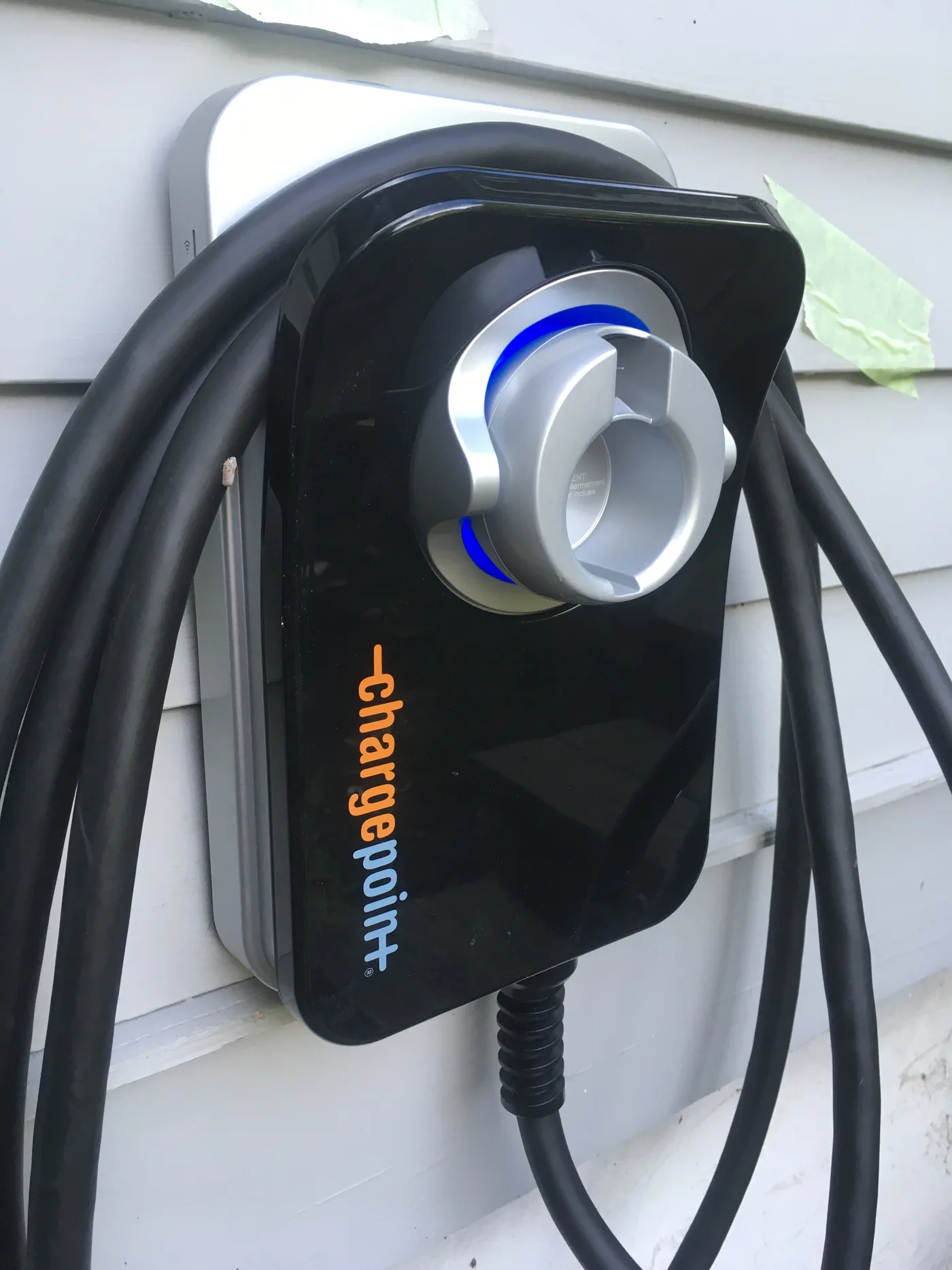
Plan a home electric-vehicle charger with a load calculation, permits, utility review, qualified installation, safe cable management, and complete records.


Home
Mature Tree Risk: An Arborist Review for the Property
Manage mature trees with a mapped inventory, credentialed risk assessment, storm and construction controls, documented work, and a practical inspection cycle.