Home
A Property Where Services Are Distant
A rural home that worked for two people, one of whom drove, can become isolating and expensive for one.

Some decisions after a death are reversible. This one deserves more care than most. A rural home that worked for two people, one of whom drove, can become isolating and expensive for one.
Rural properties are frequently chosen jointly and depend on shared capability. Maintenance, transport, healthcare access, and emergency response all become materially harder for one person.
The viability of a remote property usually rests on driving, and that is the assumption most likely to change.
Separate the label from the decision
A short set of facts governs this, and they are worth holding on to when the surrounding pressure is not. Access to healthcare, shops, and services depends heavily on driving in most rural settings. Emergency response times are typically longer, which matters more for a person living alone. Maintenance of land and outbuildings is substantial and frequently was shared.
Insurance and utility costs can be materially higher, and some services, including certain broadband and care providers, may simply not operate in the area. Local aging services can advise on transport and support that may exist unadvertised.
A working sequence for this decision
This order is designed to keep your choices open for as long as possible.
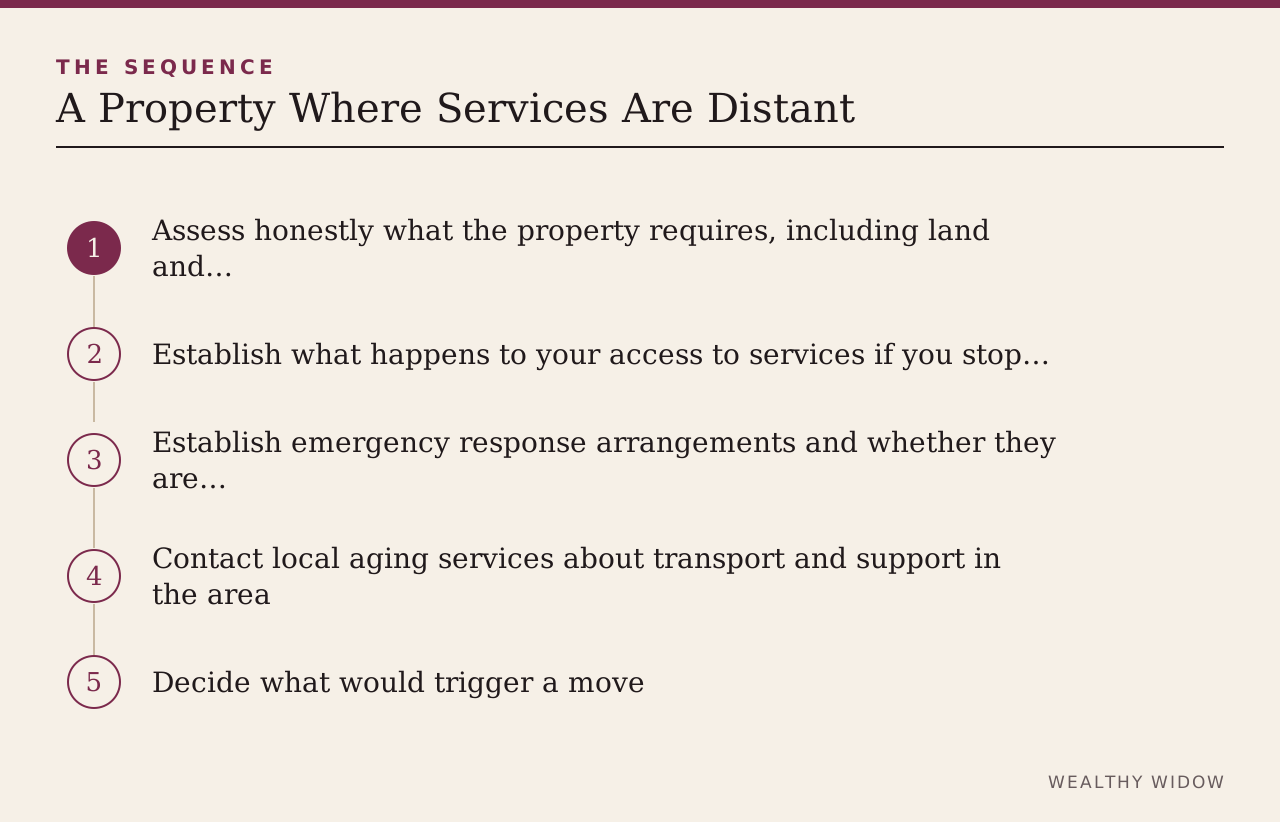
- Assess honestly what the property requires, including land and outbuildings.
- Establish what happens to your access to services if you stop driving.
- Establish emergency response arrangements and whether they are adequate.
- Contact local aging services about transport and support in the area.
- Decide what would trigger a move, and write it down before it happens.
The predictable errors
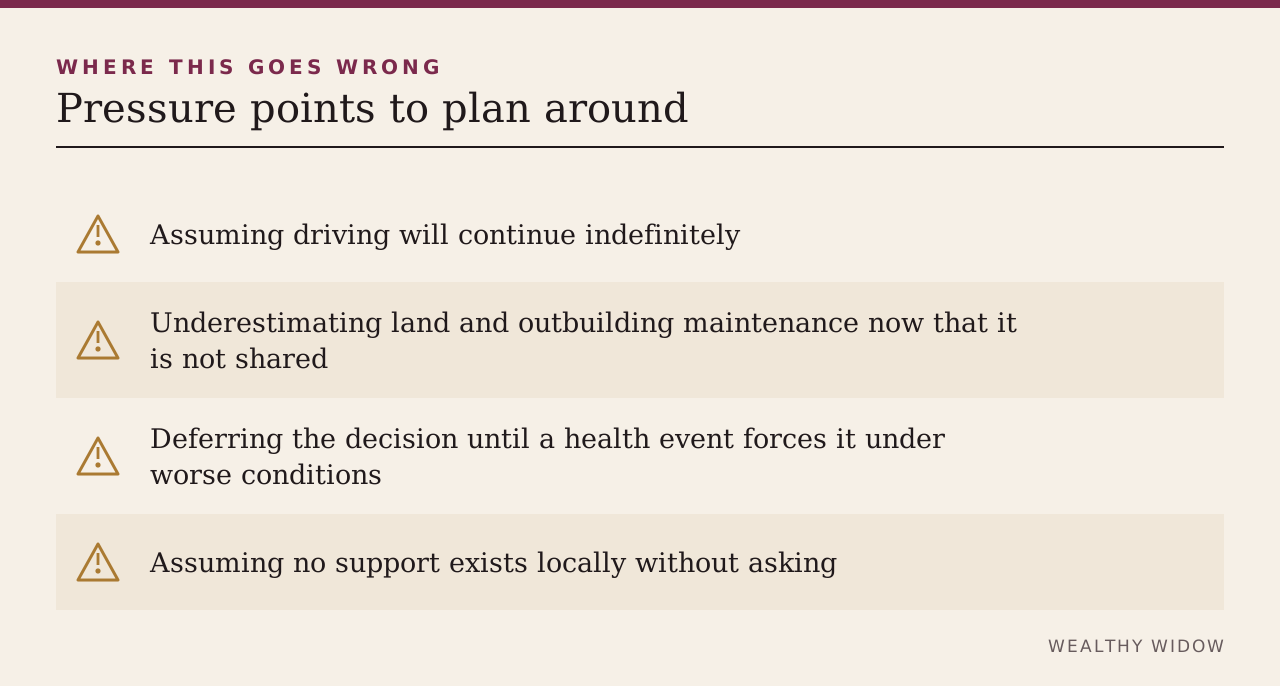
The problems below recur often enough to be planned for. Assuming driving will continue indefinitely, which is the central assumption.
Underestimating land and outbuilding maintenance now that it is not shared. Deferring the decision until a health event forces it under worse conditions. Assuming no support exists locally without asking.
What every organisation will ask for
Each item below will be requested more than once. Collect them in one place and log where each copy goes.
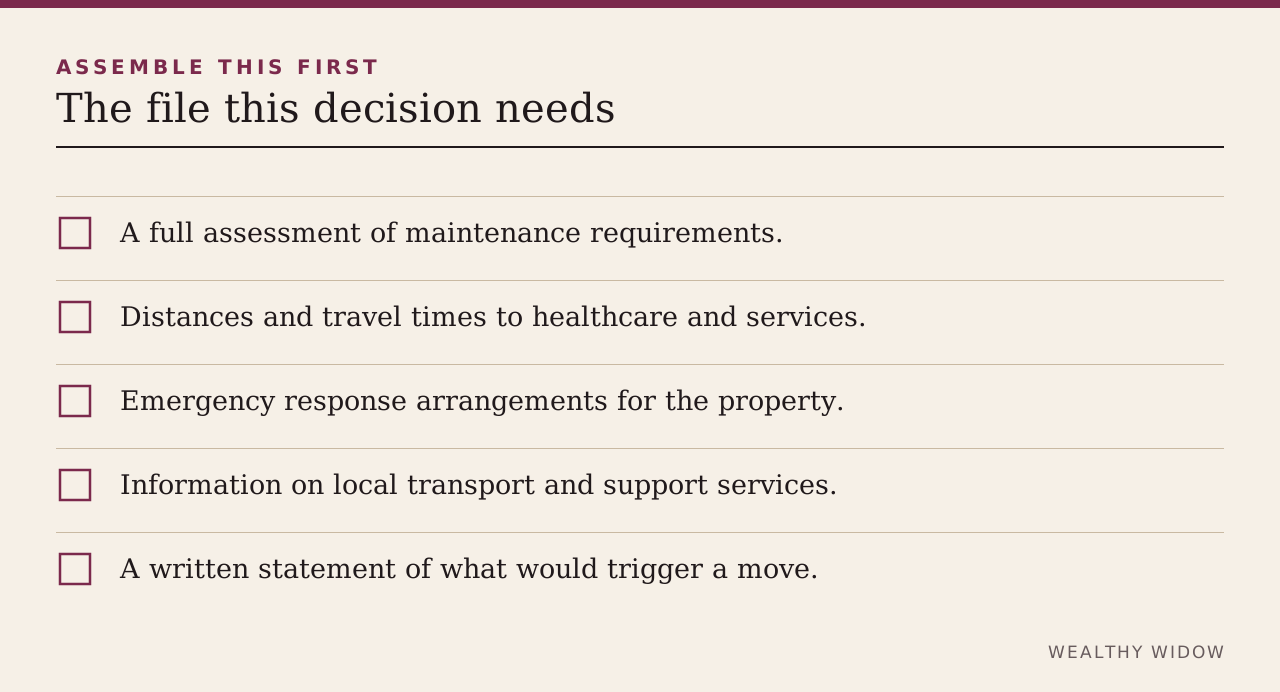
- A full assessment of maintenance requirements.
- Distances and travel times to healthcare and services.
- Emergency response arrangements for the property.
- Information on local transport and support services.
- A written statement of what would trigger a move.
Nothing here on a verbal answer
None of the following should rest on a phone call alone, however clear the call felt at the time.
- What support and transport exist locally.
- What emergency response is realistically available.
- The full cost of maintaining the property alone.
- What your plan is if driving becomes difficult.
The questions that change the answer
A competent professional answers each of these without hesitation.
- What transport and support services operate in this area?
- What is the realistic emergency response time here?
- What would this property cost to maintain if I employed help?
- What do people in this area do when they stop driving?
Where to verify this
Every load-bearing point above traces to one of the following. Where a figure or deadline matters to you, read it there.
- Administration for Community Living — Eldercare Locator
- Administration for Community Living — Finding local services
- Administration for Community Living — Long-term care resources
- National Association of Insurance Commissioners — Consumer resources
What a professional still has to decide
The limits of a guide matter as much as its content, because acting past them is where the cost sits. It cannot assess your property or your area, and local aging services will know what exists far better than any general account.
What good looks like here
Test the plan against the loss of driving, since that is the assumption everything else rests on. Deciding the trigger in advance is far better than having a health event decide it for you.
For the step that usually comes next, read Checking That the Record Says What You Think It Says.
Primary sources
- Administration for Community Living — Eldercare Locator
- Administration for Community Living — Finding local services
- Administration for Community Living — Long-term care resources
- National Association of Insurance Commissioners — Consumer resources
This article provides general education, not individualized legal, tax, investment, insurance, or benefits advice. Rules and deadlines change; verify the current requirement with the agency and a qualified professional.