Residential Elevator Safety: Inspection and Service
Build a residential elevator safety plan around identification, qualified inspection, recalls, door gaps, emergency communication, service records, and guest rules.
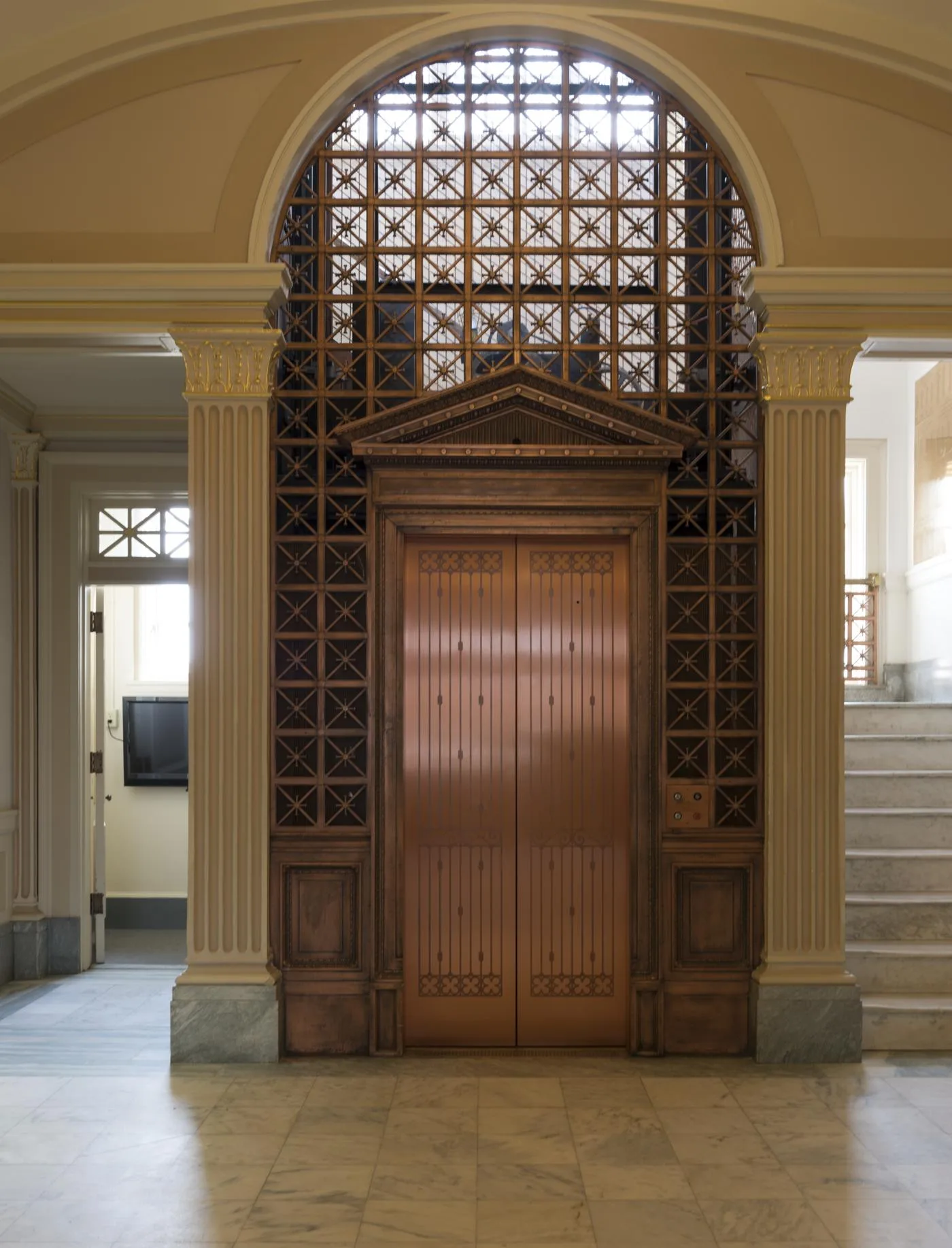
A residential elevator can make a multistory home accessible, but it is not ordinary furniture. It is a moving system with a hoistway, landing doors, locks, electrical controls, emergency communication, and components that may have changed since installation. A polished cab does not show whether the landing-door interlocks work, whether a recall applies, or whether a child can fit into a hazardous gap.
The U.S. Consumer Product Safety Commission has warned about children becoming trapped in the space between a home elevator’s exterior landing door and interior car door. The agency advises owners to have a qualified elevator inspector examine that space and other safety features. Recent recalls also show why the exact manufacturer, model, and component history matter.
Treat the elevator as a maintained safety system: identify it, inspect it, document it, and rehearse what happens when it does not move.
Build an equipment identity file
Start with facts, not assumptions. Photograph the data plates inside the controller cabinet only if they are visible without opening protected equipment. Record the elevator manufacturer, installer, model, serial number, year installed, controller model, drive type, door and gate arrangement, rated capacity, and service company. Include any separate manufacturer information for locks, interlocks, gates, or door operators.
Do not enter a hoistway, bypass a lock, open an electrical enclosure, or remove a panel to find a label. Ask a qualified elevator professional to identify anything inaccessible.
Gather the permit, certificate, inspection reports, invoices, warranty, owner’s manual, alteration records, and prior recall repairs. If the home was purchased with little documentation, ask the local building or elevator authority what records it maintains. Requirements differ by state and locality, so a service company’s routine visit may not be the same as a government-required inspection.
Search the CPSC recall database using every known manufacturer and model name, including component brands. A recall may involve a door-locking device rather than the elevator’s better-known brand. Save the search date and result in the equipment file. Repeat the search at least annually and whenever the service company identifies a changed or replacement component.
Commission a qualified safety inspection
Ask the inspector to define the scope in writing. A useful inspection should address more than whether the car travels between floors. It should examine the conditions relevant to the particular installation, including:
- landing doors, cab doors or gates, locks, and interlocks;
- the space between the landing door and the car door or gate;
- leveling at each landing and unintended movement;
- stopping devices, alarms, emergency lighting, and communication;
- operating controls, door reopening devices, and accessibility features;
- pit, hoistway, machine-space, and electrical conditions that the inspector is qualified and authorized to assess;
- signs of water, corrosion, damage, alteration, or deferred maintenance;
- the applicable code edition, local requirements, open permits, and recall remedies;
- whether the elevator should remain in service while any issue is corrected.
Ask who employs the inspector and whether that person is independent of the company proposing repairs. Independence is especially useful after buying a house, before resuming a long-idle system, after a flood or electrical event, and before a major modernization. Request a report that distinguishes immediate hazards, required corrections, recommended maintenance, and optional upgrades.
The CPSC’s child-entrapment guidance points owners toward qualified inspection and safety measures such as space guards or electronic monitoring devices where a dangerous gap exists. The right remedy depends on the equipment and current requirements. Do not improvise a filler panel or defeat a door mechanism.
Make the service agreement auditable
Compare service proposals by covered work rather than visit frequency alone. The agreement should identify the elevator, normal service hours, response time, preventive-maintenance tasks, testing, excluded parts, after-hours charges, recordkeeping, and the process for safety shutdowns. Confirm licensing, insurance, and the technician’s experience with the installed equipment.
Create a service log with these fields:
| Field | What to record |
|---|---|
| Date and technician | Who attended and under which company |
| Reason | Scheduled maintenance, fault, inspection, recall, or alteration |
| Observations | Symptoms and measured or observed conditions |
| Work performed | Parts, adjustments, tests, and software or controller changes |
| Safety status | Returned to service, restricted, or locked out |
| Follow-up | Owner action, permit, inspection, part order, and due date |
Retain photographs and invoices with the log. If a technician says a condition is safe, ask for that conclusion and its basis in the written ticket. If equipment is taken out of service, only the authorized professional should determine how it is secured and returned to use.
This documentation also helps with hiring contractors safely, insurance questions, a future sale, and continuity when service companies change.
Test the emergency chain
An alarm button that makes noise inside an empty house is not the same as a working rescue plan. With the service provider’s instructions and without creating an entrapment, verify the emergency communication path and identify who answers. Confirm the address, unit location, access instructions, emergency contacts, and whether communication continues during a power or internet outage.
Post concise instructions in the cab and near the main floor. Residents and guests should know:
- how to call for help;
- never to force doors or attempt to climb out;
- that only trained responders should perform a release;
- where the home’s elevator information and service number are kept;
- whom to call if the elevator behaves unusually.
Coordinate the elevator plan with the household’s broader emergency preparedness plan. Consider a person who uses a wheelchair, has limited stamina, is hard of hearing, cannot reach a low control, or may become anxious while waiting. A household backup plan should not depend on the elevator during fire, power loss, flooding, or a service shutdown.
Set rules for daily use
Small operating rules prevent many avoidable problems. Keep door tracks and thresholds clear. Do not exceed the marked capacity. Do not transport water, loose rugs, unstable carts, or oversized furniture without the service company’s guidance. Report leveling errors, scraping, unusual sounds, burning odors, intermittent doors, unexpected stops, or water immediately.
Children should not use a residential elevator unsupervised. Guests, cleaners, caregivers, pet sitters, and short-term renters need simple instructions. Keep access to machine spaces, controller cabinets, and the hoistway restricted. Never use the elevator during a fire unless the equipment and emergency plan expressly support that use.
If a landing door opens without the car present, a lock behaves inconsistently, the car moves with a door open, or anyone can access the hazardous space between doors, stop using the elevator and contact a qualified professional. Do not test a suspected fault repeatedly.
Reassess after a change
Schedule a new review after a property transfer, modernization, long shutdown, storm, flood, construction project, collision, electrical surge, or change in household mobility. Ask whether the work needs a permit or follow-up inspection. Confirm that changed components are added to the identity file and recall searches.
For a home sale, give the next owner the manuals, service log, inspection records, recall documentation, and current provider information. Do not describe a system as “up to code” or “fully safe” unless a qualified person has supplied a current basis for that statement.
A residential elevator safety plan is not complicated once it is organized. The durable version has five parts: exact equipment identity, qualified inspection, documented maintenance, current recall review, and a household emergency procedure that works when the elevator does not.
This article provides general home-safety information, not engineering, legal, code, or emergency-response advice. Elevator requirements and inspection authority vary by jurisdiction. Use qualified local professionals and follow manufacturer, regulator, fire-service, and recall instructions for the specific installation.
Primary sources
- CPSC: Protect Children from a Deadly Gap between Doors of Home Elevators
- CPSC: Residential Elevator Recalls in 2021 and 2022
- CPSC: Elevator StrikeLock Recall
- CPSC: SUNS Residential Elevator Interlock Switch Recall
This article provides general education, not individualized legal, tax, investment, insurance, or benefits advice. Rules and deadlines change; verify the current requirement with the agency and a qualified professional.
More from Home
The desk →
Home
Home Backup Power: Generator Safety and Readiness
Plan safe backup power by defining essential loads, using qualified installation, preventing carbon monoxide exposure, storing fuel safely, and testing outage procedures.
Home
Home EV Charging: Installation and Safety
Plan a home electric-vehicle charger with a load calculation, permits, utility review, qualified installation, safe cable management, and complete records.

Home
Mature Tree Risk: An Arborist Review for the Property
Manage mature trees with a mapped inventory, credentialed risk assessment, storm and construction controls, documented work, and a practical inspection cycle.