Hiring a Personal Property Appraiser: A Scope Letter
Hire a personal-property appraiser by defining the intended use, effective date, value standard, qualifications, conflicts, inspection scope, report format, and records.
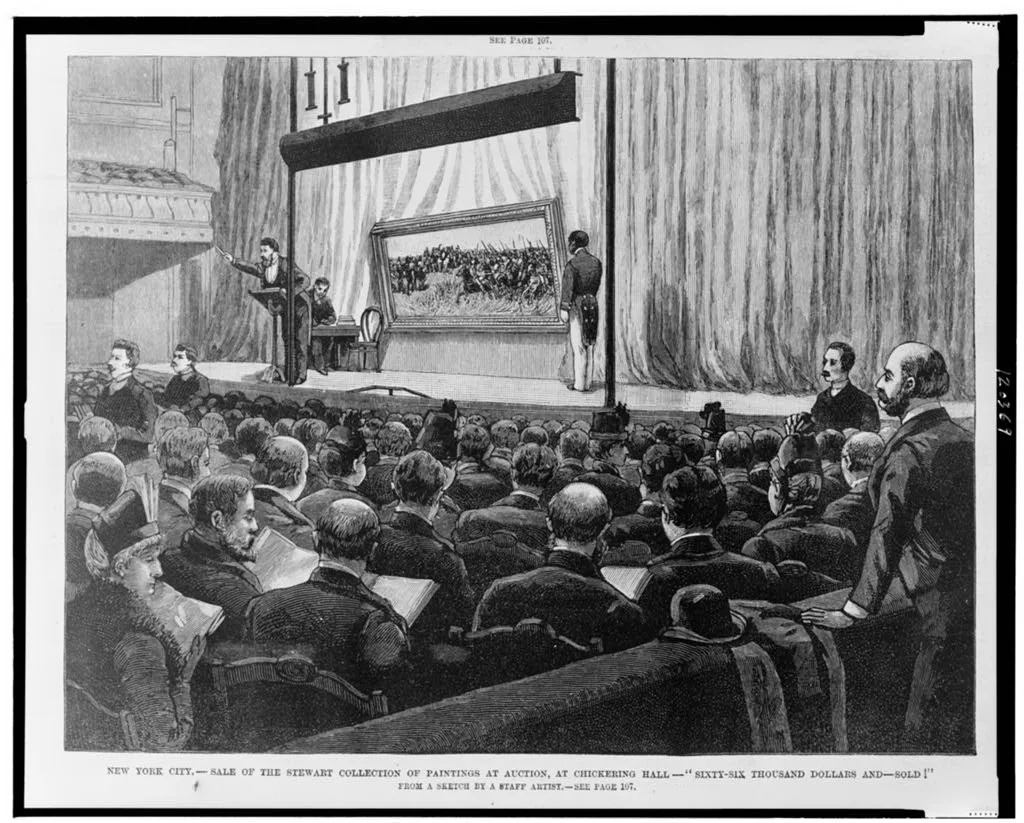
An appraisal is an opinion developed for a defined assignment, not a permanent price tag. The same painting may require a fair market value opinion for an estate, a replacement value for insurance, a charitable-contribution appraisal, or an estimate for a potential sale. Those purposes can use different assumptions, markets, dates, research, and report requirements.
That is why the first step in hiring a personal-property appraiser is not asking, “What is this worth?” It is writing down who needs the opinion, why they need it, and what decision the report must support.
A defensible appraisal begins with a precise scope: intended use, intended users, effective date, property, value definition, research, inspection, and report form.
Define the assignment before requesting a fee
Prepare a one-page scope note. It should identify:
- the property or collection to be appraised;
- the owner and physical location;
- the intended use, such as insurance scheduling, estate administration, equitable distribution, charitable donation, damage claim, or sale planning;
- the intended users of the report;
- the effective date of value;
- the required type or definition of value;
- any deadline, filing, court, insurer, fiduciary, or donor requirements;
- whether an on-site inspection is expected;
- known provenance, prior appraisals, purchase records, condition reports, or restrictions;
- any parties whose involvement could create a conflict.
Do not choose the value definition casually. Insurance replacement value is not automatically fair market value. An auction estimate is not automatically an appraisal. A dealer’s purchase offer includes that dealer’s commercial position and is not the same as an independent opinion prepared for a client.
If the report will support a federal charitable-contribution deduction, start with a tax professional and the current IRS requirements. IRS Publication 561 describes qualified appraisals and qualified appraisers, and it explains that timing, content, credentials, and independence matter. Thresholds and filing rules can change, so confirm the requirements for the contribution year before the appraisal is commissioned.
Match expertise to the property
“Personal property” covers radically different specialties: fine art, jewelry, furniture, books, manuscripts, wine, automobiles, decorative arts, household contents, musical instruments, and other tangible objects. A strong appraiser in one specialty may not be qualified in another.
Ask each candidate for relevant education, appraisal training, specialty experience, recent comparable assignments, professional affiliations, and continuing education. The Appraisal Foundation notes that no law generally requires a credential simply to practice personal-property appraisal and that the Foundation itself does not credential appraisers. A membership logo therefore needs explanation: which organization issued it, what education and testing were required, whether the designation is current, and whether the person is qualified for this particular property and assignment.
Ask whether the appraiser follows the current Uniform Standards of Professional Appraisal Practice, commonly called USPAP, and which standards apply to the engagement. The Appraisal Foundation describes USPAP as generally recognized ethical and performance standards for the appraisal profession. Whether compliance is required in a particular assignment may depend on law, regulation, contract, organizational rules, or the appraiser’s commitments. Put the agreed standard in the engagement letter.
For a mixed collection, one lead appraiser may need specialists. Require disclosure of significant assistance, including who inspected, researched, authenticated, tested, or valued each class of property.
Screen for independence and conflicts
Ask how the appraiser is paid. A professional fee may be hourly, daily, per item, or a fixed project amount. Avoid a fee contingent on the appraised value, the tax result, the insurance settlement, or whether a sale occurs. The engagement should also disclose any ownership interest, brokerage role, dealer relationship, referral payment, or plan to buy the property.
An appraiser can sometimes provide other services, but roles should not blur. If the same person may later broker or purchase an item, obtain written disclosure and consider separate professionals. For estate or trust property, fiduciaries should document why the selected appraiser is qualified and independent enough for the intended use.
Ask for proof of business insurance appropriate to the work, secure handling practices, and policies for confidential information. If objects will leave the property, document custody, packing, transport, storage, insurance, and return. High-value objects generally should not move merely because an appraisal is being performed.
Agree on inspection and research
The engagement letter should say which objects will be physically inspected, which will be appraised from records or photographs, and which will be excluded. It should explain how groups, sets, pairs, and household lots will be treated. If condition, authenticity, attribution, or provenance is uncertain, specify whether a conservator, laboratory, catalogue raisonne, archive, foundation, or other specialist must be consulted.
An appraiser is not automatically an authenticator or conservator. The report should identify assumptions and limiting conditions instead of silently treating uncertainty as fact. If ownership history is incomplete, preserve that gap. If a prior label or family story is unverified, record it as attributed information, not established provenance.
Prepare the objects without over-cleaning or repairing them. Assemble invoices, old appraisals, photographs, exhibition records, correspondence, certificates, maker’s marks, serial numbers, and conservation reports. Keep copies and provide an index of what was supplied. For a collection assembled over time, an organized art and collectibles inventory can reduce duplicated work and make omissions easier to detect.
Specify what the report must contain
Before work begins, request a sample report with confidential details removed. A useful final report usually includes:
- client, intended users, and intended use;
- effective date and report date;
- definition and source of the value standard;
- scope of work and inspection details;
- item descriptions, identifying marks, measurements, medium or materials, condition, and photographs as appropriate;
- provenance and documentation considered, with uncertainty identified;
- market analysis and comparable data sufficient to understand the reasoning;
- assumptions, limiting conditions, extraordinary assumptions, and exclusions;
- value conclusion and any allocation among objects or groups;
- appraiser qualifications, signed certification, and disclosure of significant assistance.
The amount of detail should fit the intended use. A household contents inventory for internal planning may not require the same report as a tax filing or litigated estate. But a short report should not become vague about what was valued or how.
Clarify whether the fee includes discussions with the insurer, attorney, accountant, donor organization, executor, or court; responses to review questions; corrections; updates; testimony; travel; photography; databases; and specialist fees. State how long the appraiser retains the workfile and how the client can obtain a replacement report.
Review without pressuring the conclusion
When the draft arrives, check names, dates, object descriptions, photographs, serial numbers, calculations, intended use, and omissions. Ask questions about unclear reasoning or comparable selection. Supply missing facts promptly. Do not ask the appraiser to “hit” a desired number.
If another professional disputes the report, request a written explanation tied to the assignment and market evidence. A materially different conclusion may result from a different effective date, value definition, market, condition assumption, attribution, or scope. Compare those inputs before deciding that one number is wrong.
Store the final signed report with the engagement letter, invoice, supplied-document index, correspondence, and any tax, insurance, estate, or sale record it supports. Limit distribution because reports may contain household locations, security-sensitive photographs, and financial information. Coordinate the report with your heirloom and photograph care records so identity and condition evidence stay connected.
Know when a new appraisal is needed
A prior report may become unsuitable after a market change, damage, restoration, reattribution, new provenance, change in ownership, or change in intended use. An appraisal prepared for insurance five years ago should not be relabeled as a current estate-tax opinion. Ask the appraiser whether an update, restricted assignment, or entirely new appraisal is appropriate.
The best engagement is easy for another professional to audit. It shows why the appraiser was selected, exactly what assignment was accepted, what evidence was considered, what uncertainty remains, and how the conclusion relates to the intended decision.
This article provides general educational information, not legal, tax, insurance, fiduciary, or appraisal advice. Requirements vary by purpose, jurisdiction, organization, and tax year. Consult qualified professionals about the specific assignment before relying on an appraisal.
Primary sources
- IRS Publication 561: Determining the Value of Donated Property
- The Appraisal Foundation: Personal Property Appraisal
- The Appraisal Foundation: Uniform Standards of Professional Appraisal Practice
This article provides general education, not individualized legal, tax, investment, insurance, or benefits advice. Rules and deadlines change; verify the current requirement with the agency and a qualified professional.
More from Estate
The desk →
Estate
Jewelry Inventory: Insurance, Estate, and Appraisal Records
Build a jewelry inventory that connects photographs, identifying details, lab reports, appraisals, insurance coverage, ownership, condition, location, and estate instructions.

Estate
Before Moving Estate Assets, Build the Authority and Ownership Map
A source-led method for separating legal authority, account ownership, beneficiary transfers, estate cash, and records before assets are moved or distributed.

Estate
Estate Plan Review Checklist: What to Update and When
Use an annual administrative check and event-driven legal review to keep wills, trusts, powers, beneficiary forms, property, and digital instructions aligned.