Jewelry Inventory: Insurance, Estate, and Appraisal Records
Build a jewelry inventory that connects photographs, identifying details, lab reports, appraisals, insurance coverage, ownership, condition, location, and estate instructions.
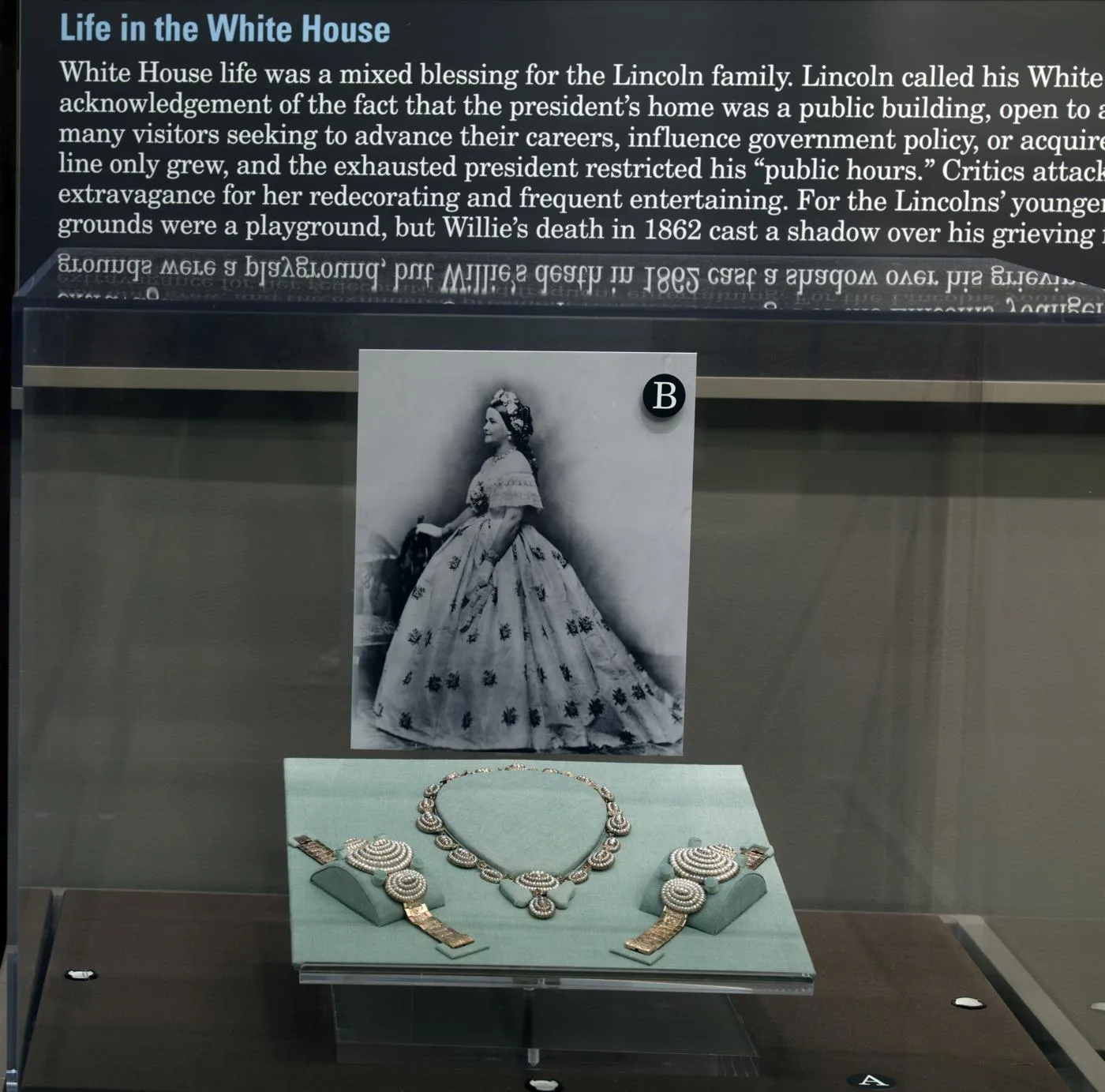
A jewelry box is not an inventory. Without item-level records, a family may know that a ring existed but be unable to identify its stone, prove ownership, distinguish it from a similar piece, support an insurance claim, or carry out an estate instruction. The record should make each piece recognizable to someone who has never seen it.
The same inventory can support several decisions, but its values should not be treated as interchangeable. Insurance replacement value, estate or gift-tax value, charitable-contribution fair market value, equitable-distribution value, and likely sale proceeds can differ because they answer different questions in different markets on different dates.
Identify the object first. Then connect its ownership, condition, appraisal purpose, insurance treatment, location, and instructions without confusing one value with another.
Give every piece a stable identity
Assign a unique inventory number that does not reveal the item’s value. Do not use a description such as “diamond ring” as the identifier. Record the number in the inventory, photographs, appraisals, repair tickets, insurance schedule, and any storage-location system.
For each item, capture:
- jewelry type and plain-language description;
- metal type, fineness marks, hallmarks, maker’s marks, and serial numbers;
- dimensions and total weight when known;
- gemstone identity, shape, measurements, estimated or measured weight, color, clarity, treatments, and setting details, but only from a qualified source;
- inscriptions, monograms, distinctive wear, repairs, and design features;
- maker, designer, period, provenance, and acquisition source;
- purchase date, invoice, payment record, and prior owner;
- current condition and date examined;
- laboratory report, appraisal, and insurance policy references;
- legal owner, intended recipient, and any trust or estate connection;
- current location recorded in a protected system.
Do not describe a stone as natural, untreated, or a particular species merely because a family member believed it. Record unverified information as family attribution. A gemological laboratory report, appraisal, sales receipt, and certificate of authenticity serve different functions. Keep each document and do not let one stand in for another.
GIA describes its jewelry report as including a photograph, metal-testing results, total item weight, markings, and an overall description. A laboratory report may document gemological findings, but it generally does not establish the item’s current insurance or fair market value. Ask exactly what the report covers.
Photograph for identification, not decoration
Use even light, a neutral background, accurate color, and a scale where useful. Make a full-object image and close views of the front, back, clasp, setting, hallmarks, inscriptions, serial number, damage, and unusual features. For a pair or set, photograph the pieces together and separately.
Place the inventory number in the frame without covering the object. Do not include an address, safe combination, key, or other location clue. Retain the original image files and record the date. A hand-held phone photograph is useful, but reflections and shallow focus can hide identifying details. Review every image at full size before returning the piece to storage.
Update photographs after resizing, resetting, repair, stone replacement, engraving, or other alteration. Preserve the prior condition record rather than overwriting it. If a stone is removed for work, document the handoff, report number, identifying characteristics, and return.
Separate the appraisal assignment from the object record
Before ordering an appraisal, state its intended use. GIA’s consumer guidance recommends discussing what you need before the appraiser documents and values the jewelry, and checking whether an insurer has its own requirements.
Ask the appraiser to identify the effective date, value definition, market, scope of inspection, testing performed, assumptions, limiting conditions, and qualifications. The report should describe the piece in enough detail to match it to the inventory and explain significant characteristics and condition. For a complex collection, select someone with jewelry-specific appraisal training and gemological competence appropriate to the material.
Keep the engagement letter and invoice with the report. Record whether stones were graded while mounted, whether weights are estimated, and whether treatments or origin opinions require laboratory testing. A report should say when a conclusion is limited by the setting or available evidence.
Our guide to hiring a personal-property appraiser provides a full scope-letter checklist. Use it rather than asking an appraiser to produce a number with no defined purpose.
Verify the insurance treatment in writing
The National Association of Insurance Commissioners warns that homeowners and renters policies may have a maximum combined limit for jewelry that is only a fraction of the collection’s value. Theft, mysterious disappearance, breakage, flood, travel, and other causes of loss may be treated differently. Do not rely on the policy’s overall personal-property limit.
Ask the insurer or broker to confirm:
- which pieces are specifically scheduled and by which inventory number;
- the value shown for each item and the valuation basis;
- covered causes of loss, locations, territories, and travel rules;
- deductibles, sublimits, exclusions, and security requirements;
- whether settlement is repair, replacement, agreed value, actual cash value, or another basis;
- whether the insurer can replace through a chosen vendor rather than pay the scheduled amount;
- appraisal age and update requirements;
- notice requirements after purchase, inheritance, alteration, sale, or loss;
- coverage while the piece is with an appraiser, jeweler, handler, auction house, or storage provider;
- documentation needed for a claim.
Compare the issued endorsement with the inventory. Verify descriptions, report numbers, ownership, and amounts. A proposal, appraisal, or email does not prove the final policy includes the piece.
Keep proof of insurance separate from the jewelry location. Review coverage after a major market change, acquisition, inheritance, gift, sale, repair, or change of residence. Coordinate high-value items with the broader high-value household insurance review.
Record ownership and estate instructions carefully
Possession is not always ownership. A piece may belong to a trust, estate, business, spouse, child, or other family member. It may be on loan, pledged, jointly owned, or subject to a marital agreement. Record the documentary basis without making a legal conclusion that the records do not support.
An inventory note saying “for Anna” may not transfer ownership or control the executor. Coordinate intended gifts with the will, trust, beneficiary plan, and applicable law. Ask the estate attorney how to describe the piece so the instruction remains clear even if it is reset or paired with another object.
If several beneficiaries may choose among pieces, establish the decision process, valuation date, appraisal method, equalization rules, and documentation before distribution. Photograph and receipt every transfer. Do not remove jewelry from an estate merely for safekeeping without the authorized fiduciary’s knowledge and chain-of-custody record.
For an inherited piece, preserve the prior owner’s invoice, appraisal, photograph, repair history, laboratory report, and family story. Record which statements are documented and which are oral history. The story may be irreplaceable even when it does not affect market value.
Do not reuse an insurance value for tax reporting
IRS Publication 561 expressly distinguishes an insurance appraisal from fair market value for a charitable contribution. It explains that the insured value may reflect replacement cost rather than what a willing buyer and willing seller would agree upon on the contribution date. The publication also says gems and jewelry are sufficiently specialized that an appraisal by a specialized jewelry appraiser is almost always necessary for donation valuation.
Tax requirements depend on the transaction, value, date, and current rules. If jewelry will be donated, gifted, included in an estate filing, or sold with a gain or loss question, involve the tax professional and appropriate appraiser before the event. Do not backdate a report, relabel a replacement-value opinion, or assume a receipt establishes current fair market value.
Keep acquisition evidence because basis and reporting may depend on facts beyond the current appraisal. A valuation conclusion does not determine legal ownership, basis, or the tax result by itself.
Protect the inventory itself
The record can become a security map. Limit access, encrypt digital copies, use strong account security, and avoid filenames that broadcast a location. Maintain an off-site backup and a controlled paper summary for the fiduciary or trusted person who would need it after incapacity or death.
Separate the location code from public-facing photographs or appraisal copies. Record who received the inventory and when. When a jeweler, insurer, appraiser, auction house, or prospective buyer needs information, share only what serves that purpose and remove unrelated addresses, family instructions, and security details.
Audit the inventory at least annually. Reconcile every piece, check clasps and settings without attempting repairs, update condition photographs, confirm insurance, review appraisal dates, and record items worn, loaned, moved, gifted, sold, or inherited. If a piece cannot be located, investigate the record before assuming theft or filing a claim.
A useful jewelry inventory is precise enough for a stranger to identify the object and restrained enough not to invent facts. It protects the piece, but it also protects the decisions around it: insurance, care, tax work, sale, gift, and inheritance.
This article provides general U.S. educational information, not legal, tax, insurance, security, gemological, or appraisal advice. Coverage, valuation, ownership, and reporting depend on the documents, jurisdiction, purpose, and current rules. Consult qualified professionals for the specific collection.
Primary sources
- GIA: Jewelry Appraisal Guide
- GIA: Jewelry Reports and Services
- NAIC: Homeowners and Renters Insurance
- IRS Publication 561: Determining the Value of Donated Property
This article provides general education, not individualized legal, tax, investment, insurance, or benefits advice. Rules and deadlines change; verify the current requirement with the agency and a qualified professional.
More from Estate
The desk →
Estate
Hiring a Personal Property Appraiser: A Scope Letter
Hire a personal-property appraiser by defining the intended use, effective date, value standard, qualifications, conflicts, inspection scope, report format, and records.

Estate
Before Moving Estate Assets, Build the Authority and Ownership Map
A source-led method for separating legal authority, account ownership, beneficiary transfers, estate cash, and records before assets are moved or distributed.

Estate
Estate Plan Review Checklist: What to Update and When
Use an annual administrative check and event-driven legal review to keep wills, trusts, powers, beneficiary forms, property, and digital instructions aligned.