Residential Pool and Spa Safety: Layers That Work
Audit a residential pool or spa using isolation barriers, gates, covers, alarms, supervision, drain safety, rescue equipment, maintenance, and an emergency plan.
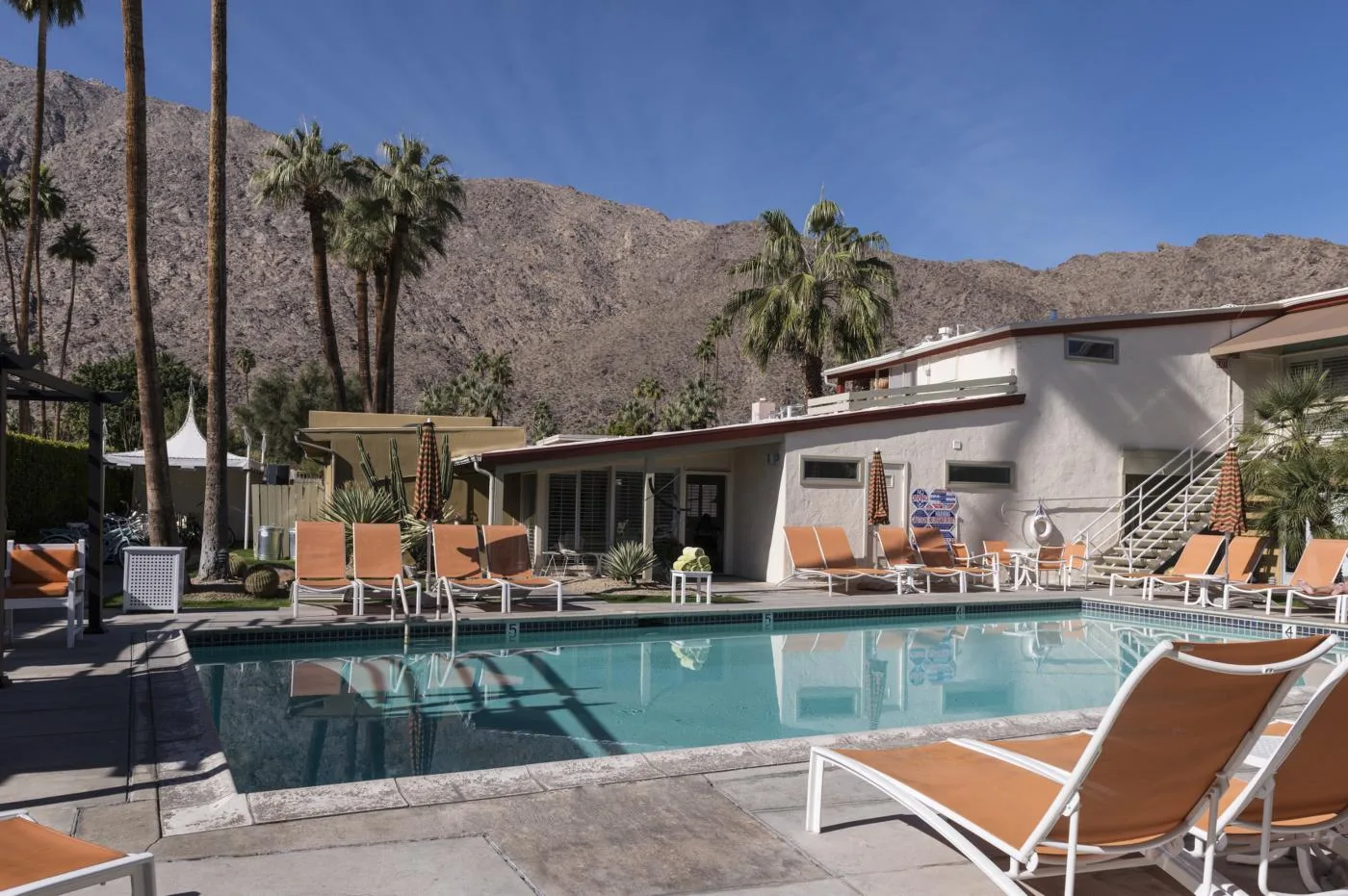
A swimming pool can look calm while presenting several different hazards: silent drowning, unsupervised access, suction entrapment, electrical shock, slips, diving injury, chemical exposure, and delayed emergency response. A locked back door or attentive host is not enough on its own.
The U.S. Consumer Product Safety Commission promotes layers of protection because any one layer can fail. A barrier may be left open, an alarm may lose power, a cover may be removed, or an adult may believe someone else is watching. The durable plan combines physical isolation, working equipment, active supervision, practiced rescue, and professional maintenance.
Design the pool so a single mistake does not become an emergency.
Isolate the water from the house and yard
Start with local code and the CPSC barrier guidance. A qualified pool-safety professional should inspect the complete perimeter, not just measure fence height. The review should cover:
- whether the barrier fully isolates the pool or spa;
- climbable features, furniture, planters, trees, walls, and grade changes;
- gaps beneath and through the barrier;
- self-closing, self-latching gate operation from every open position;
- latch placement and resistance to child access;
- doors and windows that provide direct access from the home;
- above-ground ladders, steps, decks, and removable sections;
- deterioration, settlement, corrosion, and post-installation alterations.
CPSC guidance recommends a barrier at least four feet high, while state or local rules may require more. It also recommends outward-opening pedestrian gates that self-close and self-latch. Do not convert those recommendations into a do-it-yourself approval. Fence geometry, openings, latches, walls, and adjacent structures all affect whether the barrier works.
Test every gate on a schedule and after landscaping, construction, storms, or service visits. A gate that closes when pushed firmly may remain open when released from a few inches. Do not prop it open for a party, gardener, or delivery.
If the house forms part of the pool boundary, use the protection required for doors and other openings. Pool Safely identifies door alarms, pool alarms, and appropriate covers as additional layers. An alarm reports access; it does not prevent it or replace supervision.
Treat covers as safety equipment only when they are designed for it
A solar blanket, tarp, or decorative cover is not necessarily a safety cover and may conceal the water while creating an entrapment hazard. Record the manufacturer, model, applicable standard, installation date, operating instructions, inspection schedule, and weight or access limitations for any safety cover.
Keep the control out of children’s reach. Inspect tracks, anchors, fabric, drainage, ropes, locks, and automatic mechanisms. Remove standing water as directed. Do not allow anyone to walk or play on a cover. If the cover is damaged, incomplete, or not secured exactly as designed, treat the pool as uncovered.
Spas and hot tubs need a properly fitted, secured cover when not in use, plus any required barrier. Heat adds risks involving dehydration, fainting, medicines, alcohol, and medical conditions. Follow public-health guidance and the equipment manufacturer’s limits for the actual users.
Assign one active water watcher
When children or vulnerable swimmers are in or near the water, name one capable adult as the water watcher. That person should remain close, keep uninterrupted visual attention, and avoid phones, reading, alcohol, conversations, and other duties. Transfer responsibility verbally to another adult instead of assuming someone is watching.
Swimming lessons and flotation devices reduce neither the need for barriers nor active supervision. A child who can swim can still be injured, trapped, fatigued, or unable to call for help. Inflatable toys and ordinary life jackets should not be confused with a barrier or rescue plan.
Set written rules for guests, household staff, renters, and contractors. No one swims alone. No child enters the pool area without the designated adult. Diving occurs only where the pool was designed and marked for it. Glass stays outside. Weather, intoxication, illness, and medication can change whether swimming is safe.
Inspect drains, pumps, and electrical systems
Entrapment can occur when hair, clothing, limbs, or the body are held by suction or caught in a drain system. Ask a qualified pool professional to identify every suction outlet, cover, pump, vacuum fitting, safety device, and applicable requirement. Replace missing, broken, loose, incompatible, or expired drain covers before use. Do not operate the pool with an unresolved suction-system defect.
The emergency shutoff should be clearly identified, accessible to an adult, protected from casual use, and included in training. Stopping equipment is not a substitute for calling 911 and beginning appropriate rescue.
Have a licensed electrician experienced with pools inspect bonding, grounding, lighting, receptacles, protective devices, wiring, pumps, heaters, and later additions. Tingling, shocks, unusual equipment behavior, damaged lights, or electrical faults require immediate evacuation and professional response. Do not reach into water to assist someone when electrical energy may be present.
Keep rescue and communication within reach
Post the exact property address and emergency instructions where a caller can read them. Keep a charged phone, reaching pole, and appropriate ring buoy or other rescue equipment immediately available. Equipment locked in a distant shed is not available.
Household adults and regular caregivers should maintain current CPR skills appropriate to children and adults. Training should address how to remove someone from the water without creating another victim and how to use an automated external defibrillator if one is present. Call 911 immediately for a possible drowning or serious injury, even if the person appears to recover.
Coordinate gate access for emergency responders. A secure property needs a method that does not delay fire or medical assistance. Include the pool in the household’s emergency plan, including who meets responders and who accounts for children and guests.
Maintain water and chemicals without improvisation
Use a qualified service company and keep service records. Water clarity matters because a person on the bottom must be visible, but clear water alone does not prove sanitation. Follow current local public-health requirements and manufacturer instructions for circulation, disinfection, testing, and closure after contamination.
Store pool chemicals in original labeled containers, separated as directed, dry, ventilated, secure, and away from children, flame, moisture, and incompatible products. Never mix chemicals or add water to a chemical unless the label expressly directs it. Do not reuse containers. A spill, unusual odor, gas release, fire, or exposure calls for evacuation and emergency or poison-control guidance.
Log tests, chemical additions, repairs, gate checks, cover inspections, alarm tests, drain-cover details, electrical service, incidents, and closures. After a storm, flood, renovation, equipment change, long vacancy, or property purchase, commission a new safety review.
Audit hospitality and rental use
A second home or guest property needs the same layers when the owner is absent. Provide simple rules without implying that a sign transfers responsibility. Confirm who tests the gate, cover, alarms, rescue equipment, water quality, and emergency phone before each occupancy.
Do not advertise a pool as “childproof” or “completely safe.” Disclose known restrictions and follow the insurer’s requirements. Review liability, worker access, special events, and rental use with qualified legal and insurance professionals.
The strongest pool plan is visible in ordinary behavior: the gate closes every time, the cover works, the water watcher has one job, equipment is maintained, and everyone knows that rescue begins with immediate action.
This article provides general U.S. safety information, not engineering, medical, electrical, legal, code, or insurance advice. Pool requirements vary by jurisdiction and property. Follow local authorities, manufacturers, emergency services, and qualified professionals.
Primary sources
- CPSC: Safety Barrier Guidelines for Home Pools
- Pool Safely: Barriers, Covers, and Alarms
- Pool Safely: National Water Safety Campaign
This article provides general education, not individualized legal, tax, investment, insurance, or benefits advice. Rules and deadlines change; verify the current requirement with the agency and a qualified professional.
More from Home
The desk →
Home
Home Backup Power: Generator Safety and Readiness
Plan safe backup power by defining essential loads, using qualified installation, preventing carbon monoxide exposure, storing fuel safely, and testing outage procedures.
Home
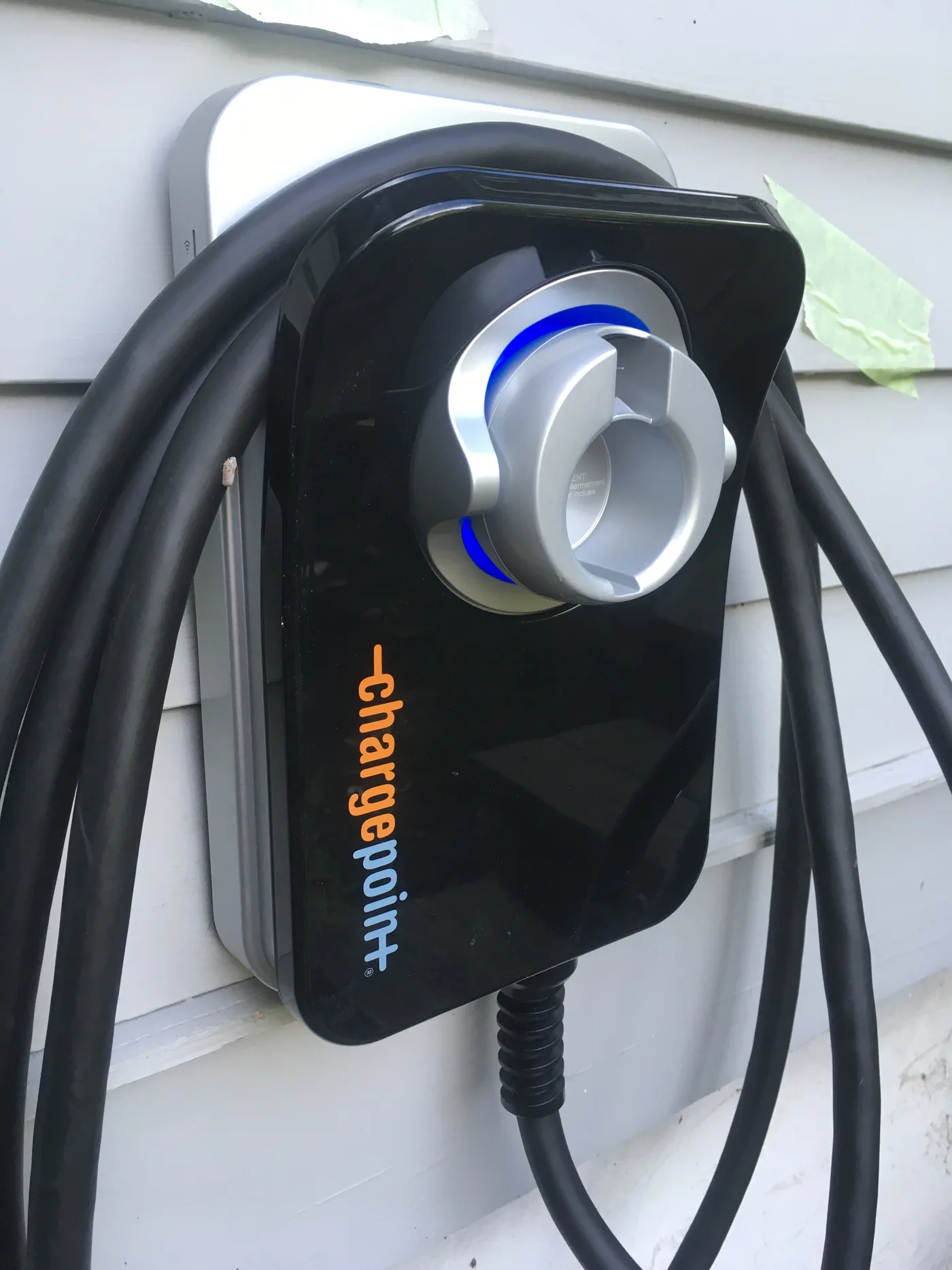
Home EV Charging: Installation and Safety
Plan a home electric-vehicle charger with a load calculation, permits, utility review, qualified installation, safe cable management, and complete records.
Home
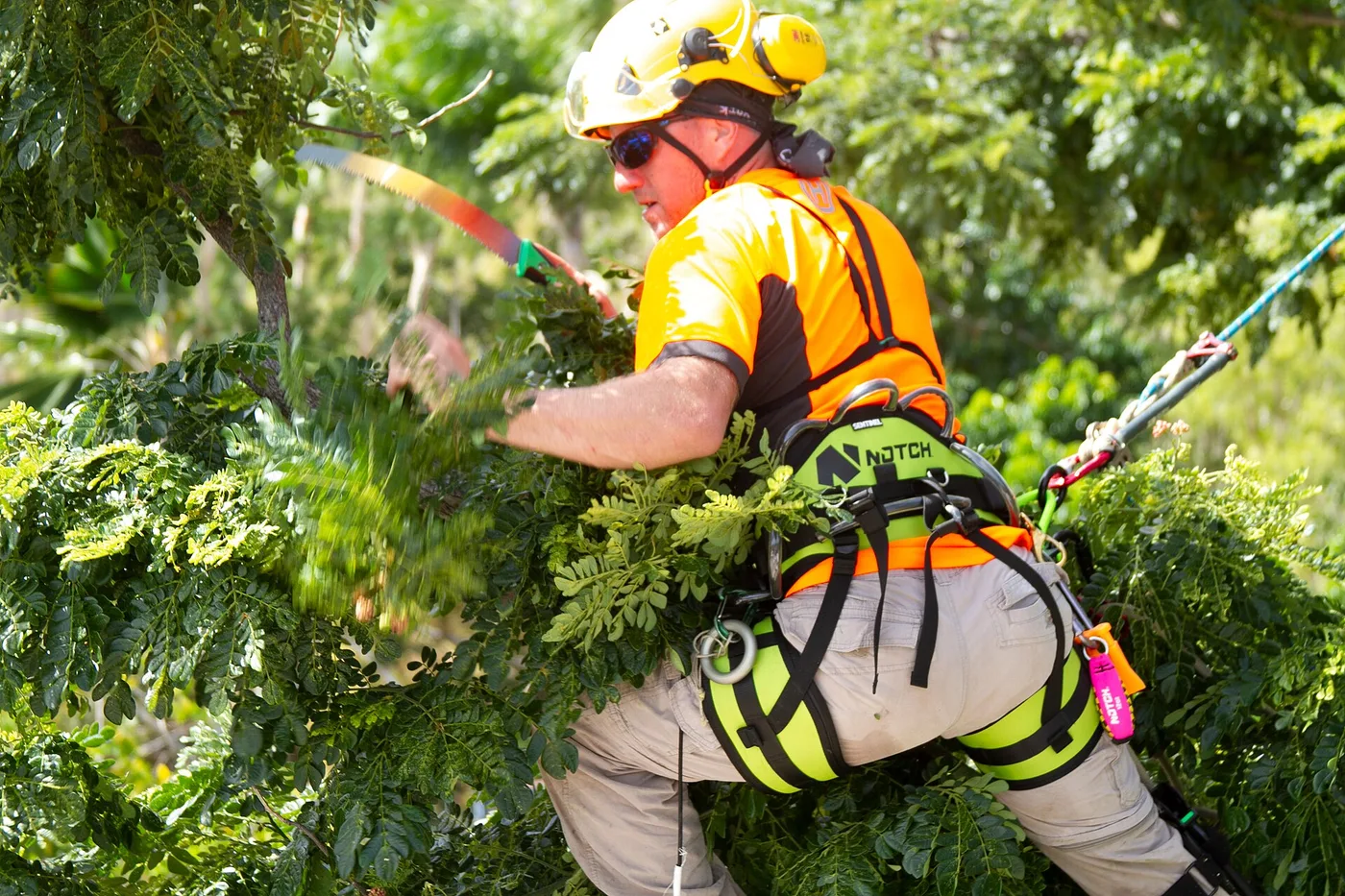
Mature Tree Risk: An Arborist Review for the Property
Manage mature trees with a mapped inventory, credentialed risk assessment, storm and construction controls, documented work, and a practical inspection cycle.