Distributing Personal Possessions From an Estate Fairly
Use the will, a photographed inventory, appraisal evidence, a written selection method, and signed receipts to distribute meaningful estate possessions fairly.
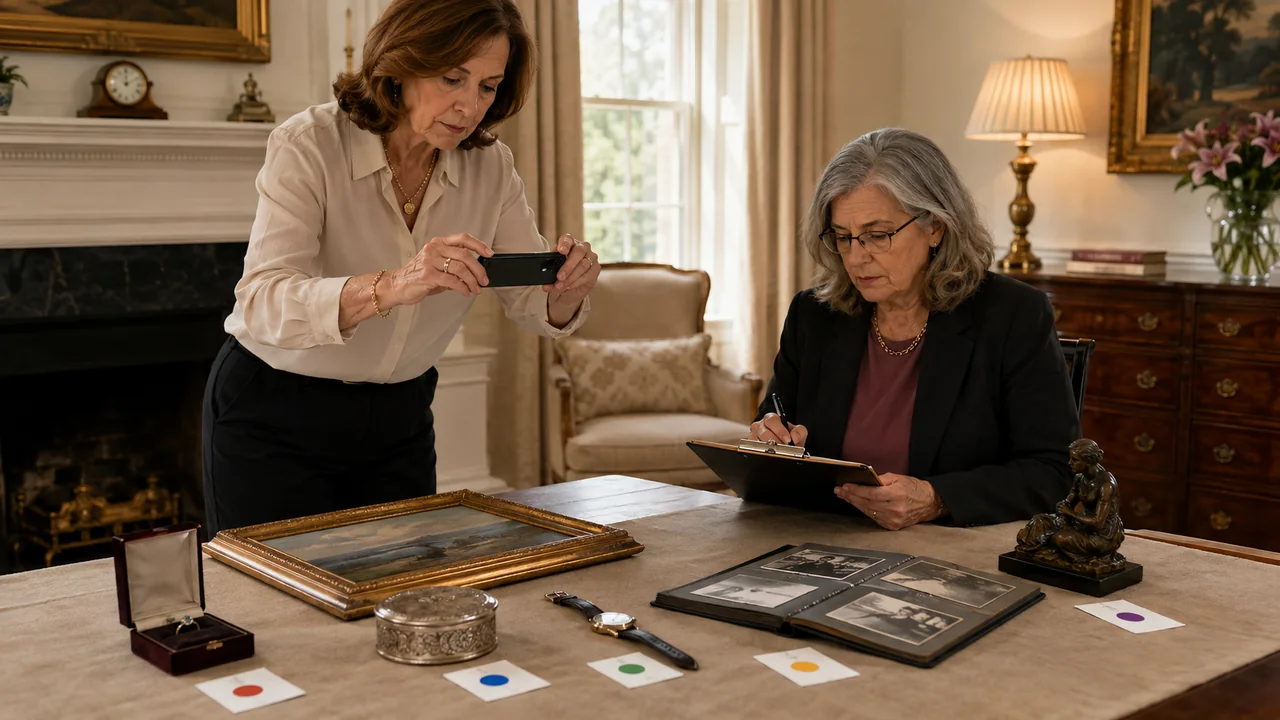
Do not let anyone remove estate possessions until authority, ownership, the operative will, any legally effective personal-property writing, and the inventory are reviewed. Photograph the contents, isolate specifically gifted and high-value items, obtain appropriate valuations, agree on a written method for the remainder, and collect a signed receipt for every distribution.
Sentimental value makes this work harder, not less formal. A ring with a modest appraisal can still be the item most likely to trigger a lasting dispute.
Freeze movement and create a condition record
Secure the property and limit access. Photograph each room before reorganizing it, then create one inventory entry per meaningful item or grouped set. Record location, description, condition, identifying marks, photographs, estimated value, valuation source, known claim, and current custodian.
Maintain an access and removal log. If an item must move for security, conservation, or appraisal, record who moved it, when, where, why, under what authority, and when it returned. Do not label a family member’s possession claim “confirmed” without documentary support.
Read every controlling document together
Review the original will, codicils, trust, premarital or marital agreements, court orders, and any separate personal-property list. Whether a separate list is legally effective depends on state law and the will’s language. A handwritten note, label, or remembered promise may be important evidence without being legally controlling.
Identify specific gifts before creating a family selection pool. Confirm whether the named recipient survived, whether the item still exists, whether the description matches, and what the governing document says if it was sold, replaced, jointly owned, or subject to debt.
Do not assume the widow owns every household object. Title, purchase records, gifts, marital-property law, and agreements may distinguish her property from estate property.
Appraise items when value affects fairness or reporting
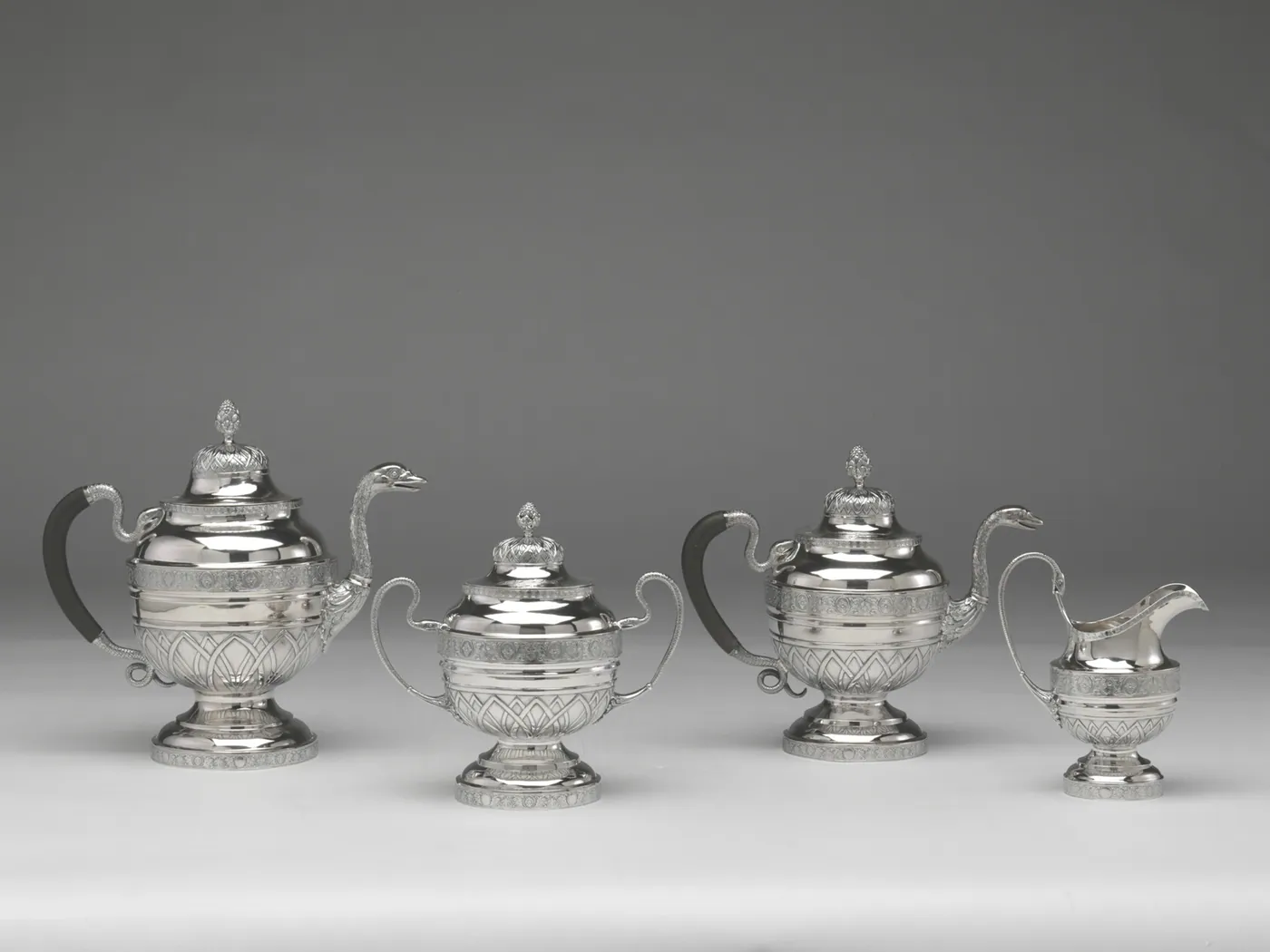
Use a qualified specialist for jewelry, art, antiques, collectibles, vehicles, firearms, business equipment, or other material items when the court, tax adviser, insurer, or beneficiaries need reliable value. Preserve credentials, engagement terms, valuation date, photographs, comparable evidence, report, and invoice.
Date-of-death value, current sale value, replacement value, and auction estimate answer different questions. Do not substitute one without approval. IRS Publication 559 explains that inherited-property basis is generally linked to fair market value at death, subject to exceptions; Publication 551 provides broader basis rules. Give the appraisal and transfer record to the tax professional.
Design a process before anyone chooses
After specific gifts and ownership disputes are removed from the pool, propose a written selection method for the remaining property. Options include rotating picks with changing order, ranked preferences followed by conflict resolution, equal-value lots, sale with net proceeds distributed, or agreed offsets against shares.
No method is universally required or fair in every estate. Obtain counsel’s approval, disclose valuations, address unequal numbers of beneficiaries, define deadlines, and state what happens to unclaimed items. Apply the adopted method consistently and preserve each choice.
An informal family agreement may not authorize the representative to depart from the will, court order, creditor rights, tax obligations, or the interests of a minor or protected beneficiary.
Manage conflicts without private side deals
When two people want the same item, pause that item rather than allowing possession to decide ownership. Ask each claimant for the basis of the claim, relevant documents, and preferred resolution. Use mediation, appraisal, sale, or court direction when needed.
Do not trade an estate item for a beneficiary’s silence, release, or waiver without legal advice. Disclose any conflict involving the representative, spouse, child, adviser, appraiser, or buyer. Related-party purchases should receive documented valuation and approval.
Transfer, sell, donate, or dispose with evidence
For a distribution, record the inventory identifier, description, appraised or assigned value, recipient, governing provision, date, condition, and signed receipt. Alameda County’s court guidance, as a jurisdiction-specific example, emphasizes detailed final distribution and receipts from distributees before final discharge.
For a sale, preserve authorization, marketing, bids, commission, buyer, settlement, and deposit into the estate account. For donation or disposal, document why the item had no distributable or sale value, who authorized the action, and the receipt or disposal evidence. Do not claim a charitable tax deduction without professional advice about ownership, appraisal, and filing requirements.
Reconcile possessions to the final accounting
Update the estate inventory after every transfer. The items on hand, items sold, gains or losses, distributions, and disposal costs should reconcile with the estate ledger and proposed final accounting. Preserve photographs and receipts after physical property leaves.
Questions for the estate attorney
- Which possessions belong to the survivor, trust, or probate estate?
- Are any separate writings legally effective?
- Which items require appraisal or court approval?
- May values be offset against beneficiary shares?
- How should disputes, missing items, or related-party purchases be handled?
- What receipts and tax-basis records must accompany distribution?
Where this guide stops
This is general U.S. educational information, not legal, appraisal, or tax advice. Ownership, specific gifts, personal-property writings, fiduciary sales, and distribution procedures are state-specific. Obtain local legal advice before property moves.
For property that must stay in place, read Managing an Estate Home.
Primary sources
- California Courts: Duties and Liabilities of Personal Representative
- Alameda County Superior Court: Closing and Distributing the Estate
- IRS Publication 559: Survivors, Executors, and Administrators
- IRS Publication 551: Basis of Assets
This article provides general education, not individualized legal, tax, investment, insurance, or benefits advice. Rules and deadlines change; verify the current requirement with the agency and a qualified professional.
More from Estate
The desk →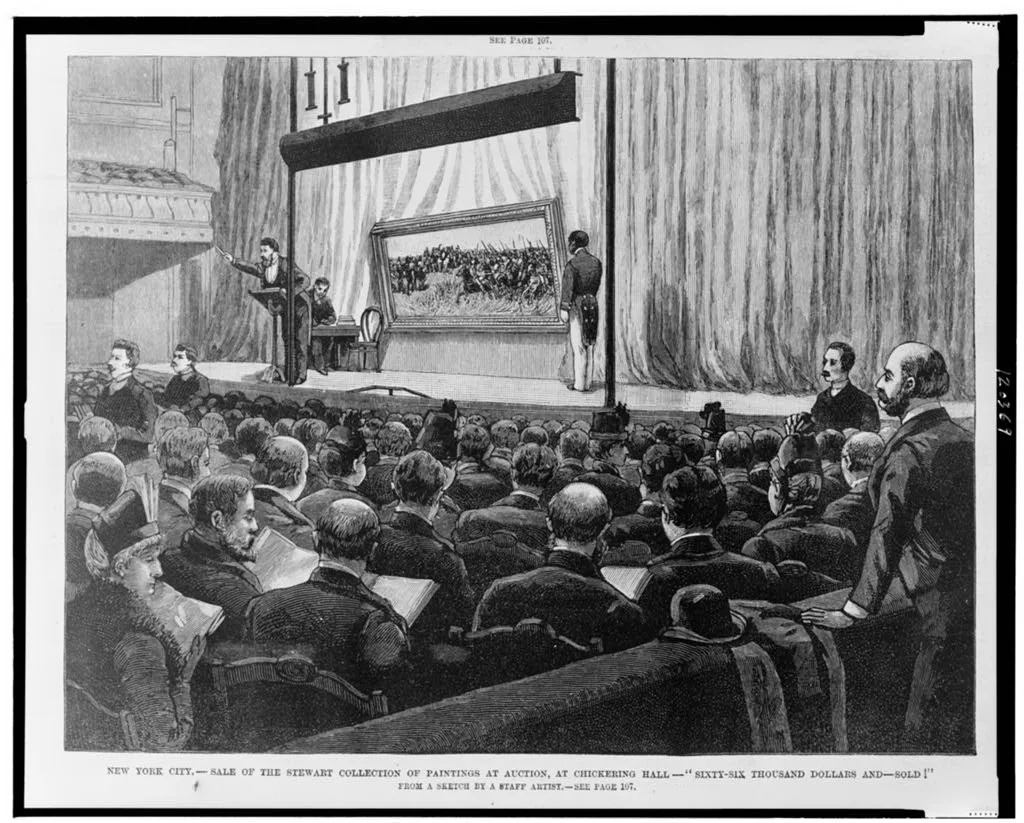
Estate
Hiring a Personal Property Appraiser: A Scope Letter
Hire a personal-property appraiser by defining the intended use, effective date, value standard, qualifications, conflicts, inspection scope, report format, and records.
Estate
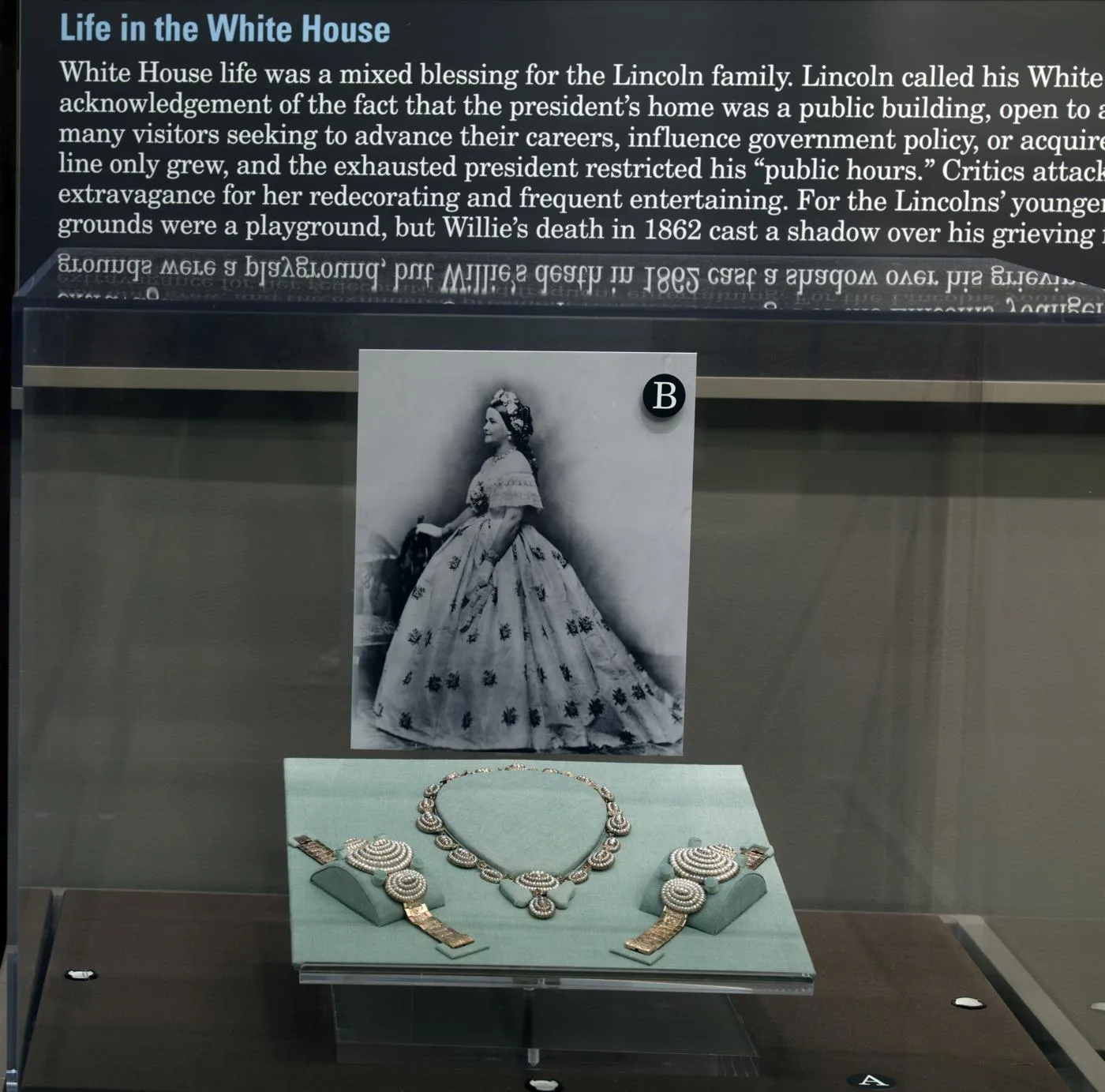
Jewelry Inventory: Insurance, Estate, and Appraisal Records
Build a jewelry inventory that connects photographs, identifying details, lab reports, appraisals, insurance coverage, ownership, condition, location, and estate instructions.

Estate
Before Moving Estate Assets, Build the Authority and Ownership Map
A source-led method for separating legal authority, account ownership, beneficiary transfers, estate cash, and records before assets are moved or distributed.