First 90 Days
The Car: Title, Insurance, and the Gap Between Them
A vehicle registered to someone who has died raises two separate questions, and the insurance one is more urgent than the title one.

There is a version of this decision that takes ten minutes and a version that takes a season. A vehicle registered to someone who has died raises two separate questions, and the insurance one is more urgent than the title one. The difference is whether the facts were assembled first.
Vehicles sit awkwardly between the estate and daily life. The household needs to keep driving while the paperwork proceeds, and the insurance position during that interval is what matters most.
Cover can lapse long before a title is transferred, and driving in that gap is the risk nobody mentions.
First, get the category right
These are the points the rest of the decision rests on, so it is worth being sure of them before going further. Title transfer procedures for a vehicle owned by a person who has died are set by state motor vehicle authorities and vary considerably. An insurance policy in the name of the person who died may not cover another driver in the way the household assumes. Some states offer a simplified transfer route for a surviving spouse, avoiding full probate for the vehicle.
A loan or lease secured on the vehicle continues, and the lender has its own requirements. Registration renewal and inspection deadlines continue to run regardless of the estate.
Take the steps in this order
Take it in this sequence. Reversing the order tends to create work rather than save it, and occasionally forecloses a choice.
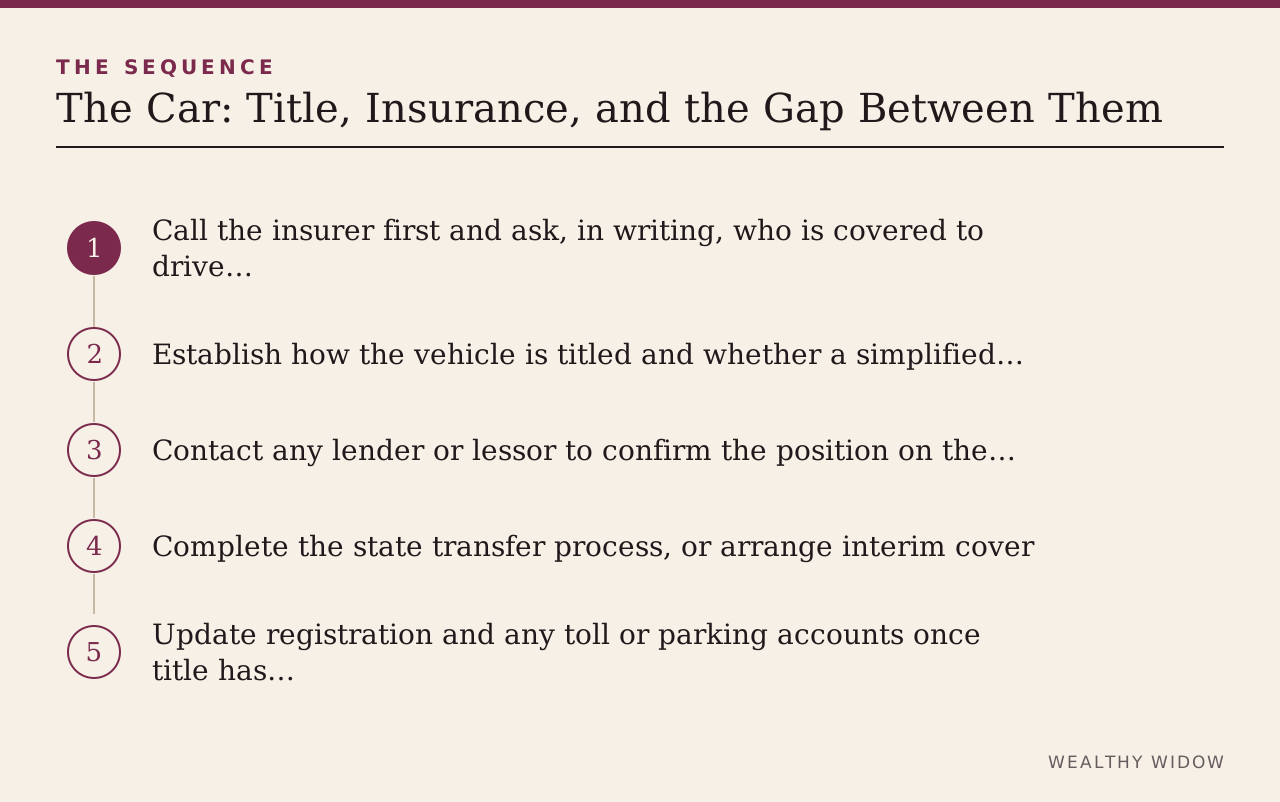
- Call the insurer first and ask, in writing, who is covered to drive the vehicle right now.
- Establish how the vehicle is titled and whether a simplified transfer route is available in your state.
- Contact any lender or lessor to confirm the position on the outstanding finance.
- Complete the state transfer process, or arrange interim cover, before relying on the vehicle daily.
- Update registration and any toll or parking accounts once title has moved.
What to watch for
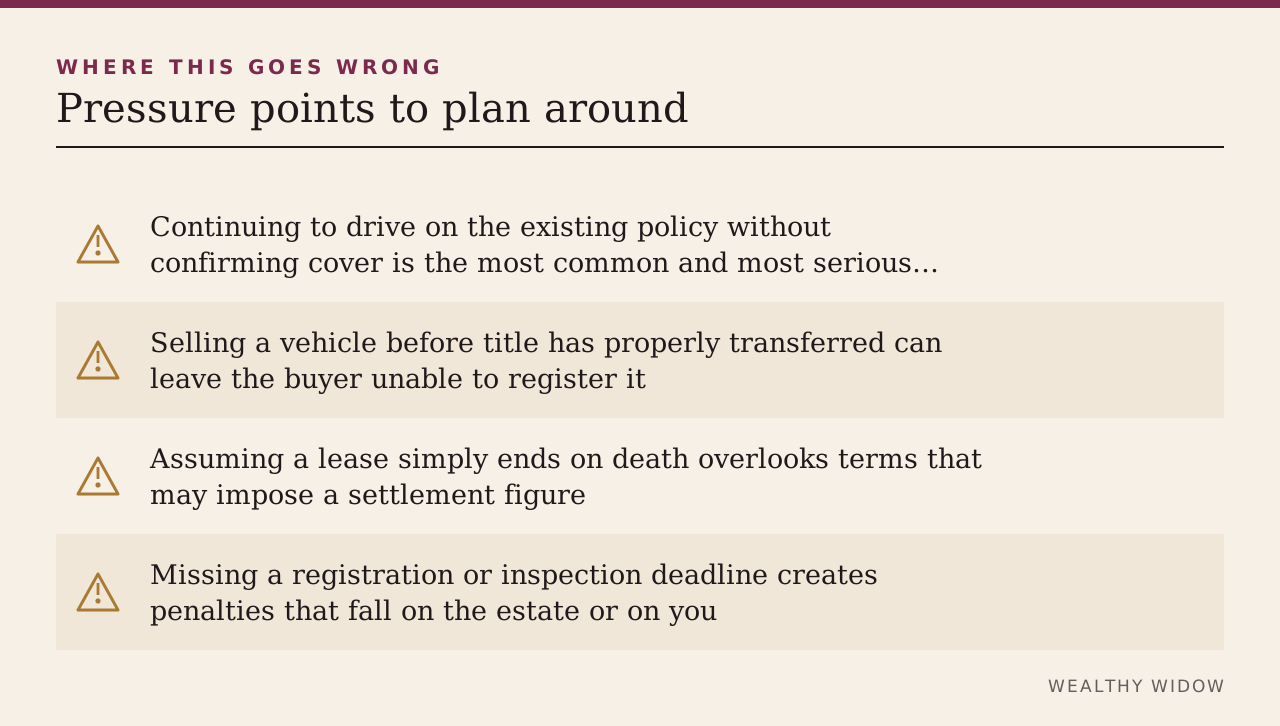
Watch for the following, and treat each as a reason to slow down. Continuing to drive on the existing policy without confirming cover is the most common and most serious error.
Selling a vehicle before title has properly transferred can leave the buyer unable to register it. Assuming a lease simply ends on death overlooks terms that may impose a settlement figure. Missing a registration or inspection deadline creates penalties that fall on the estate or on you.
Assemble the file
Having the file complete before the first call removes most of the back and forth that follows.
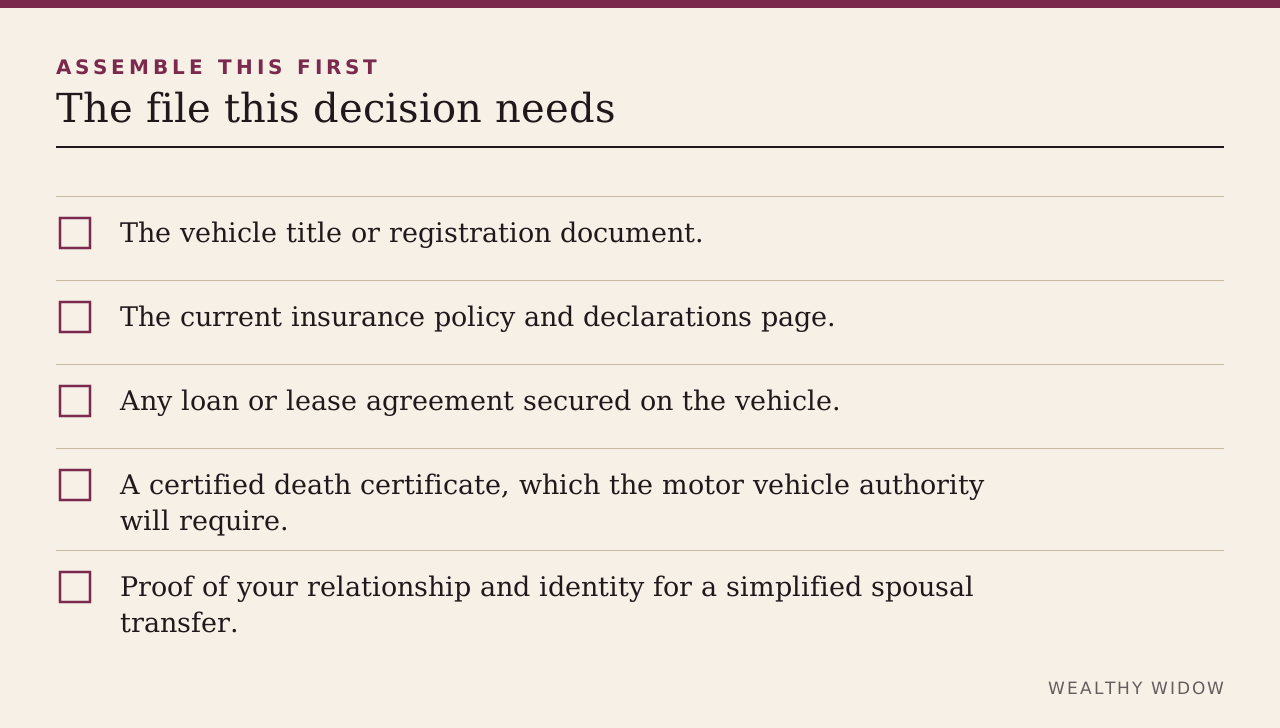
- The vehicle title or registration document.
- The current insurance policy and declarations page.
- Any loan or lease agreement secured on the vehicle.
- A certified death certificate, which the motor vehicle authority will require.
- Proof of your relationship and identity for a simplified spousal transfer.
What to have documented
Put each of these in the file with a date against it.
- Who is currently insured to drive the vehicle, in writing.
- The state procedure for transferring title after a death.
- The lender or lessor position on the outstanding finance.
- Any deadline for registration, inspection, or transfer.
What to ask before you sign
Ask these before an engagement letter is signed or a product is recommended.
- Who is covered to drive this vehicle today, and under what terms?
- Does my state offer a simplified transfer for a surviving spouse?
- What does the finance agreement say happens on the death of the borrower?
- What are the consequences of transferring title after the registration expires?
Where the current rule lives
Read the source directly for any figure, date, or threshold that will actually drive a decision you make.
- National Association of Insurance Commissioners — Consumer resources
- USAGov — Get copies of vital records and ID cards
- Consumer Financial Protection Bureau — Help for surviving spouses
What this cannot decide for you
General guidance sets out the shape of a decision. Your documents settle it. It cannot tell you your state procedure or your policy terms, and those two documents decide both questions.
Before you move on
Deal with the insurance question this week and the title question at the pace the state allows. The order matters, because only one of the two creates risk every time someone turns the key.
A companion guide, Utilities and Household Accounts: Transfer Rather Than Cancel, covers the decision that sits alongside this one.
Primary sources
- National Association of Insurance Commissioners — Consumer resources
- USAGov — Get copies of vital records and ID cards
- Consumer Financial Protection Bureau — Help for surviving spouses
This article provides general education, not individualized legal, tax, investment, insurance, or benefits advice. Rules and deadlines change; verify the current requirement with the agency and a qualified professional.