First 90 Days
The Award Letter: Reading It Before Filing It
Award letters state amounts, dates, and conditions that determine what you receive, and errors in them are not rare.

Widowhood arrives with a queue of decisions that all look equally urgent. Award letters state amounts, dates, and conditions that determine what you receive, and errors in them are not rare. They are not the same task, and treating them as one is how good decisions get made badly.
Award letters arrive at a point when reading official post is exhausting, and they are frequently filed unread. They contain the figures, the effective dates, and the appeal period.
An award letter is a decision that can be appealed, and the period for doing so runs from the date on it.
Name the decision before you make it
Start from the reliable ground, before anyone asks you to act on anything less certain than it. An award letter states the amount, the effective date, and how the figure was reached. Errors in earnings records and in effective dates do occur and can be corrected. Appeal or reconsideration periods generally run from the date of the letter.
The letter may state conditions, including reporting obligations, that continue afterwards. It is also the document other organisations will ask to see as proof of income.
How to work through it
Work through it deliberately rather than all at once, and stop at any point where an answer is missing.
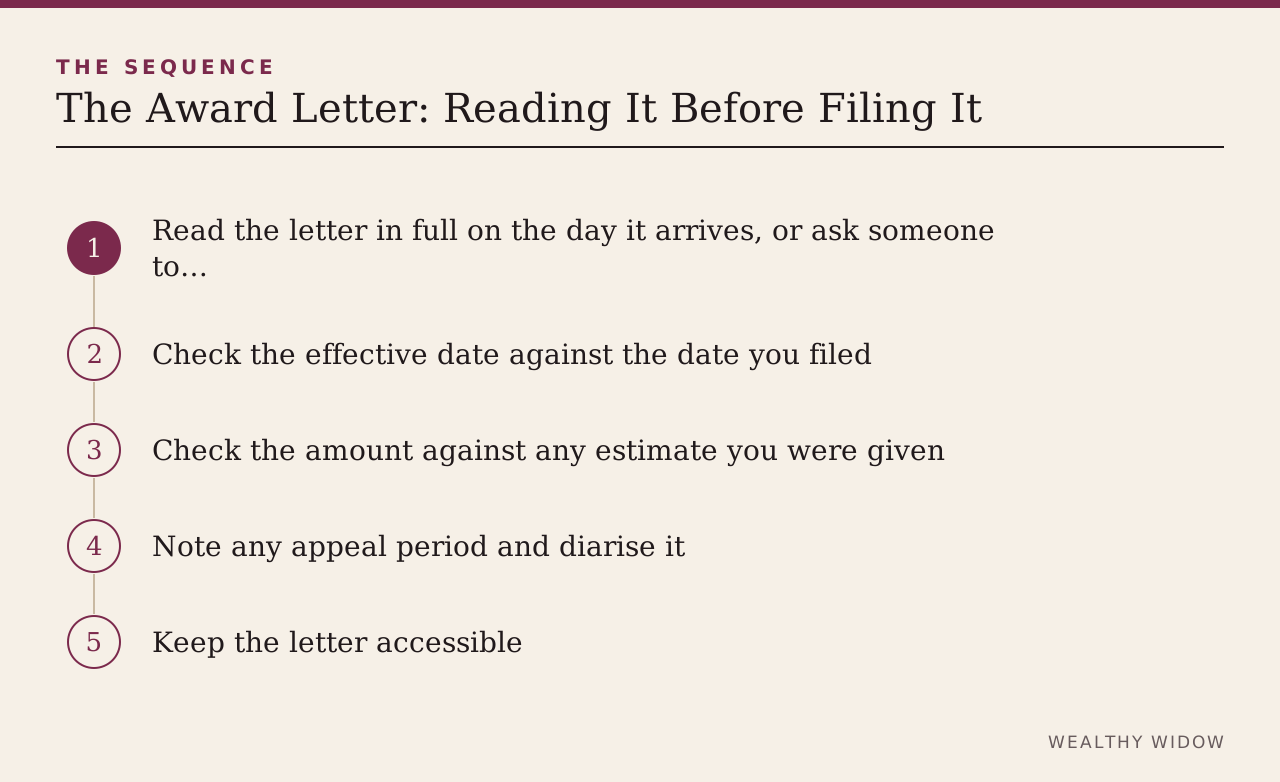
- Read the letter in full on the day it arrives, or ask someone to read it with you.
- Check the effective date against the date you filed.
- Check the amount against any estimate you were given.
- Note any appeal period and diarise it.
- Keep the letter accessible, since other organisations will ask for it.
Known hazards
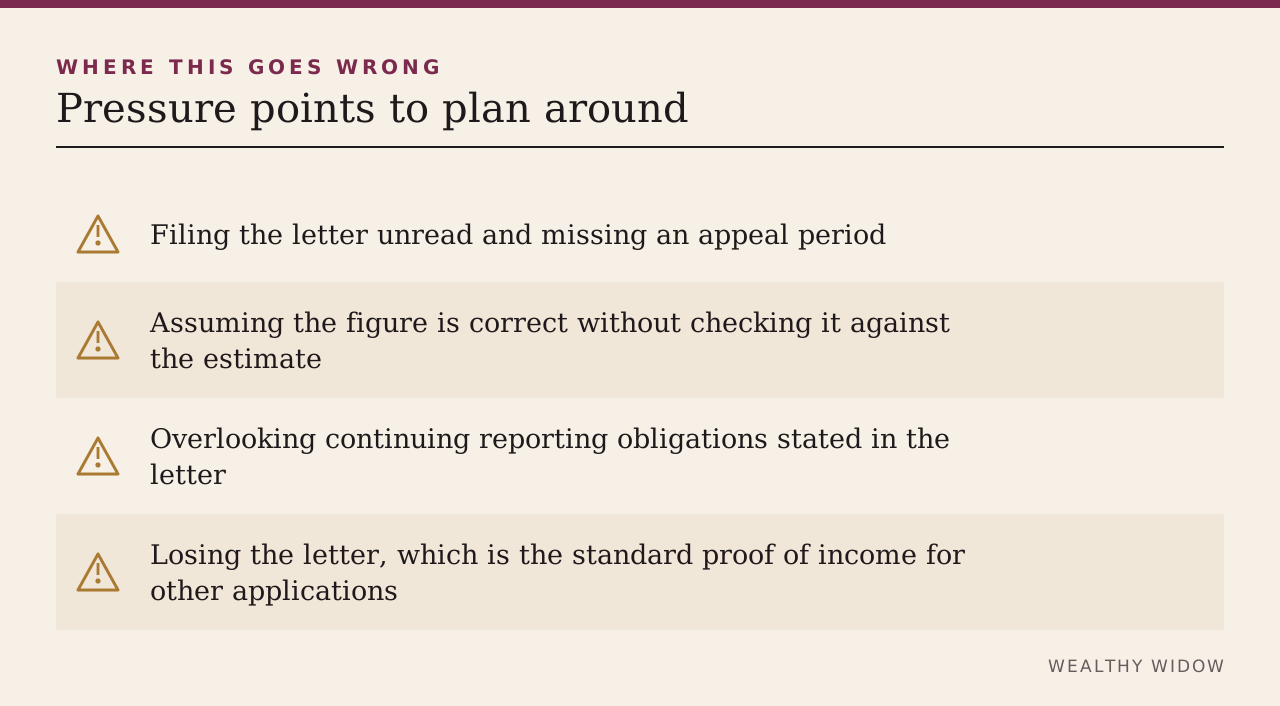
Each of these is a signal to stop and confirm rather than proceed. Filing the letter unread and missing an appeal period.
Assuming the figure is correct without checking it against the estimate. Overlooking continuing reporting obligations stated in the letter. Losing the letter, which is the standard proof of income for other applications.
The evidence to gather
You will be asked for these in some combination by almost everyone involved.
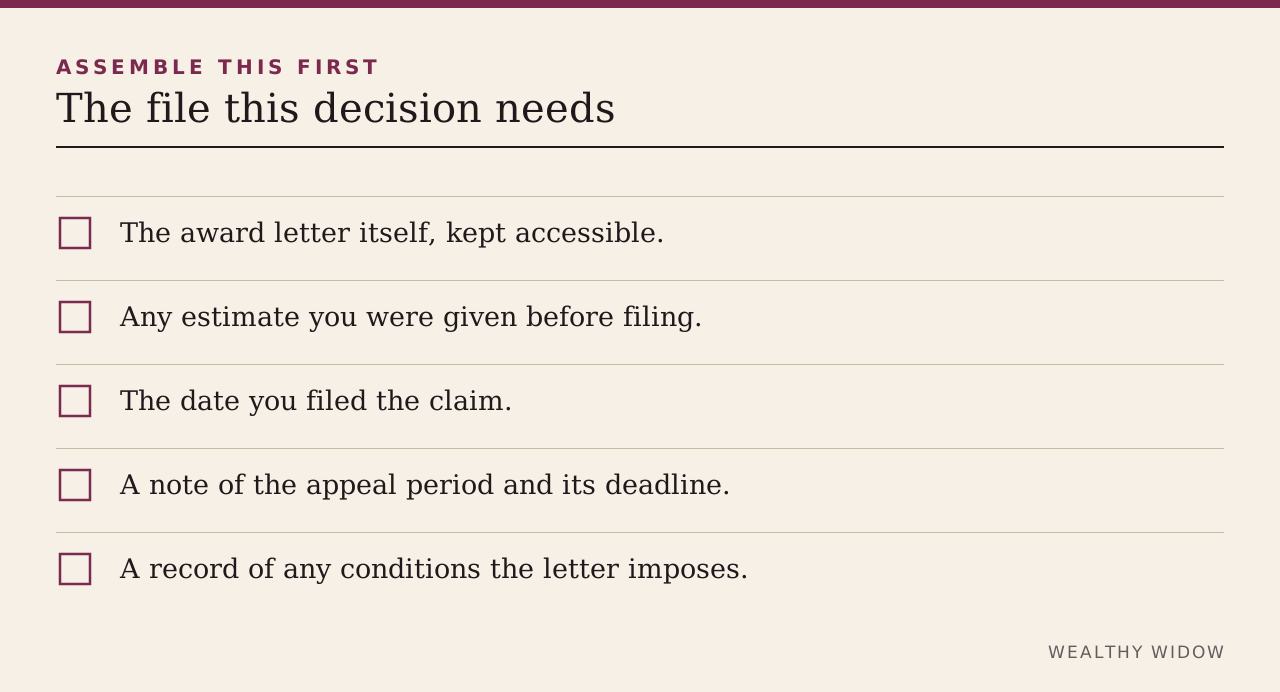
- The award letter itself, kept accessible.
- Any estimate you were given before filing.
- The date you filed the claim.
- A note of the appeal period and its deadline.
- A record of any conditions the letter imposes.
Written confirmation to insist on
Before you act on what you have been told, hold written confirmation of each point.
- That the effective date matches your filing date.
- That the amount matches the estimate, or that any difference is explained.
- The appeal period and its deadline.
- Any continuing obligation the letter imposes.
Take these questions to your adviser
Ask these before an engagement letter is signed, while you still have every option open to you.
- How was this figure calculated?
- Why does the effective date differ from the date I filed?
- What is the deadline for asking you to reconsider?
- What must I report to you going forward?
Where the current rule lives
Read the source directly for any figure, date, or threshold that will actually drive a decision you make.
- Social Security Administration — Survivor benefits
- Social Security Administration — What you could get from survivor benefits
- Social Security Administration — Manage Social Security benefits
- Social Security Administration — Forms
What this cannot decide for you
General guidance sets out the shape of a decision. Your documents settle it. It cannot check your letter, and where a figure looks wrong the agency itself is the place to raise it, within the stated period.
Before you move on
Read it on the day, check the date and the figure, and diarise the appeal period. It is the one piece of post in this period that most rewards being opened immediately.
Our related guide Setting Up a Filing System You Will Still Use in a Year covers the adjacent problem.
Primary sources
- Social Security Administration — Survivor benefits
- Social Security Administration — What you could get from survivor benefits
- Social Security Administration — Manage Social Security benefits
- Social Security Administration — Forms
This article provides general education, not individualized legal, tax, investment, insurance, or benefits advice. Rules and deadlines change; verify the current requirement with the agency and a qualified professional.