First 90 Days
The Mail Is a Security Problem Before It Is an Administrative One
Post arriving at the home of someone who has died is both the best map of their financial life and an open invitation to identity theft.

Institutions will describe this as routine. For you it is not routine, and the stakes are not symmetrical. Post arriving at the home of someone who has died is both the best map of their financial life and an open invitation to identity theft.
For a period after a death, the letterbox is the single richest source of information about accounts, insurers, and obligations. It is equally the easiest thing for a stranger to intercept.
For the first year the letterbox is the most accurate inventory of a financial life that anyone will produce.
Establish what this is
These are the load-bearing facts. Statements, renewal notices, and tax documents arriving over a full year will reveal accounts that no list captured. Obituaries and public records give a stranger enough to appear legitimate, and post confirms where to direct that effort. Redirecting mail can be appropriate but may require authority you do not yet hold, and rules differ by jurisdiction.
Some post is time-sensitive in a way that is not obvious, including insurance renewals, court notices, and creditor deadlines. Discarding unfamiliar post early removes evidence you may need when reconstructing accounts months later.
A sequence, not a scramble
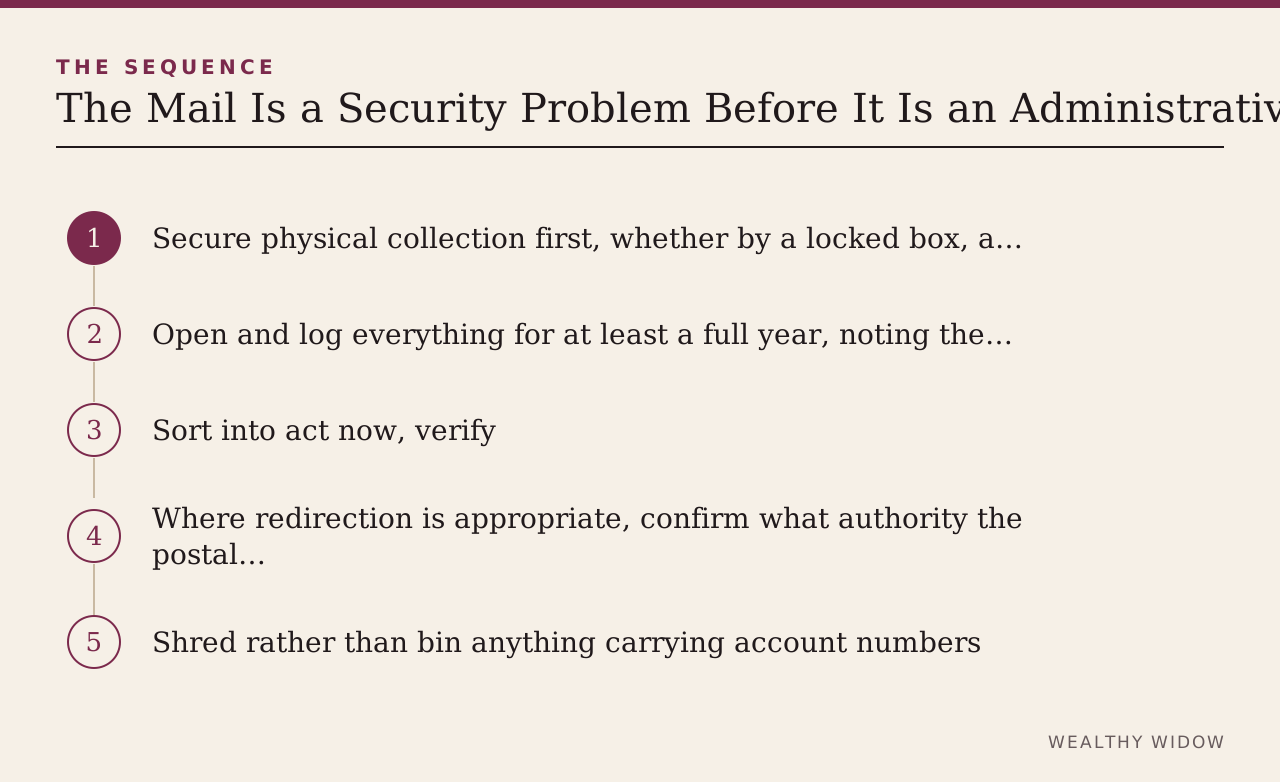
Sequence matters, because some steps close options that later steps need.
- Secure physical collection first, whether by a locked box, a trusted neighbour, or daily collection.
- Open and log everything for at least a full year, noting the organisation, account reference, and any date shown.
- Sort into act now, verify, and keep for the record, and resist deciding anything from the envelope alone.
- Where redirection is appropriate, confirm what authority the postal service requires before applying.
- Shred rather than bin anything carrying account numbers, and do so after logging, not before.
Common ways this decision is lost
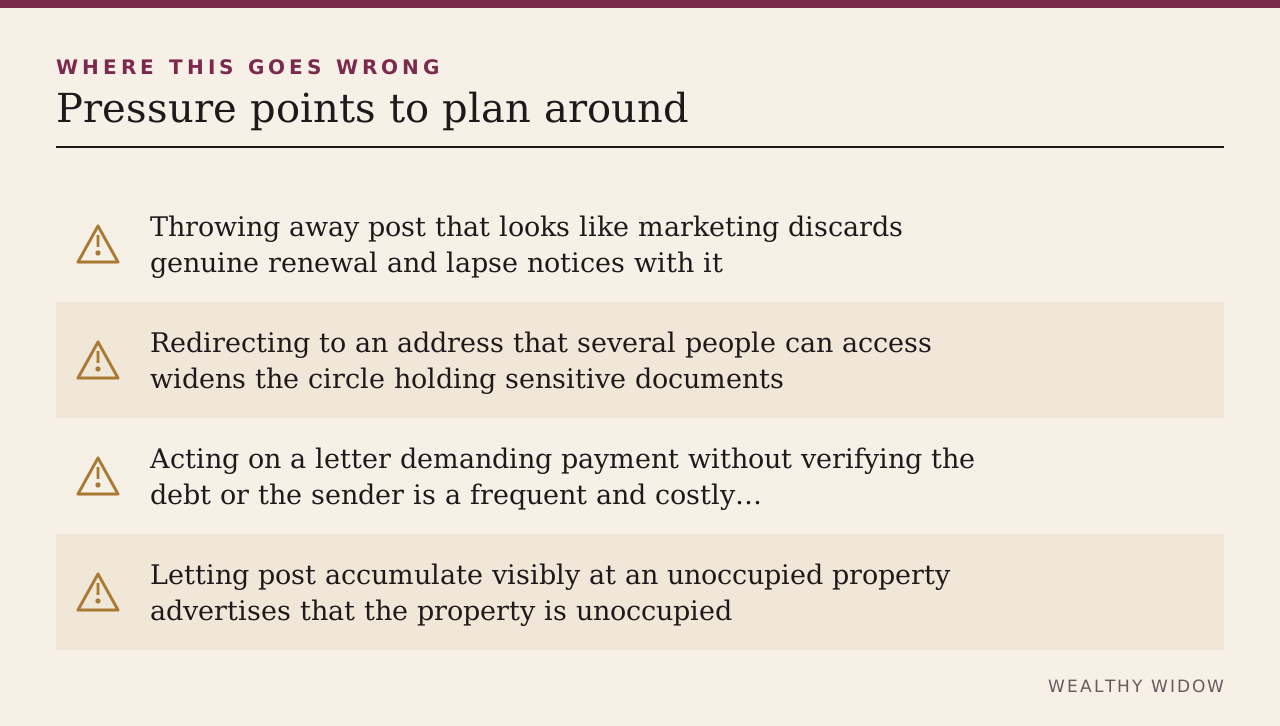
What follows is where readers most reliably lose ground. Throwing away post that looks like marketing discards genuine renewal and lapse notices with it.
Redirecting to an address that several people can access widens the circle holding sensitive documents. Acting on a letter demanding payment without verifying the debt or the sender is a frequent and costly error. Letting post accumulate visibly at an unoccupied property advertises that the property is unoccupied.
The paperwork this actually requires
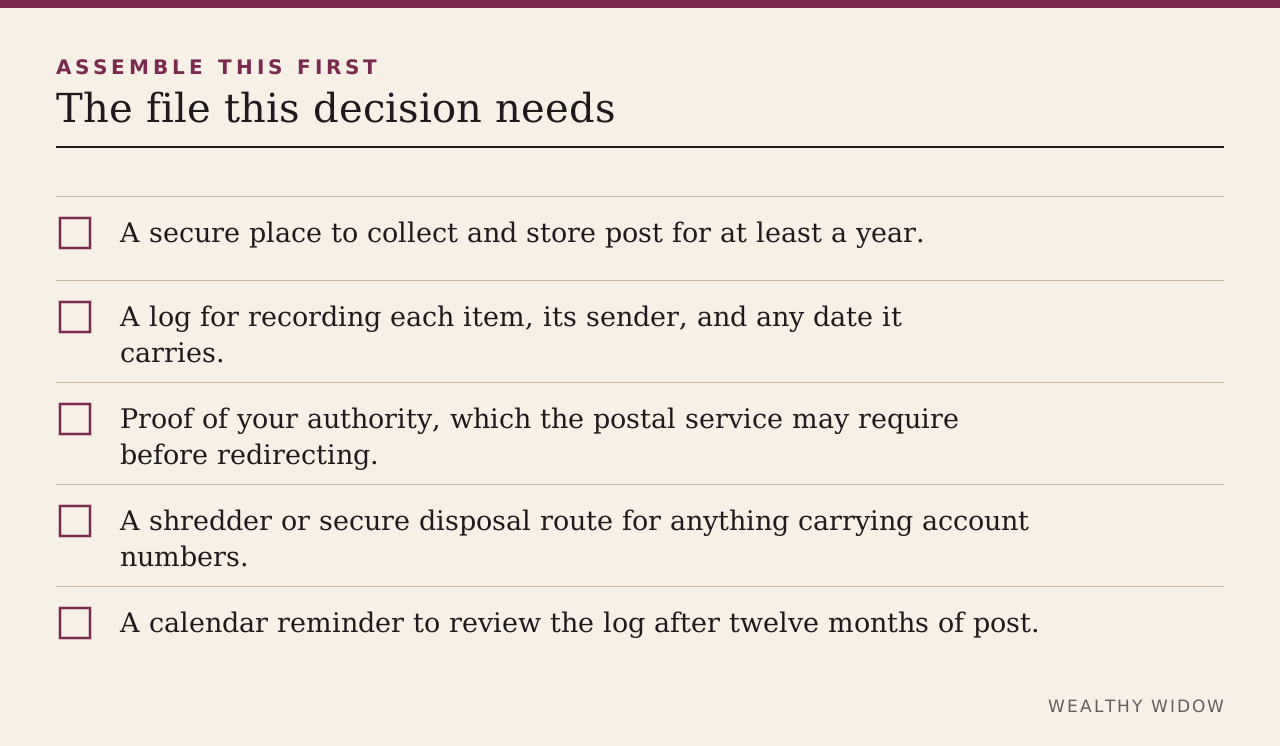
The file below does most of the work of establishing who you are.
- A secure place to collect and store post for at least a year.
- A log for recording each item, its sender, and any date it carries.
- Proof of your authority, which the postal service may require before redirecting.
- A shredder or secure disposal route for anything carrying account numbers.
- A calendar reminder to review the log after twelve months of post.
Do not proceed on a verbal answer
Ask for each of these in a form you can save, date, and produce again months later if it is questioned.
- What authority the postal service requires before redirecting, and who may give it.
- Which recurring letters relate to live obligations rather than closed accounts.
- The date any letter with a stated deadline was received.
- Who else currently has access to the address and its post.
Put these questions directly
A competent professional will welcome these questions. Hesitation is itself information.
- Does the redirection I am considering create any risk to a probate or court notice?
- Which of these letters is a legal notice rather than correspondence?
- Should I be responding to this in writing, and within what period?
- What records from this post should be preserved for tax or estate purposes?
Read the rule yourself
The sources below govern. This guide only summarises them.
- Federal Trade Commission — Identity theft
- Federal Trade Commission — Scams and identity theft
- Consumer Financial Protection Bureau — Help for surviving spouses
The limits of this guide
This is where general guidance ends and your own paperwork takes over. It cannot tell you what redirection rules apply where you live, or whether a particular letter is a legal notice requiring a response within a set period.
What to hold on to
For the first year, treat post as evidence. Collected securely, opened, and logged, it will quietly assemble the account inventory that no memory or checklist could have produced on its own.
For the step that usually comes next, read Joint Accounts: What Survives, What Freezes, and What to Ask.
Primary sources
- Federal Trade Commission — Identity theft
- Federal Trade Commission — Scams and identity theft
- Consumer Financial Protection Bureau — Help for surviving spouses
This article provides general education, not individualized legal, tax, investment, insurance, or benefits advice. Rules and deadlines change; verify the current requirement with the agency and a qualified professional.