First 90 Days
Retirement Plans: The Beneficiary Form Outranks the Will
Retirement accounts pass by beneficiary designation, which means a form completed years ago can override every word of a carefully drafted will.

There is a version of this decision that takes ten minutes and a version that takes a season. Retirement accounts pass by beneficiary designation, which means a form completed years ago can override every word of a carefully drafted will. The difference is whether the facts were assembled first.
Retirement plans are governed by their own documents and designations rather than by the estate. That is a feature of the system rather than an oversight, and it produces outcomes families do not expect.
A form signed in 1998 and never revisited will beat a will signed last year, and nobody finds out until the claim is made.
What is actually on the table
A handful of accurate points does most of the work here, and the rest is noise generated by other people’s urgency. A beneficiary designation on file with the plan generally controls who receives the account. Different plan types offer different options to a surviving spouse, and the choices are not interchangeable. Some elections are irreversible once made, which is why the first call should gather options rather than make them.
Where a plan was terminated or the employer no longer exists, benefits may be traceable through the federal pension insurer. Distribution decisions carry tax consequences that are separate from the plan’s own rules.
The path through this
The order below keeps your options open for as long as possible.
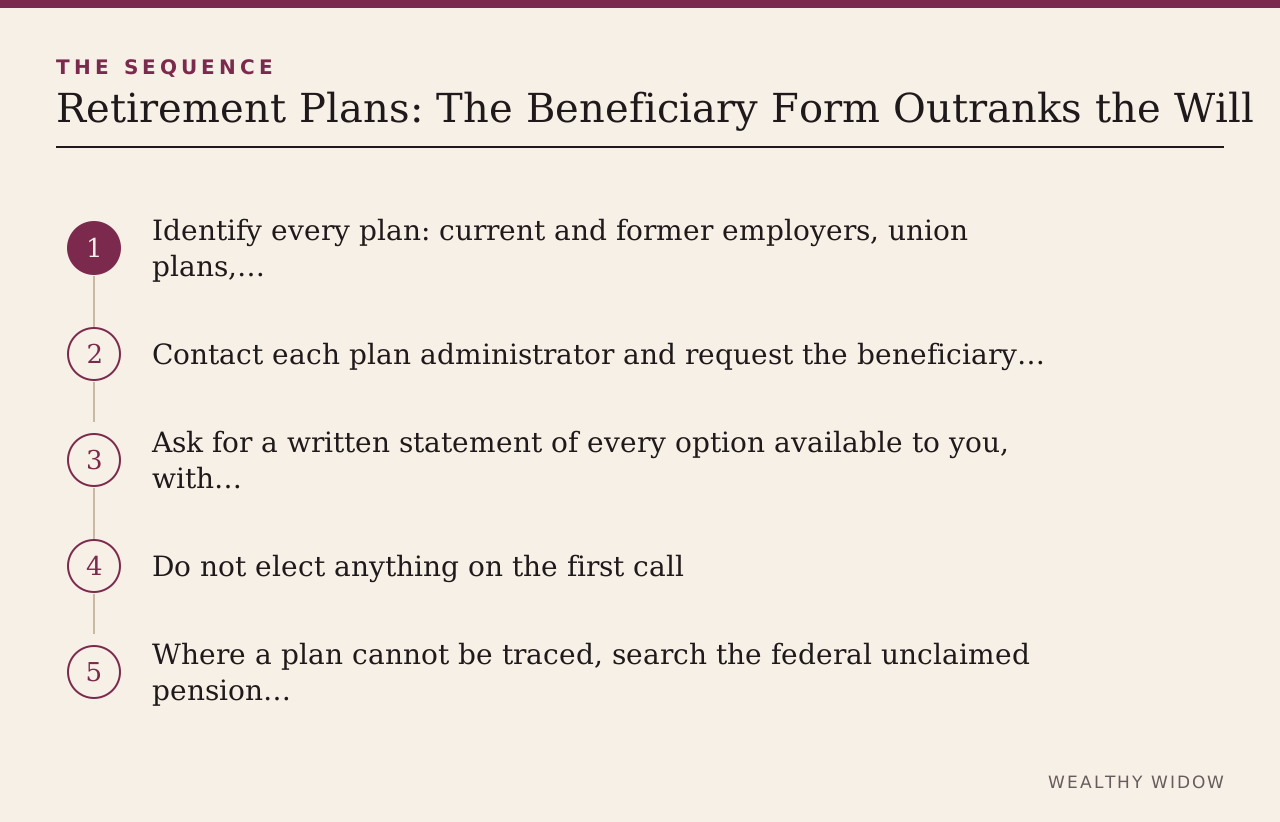
- Identify every plan: current and former employers, union plans, personal accounts, and federal or military service.
- Contact each plan administrator and request the beneficiary designation on file, in writing.
- Ask for a written statement of every option available to you, with the deadline attached to each.
- Do not elect anything on the first call. Take the written options away and consider them.
- Where a plan cannot be traced, search the federal unclaimed pension resources before concluding it is gone.
What tends to catch people out
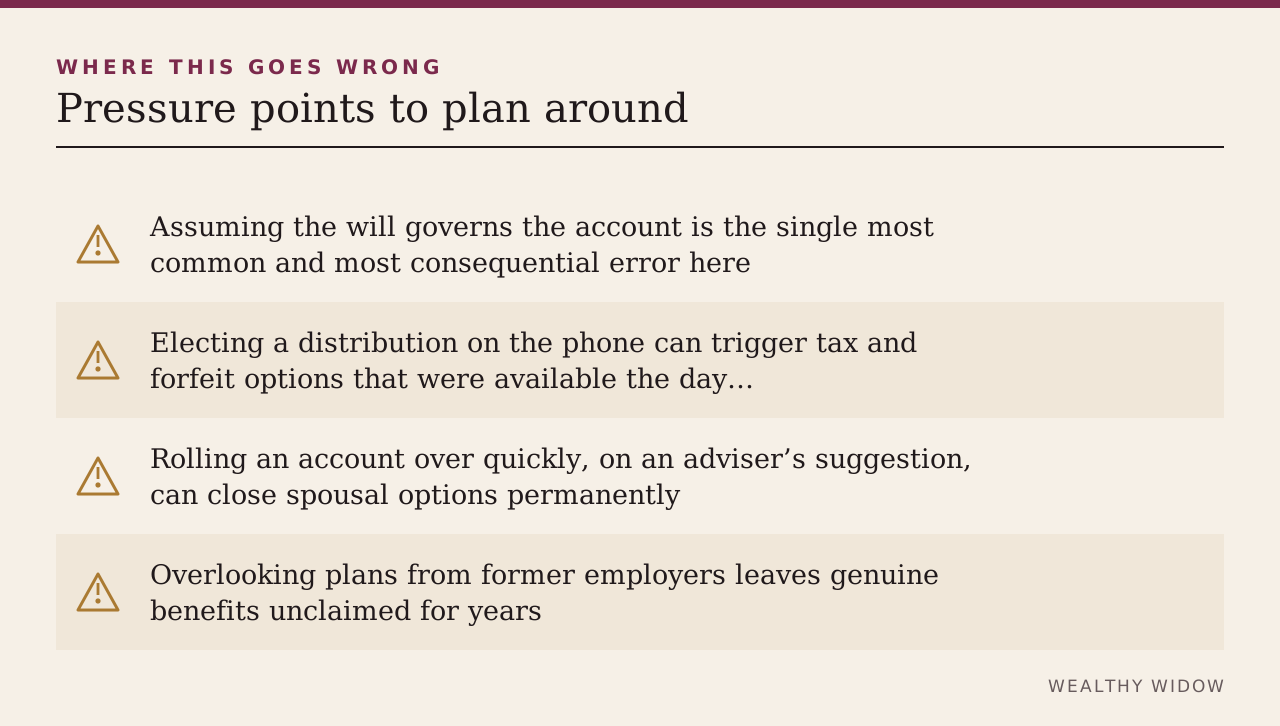
Treat each of the following as a reason to slow down. Assuming the will governs the account is the single most common and most consequential error here.
Electing a distribution on the phone can trigger tax and forfeit options that were available the day before. Rolling an account over quickly, on an adviser’s suggestion, can close spousal options permanently. Overlooking plans from former employers leaves genuine benefits unclaimed for years.
The file this decision needs
Keep these together in one place, and note where every copy goes and on what date it was sent.
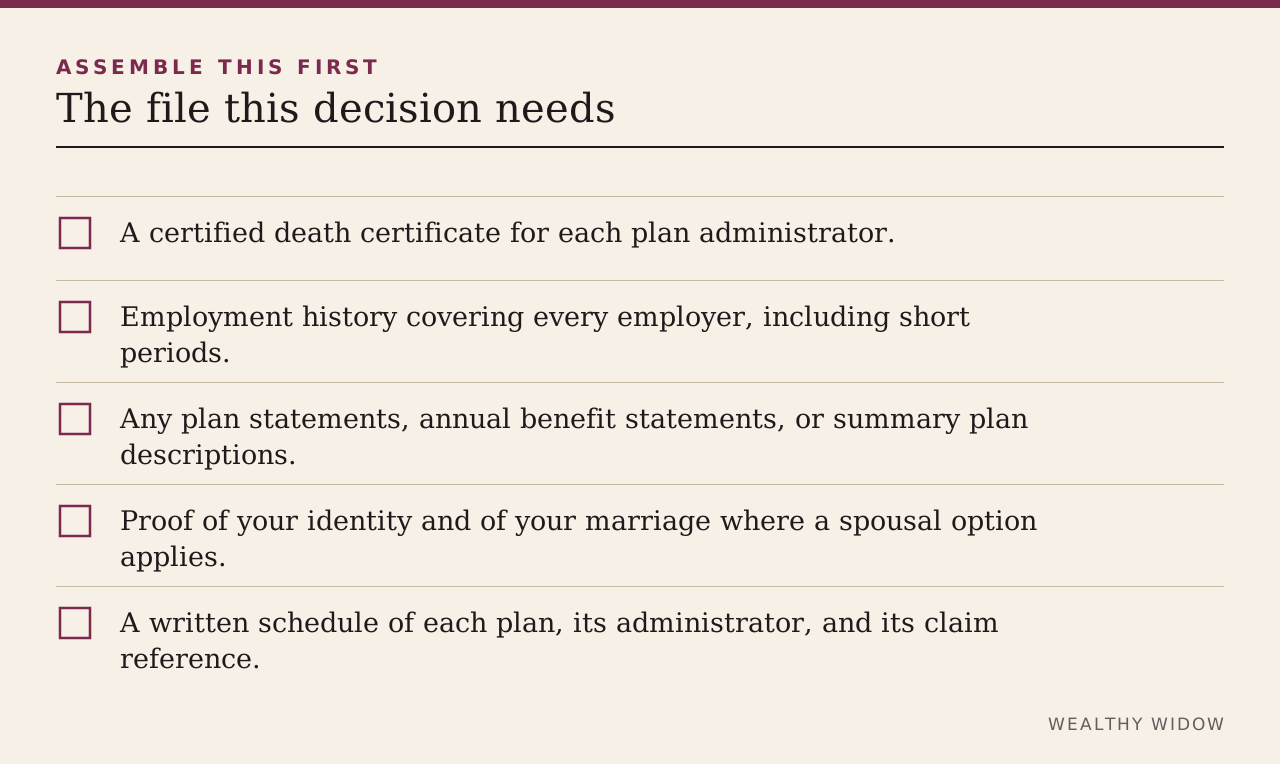
- A certified death certificate for each plan administrator.
- Employment history covering every employer, including short periods.
- Any plan statements, annual benefit statements, or summary plan descriptions.
- Proof of your identity and of your marriage where a spousal option applies.
- A written schedule of each plan, its administrator, and its claim reference.
Get these in writing
Put each item below in your file with a date and a named source.
- The beneficiary designation of record for each plan.
- Every option available to you, with the deadline for each.
- Which elections are irreversible.
- The tax treatment the plan will apply to each option.
The questions worth asking
These are the questions whose answers change what you decide, rather than merely confirming what you assumed.
- What options does a surviving spouse have here that other beneficiaries do not?
- Which of these elections cannot be undone?
- What is the deadline for each option, and where is it stated?
- What are the tax consequences of each option in my circumstances?
Confirm this against the rule
Do not take this guide as the authority. Each source below states the current rule for the part of this decision it covers.
- Internal Revenue Service — Retirement topics, beneficiary
- U.S. Department of Labor — Reporting and disclosure guide for employee benefit plans
- Pension Benefit Guaranty Corporation — Workers and retirees
- U.S. Office of Personnel Management — Survivor benefits
What is outside this
What follows is outside anything written for a general readership. It cannot tell you which election is right. That depends on your age, your other income, your tax position, and the specific terms of the plan document.
The short version
Gather every option in writing before electing anything. Retirement plan decisions are among the least reversible in this entire period, and the first call is for collecting information, not for choosing.
For the step that usually comes next, read Health Coverage: The Gap That Opens Quietly.
Primary sources
- Internal Revenue Service — Retirement topics, beneficiary
- U.S. Department of Labor — Reporting and disclosure guide for employee benefit plans
- Pension Benefit Guaranty Corporation — Workers and retirees
- U.S. Office of Personnel Management — Survivor benefits
This article provides general education, not individualized legal, tax, investment, insurance, or benefits advice. Rules and deadlines change; verify the current requirement with the agency and a qualified professional.