First 90 Days
Ghosting: Why Fraud Follows an Obituary
Identity theft using the details of someone who has died is common, organised, and usually discovered months later by the surviving family.

You may be told this is simply a form to sign. It is a decision with consequences. Identity theft using the details of someone who has died is common, organised, and usually discovered months later by the surviving family.
Death notices are public, and they supply exactly the details needed to impersonate someone whose records will not be checked for a while. The window is predictable, which means it can be closed.
An obituary supplies most of what an impersonator needs, and nobody is monitoring the records of a person who has died.
Start by naming the decision correctly
Before any advice, the ground facts. An obituary typically supplies full name, dates, family relationships, and location, which is most of what an impersonator needs. Credit files do not close automatically on death and can remain open to applications. Fraudulent tax filings using the details of a person who has died are a recognised pattern.
Callers frequently open by demonstrating knowledge of the death, which is evidence of nothing. Detection is usually late because nobody is monitoring the records of a person who has died.
The order of operations
Work through this deliberately. Each step assumes the one before it is done.
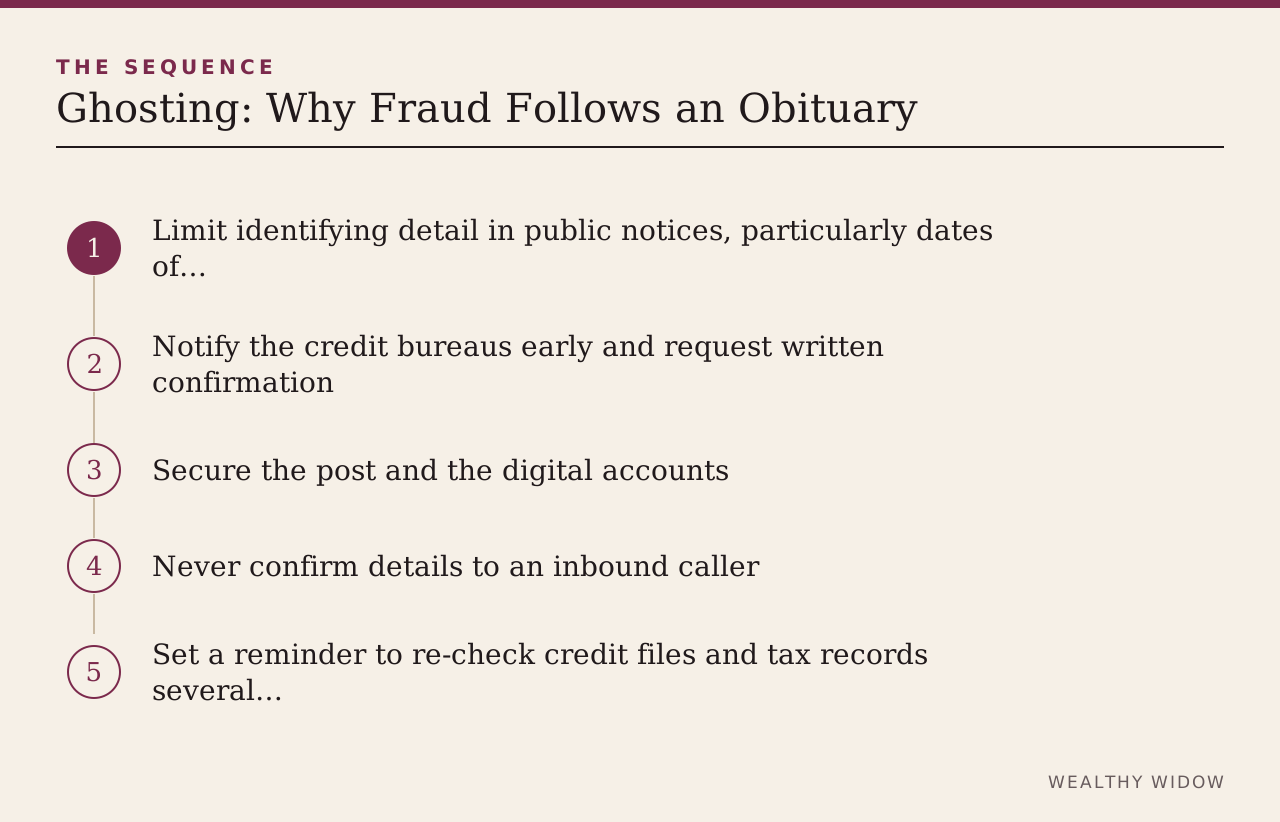
- Limit identifying detail in public notices, particularly dates of birth and maiden names.
- Notify the credit bureaus early and request written confirmation.
- Secure the post and the digital accounts, since both are common entry points.
- Never confirm details to an inbound caller; end the call and dial a number you have located yourself.
- Set a reminder to re-check credit files and tax records several months later, when fraud usually surfaces.
Where readers most often get hurt
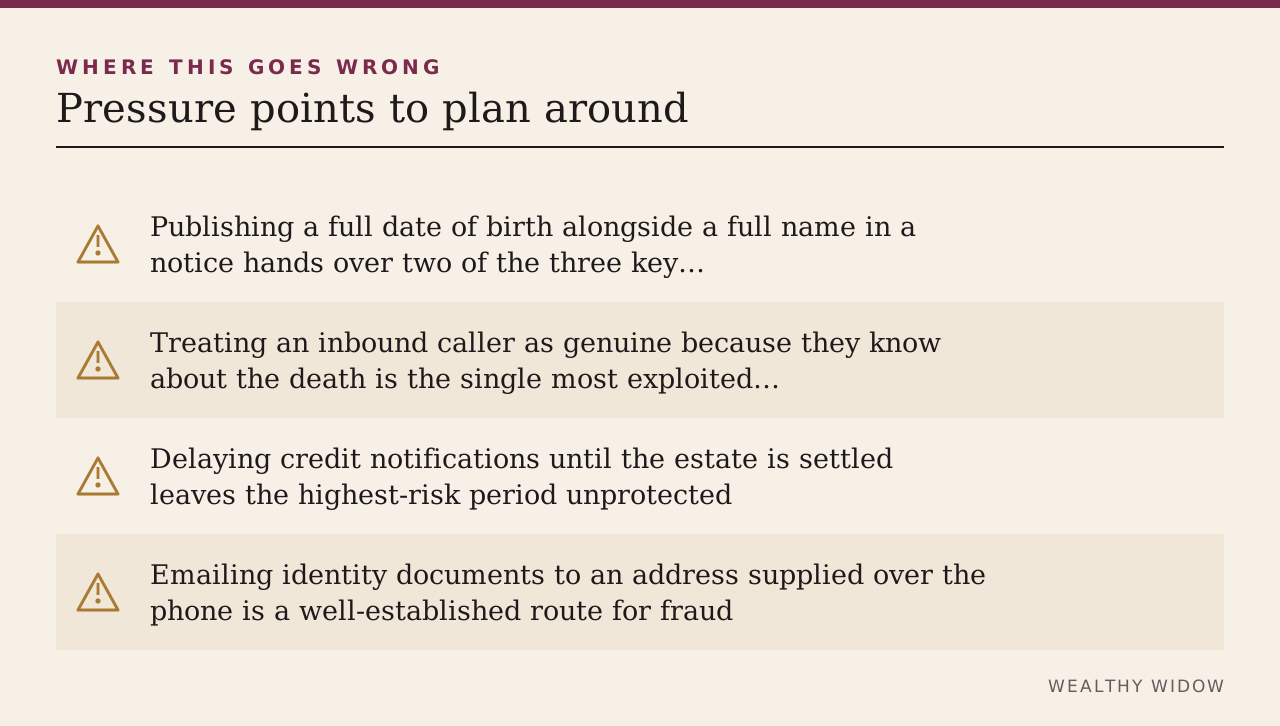
Anticipating these is most of the protection available to you, and it costs nothing but attention. Publishing a full date of birth alongside a full name in a notice hands over two of the three key identifiers.
Treating an inbound caller as genuine because they know about the death is the single most exploited assumption. Delaying credit notifications until the estate is settled leaves the highest-risk period unprotected. Emailing identity documents to an address supplied over the phone is a well-established route for fraud.
What you will be asked to produce
Assemble this before the first conversation rather than during it.
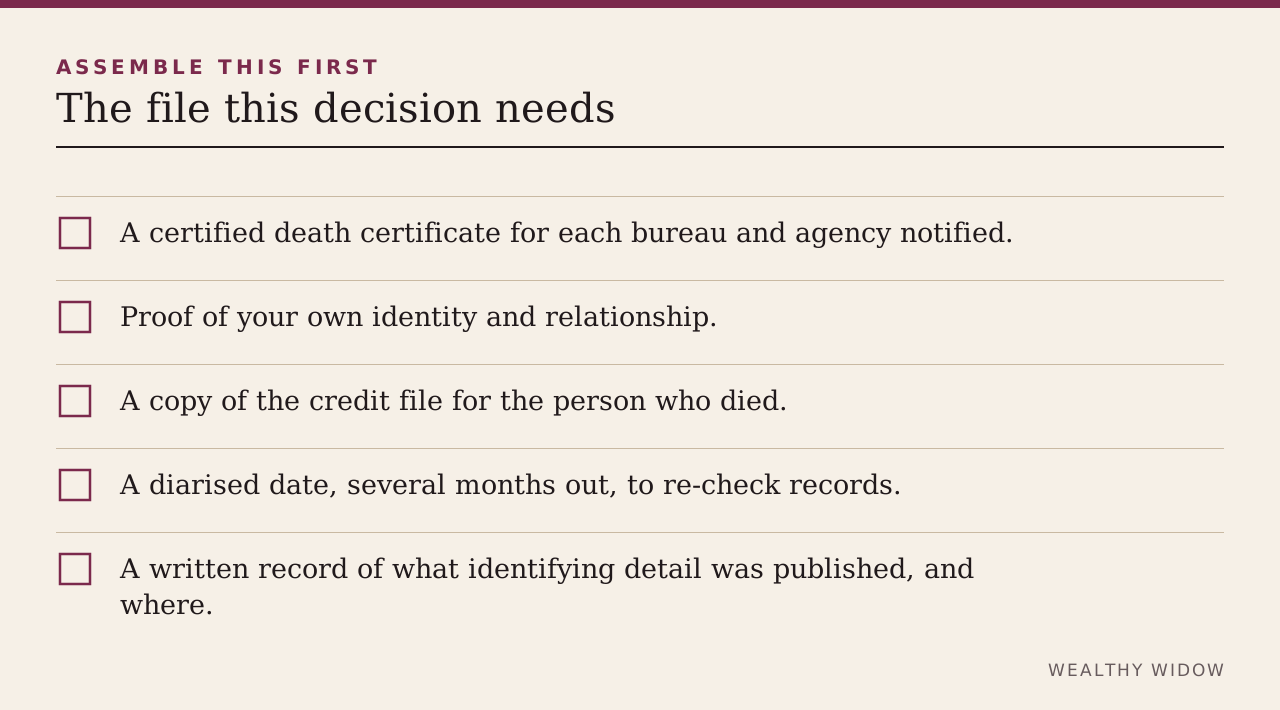
- A certified death certificate for each bureau and agency notified.
- Proof of your own identity and relationship.
- A copy of the credit file for the person who died.
- A diarised date, several months out, to re-check records.
- A written record of what identifying detail was published, and where.
Confirm these in writing before you act
Written confirmation is not distrust. It is ordinary governance. Ask for each of these.
- Written confirmation that each credit bureau has flagged the file.
- What identifying detail was published, and where.
- The official contact routes for each agency, located independently.
- A diarised date for a follow-up records check.
What to put to your adviser
Take these to whoever is advising you, in writing if you can.
- What monitoring is available for the records of a person who has died?
- What is the reporting route if fraud has already occurred?
- How do I verify that a caller claiming to be from your agency is genuine?
- What documentation should I keep in case a fraudulent account appears later?
Read the agency, not this summary
Treat these as the authority and this guide as an index to them.
- Federal Trade Commission — Identity theft
- Federal Trade Commission — Scams and identity theft
- Social Security Administration — Protect yourself from Social Security scams
- Social Security Administration Office of the Inspector General — Report fraud
What only your documents can answer
This is where a guide stops being useful and your own paperwork takes over. It cannot tell you whether fraud has already occurred. Only the credit files, tax records, and account statements will show that, and they need checking rather than assuming.
The last word on this
The risk here is predictable, which is what makes it manageable. Restraint in the public notice, early credit notification, secured post, and a diarised follow-up close most of the window before anyone can use it.
If this raised a further question, Notifying a Life Insurer: The First Call Sets the Timetable takes it further.
Primary sources
- Federal Trade Commission — Identity theft
- Federal Trade Commission — Scams and identity theft
- Social Security Administration — Protect yourself from Social Security scams
- Social Security Administration Office of the Inspector General — Report fraud
This article provides general education, not individualized legal, tax, investment, insurance, or benefits advice. Rules and deadlines change; verify the current requirement with the agency and a qualified professional.