First 90 Days
Family Requests: Acknowledging Without Deciding
Requests for possessions, money, and decisions arrive early and often. A single holding sentence protects both the estate and the relationships.

Widowhood arrives with a queue of decisions that all look equally urgent. Requests for possessions, money, and decisions arrive early and often. A single holding sentence protects both the estate and the relationships. They are not the same task, and treating them as one is how good decisions get made badly.
Requests from family are rarely malicious and are frequently urgent in tone. Handling them well is less about firmness than about having a prepared response that defers without refusing.
Deferring a decision is not refusing it, and saying that out loud usually removes most of the pressure.
Getting the question right first
These are the points the rest of the decision rests on, so it is worth being sure of them before going further. Personal possessions may be controlled by a will, a trust, a title, or state law rather than by agreement among relatives. An item given away early cannot easily be recovered if it turns out to have been specifically bequeathed. Loans and gifts made from estate funds before authority is established can create personal liability.
Verbal promises made by the person who died are frequently sincere and frequently unenforceable. Deferring a decision is not a refusal, and saying so explicitly usually defuses the pressure.
Where to start, and what follows
Take it in this sequence. Reversing the order tends to create work rather than save it, and occasionally forecloses a choice.
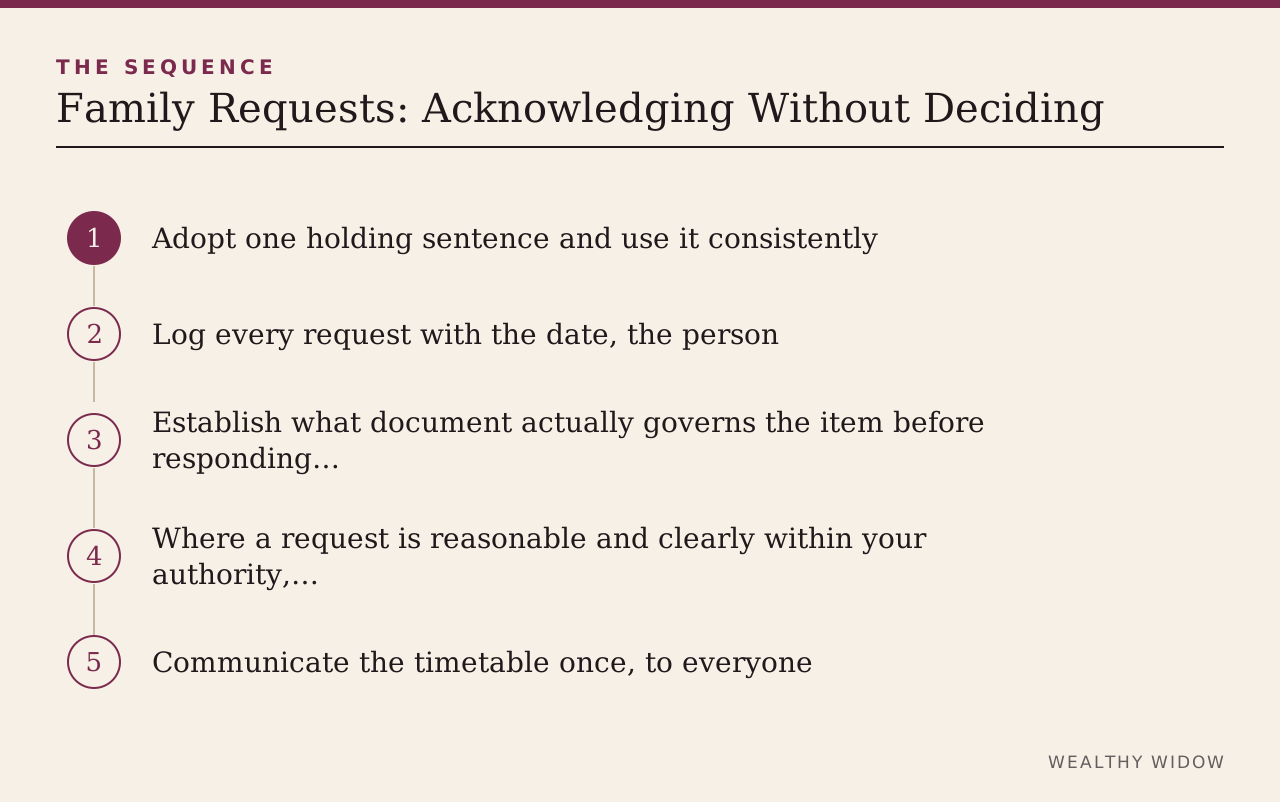
- Adopt one holding sentence and use it consistently, so nobody feels singled out.
- Log every request with the date, the person, and the item or amount sought.
- Establish what document actually governs the item before responding on the merits.
- Where a request is reasonable and clearly within your authority, deal with it promptly and record it.
- Communicate the timetable once, to everyone, rather than negotiating individually.
Where this commonly goes wrong
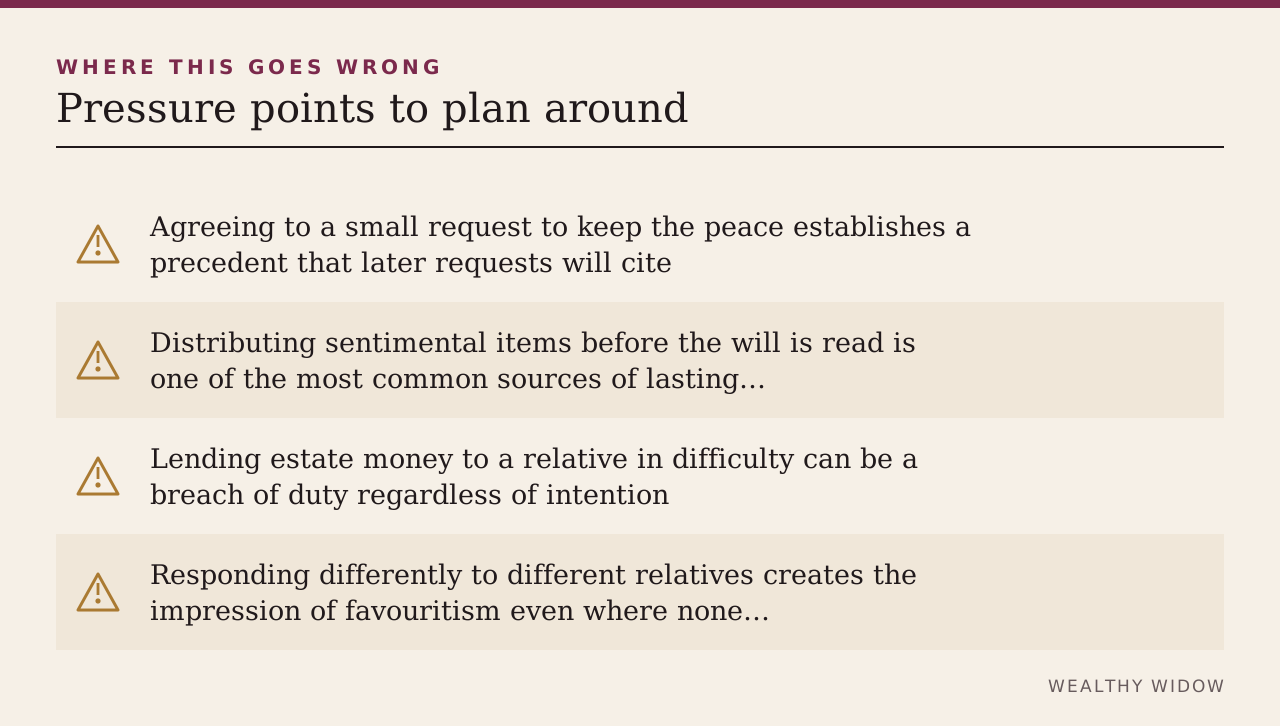
Watch for the following, and treat each as a reason to slow down. Agreeing to a small request to keep the peace establishes a precedent that later requests will cite.
Distributing sentimental items before the will is read is one of the most common sources of lasting family rupture. Lending estate money to a relative in difficulty can be a breach of duty regardless of intention. Responding differently to different relatives creates the impression of favouritism even where none exists.
Assemble the file
Having the file complete before the first call removes most of the back and forth that follows.
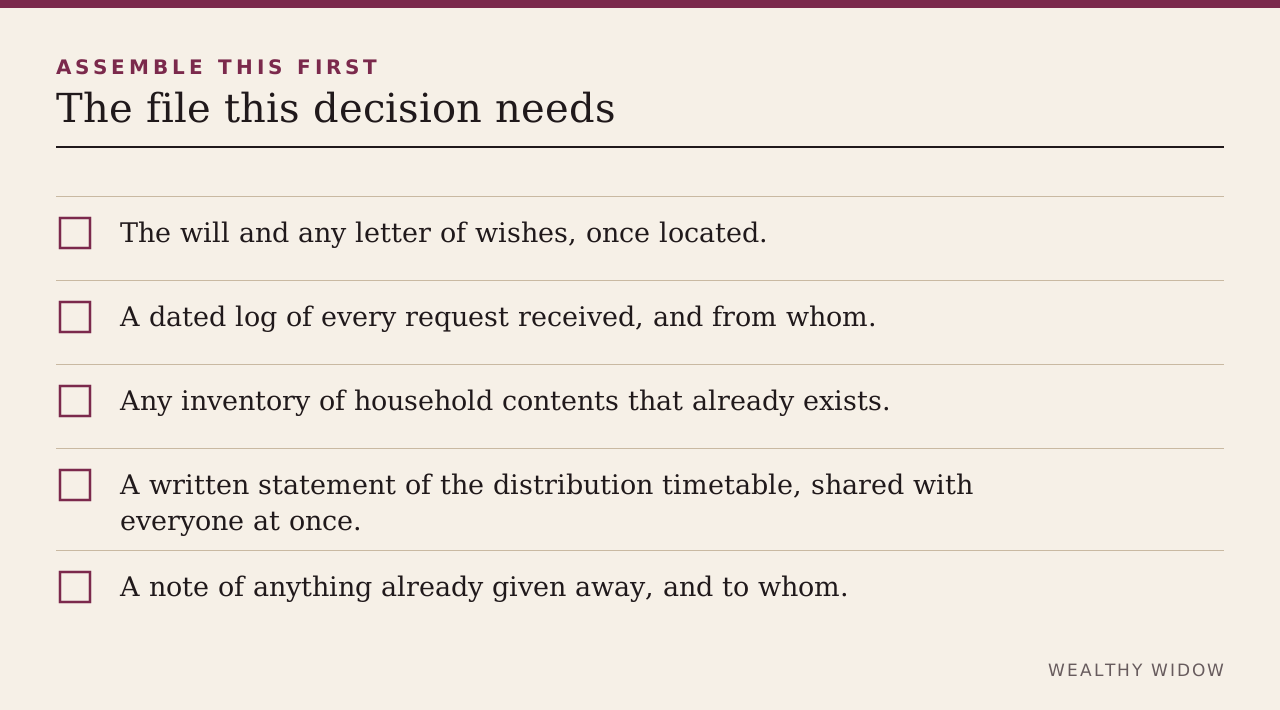
- The will and any letter of wishes, once located.
- A dated log of every request received, and from whom.
- Any inventory of household contents that already exists.
- A written statement of the distribution timetable, shared with everyone at once.
- A note of anything already given away, and to whom.
Ask for this in writing
Each item below should exist somewhere other than your memory, because memory is not evidence in a dispute.
- What document governs each contested item.
- Your authority, if any, to distribute anything at this stage.
- A dated record of each request received.
- The distribution timetable, communicated in writing to everyone.
The questions to bring to the meeting
Take these to the attorney, tax professional, or planner handling this work.
- What am I permitted to distribute before the estate is administered?
- What is my exposure if I distribute an item that was specifically bequeathed?
- How should verbal promises made by my spouse be treated?
- What is the appropriate way to record requests I have deferred?
Where the current rule lives
Read the source directly for any figure, date, or threshold that will actually drive a decision you make.
- Consumer Financial Protection Bureau — Taking control of your finances, help for surviving spouses
- Consumer Financial Protection Bureau — Help for surviving spouses
- National Institute on Aging — What to do after someone dies
What this cannot decide for you
General guidance sets out the shape of a decision. Your documents settle it. It cannot resolve a disputed promise or a contested item. Where a genuine dispute exists, it needs a lawyer rather than a family meeting.
Before you move on
One sentence, used consistently, does most of the work: you are recording the request and will respond once authority and the governing documents are confirmed. It is neither a refusal nor a promise, and it holds.
If this raised a further question, Cash Flow in the First Weeks: How Much, For How Long, From Where takes it further.
Primary sources
- Consumer Financial Protection Bureau — Taking control of your finances, help for surviving spouses
- Consumer Financial Protection Bureau — Help for surviving spouses
- National Institute on Aging — What to do after someone dies
This article provides general education, not individualized legal, tax, investment, insurance, or benefits advice. Rules and deadlines change; verify the current requirement with the agency and a qualified professional.