Life After Loss
Sorting Belongings: The Task Everyone Has an Opinion About
Well-meaning people will encourage you to clear the house. There is no timetable, and there are good reasons not to hurry.

The difficulty here is rarely the paperwork. It is knowing what is actually being asked. Well-meaning people may encourage you to clear the house, but social pressure is not a legal deadline. Estate, lease, insurance, sale, and tax circumstances can create real deadlines, so confirm them before disposing of property or records.
Clearing belongings sits awkwardly between practical necessity and emotional weight, and the pressure to do it usually comes from people who find the situation uncomfortable rather than from any real deadline.
Nothing you keep this year cannot be dealt with next year, and several things you dispose of this year cannot be recovered at all.
Name the decision before you make it
The facts that govern this are narrower than the anxiety around it. The will, local probate rules, ownership, and any deadline to vacate or sell control what can be distributed and when. Some items have documentary or financial significance that is not obvious, including records supporting basis. When authority is uncertain, pause and ask the estate lawyer or local legal-aid provider.
Specific bequests in a will may direct particular items regardless of family preference. Working in short sessions with a companion is widely reported as more manageable than a single effort.
How to work through it
Follow it in order, and leave anything requiring a signature until the end rather than the beginning.
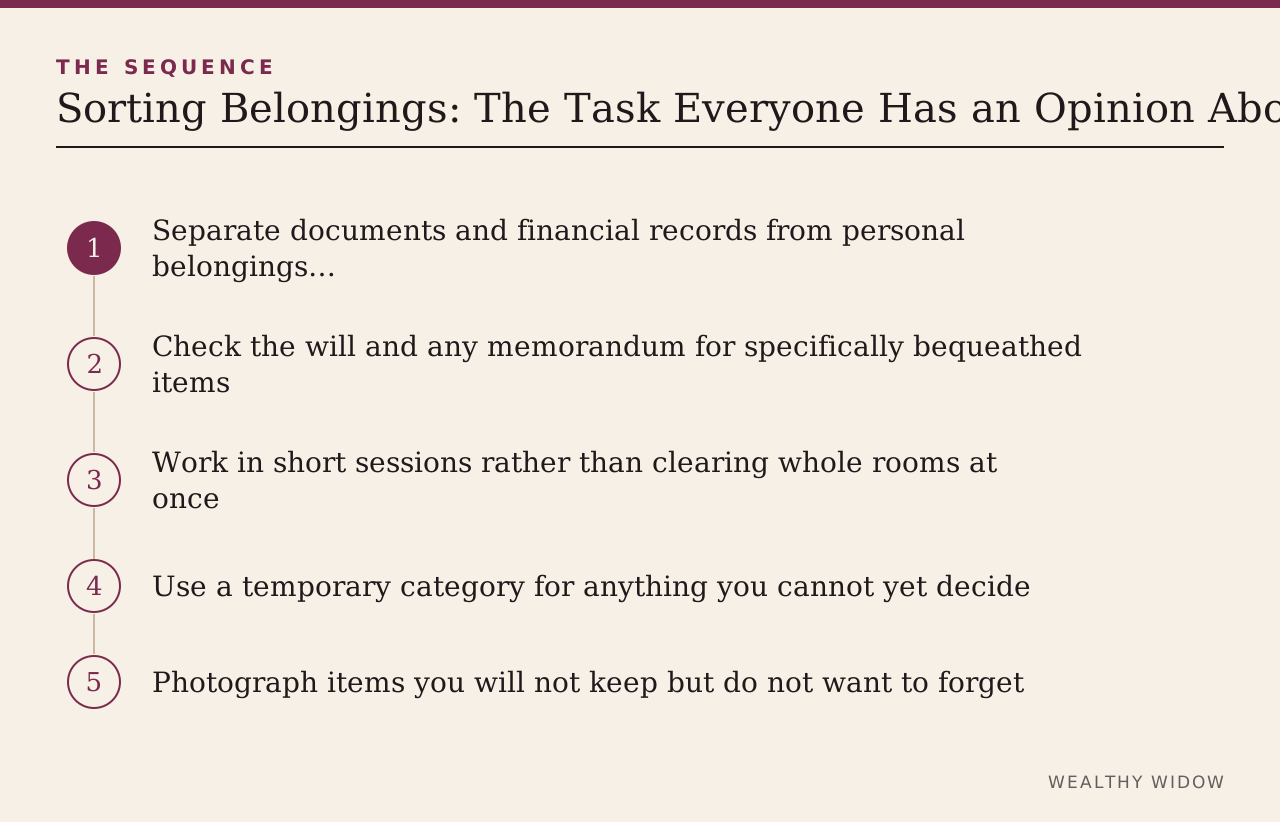
- Separate documents and financial records from personal belongings before anything is cleared.
- Check the will and any memorandum for specifically bequeathed items.
- Work in short sessions rather than clearing whole rooms at once.
- Use a temporary category for anything you cannot yet decide, and revisit it later.
- Photograph items you will not keep but do not want to forget.
Known hazards
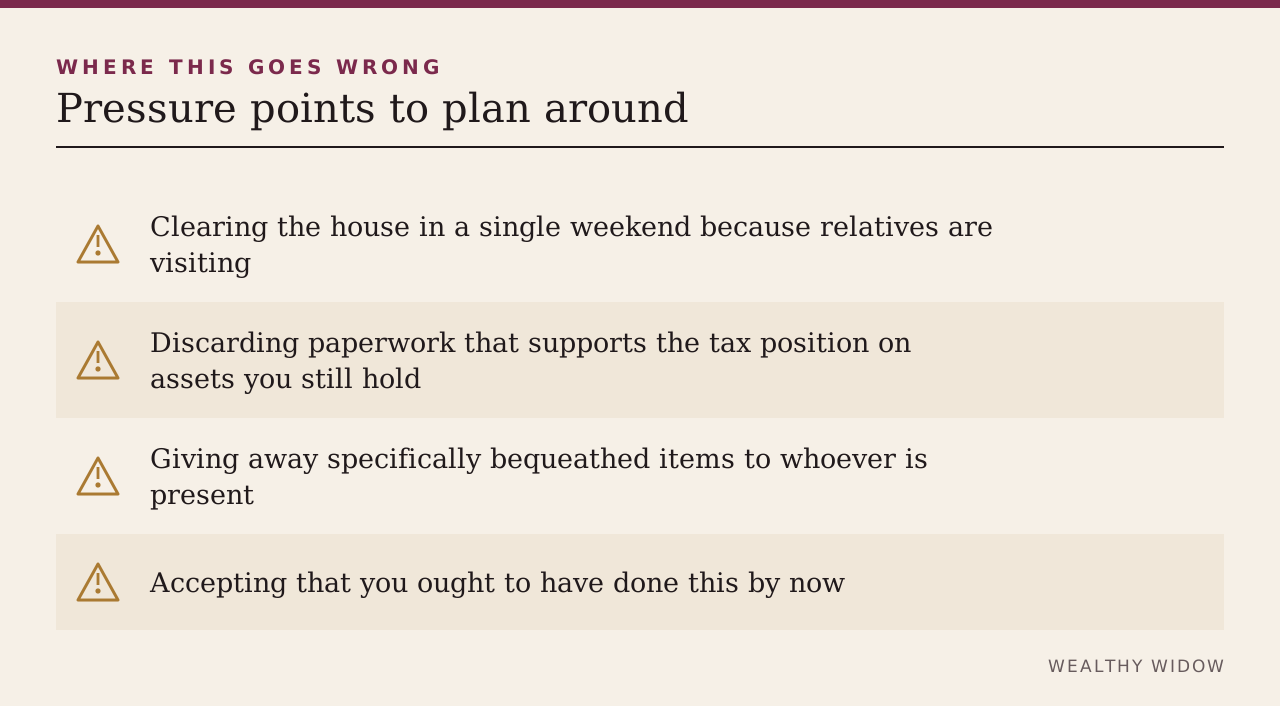
Each of the following is a signal to pause and confirm rather than to proceed on the assumption that it is fine. Clearing the house in a single weekend because relatives are visiting.
Discarding paperwork that supports the tax position on assets you still hold. Giving away specifically bequeathed items to whoever is present. Accepting that you ought to have done this by now, which is a social expectation rather than a requirement.
The documents to assemble first
The evidence below does most of the work of establishing who you are and what you may do.
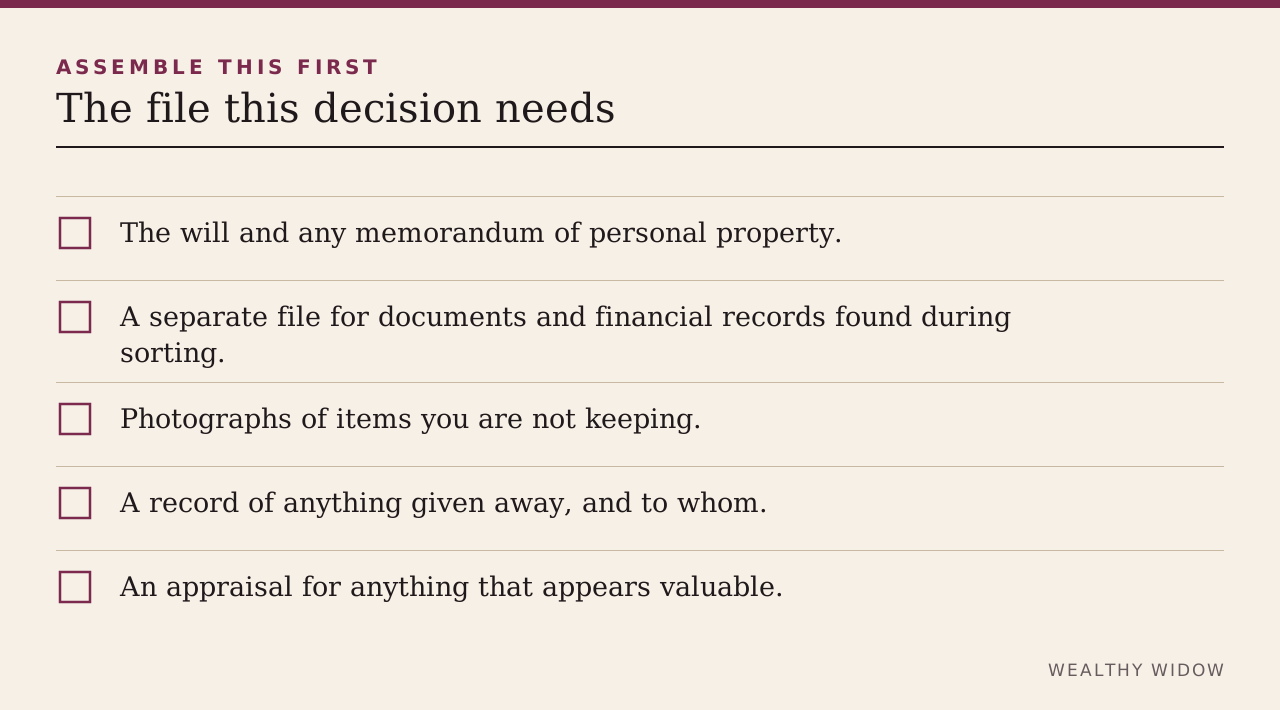
- The will and any memorandum of personal property.
- A separate file for documents and financial records found during sorting.
- Photographs of items you are not keeping.
- A record of anything given away, and to whom.
- An appraisal for anything that appears valuable.
Get it on paper
Ask for each of the following in writing, by letter, secure message, or email you can save.
- That no specifically bequeathed item has been distributed.
- That documents and records have been separated before clearance.
- That anything potentially valuable has been appraised.
- That there is no actual deadline requiring this to be done now.
Questions for the person advising you
Put these directly, note the answers, and record who gave them and when.
- Is there any deadline that requires this to be done by a particular date?
- Which of these documents should I keep for tax or estate purposes?
- Does this item appear valuable enough to be appraised?
- What did the will direct about specific items?
Check this against the source
These are the primary sources behind this guide. They are the ones that change, and the ones worth checking before you act.
- National Institute on Aging — What to do after someone dies
- National Institute on Aging — Coping with grief and loss
- Internal Revenue Service — Publication 551, basis of assets
- Legal Services Corporation — Find legal help
The questions this cannot reach
No account written for a general readership can reach the following, and it should not pretend to. It cannot tell you what to keep, and nobody else can either. It can note that the financial and documentary sorting has rules while the rest does not.
Taking it from here
Separate the paperwork first, check the will, and identify any estate, housing, insurance, sale, or tax deadline. Once those constraints are documented, the emotionally significant sorting can proceed at a pace that fits you.
Our related guide Living Alone: The Practical Adjustments Nobody Lists covers the adjacent problem.
Primary sources
- National Institute on Aging — What to do after someone dies
- National Institute on Aging — Coping with grief and loss
- Internal Revenue Service — Publication 551, basis of assets
- Legal Services Corporation — Find legal help
This article provides general education, not individualized legal, tax, investment, insurance, or benefits advice. Rules and deadlines change; verify the current requirement with the agency and a qualified professional.