Taxes
When the Number Does Not Look Right
A refund or a bill that seems wrong frequently is, and there are established routes for having it looked at again.

The difficulty here is rarely the paperwork. It is knowing what is actually being asked. A refund or a bill that seems wrong frequently is, and there are established routes for having it looked at again.
Assessments are calculated from information reported by third parties, which is frequently incomplete in the year of a death. Questioning a figure is ordinary rather than confrontational.
An assessment is a position taken on information held, and where the information is incomplete the position can be revisited.
Separate the label from the decision
These are the points the rest of the decision rests on, so it is worth being sure of them before going further. Assessments are generated from reported information, which may be incomplete or misallocated. Income reported for the full year may not have been split at the date of death. There are defined routes to request a review, with deadlines attached.
Paying an incorrect assessment does not prevent a later correction, but complicates it. The advocate service can assist where a matter is not being resolved through normal channels or where it is causing genuine financial hardship.
A working sequence for this decision
Take it in this sequence. Reversing the order tends to create work rather than save it, and occasionally forecloses a choice.
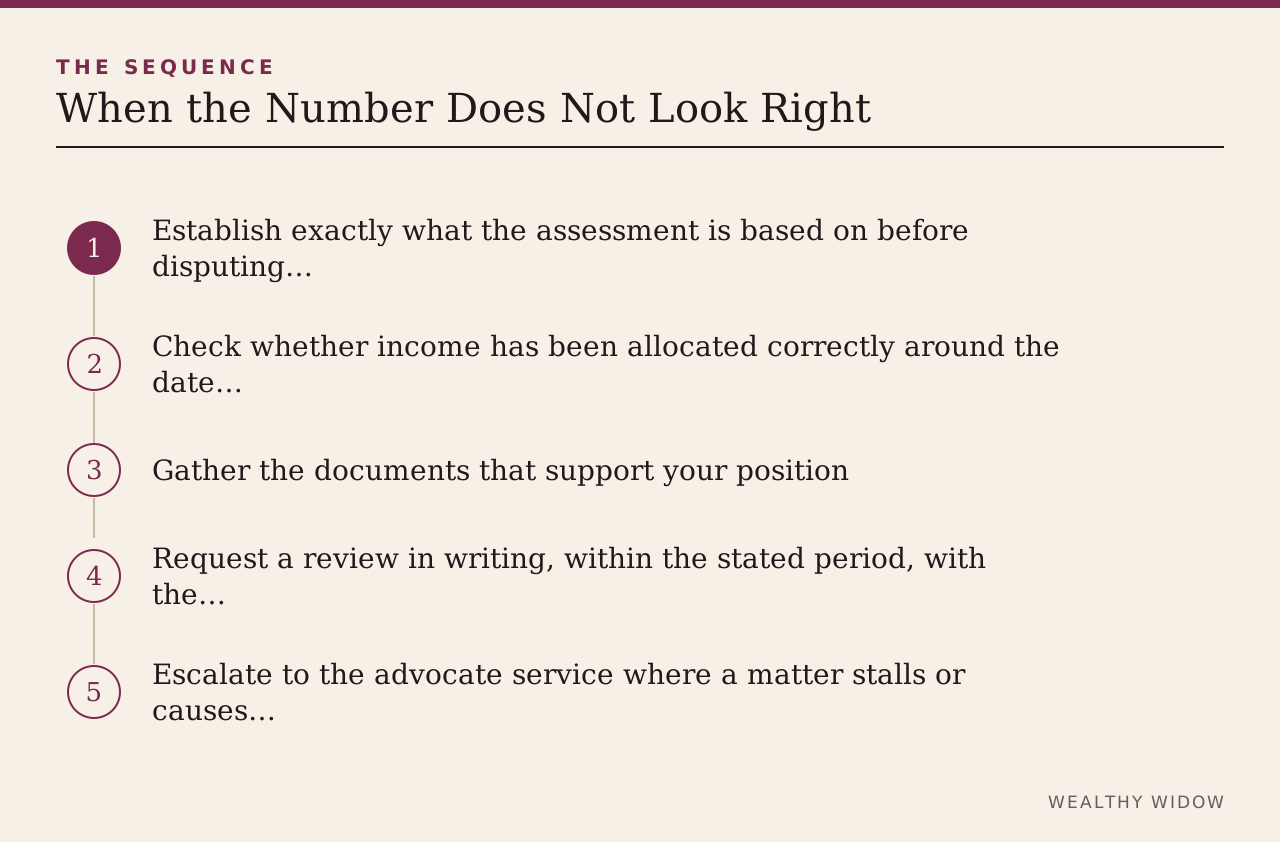
- Establish exactly what the assessment is based on before disputing anything.
- Check whether income has been allocated correctly around the date of death.
- Gather the documents that support your position.
- Request a review in writing, within the stated period, with the evidence attached.
- Escalate to the advocate service where a matter stalls or causes hardship.
The predictable errors
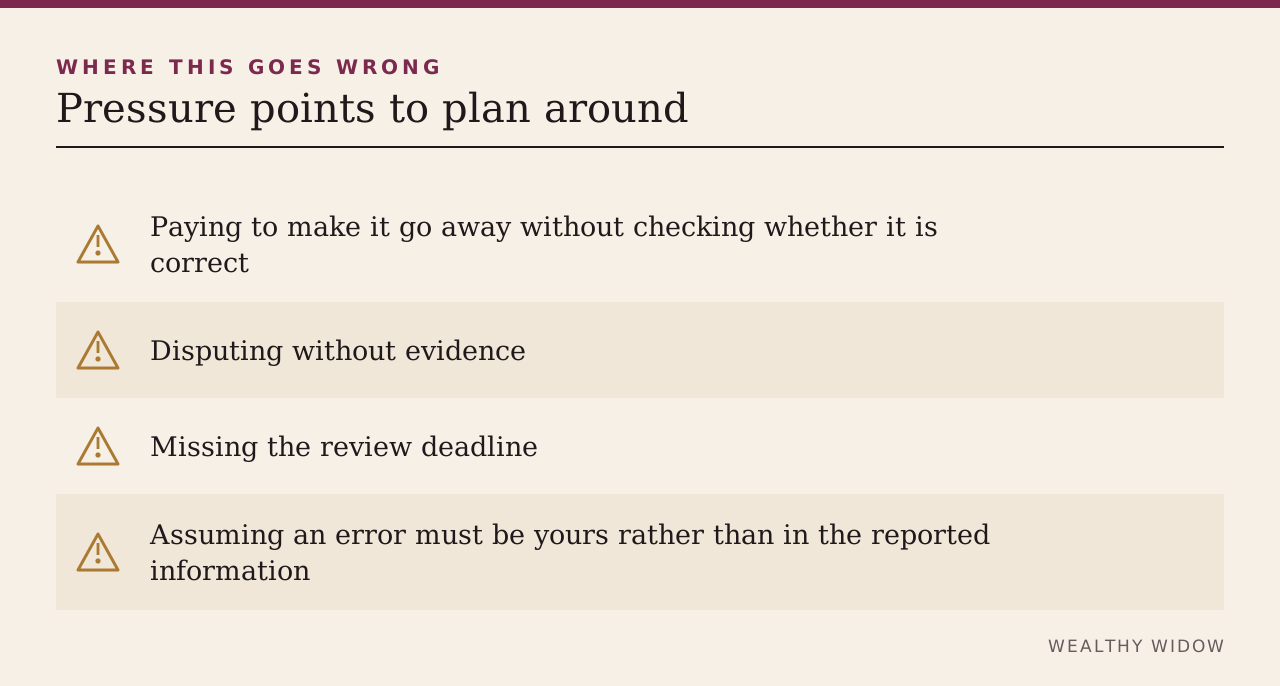
Watch for the following, and treat each as a reason to slow down. Paying to make it go away without checking whether it is correct.
Disputing without evidence, which rarely succeeds. Missing the review deadline, which narrows the available routes. Assuming an error must be yours rather than in the reported information.
Assemble the file
Having the file complete before the first call removes most of the back and forth that follows.
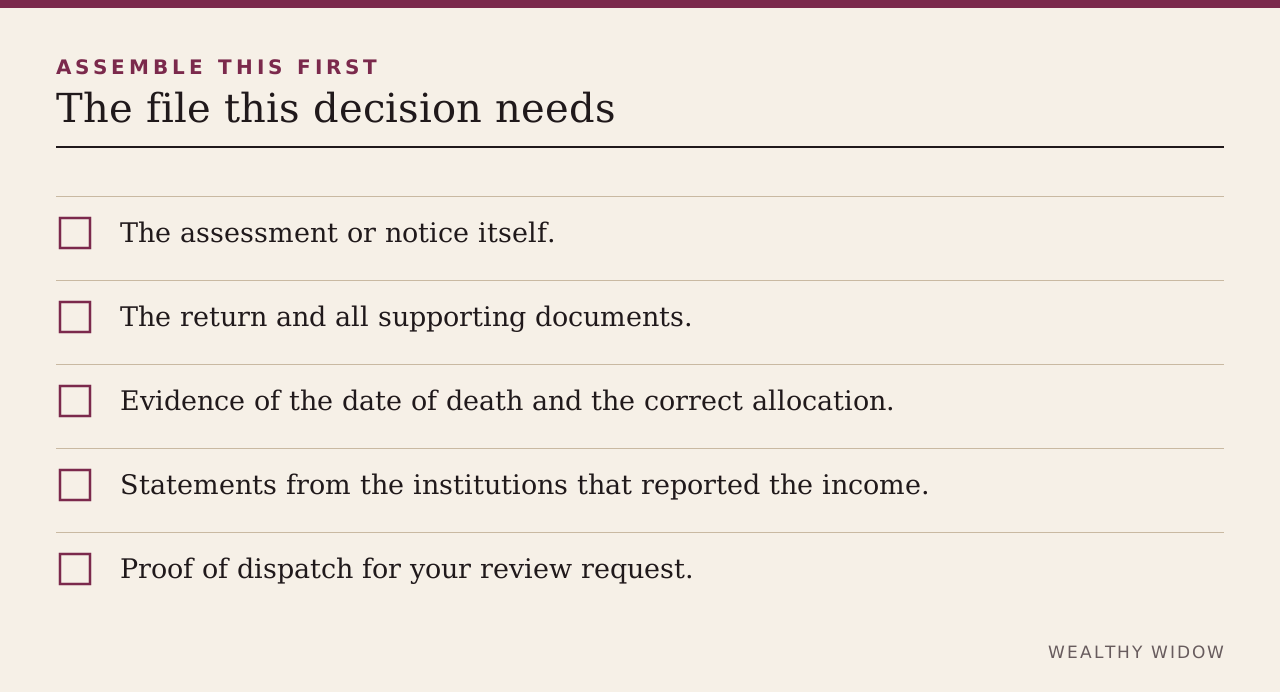
- The assessment or notice itself.
- The return and all supporting documents.
- Evidence of the date of death and the correct allocation.
- Statements from the institutions that reported the income.
- Proof of dispatch for your review request.
Written confirmation to insist on
Before you act on what you have been told, hold written confirmation of each point.
- What the assessment is actually based on.
- Whether income has been allocated correctly.
- The deadline for requesting a review.
- What evidence supports your position.
Take these questions to your adviser
Ask these before an engagement letter is signed, while you still have every option open to you.
- What information is this assessment based on?
- Has income been allocated correctly around the date of death?
- What is the deadline for requesting a review?
- What evidence would you need to change this?
Read the agency, not this summary
Treat these as the authority and this guide as an index to them.
- Taxpayer Advocate Service — An independent organization within the IRS
- Internal Revenue Service — Who may use the Taxpayer Advocate Service
- Internal Revenue Service — Payment plans and installment agreements
- Internal Revenue Service — Identity theft central
What only your documents can answer
This is where a guide stops being useful and your own paperwork takes over. It cannot review an assessment, and where the amount is significant a professional should handle the correspondence.
The last word on this
Establish the basis, check the allocation, and request a review in writing within the period. Incomplete third-party reporting is common in the year of a death, and it is exactly what a review corrects.
For the step that usually comes next, read Choosing Which Year Income Falls Into.
Primary sources
- Taxpayer Advocate Service — An independent organization within the IRS
- Internal Revenue Service — Who may use the Taxpayer Advocate Service
- Internal Revenue Service — Payment plans and installment agreements
- Internal Revenue Service — Identity theft central
This article provides general education, not individualized legal, tax, investment, insurance, or benefits advice. Rules and deadlines change; verify the current requirement with the agency and a qualified professional.