Estate
Date of Death Values: The Numbers Everything Else Is Built On
Estate valuations are taken at a fixed moment, and those figures drive the tax position, the accounting, and what beneficiaries eventually receive.

There is a version of this decision that takes ten minutes and a version that takes a season. Estate valuations are taken at a fixed moment, and those figures drive the tax position, the accounting, and what beneficiaries eventually receive. The difference is whether the facts were assembled first.
Valuation feels like a formality until it is questioned, at which point the quality of the original evidence determines whether the figure holds. It also drives the basis that beneficiaries inherit.
A valuation established properly at the outset is evidence. One reconstructed two years later is an argument.
The shape of this decision
The facts that govern this are narrower than the anxiety around it. Estate assets are generally valued as at the date of death, not as at the date of administration. The value established can determine the basis a beneficiary takes, which affects their tax on a later sale. Different asset classes require different valuation evidence, from statements to formal appraisals.
Certain estates may have an alternative valuation date available, which is a decision rather than a default. Poorly evidenced valuations are the ones most often challenged, by beneficiaries or by the tax authority.
Order of play
Follow it in order, and leave anything requiring a signature until the end rather than the beginning.
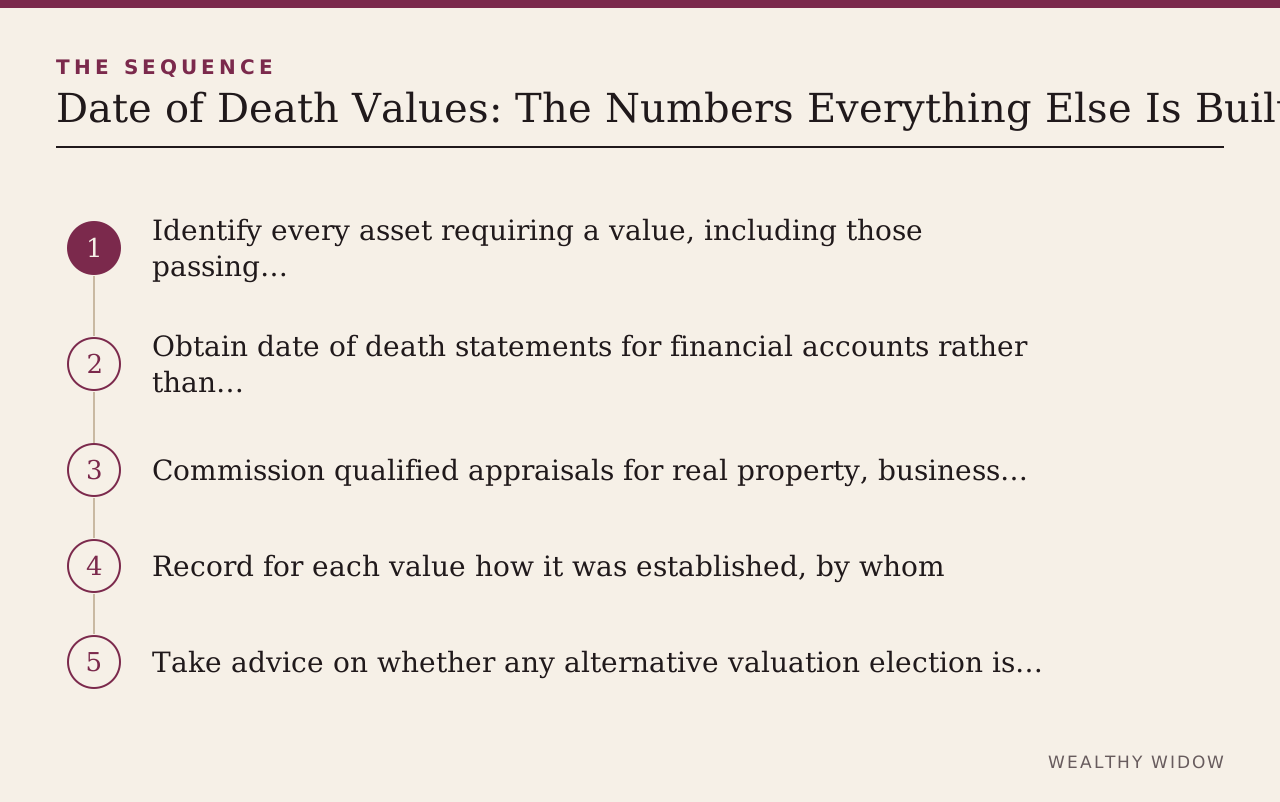
- Identify every asset requiring a value, including those passing outside probate.
- Obtain date of death statements for financial accounts rather than current ones.
- Commission qualified appraisals for real property, business interests, and significant personal property.
- Record for each value how it was established, by whom, and on what date.
- Take advice on whether any alternative valuation election is available and advantageous.
The errors worth naming in advance
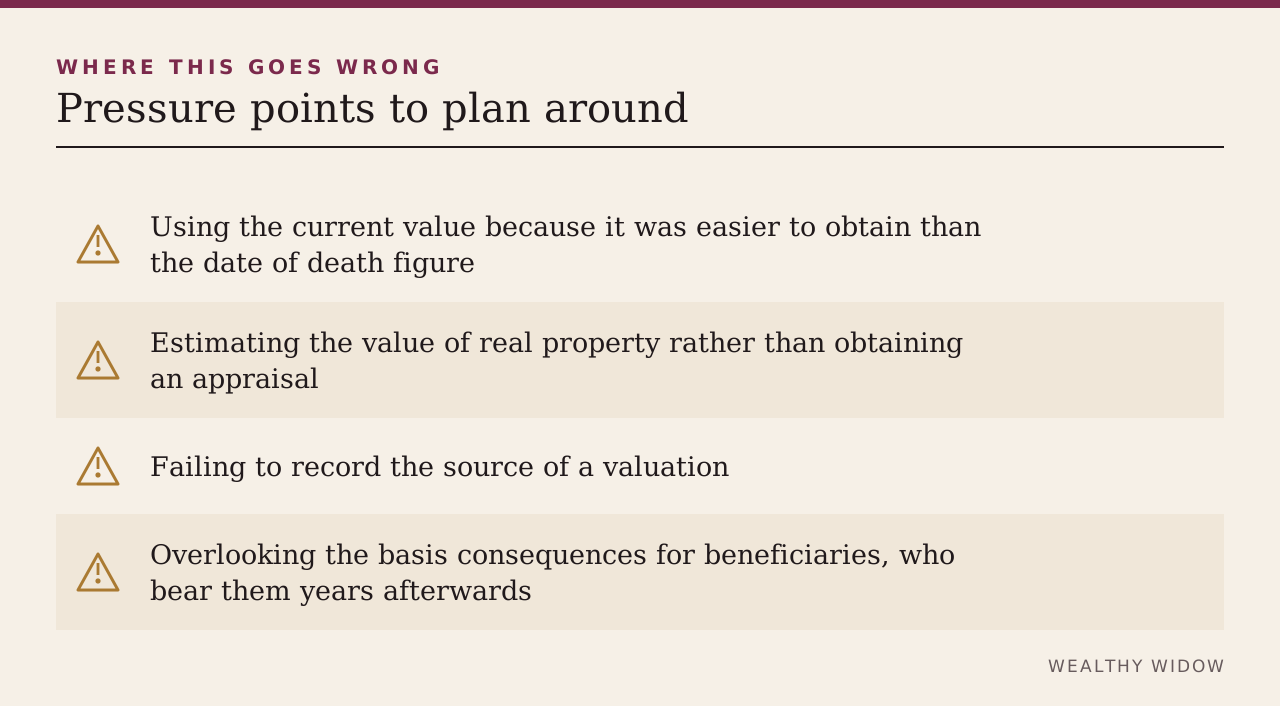
Each of the following is a signal to pause and confirm rather than to proceed on the assumption that it is fine. Using the current value because it was easier to obtain than the date of death figure.
Estimating the value of real property rather than obtaining an appraisal, which weakens the basis position. Failing to record the source of a valuation, so it cannot be defended later. Overlooking the basis consequences for beneficiaries, who bear them years afterwards.
The documents to assemble first
The evidence below does most of the work of establishing who you are and what you may do.
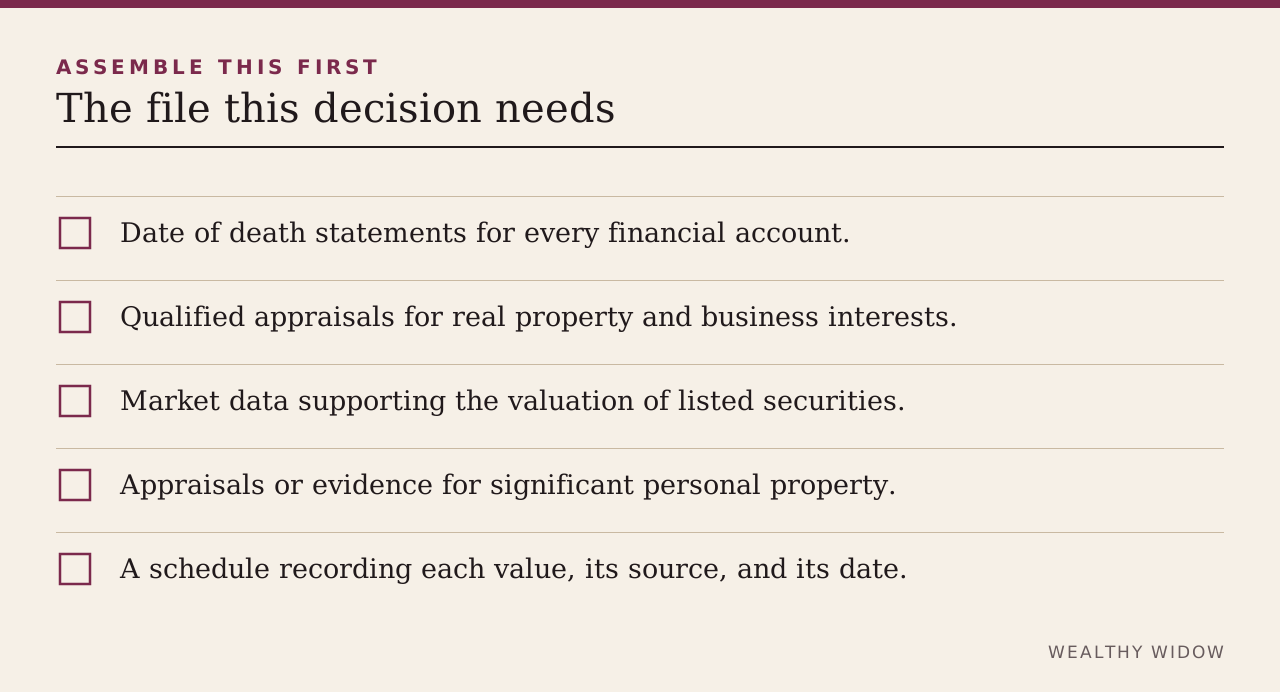
- Date of death statements for every financial account.
- Qualified appraisals for real property and business interests.
- Market data supporting the valuation of listed securities.
- Appraisals or evidence for significant personal property.
- A schedule recording each value, its source, and its date.
Get it on paper
Ask for each of the following in writing, by letter, secure message, or email you can save.
- The date of death value of each asset, with its source.
- What valuation evidence the court or tax authority requires.
- Whether an alternative valuation date is available.
- The basis each beneficiary will take.
Questions for the person advising you
Put these directly, note the answers, and record who gave them and when.
- What valuation evidence will be accepted for each of these assets?
- Is an alternative valuation date available, and would it help?
- What basis will beneficiaries take in these assets?
- Which of these assets requires a formal appraisal?
Verify each point at source
Check anything that will drive a decision against the source itself, not against this summary of it.
- Internal Revenue Service — Publication 551, basis of assets
- Internal Revenue Service — About Publication 559, survivors, executors, and administrators
- Internal Revenue Service — Information for executors
- Internal Revenue Service — Property, basis, and sale of home FAQs
What this guide does not settle
What follows is the shape of the problem, not an answer to your version of it. It cannot value anything. Appraisal is a professional exercise and the evidence it produces is what makes a valuation defensible.
Closing the loop
Obtain the date of death figures now, with proper evidence, and record how each was established. Reconstructing valuations later is both harder and far less persuasive.
A companion guide, Transfer on Death: The Quiet Instructions Attached to Accounts, covers the decision that sits alongside this one.
Primary sources
- Internal Revenue Service — Publication 551, basis of assets
- Internal Revenue Service — About Publication 559, survivors, executors, and administrators
- Internal Revenue Service — Information for executors
- Internal Revenue Service — Property, basis, and sale of home FAQs
This article provides general education, not individualized legal, tax, investment, insurance, or benefits advice. Rules and deadlines change; verify the current requirement with the agency and a qualified professional.