Home
Timing a Move Around the Rest of the First Years
A move interacts with tax windows, estate administration, health coverage, and grief, and the interactions push in different directions.

The difficulty here is rarely the paperwork. It is knowing what is actually being asked. A move interacts with tax windows, estate administration, health coverage, and grief, and the interactions push in different directions.
Moving after a death involves several timetables at once. Naming them explicitly lets you make a considered trade rather than discovering the conflicts after committing.
There is rarely a moment when every factor points the same way, so the question is which factors you are willing to trade.
The substance beneath the process
These are the points the rest of the decision rests on, so it is worth being sure of them before going further. Tax treatment on a home sale may be more favourable within a limited period after a death. Estate administration may need to complete before a property can be sold. Health coverage networks are regional, so a move may require a plan change at a set time of year.
Guidance on grief generally discourages major relocation in the first year where it can be deferred. Property markets have their own seasonality, which is usually the least important factor.
The order that protects you
Take it in this sequence. Reversing the order tends to create work rather than save it, and occasionally forecloses a choice.
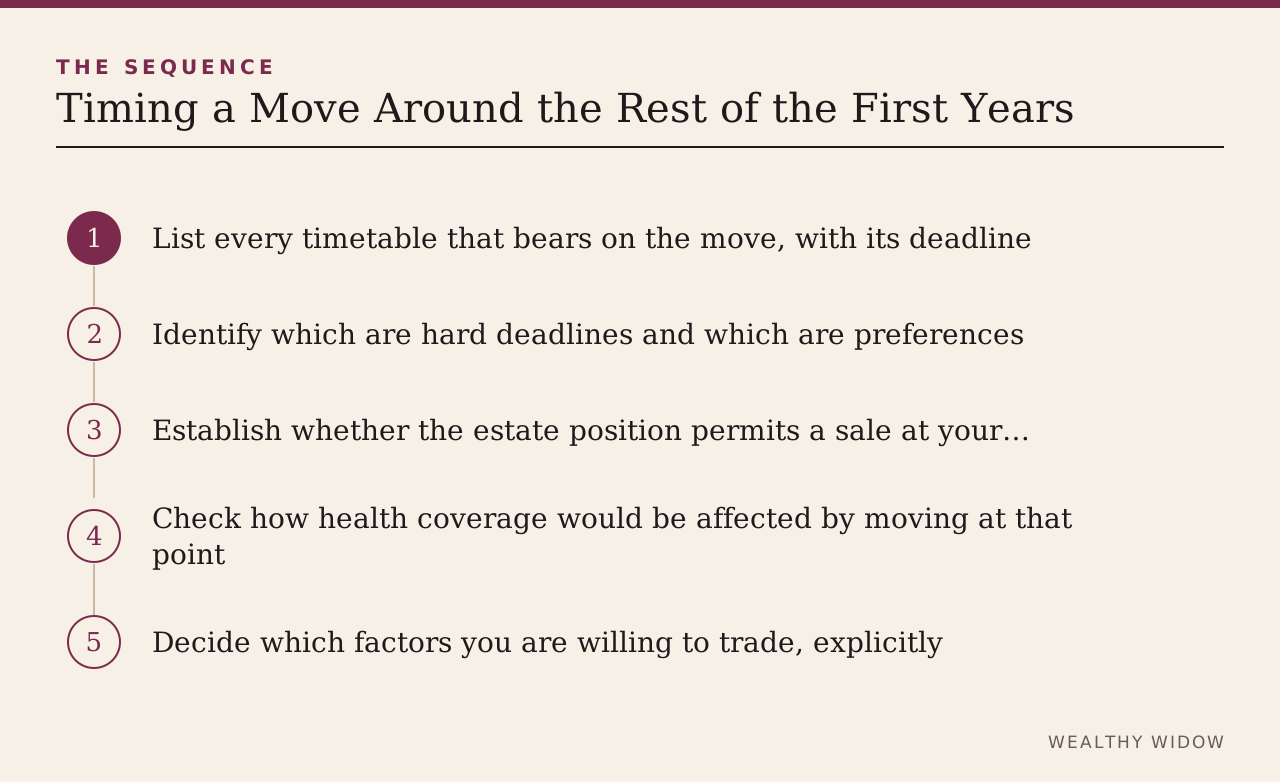
- List every timetable that bears on the move, with its deadline.
- Identify which are hard deadlines and which are preferences.
- Establish whether the estate position permits a sale at your preferred time.
- Check how health coverage would be affected by moving at that point.
- Decide which factors you are willing to trade, explicitly, and record why.
What tends to go wrong here
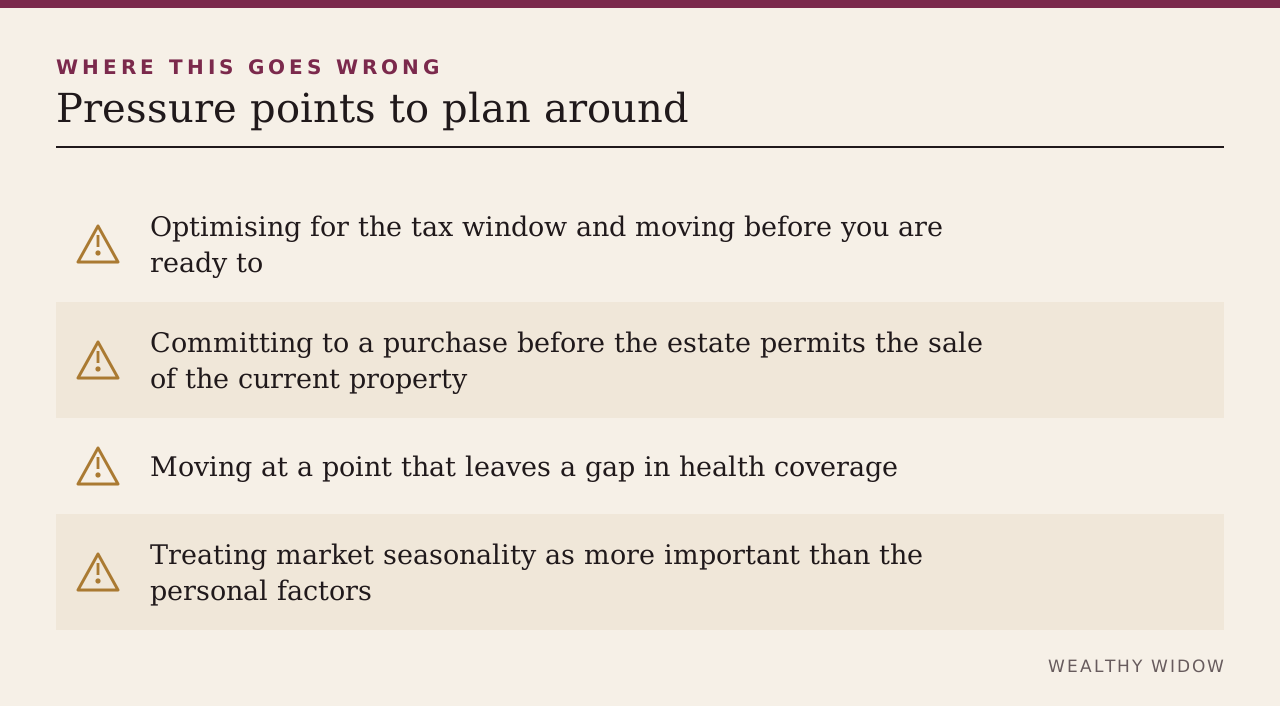
Watch for the following, and treat each as a reason to slow down. Optimising for the tax window and moving before you are ready to.
Committing to a purchase before the estate permits the sale of the current property. Moving at a point that leaves a gap in health coverage. Treating market seasonality as more important than the personal factors.
Assemble the file
Having the file complete before the first call removes most of the back and forth that follows.
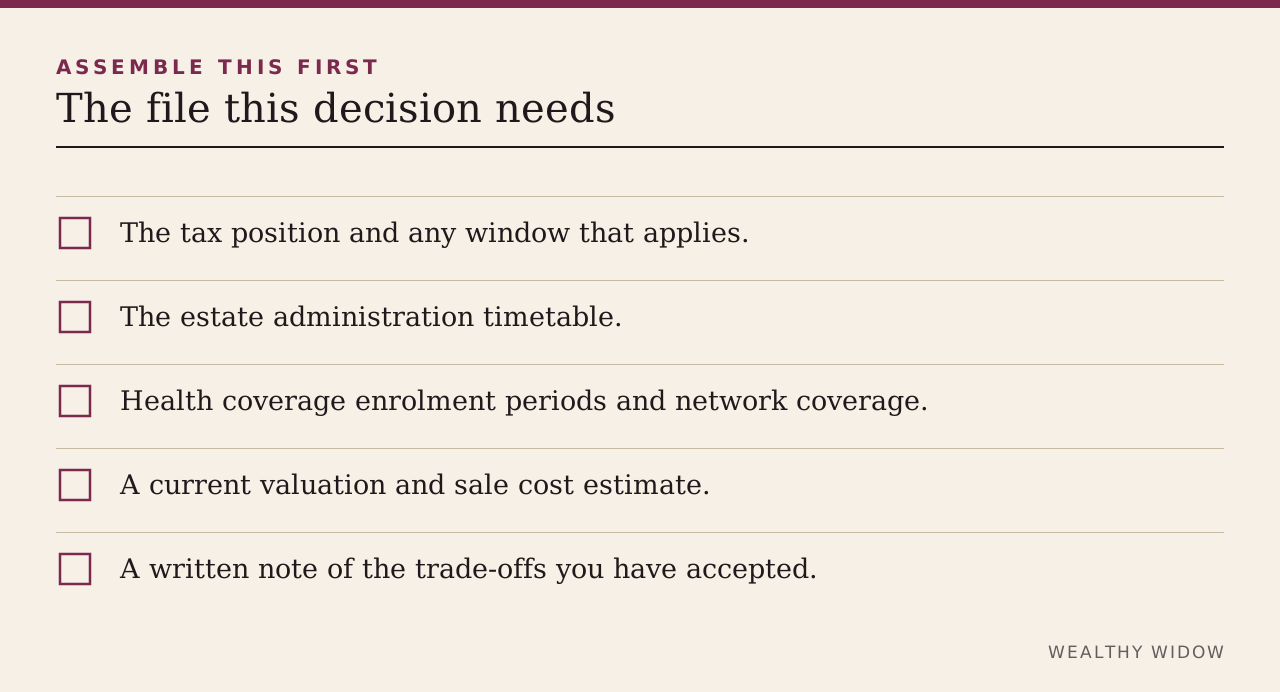
- The tax position and any window that applies.
- The estate administration timetable.
- Health coverage enrolment periods and network coverage.
- A current valuation and sale cost estimate.
- A written note of the trade-offs you have accepted.
Written confirmation to insist on
Before you act on what you have been told, hold written confirmation of each point.
- Which deadlines are genuine and which are preferences.
- That the estate permits a sale at your intended time.
- That health coverage is continuous across the move.
- The tax consequence of your chosen timing.
Take these questions to your adviser
Ask these before an engagement letter is signed, while you still have every option open to you.
- Does the estate position allow a sale at this point?
- What tax window applies, and what does missing it cost?
- How would moving at this point affect my health coverage?
- What would you not rush in my position?
Read the agency, not this summary
Treat these as the authority and this guide as an index to them.
- Internal Revenue Service — Publication 523, selling your home
- HealthCare.gov — Reporting income, household, and other changes
- Internal Revenue Service — Information for executors
- National Institute on Aging — Coping with grief and loss
What only your documents can answer
This is where a guide stops being useful and your own paperwork takes over. It cannot weigh the factors for you, and the personal ones legitimately outrank the financial ones in many cases.
The last word on this
List the timetables, separate deadlines from preferences, and choose the trade deliberately. A move made on a considered trade is very different from one made by discovering a conflict too late.
Our related guide A Property Where Services Are Distant covers the adjacent problem.
Primary sources
- Internal Revenue Service — Publication 523, selling your home
- HealthCare.gov — Reporting income, household, and other changes
- Internal Revenue Service — Information for executors
- National Institute on Aging — Coping with grief and loss
This article provides general education, not individualized legal, tax, investment, insurance, or benefits advice. Rules and deadlines change; verify the current requirement with the agency and a qualified professional.