Life After Loss
The Second Year of Widowhood: Building Support Without a Grief Deadline
Review routines, relationships, health, and support in the second year after a spouse dies without assuming a universal timeline.
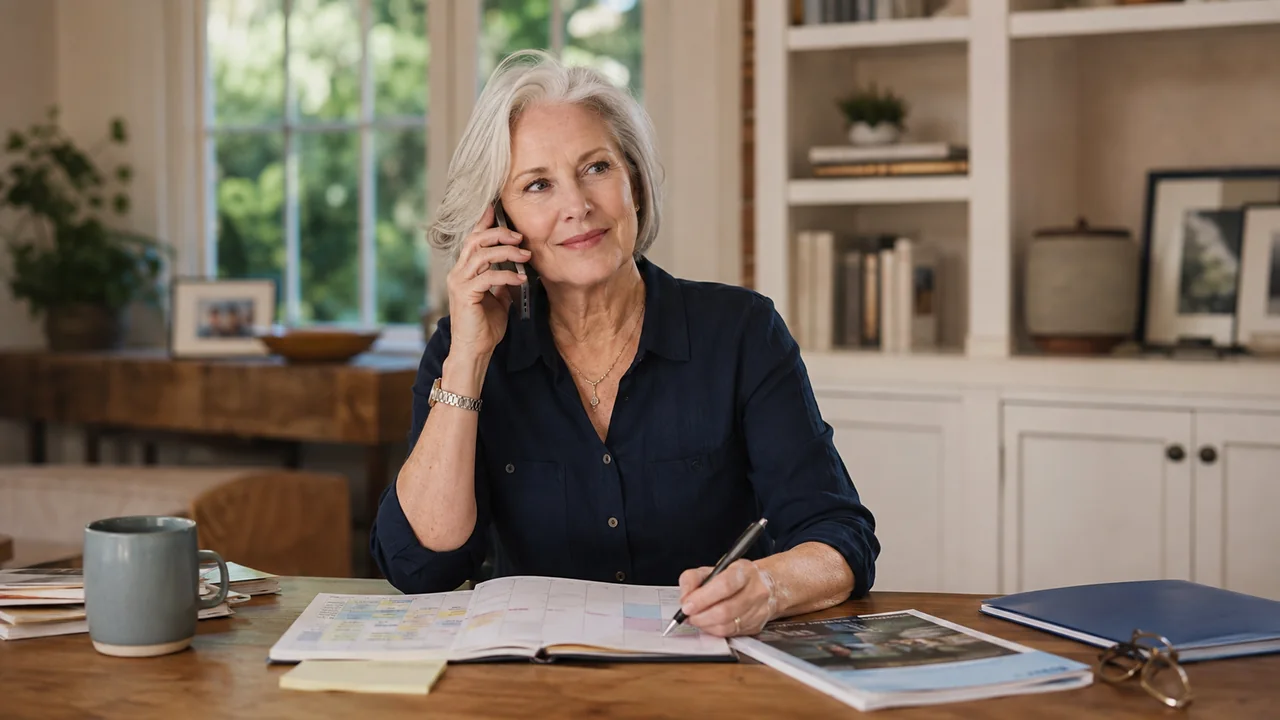
The second year after a spouse dies is not a clinical stage and is not predictably easier or harder than the first. Some widows experience more stability; others notice grief differently after urgent administration slows. Many move back and forth.
The calendar offers a chance to review whether your support, routines, and professional advice still fit your life.
One year is a date, not a deadline for recovery or a reason to stop asking for help.
Take an honest snapshot
Review daily structure, relationships, health routines, unresolved administration, and activities that offer meaning or interest. A blank area identifies a place for support; it does not prove that grief is proceeding incorrectly.
Ask for concrete contact: “Would you call on the first Sunday each month?” or “Please continue inviting me; I will decline when I need to.” Do not assume what another person’s silence means.
NIA distinguishes loneliness—the distress of feeling alone—from social isolation, an objective lack of contacts. A person can feel lonely in a crowd or content with a small circle. If you want more connection, a repeatable call, class, volunteer role, faith community, or meal may require less effort than occasional large events.
Reassess the home without forcing a move
The end of the first year is not evidence that you should sell, renovate, or stay. Keep three questions separate: Is the home safe and maintainable? Does it support the life you want? What would each option cost after taxes, transaction expenses, staffing, and replacement housing?
Start with reversible improvements such as maintenance, lighting, accessibility, security, or changing how rooms are used. For a potential sale or major renovation, obtain independent valuations and written cost estimates. Have an estate attorney confirm title and trust authority and a tax professional assess your facts before relying on general rules about basis or gain.
Give identity changes room
You may want to travel, date, work, study, give, lead, or do none of those. Test interests at a small scale before attaching them to an irreversible commitment. A short course can precede a degree; a rented month away can precede a second-home purchase; a limited volunteer role can precede a board position.
Be alert when another person frames speed as proof that you are “moving forward.” Your timetable for relationships and lifestyle is yours. Financial commitments still deserve ordinary diligence, references, contracts, and independent advice.
Support remains appropriate
Options include a primary-care clinician, licensed therapist, grief counselor, peer group, spiritual adviser, or community aging service. Ask providers about credentials, approach, fees, confidentiality, and bereavement experience. The federal Eldercare Locator connects U.S. residents with local aging resources; confirm availability and eligibility locally.
Persistent inability to manage ordinary tasks, escalating substance use, or thoughts of self-harm deserve prompt attention. Call emergency services for immediate danger; in the United States, call or text 988.
Separate financial rules from the anniversary
Tax, benefit, insurance, or estate deadlines may fall in a second calendar year, but their dates depend on the death date, account, jurisdiction, and circumstances. Do not infer a rule from the anniversary.
Take tax questions to a CPA or enrolled agent, legal authority to an estate attorney, portfolio decisions to a fiduciary adviser, and plan requirements to the administrator or insurer. See Filing Taxes After Your Spouse Dies.
Make a 90-day plan
Choose one recurring social contact, one health routine, one purposeful activity, one administrative item to close or delegate, and one support contact. Review after 90 days and keep only what helps. The plan serves you; you do not owe it perfect compliance.
Keep the plan visible but private. If a trusted person is helping, specify what they should do when you cancel: accept the cancellation, offer another date, or check on you. Clear instructions reduce both unwanted pressure and unintended disappearance.
For the relationship side, read When Friendships Change After Your Spouse Dies.
Primary sources
- National Institute on Aging — Coping with grief and loss
- National Institute on Aging — Loneliness and social isolation
- SAMHSA — Coping with bereavement and grief
- Administration for Community Living — Eldercare Locator
This article provides general education, not individualized legal, tax, investment, insurance, or benefits advice. Rules and deadlines change; verify the current requirement with the agency and a qualified professional.