Taxes
The Final Return: What It Covers and Who Signs It
A final income tax return is generally required for the year of death, covering income up to that date, and someone has to be responsible for filing it.

Some decisions after a death are reversible. This one deserves more care than most. A final income tax return is generally required for the year of death, covering income up to that date, and someone has to be responsible for filing it.
The final return is frequently delayed because families assume it is unusually complicated. It generally is not, but it does have its own rules on period, signature, and refunds.
The final return is prepared much like any other; what changes is the period it covers and who is responsible for signing it.
Getting the question right first
Begin with what can be said with confidence, and treat everything beyond it as still to be established. The final return reports income up to the date of death and claims the deductions and credits available. Income earned after the date of death generally belongs to the estate rather than to the individual. A surviving spouse filing jointly, or a personal representative, generally signs the return.
Where a refund is due, additional evidence may be needed depending on who is claiming it. The filing deadline follows the normal calendar rather than running from the date of death.
Where to start, and what follows
A workable order follows. Each step assumes the last one is done.
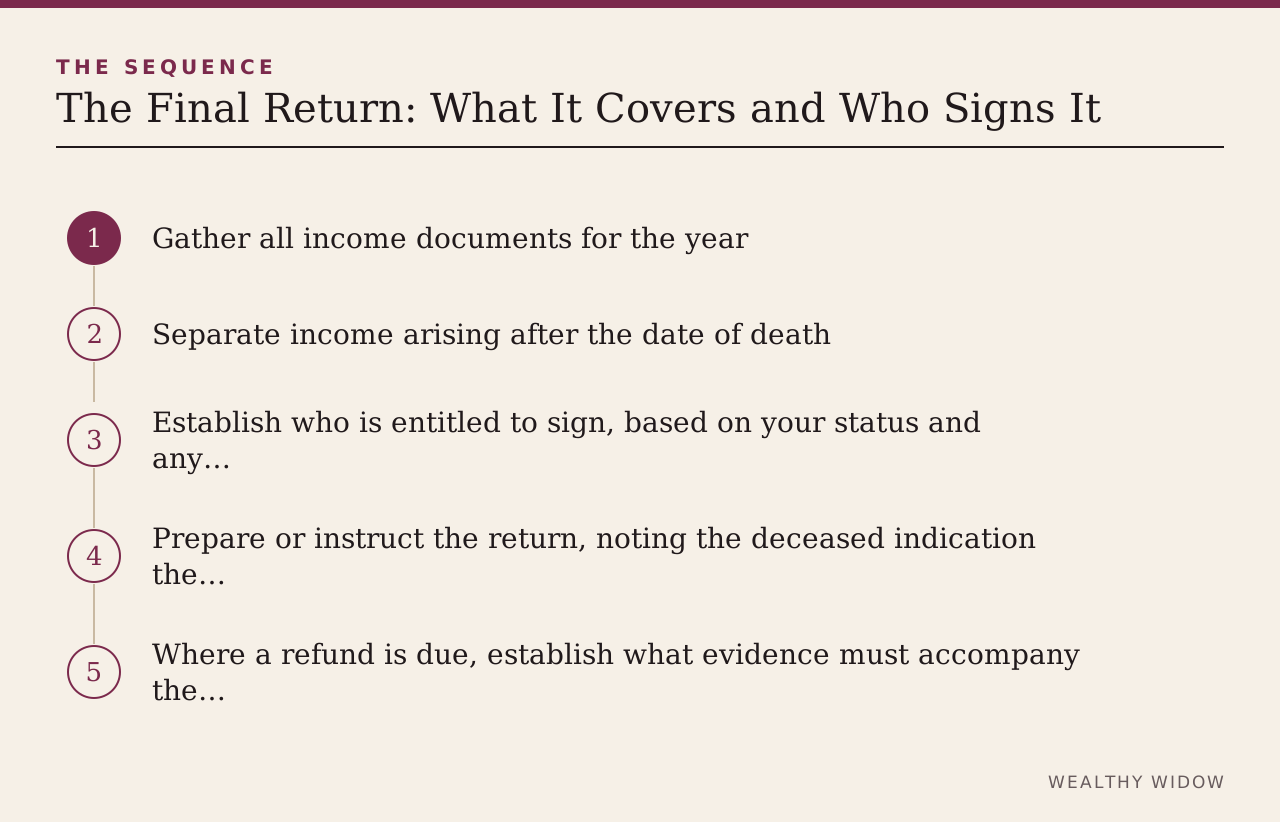
- Gather all income documents for the year, and identify which relate to the period before death.
- Separate income arising after the date of death, since it generally belongs to the estate.
- Establish who is entitled to sign, based on your status and any appointment.
- Prepare or instruct the return, noting the deceased indication the form requires.
- Where a refund is due, establish what evidence must accompany the claim.
Where this commonly goes wrong
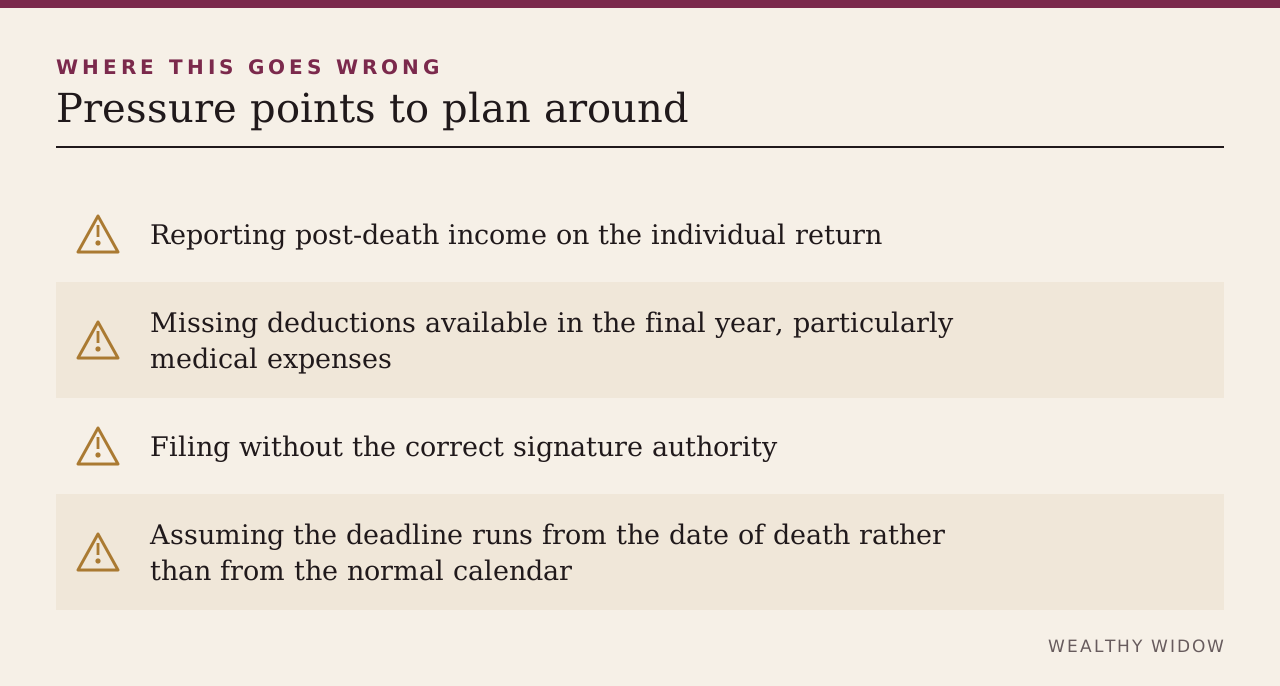
These are the places where readers most often lose ground. Reporting post-death income on the individual return, which belongs on the estate return instead.
Missing deductions available in the final year, particularly medical expenses. Filing without the correct signature authority, which delays processing. Assuming the deadline runs from the date of death rather than from the normal calendar.
Documents this decision needs
Organisations will ask for these repeatedly, so assemble them once and keep them together.
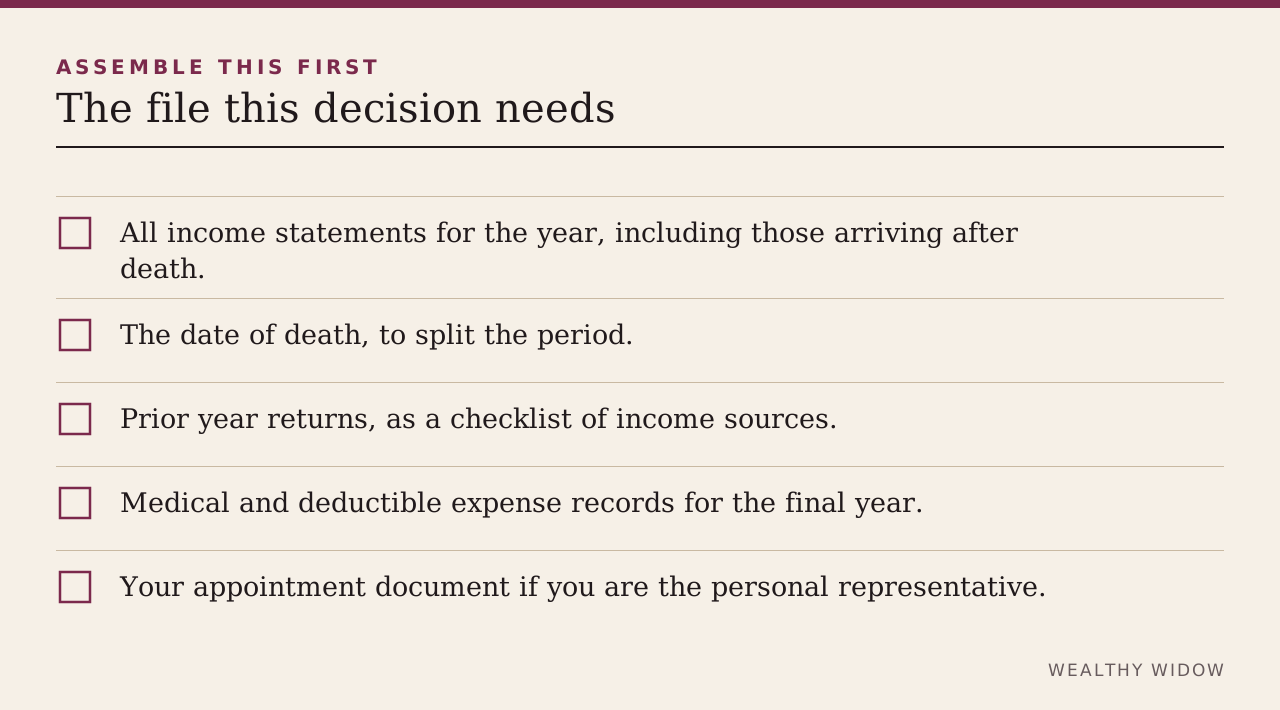
- All income statements for the year, including those arriving after death.
- The date of death, to split the period.
- Prior year returns, as a checklist of income sources.
- Medical and deductible expense records for the final year.
- Your appointment document if you are the personal representative.
Get it on paper
Ask for each of the following in writing, by letter, secure message, or email you can save.
- Which income belongs on the final return and which on the estate return.
- Who is entitled to sign, and what evidence accompanies it.
- The filing deadline and any available extension.
- What is required to claim any refund due.
Questions for the person advising you
Put these directly, note the answers, and record who gave them and when.
- What income belongs on this return rather than on the estate return?
- Who signs, and what evidence must accompany the signature?
- What deductions are available in the final year that I might overlook?
- What is required to claim the refund?
Read the rule yourself
The sources below govern. This guide only summarises them.
- Internal Revenue Service — File the final income tax returns of a deceased person
- Internal Revenue Service — Filing a final federal tax return for someone who has died
- Internal Revenue Service — About Publication 559, survivors, executors, and administrators
- Internal Revenue Service — Topic no. 356, decedents
The limits of this guide
This is where general guidance ends and your own paperwork takes over. It cannot prepare or check your return, and the split between individual and estate income is the point where professional help is most often worth its cost.
What to hold on to
Split the income at the date of death, establish who signs, and claim the final year deductions properly. The return is ordinary in most respects; the period and the signature are where the differences sit.
If this raised a further question, Claiming a Refund Owed to Someone Who Has Died takes it further.
Primary sources
- Internal Revenue Service — File the final income tax returns of a deceased person
- Internal Revenue Service — Filing a final federal tax return for someone who has died
- Internal Revenue Service — About Publication 559, survivors, executors, and administrators
- Internal Revenue Service — Topic no. 356, decedents
This article provides general education, not individualized legal, tax, investment, insurance, or benefits advice. Rules and deadlines change; verify the current requirement with the agency and a qualified professional.