Money
Claiming Strategy: Two Benefits, One Decision, Several Timetables
A widow may be entitled to a survivor benefit and to her own retirement benefit, and the order in which she claims them can matter considerably.

Widowhood arrives with a queue of decisions that all look equally urgent. A widow may be entitled to a survivor benefit and to her own retirement benefit, and the order in which she claims them can matter considerably. They are not the same task, and treating them as one is how good decisions get made badly.
This is one of the few places where a widow’s position offers genuine strategic choice, and it is frequently resolved by claiming whatever is available soonest. The arithmetic deserves better than that.
Two entitlements are not simply added together, and the sequence in which they are claimed can change the lifetime result.
Start by naming the decision correctly
A handful of accurate points does most of the work here, and the rest is noise generated by other people’s urgency. A survivor benefit and your own retirement benefit are separate entitlements assessed on different records. The amount payable varies with the age at which each is claimed. In some circumstances it is possible to claim one benefit first and switch to the other later.
Claiming before full retirement age generally reduces the amount, and the reduction may be permanent. Continued earnings can affect benefits claimed before full retirement age.
The order of operations
The order below keeps your options open for as long as possible.
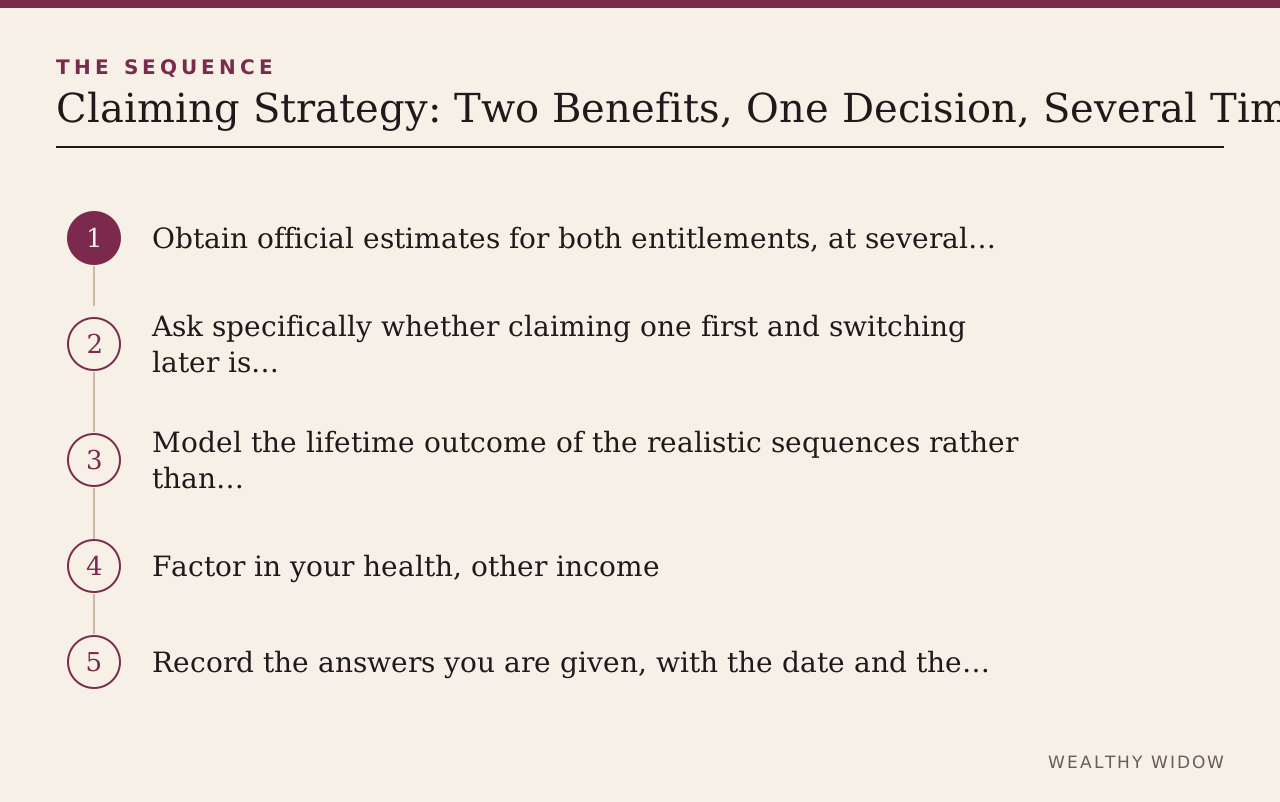
- Obtain official estimates for both entitlements, at several different claiming ages.
- Ask specifically whether claiming one first and switching later is available in your case.
- Model the lifetime outcome of the realistic sequences rather than comparing monthly figures alone.
- Factor in your health, other income, and whether you intend to work.
- Record the answers you are given, with the date and the representative’s name.
Where readers most often get hurt
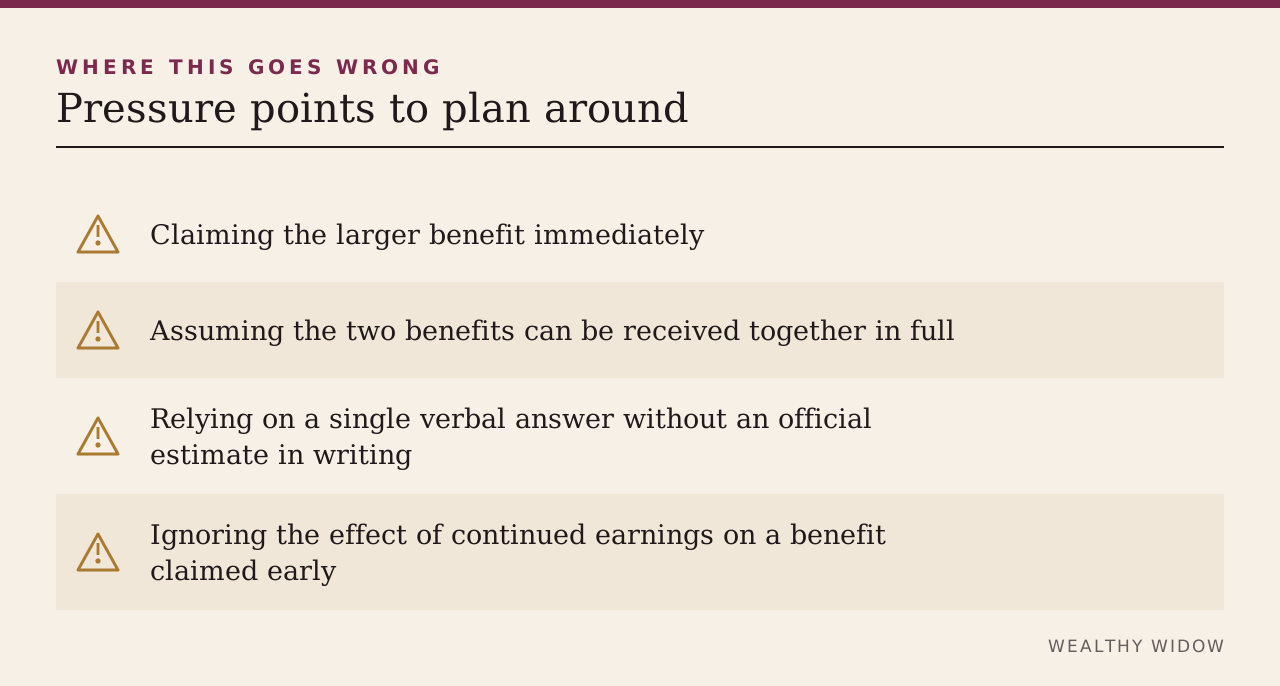
Treat each of the following as a reason to slow down. Claiming the larger benefit immediately, without checking whether claiming the smaller first would have produced more overall.
Assuming the two benefits can be received together in full. Relying on a single verbal answer without an official estimate in writing. Ignoring the effect of continued earnings on a benefit claimed early.
The file this decision needs
Keep these together in one place, and note where every copy goes and on what date it was sent.
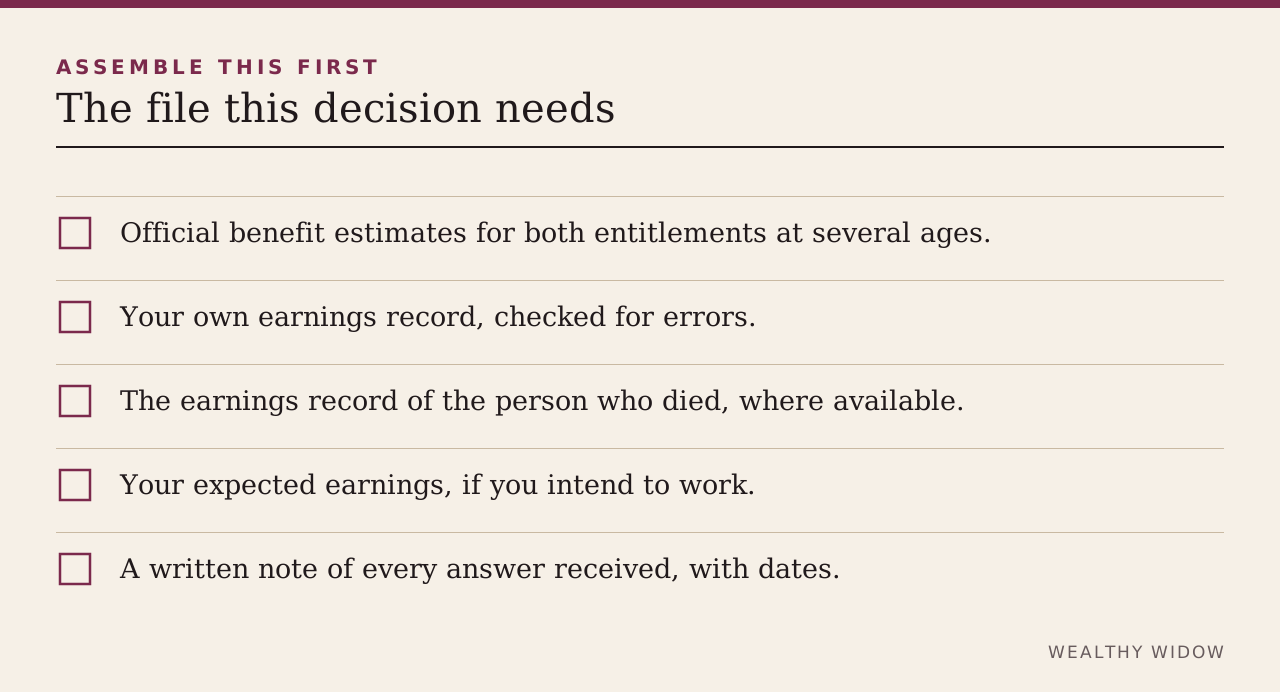
- Official benefit estimates for both entitlements at several ages.
- Your own earnings record, checked for errors.
- The earnings record of the person who died, where available.
- Your expected earnings, if you intend to work.
- A written note of every answer received, with dates.
Written confirmation to insist on
Before you act on what you have been told, hold written confirmation of each point.
- The estimated amount of each benefit at each candidate claiming age.
- Whether switching between benefits later is available to you.
- The effect of any continued earnings.
- The claim date recorded for anything you file.
Take these questions to your adviser
Ask these before an engagement letter is signed, while you still have every option open to you.
- Can I claim one benefit now and switch to the other later, in my case?
- What is the estimated amount of each benefit at each of these ages?
- How would continued earnings affect a benefit claimed now?
- Is my earnings record complete and correct?
Verify each point at source
Check anything that will drive a decision against the source itself, not against this summary of it.
- Social Security Administration — Survivor benefits
- Social Security Administration — What you could get from survivor benefits
- Social Security Administration — Who can get survivor benefits
- Social Security Administration — Benefit calculators
What this guide does not settle
What follows is the shape of the problem, not an answer to your version of it. It cannot run your numbers. The answer depends on two earnings records, your age, your health, and your other income, and it needs official estimates rather than general rules.
Closing the loop
Get official estimates for both entitlements at several ages before filing anything. This is one of the rare decisions where an afternoon of arithmetic genuinely changes the lifetime result.
If this raised a further question, Knowing When to Change Adviser, and How to Do It Cleanly takes it further.
Primary sources
- Social Security Administration — Survivor benefits
- Social Security Administration — What you could get from survivor benefits
- Social Security Administration — Who can get survivor benefits
- Social Security Administration — Benefit calculators
This article provides general education, not individualized legal, tax, investment, insurance, or benefits advice. Rules and deadlines change; verify the current requirement with the agency and a qualified professional.