Taxes
A Notice Arrives: Reading It Before Reacting To It
Tax notices addressed to someone who has died are common, frequently automated, and almost always have a stated response period.

This guide covers a decision that is easy to make quickly and expensive to make wrongly. Tax notices addressed to someone who has died are common, frequently automated, and almost always have a stated response period.
Notices are unsettling, particularly when addressed to a person who has died. Most are routine, most have a defined response route, and most are resolved by responding rather than by paying.
A notice is a beginning of a conversation with a deadline, not a demand that must be met immediately.
What this decision actually is
A short set of facts governs this, and they are worth holding on to when the surrounding pressure is not. Each notice carries an identifying number and a stated response period. A notice may be automated and may not reflect information already sent. Responding in writing, within the period, preserves your position better than telephoning alone.
Where a genuine liability exists, payment arrangements may be available. An independent taxpayer advocate service exists for cases causing hardship or where normal channels have failed.
Work it in this order
This order is designed to keep your choices open for as long as possible.
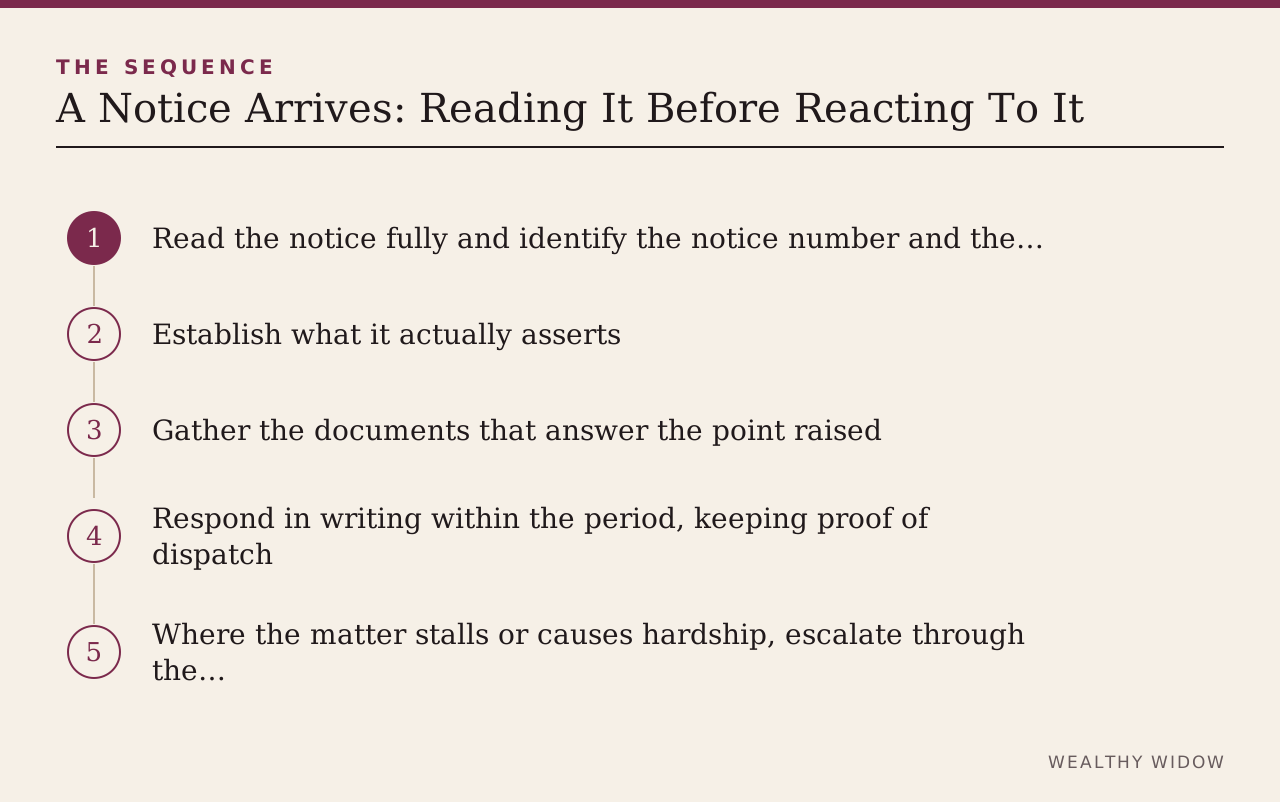
- Read the notice fully and identify the notice number and the response deadline.
- Establish what it actually asserts, which is often narrower than it appears.
- Gather the documents that answer the point raised.
- Respond in writing within the period, keeping proof of dispatch.
- Where the matter stalls or causes hardship, escalate through the advocate service.
The pressure points to watch
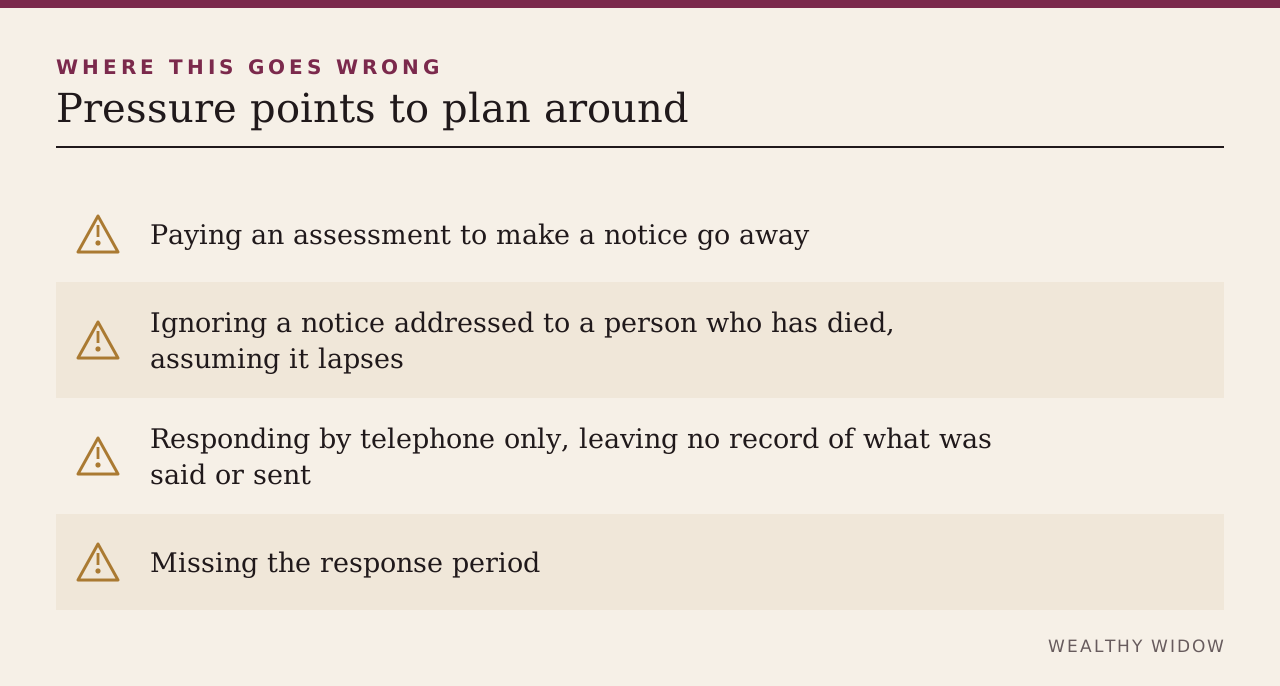
The problems below recur often enough to be planned for. Paying an assessment to make a notice go away, without checking whether it is correct.
Ignoring a notice addressed to a person who has died, assuming it lapses. Responding by telephone only, leaving no record of what was said or sent. Missing the response period, which can convert a proposal into an assessment.
What every organisation will ask for
Each item below will be requested more than once. Collect them in one place and log where each copy goes.
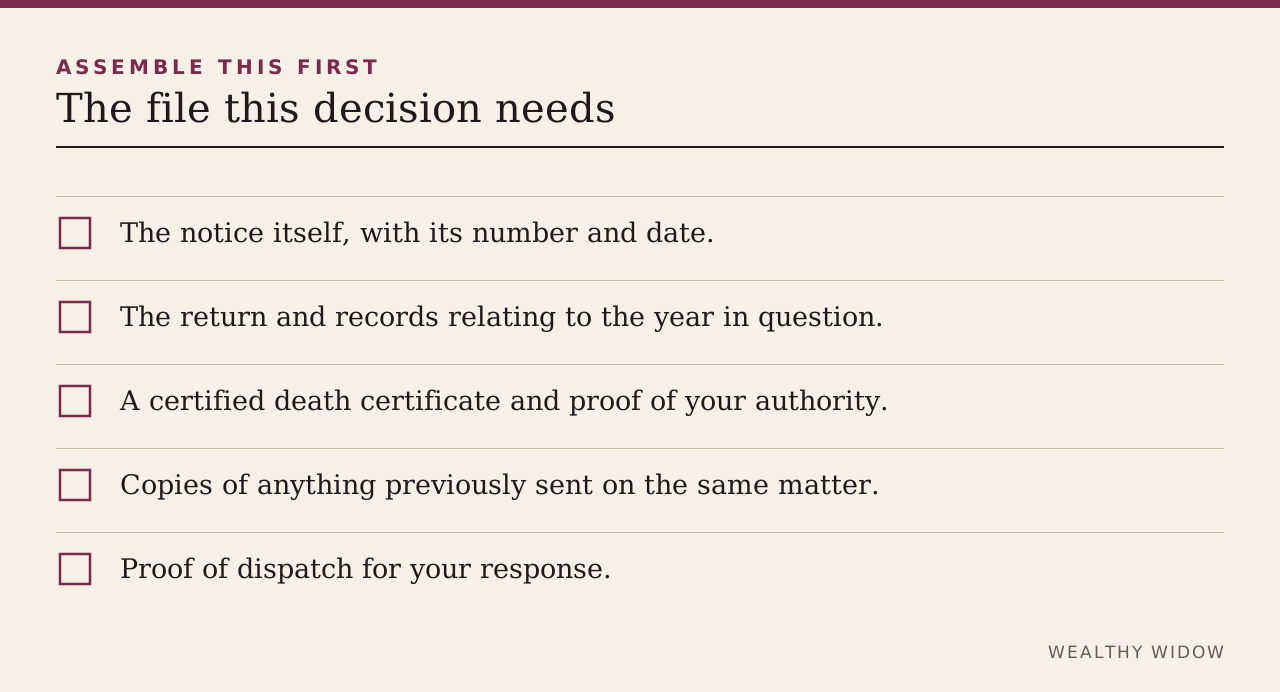
- The notice itself, with its number and date.
- The return and records relating to the year in question.
- A certified death certificate and proof of your authority.
- Copies of anything previously sent on the same matter.
- Proof of dispatch for your response.
Get it on paper
Ask for each of the following in writing, by letter, secure message, or email you can save.
- The deadline for responding.
- Exactly what the notice asserts.
- What evidence answers the point.
- That your response was received.
Questions for the person advising you
Put these directly, note the answers, and record who gave them and when.
- What is this notice actually asserting, and is it correct?
- What is the deadline, and what happens if it passes?
- What evidence should accompany the response?
- Is this a case for the taxpayer advocate service?
The primary sources for this guide
This guide summarises. The sources below govern, and they are updated when the rules are.
- Taxpayer Advocate Service — An independent organization within the IRS
- Internal Revenue Service — Who may use the Taxpayer Advocate Service
- Internal Revenue Service — Identity theft central
- Internal Revenue Service — Payment plans and installment agreements
What this leaves open
A guide can set out the structure of a decision. It cannot read your documents, and your documents govern. It cannot interpret your notice, which requires reading it alongside the return and records for the year concerned.
The part worth remembering
Read it, diarise the deadline, answer in writing with evidence, and keep proof. Most notices resolve on the first properly documented response, and very few require the payment they appear to demand.
A companion guide, Fraudulent Returns Filed in the Name of Someone Who Has Died, covers the decision that sits alongside this one.
Primary sources
- Taxpayer Advocate Service — An independent organization within the IRS
- Internal Revenue Service — Who may use the Taxpayer Advocate Service
- Internal Revenue Service — Identity theft central
- Internal Revenue Service — Payment plans and installment agreements
This article provides general education, not individualized legal, tax, investment, insurance, or benefits advice. Rules and deadlines change; verify the current requirement with the agency and a qualified professional.