Home
When the House Is Owned by a Trust
A home held in a trust follows the trust deed rather than the will, and the practical consequences differ from ordinary ownership.

The difficulty here is rarely the paperwork. It is knowing what is actually being asked. A home held in a trust follows the trust deed rather than the will, and the practical consequences differ from ordinary ownership.
Property held in trust is common and frequently misunderstood by the people living in it. Insurance, occupancy, and sale all work slightly differently, and the trustee rather than the occupant decides.
The deed and the trust document together decide what you may do, and neither of them is the will.
What this is, and what it is not
The facts that govern this are narrower than the anxiety around it. Property in a trust is owned by the trustee on the terms of the trust deed. A surviving spouse may have a right of occupation without owning the property outright. Insurance must reflect the actual ownership, and a policy in an individual name may not respond.
Sale generally requires the trustee to act, subject to the terms of the deed. The basis position for a property held in trust can differ from one held personally.
A workable order for this
Follow it in order, and leave anything requiring a signature until the end rather than the beginning.
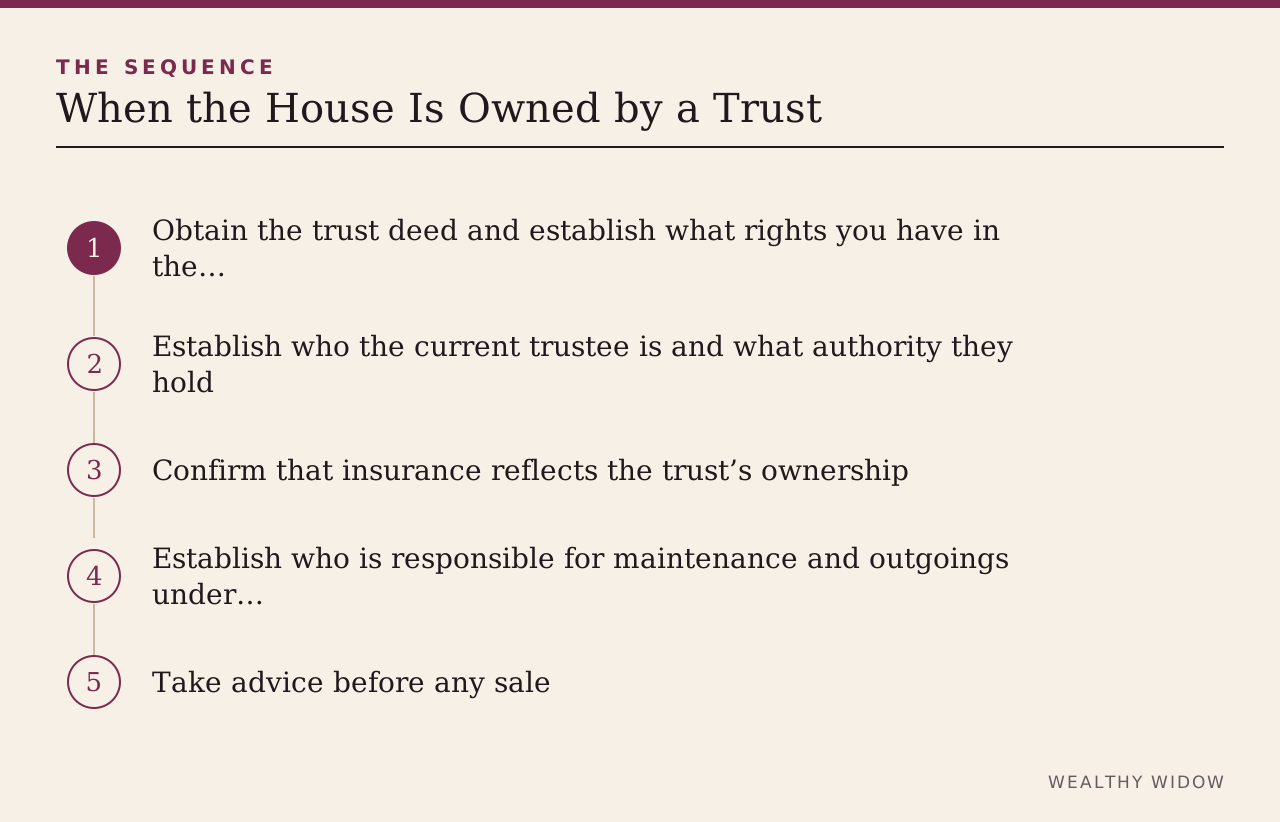
- Obtain the trust deed and establish what rights you have in the property.
- Establish who the current trustee is and what authority they hold.
- Confirm that insurance reflects the trust’s ownership.
- Establish who is responsible for maintenance and outgoings under the deed.
- Take advice before any sale, since the trustee rather than the occupant decides.
Where good intentions go wrong
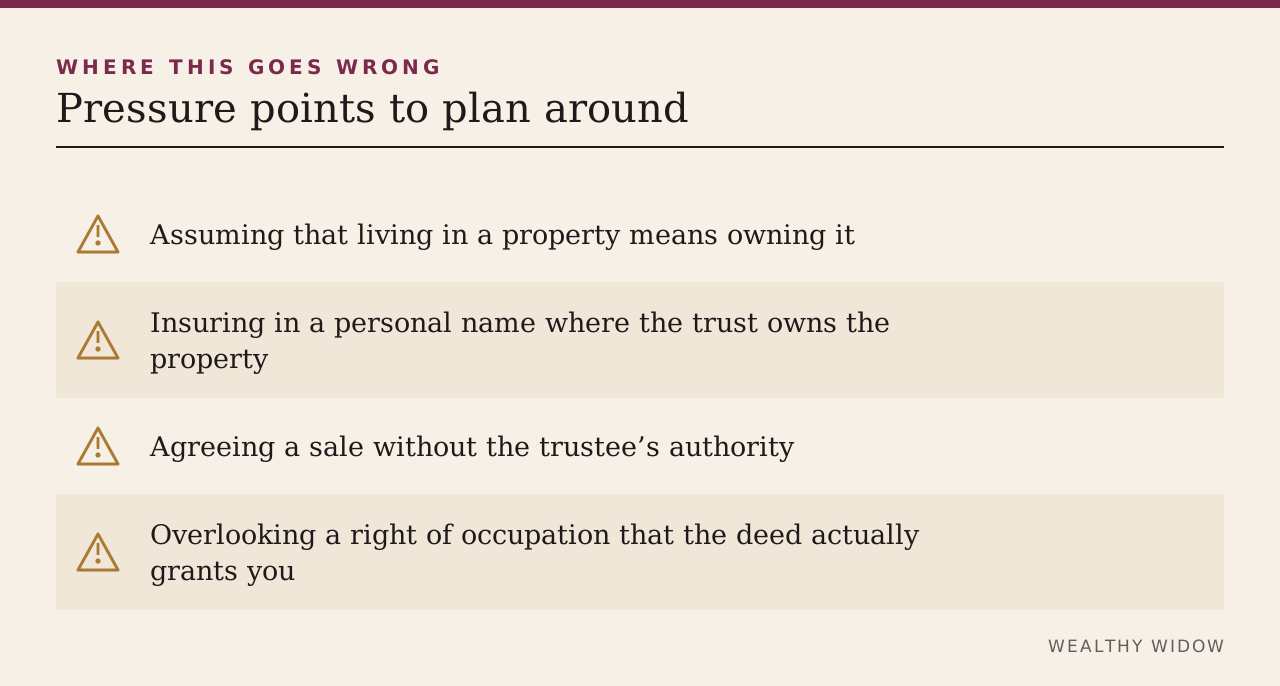
Each of the following is a signal to pause and confirm rather than to proceed on the assumption that it is fine. Assuming that living in a property means owning it.
Insuring in a personal name where the trust owns the property. Agreeing a sale without the trustee’s authority. Overlooking a right of occupation that the deed actually grants you.
The documents to assemble first
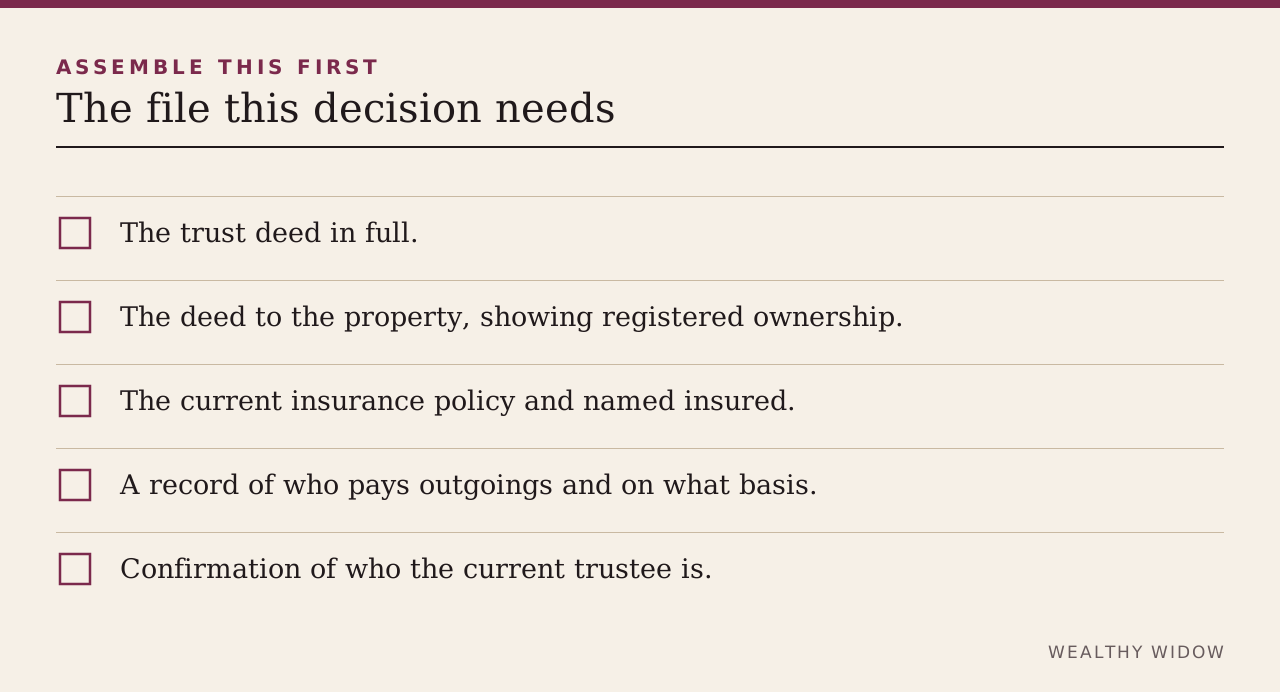
The evidence below does most of the work of establishing who you are and what you may do.
- The trust deed in full.
- The deed to the property, showing registered ownership.
- The current insurance policy and named insured.
- A record of who pays outgoings and on what basis.
- Confirmation of who the current trustee is.
Do not proceed on a verbal answer
Ask for each of these in a form you can save, date, and produce again months later if it is questioned.
- What rights the deed gives you in the property.
- Who the trustee is and what authority they hold.
- That insurance reflects the actual ownership.
- Who bears responsibility for outgoings.
Put these questions directly
A competent professional will welcome these questions. Hesitation is itself information.
- What rights do I have in this property under the trust?
- Who is trustee, and what can they do without my agreement?
- How should this property be insured?
- Who is responsible for maintenance and outgoings?
The sources behind this
Anything that will drive a decision should be checked here rather than here-abouts.
- Internal Revenue Service — Information for executors
- Legal Services Corporation — I need legal help
- National Association of Insurance Commissioners — Consumer resources
- Internal Revenue Service — Publication 551, basis of assets
Where this guide stops
The boundary matters, because the wrong assumption here is expensive. It cannot interpret a trust deed, which governs and whose wording decides every question here.
In practice
Read the deed, confirm the trustee, and fix the insurance to match the ownership. Living in a property and owning it are different things, and the insurer in particular cares about the difference.
If this raised a further question, When Staying Is Not Affordable: Deciding Before It Is Decided For You takes it further.
Primary sources
- Internal Revenue Service — Information for executors
- Legal Services Corporation — I need legal help
- National Association of Insurance Commissioners — Consumer resources
- Internal Revenue Service — Publication 551, basis of assets
This article provides general education, not individualized legal, tax, investment, insurance, or benefits advice. Rules and deadlines change; verify the current requirement with the agency and a qualified professional.