Taxes
Tax Planning for the Long Run as a Single Filer
After the first few years the tax position settles into a new shape, and planning for that shape is different from reacting to it.

The difficulty here is rarely the paperwork. It is knowing what is actually being asked. After the first few years the tax position settles into a new shape, and planning for that shape is different from reacting to it.
The first years after a death are reactive by necessity. Once the estate is settled and the filing status has stabilised, there is genuine scope to plan rather than respond.
Once the transitional years are behind you, the planning question changes from what happened to what you want to happen.
The substance beneath the process
Before any advice, the ground facts. Single filer thresholds and rates apply differently from joint ones, which changes what is efficient. Required distributions from retirement accounts begin at a set age and can be planned around. The interaction between distributions, benefits, and thresholds repeats annually and is predictable.
Charitable and gifting strategies interact with the itemising decision. Estate planning and income tax planning interact and are better considered together.
The order that protects you
Work through this deliberately. Each step assumes the one before it is done.
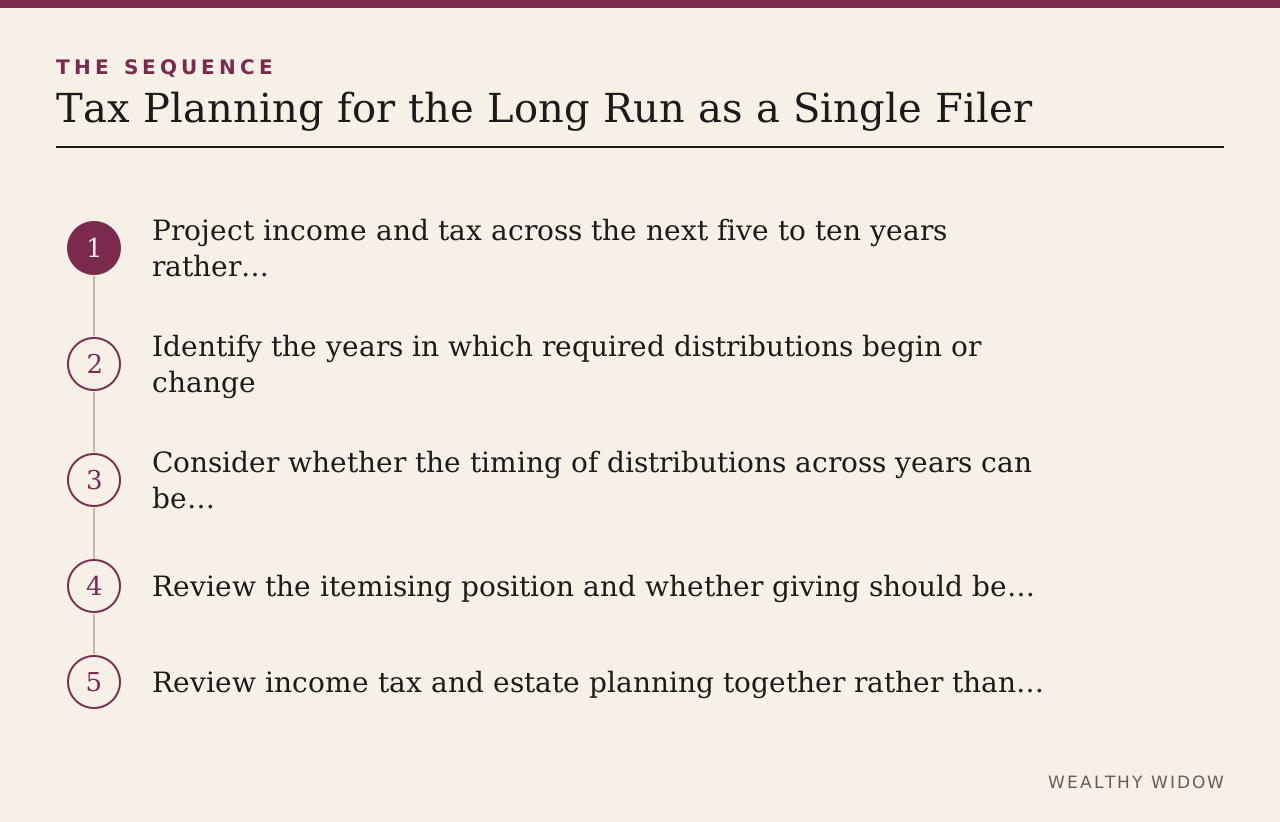
- Project income and tax across the next five to ten years rather than annually.
- Identify the years in which required distributions begin or change.
- Consider whether the timing of distributions across years can be improved.
- Review the itemising position and whether giving should be concentrated.
- Review income tax and estate planning together rather than separately.
What tends to go wrong here
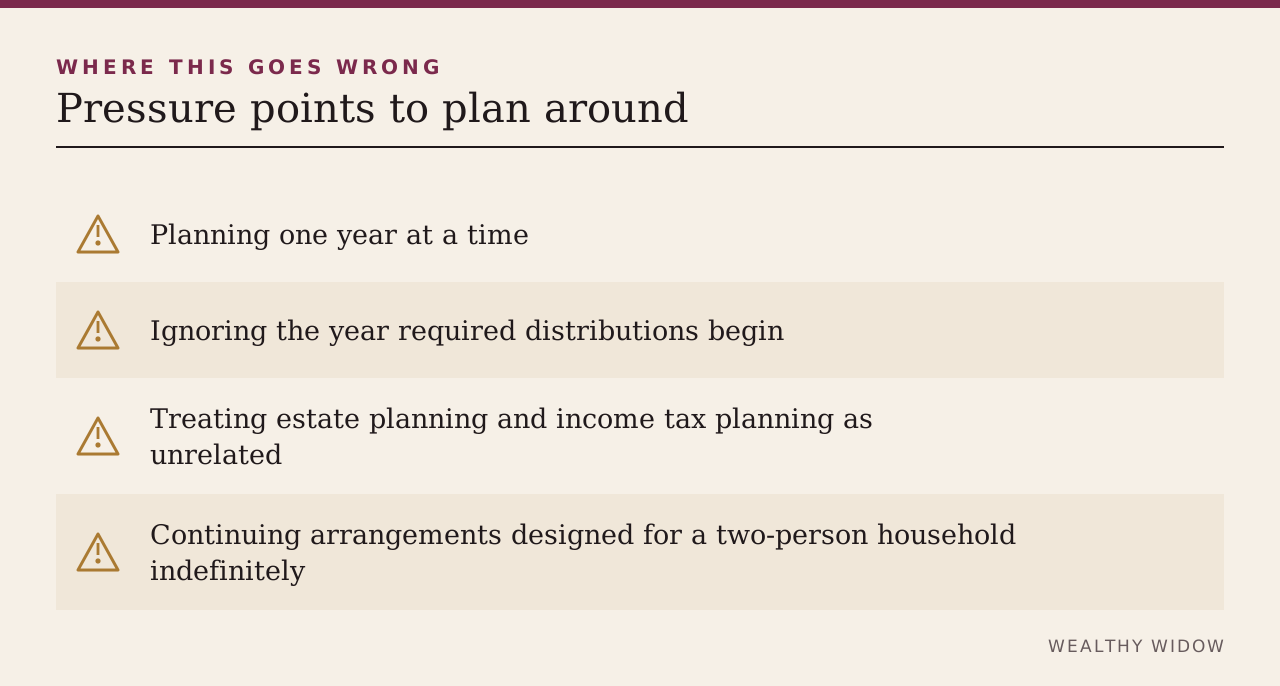
Anticipating these is most of the protection available to you, and it costs nothing but attention. Planning one year at a time, which misses everything that plays out over several.
Ignoring the year required distributions begin, which frequently changes the picture. Treating estate planning and income tax planning as unrelated. Continuing arrangements designed for a two-person household indefinitely.
What you will be asked to produce
Assemble this before the first conversation rather than during it.
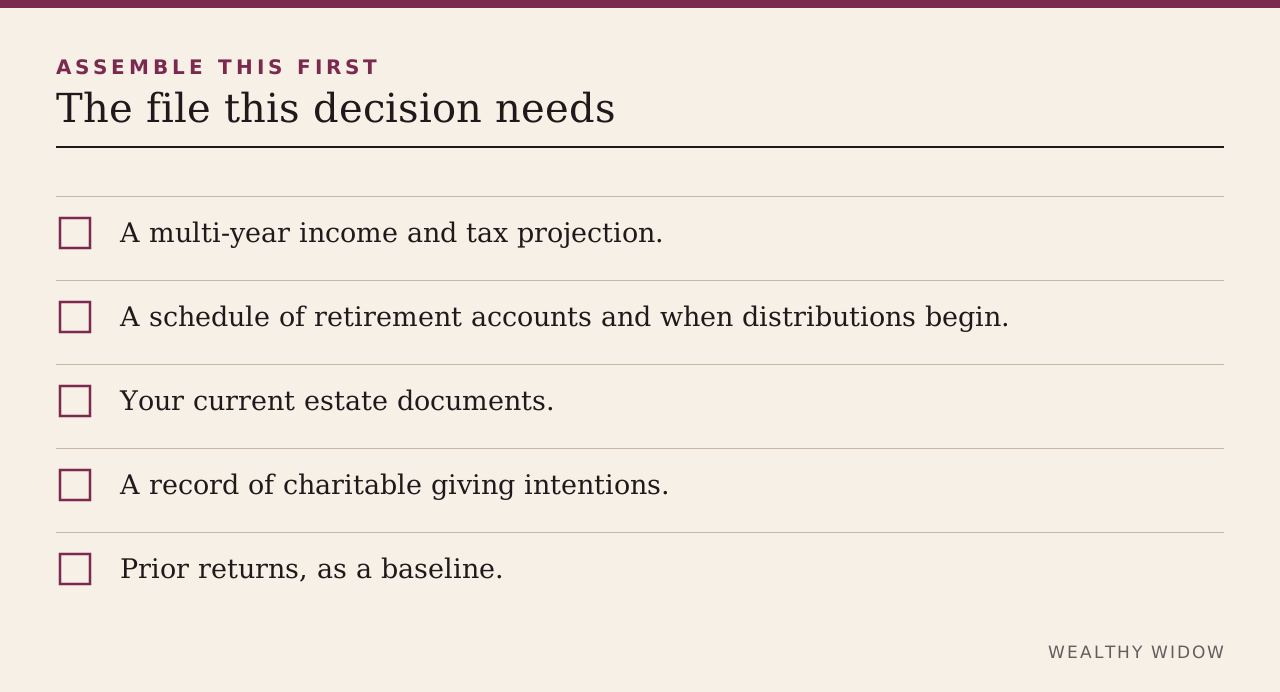
- A multi-year income and tax projection.
- A schedule of retirement accounts and when distributions begin.
- Your current estate documents.
- A record of charitable giving intentions.
- Prior returns, as a baseline.
Written confirmation to insist on
Before you act on what you have been told, hold written confirmation of each point.
- The years in which required distributions begin or change.
- Whether your current arrangements still suit a single filer.
- Whether giving should be concentrated in particular years.
- That income tax and estate planning have been considered together.
Take these questions to your adviser
Ask these before an engagement letter is signed, while you still have every option open to you.
- What does my tax position look like over the next ten years?
- When do required distributions begin, and what do they do to my position?
- Should giving be concentrated into particular years?
- How do my income tax and estate plans interact?
Read the agency, not this summary
Treat these as the authority and this guide as an index to them.
- Internal Revenue Service — Tax withholding estimator
- Internal Revenue Service — Estimated taxes
- Internal Revenue Service — Retirement plan and IRA required minimum distributions FAQs
- Internal Revenue Service — About Publication 559, survivors, executors, and administrators
What only your documents can answer
This is where a guide stops being useful and your own paperwork takes over. It cannot produce a projection, and multi-year planning is the point at which professional advice most clearly earns its cost.
The last word on this
Once the transitional years are past, plan across a decade rather than a year. The position is now stable enough to plan for, and that is a different and considerably more useful exercise than reacting to each filing as it arrives.
Our related guide Filing Status in the Year a Spouse Dies covers the adjacent problem.
Primary sources
- Internal Revenue Service — Tax withholding estimator
- Internal Revenue Service — Estimated taxes
- Internal Revenue Service — Retirement plan and IRA required minimum distributions FAQs
- Internal Revenue Service — About Publication 559, survivors, executors, and administrators
This article provides general education, not individualized legal, tax, investment, insurance, or benefits advice. Rules and deadlines change; verify the current requirement with the agency and a qualified professional.