Life After Loss
Putting Something in the Calendar Worth Getting To
A year organised entirely around administration and anniversaries is a year with nothing in it to move toward.

Widowhood arrives with a queue of decisions that all look equally urgent. A year organised entirely around administration and anniversaries is a year with nothing in it to move toward. They are not the same task, and treating them as one is how good decisions get made badly.
The first year is frequently organised around obligations and difficult dates. Deliberately placing something else in it is not a denial of grief; it is a structural change to how the year is experienced.
Something in the diary worth reaching changes how the weeks before it feel, regardless of what it is.
What this is, and what it is not
Start from the reliable ground, before anyone asks you to act on anything less certain than it. National Institute on Aging guidance suggests trying meaningful activities and social contact, while also noting that each person’s limits and interests differ. A calendar can turn that general advice into one small experiment; it is not a treatment or a promise that grief will feel different.
Plans made with other people are more likely to happen than plans made alone. Small and regular is generally more sustainable than large and occasional.
A workable order for this
Work through it deliberately rather than all at once, and stop at any point where an answer is missing.
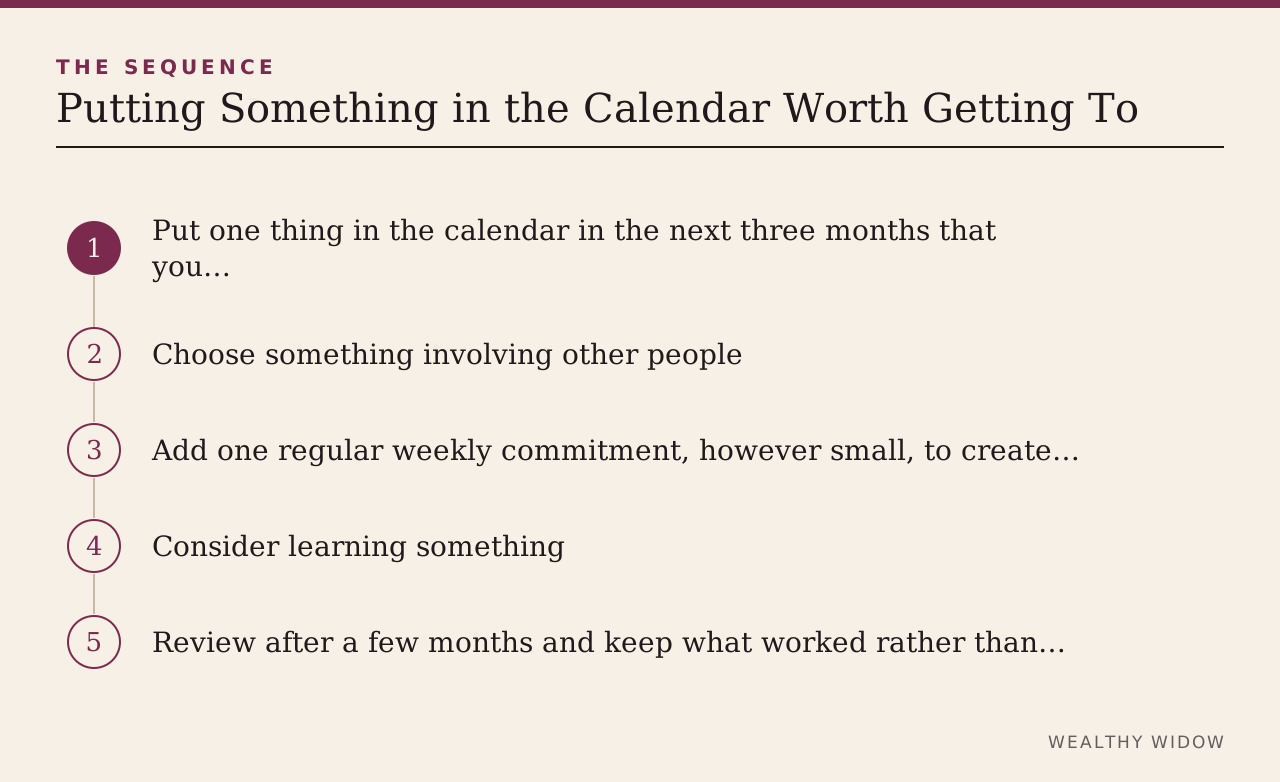
- Put one thing in the calendar in the next three months that you would look forward to.
- Choose something involving other people, since those plans survive better.
- Add one regular weekly commitment, however small, to create structure.
- Consider learning something, which supplies both structure and a reason to leave the house.
- Review after a few months and keep what worked rather than persisting with what did not.
Where good intentions go wrong
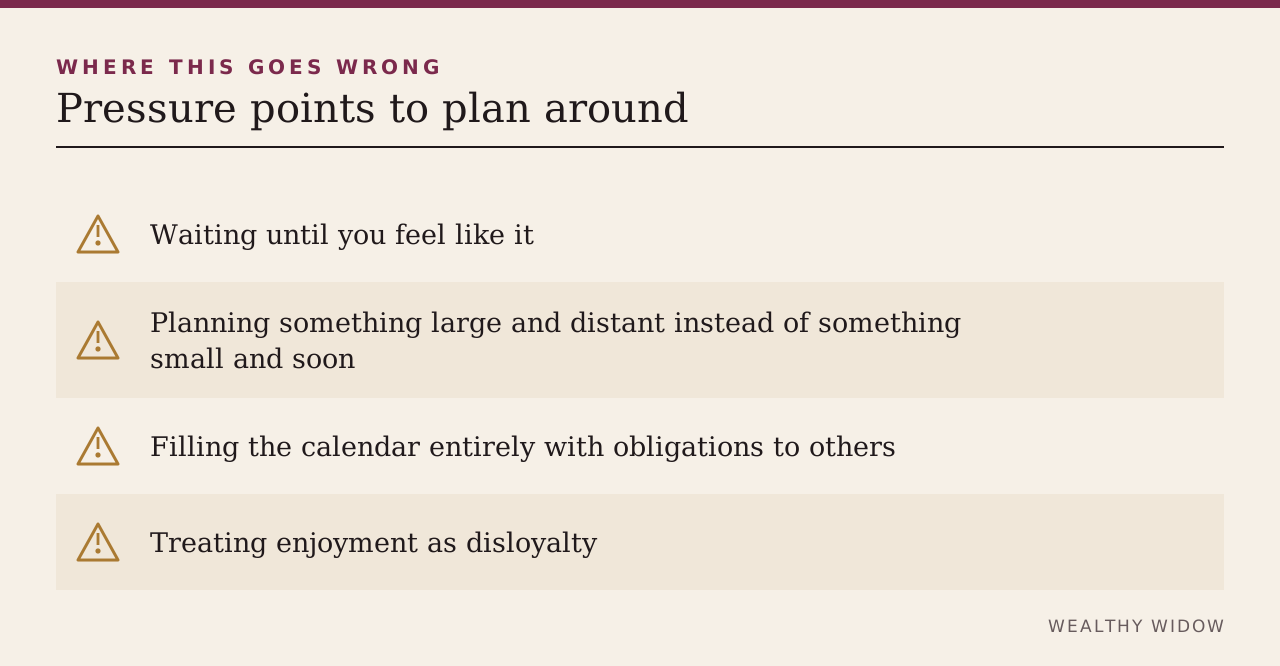
Each of these is a signal to stop and confirm rather than proceed. Waiting until you feel like it, which tends to postpone indefinitely.
Planning something large and distant instead of something small and soon. Filling the calendar entirely with obligations to others. Treating enjoyment as disloyalty, which is common and worth naming.
The evidence to gather
You will be asked for these in some combination by almost everyone involved.
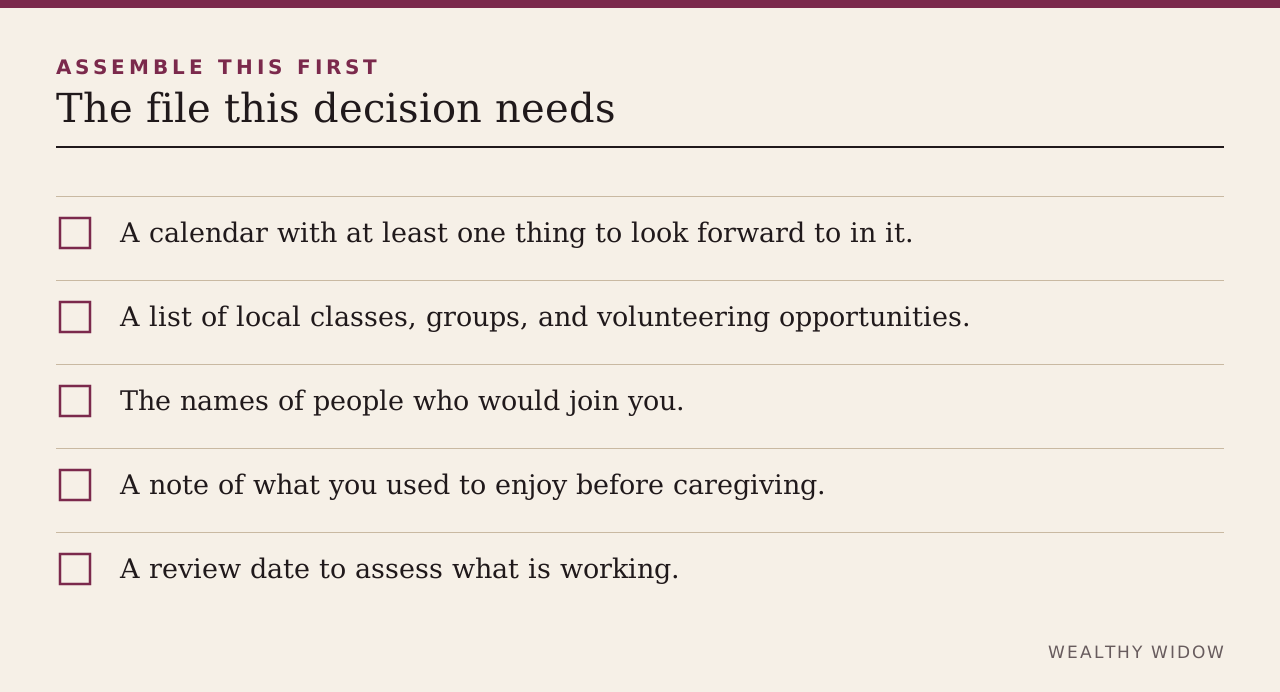
- A calendar with at least one thing to look forward to in it.
- A list of local classes, groups, and volunteering opportunities.
- The names of people who would join you.
- A note of what you used to enjoy before caregiving.
- A review date to assess what is working.
The written trail to keep
Written confirmation is ordinary practice, not suspicion.
- That something is actually in the calendar rather than under consideration.
- That at least one commitment is regular rather than one-off.
- That someone else is involved in at least one plan.
- What is available locally that you have not yet tried.
Questions to take to a professional
If an answer to any of these is vague, that is your answer about the adviser.
- What is happening locally that I might not know about?
- Would you come with me to this?
- What volunteering is needed in this area?
- What did you find helped you rebuild a routine?
Confirm this against the rule
Do not take this guide as the authority. Each source below states the current rule for the part of this decision it covers.
- National Institute on Aging — Participating in activities you enjoy
- National Institute on Aging — Coping with grief and loss
- National Institute on Aging — Loneliness and social isolation
What is outside this
What follows is outside anything written for a general readership. It cannot tell you what you would enjoy, and the useful information here is local and personal rather than general.
The short version
Put one thing in the calendar and make it soon, small, and shared. It is not a statement about grief. It is a structural change to a year that would otherwise contain only obligations and anniversaries.
If this raised a further question, When Grief Is Not Easing: Recognising It and What Helps takes it further.
Primary sources
- National Institute on Aging — Participating in activities you enjoy
- National Institute on Aging — Coping with grief and loss
- National Institute on Aging — Loneliness and social isolation
This article provides general education, not individualized legal, tax, investment, insurance, or benefits advice. Rules and deadlines change; verify the current requirement with the agency and a qualified professional.