Estate
Estate Debts: Order of Payment Is Not a Matter of Preference
A personal representative who pays the wrong creditors first can become personally liable for the ones who should have been paid before them.

Widowhood arrives with a queue of decisions that all look equally urgent. A personal representative who pays the wrong creditors first can become personally liable for the ones who should have been paid before them. They are not the same task, and treating them as one is how good decisions get made badly.
Creditors will contact you in order of persistence rather than in order of priority. Those two orders are unrelated, and following the first can leave a representative personally exposed.
State law sets the order in which estate debts are paid, and paying out of order can make the shortfall yours.
Name the decision before you make it
These are the points the rest of the decision rests on, so it is worth being sure of them before going further. State law establishes a priority order for payment of estate debts and expenses. Administration expenses and certain taxes typically rank ahead of ordinary unsecured creditors. A representative who distributes or pays out of order may be personally liable to the creditors passed over.
Not every claim presented is valid, and claims can be disputed. Where an estate is insolvent, the procedure differs and advice is essential.
How to work through it
Take it in this sequence. Reversing the order tends to create work rather than save it, and occasionally forecloses a choice.
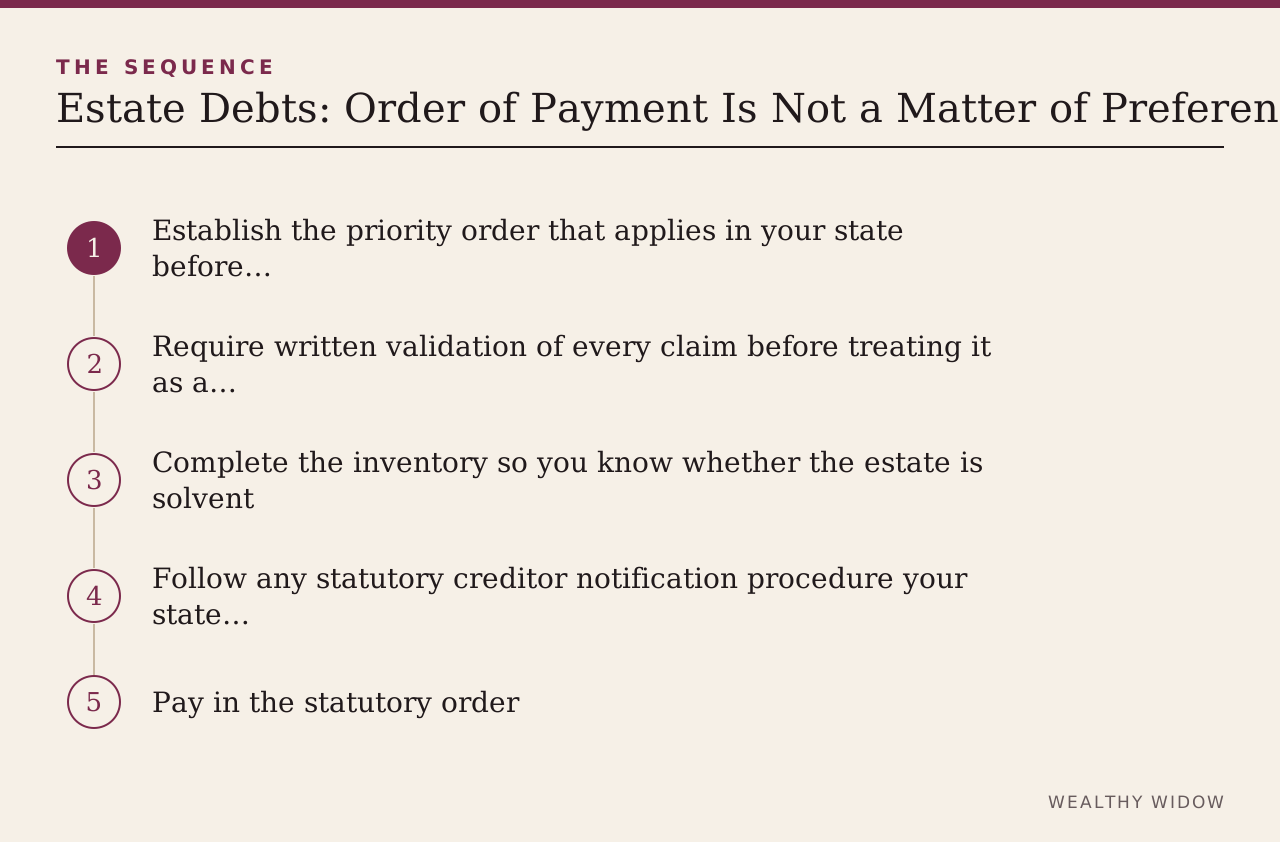
- Establish the priority order that applies in your state before paying anything.
- Require written validation of every claim before treating it as a debt.
- Complete the inventory so you know whether the estate is solvent.
- Follow any statutory creditor notification procedure your state provides.
- Pay in the statutory order, and record the basis for each payment.
Known hazards
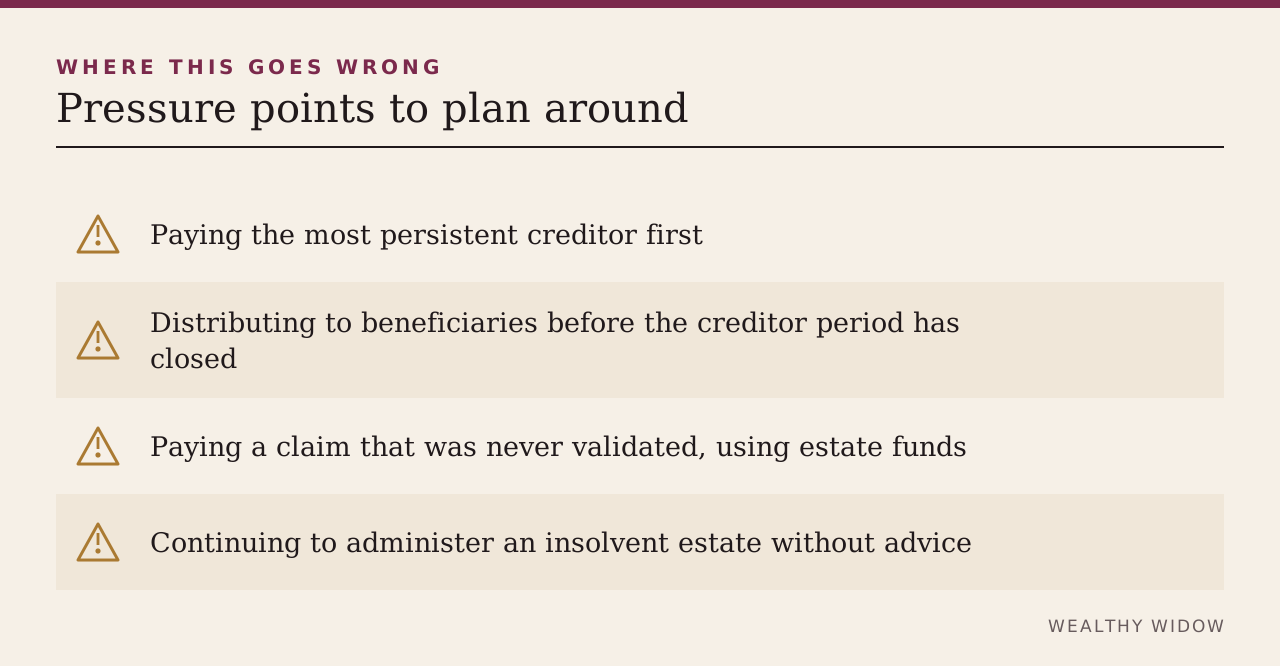
Watch for the following, and treat each as a reason to slow down. Paying the most persistent creditor first, which is the most common error and the most costly.
Distributing to beneficiaries before the creditor period has closed. Paying a claim that was never validated, using estate funds. Continuing to administer an insolvent estate without advice.
Assemble the file
Having the file complete before the first call removes most of the back and forth that follows.
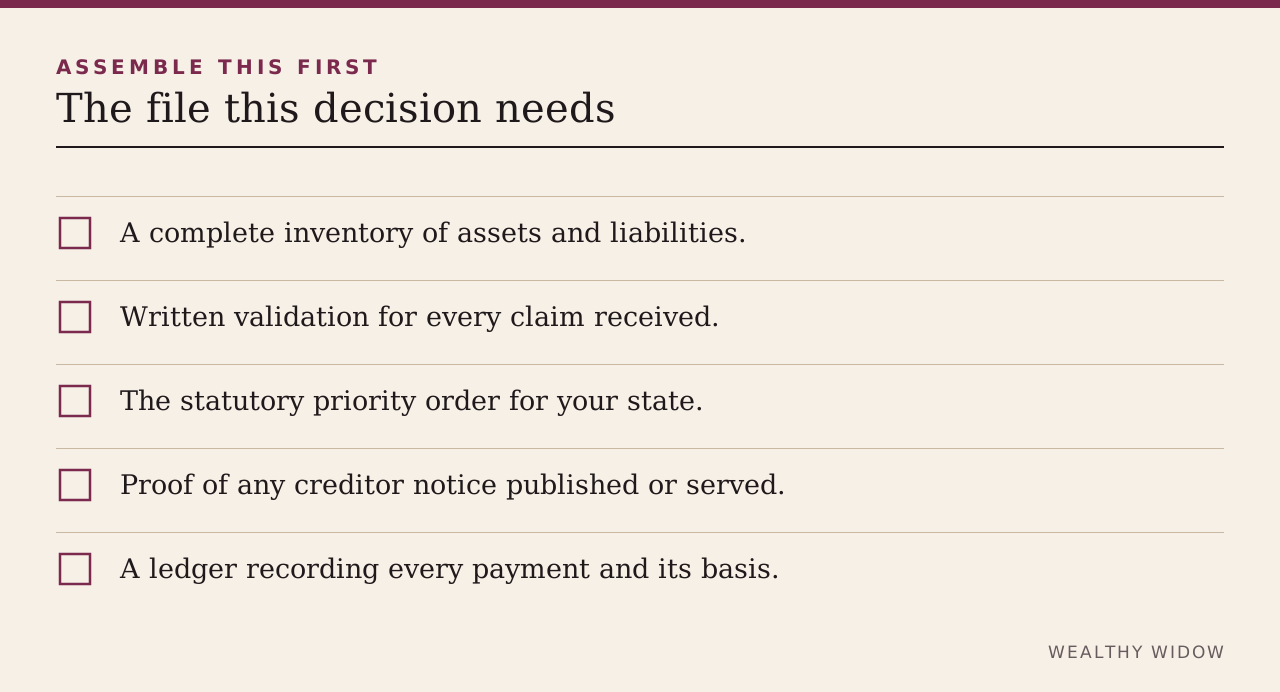
- A complete inventory of assets and liabilities.
- Written validation for every claim received.
- The statutory priority order for your state.
- Proof of any creditor notice published or served.
- A ledger recording every payment and its basis.
Get it on paper
Ask for each of the following in writing, by letter, secure message, or email you can save.
- The priority order applying in your state.
- Whether the estate is solvent.
- That each claim has been validated in writing.
- The date the creditor claim period closes.
Questions for the person advising you
Put these directly, note the answers, and record who gave them and when.
- What is the statutory order of payment in this state?
- Is this estate solvent, and what changes if it is not?
- What creditor notice must I give, and by when?
- What is my personal exposure if I pay in the wrong order?
Where the current rule lives
Read the source directly for any figure, date, or threshold that will actually drive a decision you make.
- Federal Trade Commission — Debts and deceased relatives
- Consumer Financial Protection Bureau — Does a person’s debt go away when they die?
- Internal Revenue Service — Information for executors
- Legal Services Corporation — I need legal help
What this cannot decide for you
General guidance sets out the shape of a decision. Your documents settle it. It cannot state your state’s priority order, which is set by statute and differs materially between jurisdictions.
Before you move on
Establish the order before you pay anyone, validate every claim, and wait for the creditor period to close before distributing. Persistence from a creditor is not evidence of priority.
Our related guide The Trust That Was Signed But Never Funded covers the adjacent problem.
Primary sources
- Federal Trade Commission — Debts and deceased relatives
- Consumer Financial Protection Bureau — Does a person’s debt go away when they die?
- Internal Revenue Service — Information for executors
- Legal Services Corporation — I need legal help
This article provides general education, not individualized legal, tax, investment, insurance, or benefits advice. Rules and deadlines change; verify the current requirement with the agency and a qualified professional.