Money
The First Meeting With a New Adviser
A first meeting is frequently a sales appointment with a different name, and a few questions establish which it is.

There is a version of this decision that takes ten minutes and a version that takes a season. A first meeting is frequently a sales appointment with a different name, and a few questions establish which it is. The difference is whether the facts were assembled first.
Free initial meetings are common and are not free to the firm. Knowing what a first meeting should produce keeps it from producing something else.
A first meeting should produce a written scope and a fee basis, not a recommendation.
What you are really being asked
Most of the confusion here clears once a few things are stated plainly. Registration and disciplinary history is publicly searchable before you attend. A first meeting should establish scope, fees, and obligations rather than recommend a product. An adviser recommending a specific product at a first meeting has not yet seen your full position.
Bringing a second person changes the dynamic and improves what is later recalled. There is no obligation to decide anything, and saying so at the outset is entirely normal.
The sequence that keeps options open
Work deliberately, one step at a time, and treat each as complete before the next one starts.
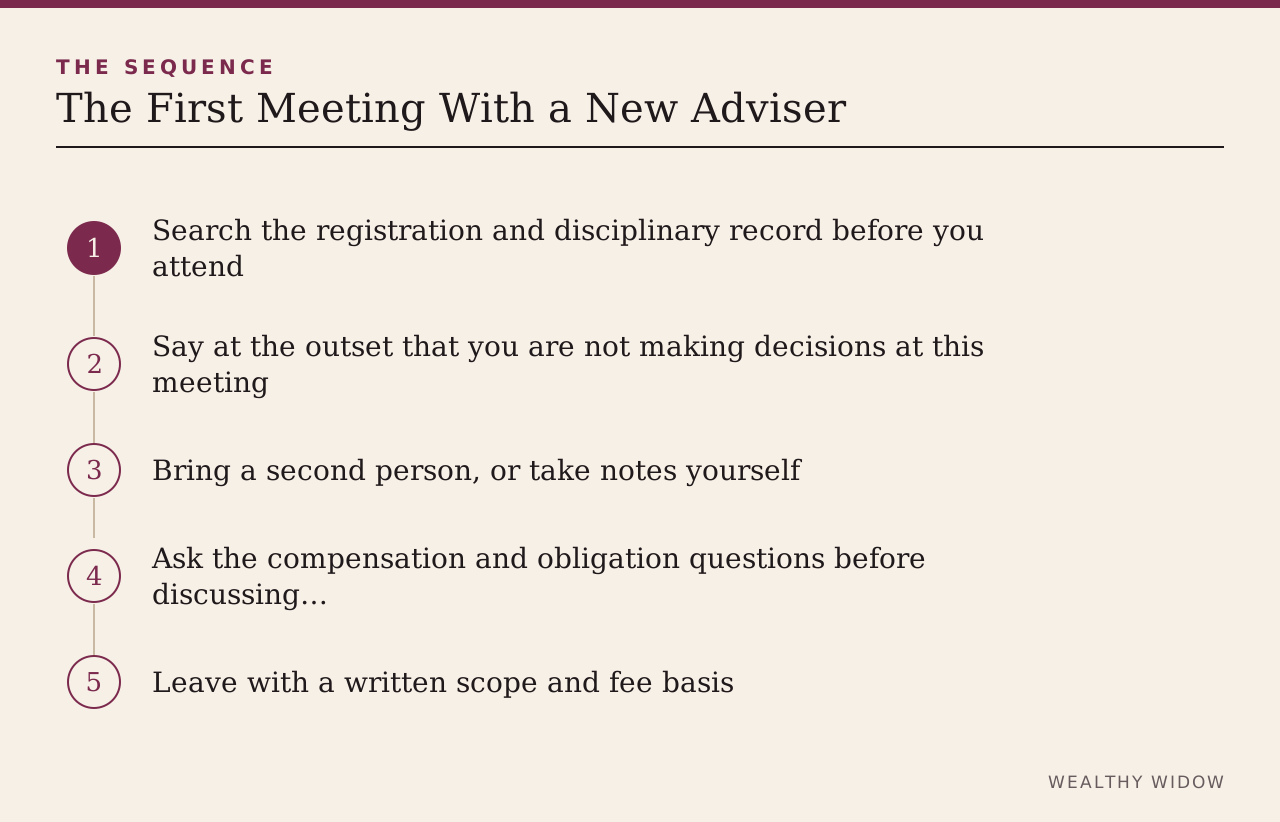
- Search the registration and disciplinary record before you attend.
- Say at the outset that you are not making decisions at this meeting.
- Bring a second person, or take notes yourself.
- Ask the compensation and obligation questions before discussing your position.
- Leave with a written scope and fee basis, and nothing signed.
The failure modes to plan around
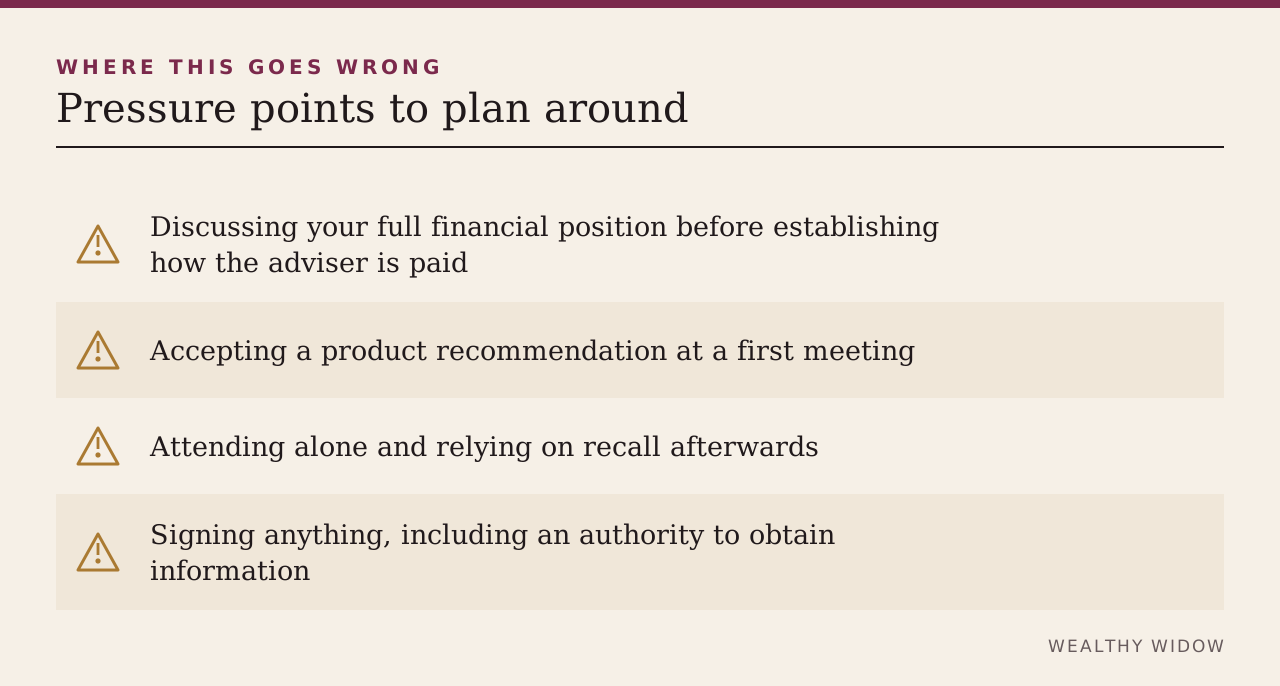
Knowing the failure modes is half of it; the following are the usual ways this goes wrong. Discussing your full financial position before establishing how the adviser is paid.
Accepting a product recommendation at a first meeting. Attending alone and relying on recall afterwards. Signing anything, including an authority to obtain information, without reading it.
Assemble this evidence before you start
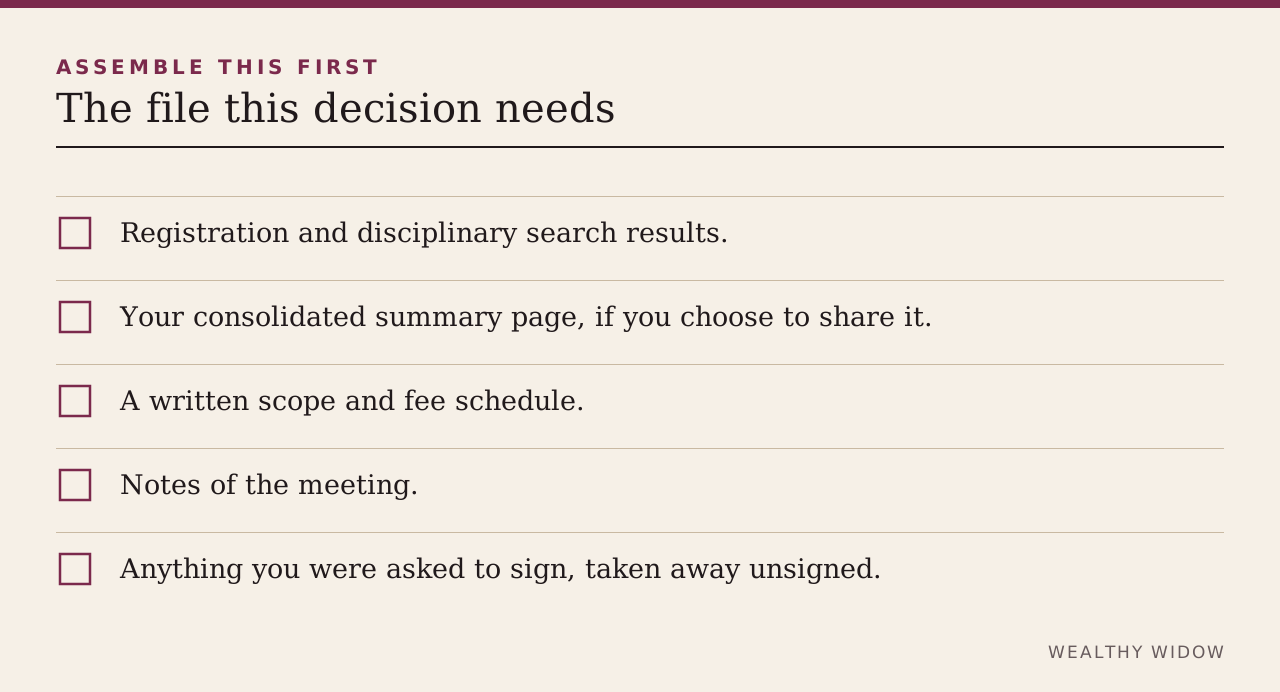
A call made without these usually has to be made again.
- Registration and disciplinary search results.
- Your consolidated summary page, if you choose to share it.
- A written scope and fee schedule.
- Notes of the meeting.
- Anything you were asked to sign, taken away unsigned.
The record to build as you go
A verbal answer is a starting point, not a record. Get each of these documented.
- The adviser’s registration and record.
- How they are paid, and by whom.
- Their obligation to you, in writing.
- The scope and fee basis, in writing.
Ask these before anyone is paid
Vagueness on any of these is itself an answer, and it is worth treating as one.
- How are you paid, and does anyone else pay you in connection with my account?
- Are you obliged to act in my best interest, and will you confirm that in writing?
- What would you charge, and on what basis?
- What would you need from me before making any recommendation?
Confirm this against the rule
Do not take this guide as the authority. Each source below states the current rule for the part of this decision it covers.
- U.S. Securities and Exchange Commission — Check out your investment professional
- U.S. Securities and Exchange Commission — Ask and check
- U.S. Securities and Exchange Commission — Understanding fees
- U.S. Securities and Exchange Commission — Background check search tool
What is outside this
What follows is outside anything written for a general readership. It cannot assess an adviser, and the registration record plus a written scope is what a first meeting should establish.
The short version
Search the record first, say you are not deciding, bring someone, and leave with a scope rather than a recommendation. A good adviser will find none of that unusual.
Read When Adult Children Disagree With How You Handle Money next; the two decisions interact.
Primary sources
- U.S. Securities and Exchange Commission — Check out your investment professional
- U.S. Securities and Exchange Commission — Ask and check
- U.S. Securities and Exchange Commission — Understanding fees
- U.S. Securities and Exchange Commission — Background check search tool
This article provides general education, not individualized legal, tax, investment, insurance, or benefits advice. Rules and deadlines change; verify the current requirement with the agency and a qualified professional.