Home
Looking After Property That Is Not Yet Yours
During administration a representative must preserve estate property, which means maintaining, insuring, and securing it without treating it as their own.

You may be told this is simply a form to sign. It is a decision with consequences. During administration a representative must preserve estate property, which means maintaining, insuring, and securing it without treating it as their own.
Property held during administration falls into an awkward gap: it must be maintained and insured, and the person doing so has duties but not ownership. Getting this wrong is a common source of beneficiary complaint.
A representative is a custodian of estate property, obliged to preserve it and accountable for what happens to it.
Start by naming the decision correctly
Before any advice, the ground facts. A personal representative generally has a duty to preserve estate property. Reasonable expenses of preserving the property are usually payable from the estate, provided they are evidenced with receipts. Occupying estate property without terms can create issues with other beneficiaries.
Insurance must be appropriate to the property’s occupancy during administration. A loss caused by failure to preserve can expose the representative personally.
The order of operations
Work through this deliberately. Each step assumes the one before it is done.
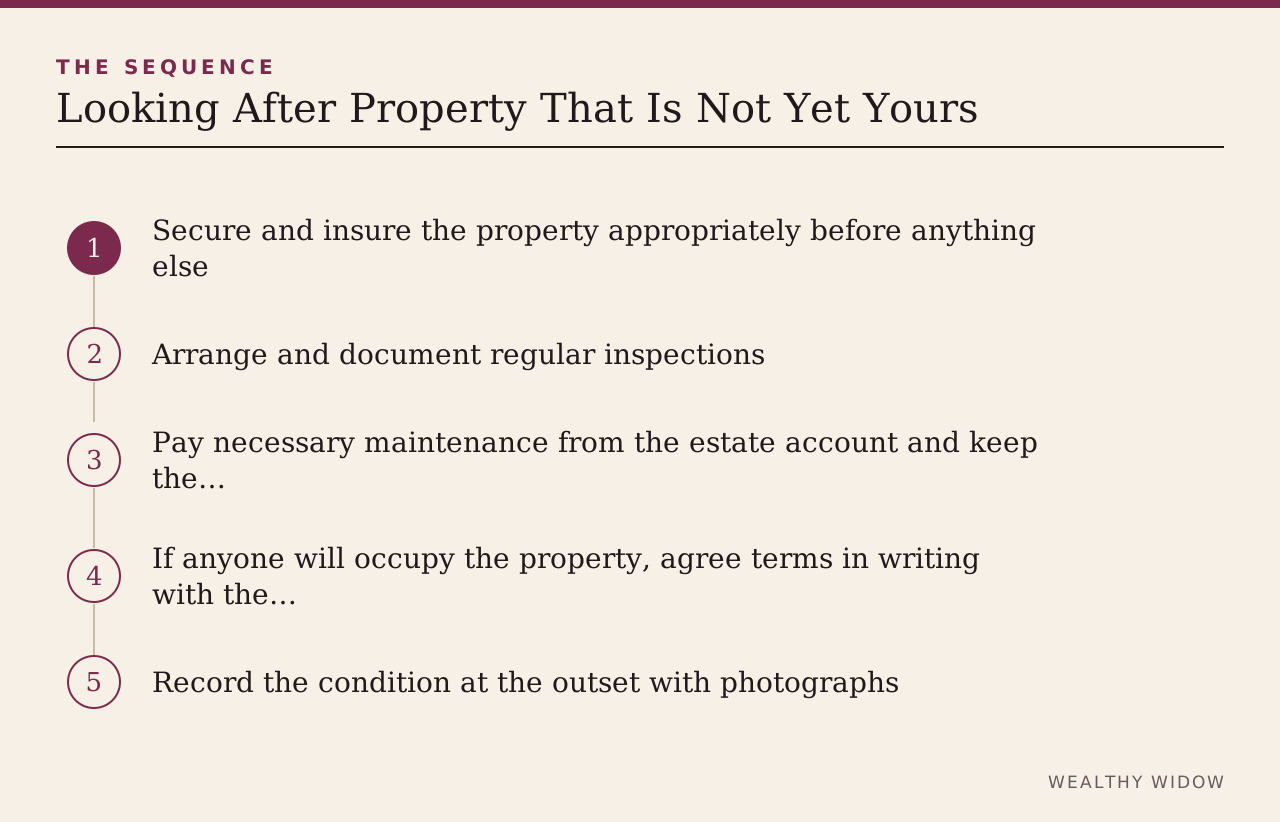
- Secure and insure the property appropriately before anything else.
- Arrange and document regular inspections.
- Pay necessary maintenance from the estate account and keep the receipts.
- If anyone will occupy the property, agree terms in writing with the beneficiaries.
- Record the condition at the outset with photographs.
Where readers most often get hurt
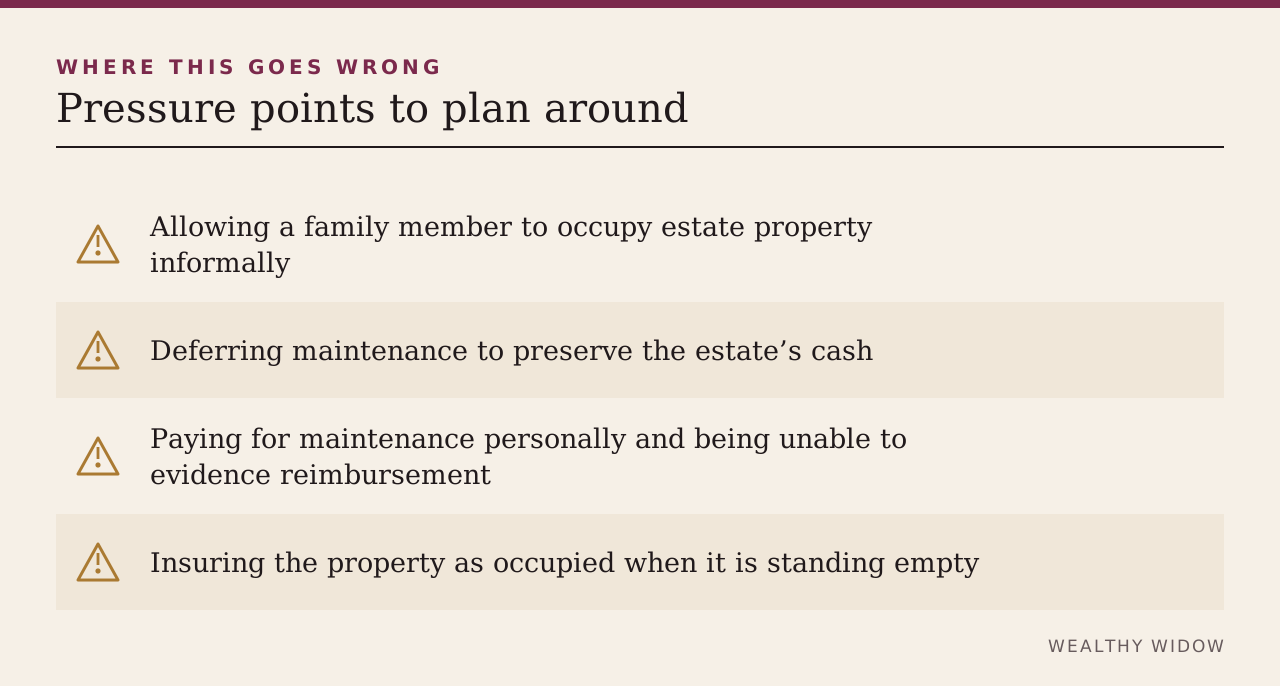
Anticipating these is most of the protection available to you, and it costs nothing but attention. Allowing a family member to occupy estate property informally.
Deferring maintenance to preserve the estate’s cash, and causing a larger loss. Paying for maintenance personally and being unable to evidence reimbursement. Insuring the property as occupied when it is standing empty.
What you will be asked to produce
Assemble this before the first conversation rather than during it.
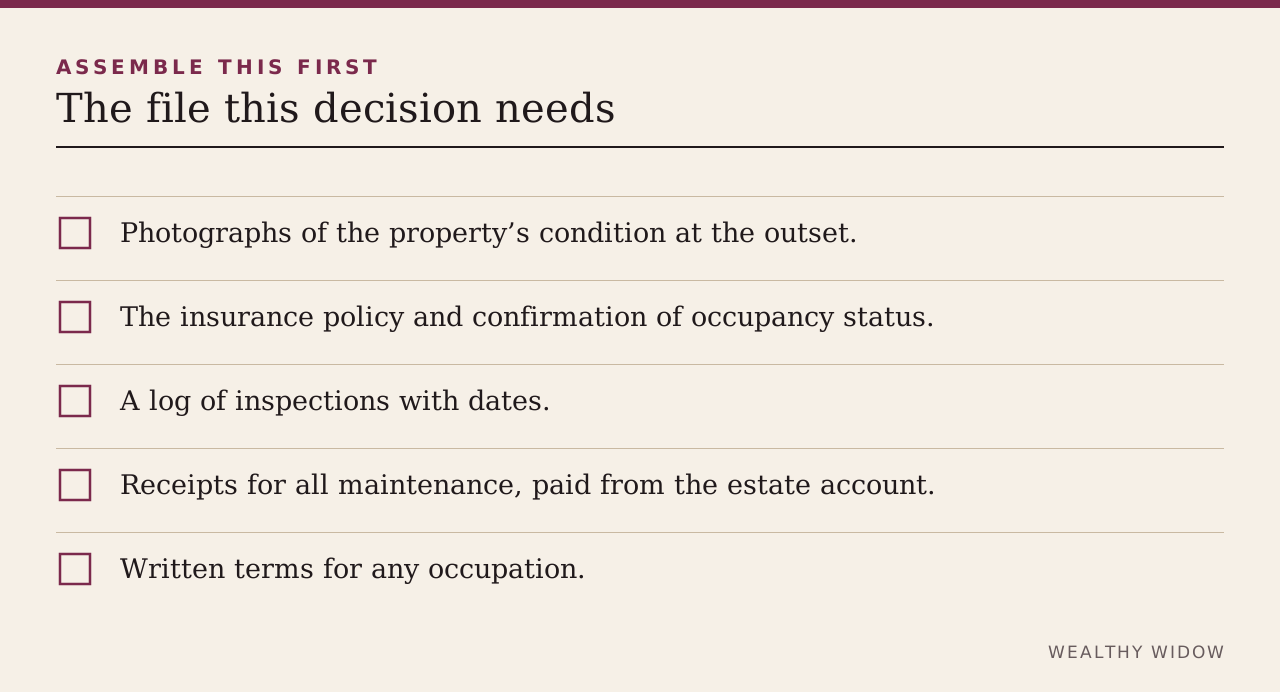
- Photographs of the property’s condition at the outset.
- The insurance policy and confirmation of occupancy status.
- A log of inspections with dates.
- Receipts for all maintenance, paid from the estate account.
- Written terms for any occupation.
The written trail to keep
Written confirmation is ordinary practice, not suspicion.
- That insurance is appropriate to actual occupancy.
- That inspections are happening and being recorded.
- That maintenance costs are being paid from and evidenced to the estate.
- That any occupation is on agreed written terms.
Questions to take to a professional
If an answer to any of these is vague, that is your answer about the adviser.
- What are my duties in preserving this property?
- What insurance is appropriate during administration?
- What terms should apply if a beneficiary occupies it?
- What expenses are properly payable from the estate?
Read the agency, not this summary
Treat these as the authority and this guide as an index to them.
- Internal Revenue Service — Information for executors
- National Association of Insurance Commissioners — Consumer resources
- Legal Services Corporation — I need legal help
- Internal Revenue Service — About Publication 559, survivors, executors, and administrators
What only your documents can answer
This is where a guide stops being useful and your own paperwork takes over. It cannot state a representative’s duties, which are set by state law and by any court supervising the administration.
The last word on this
Secure it, insure it for how it is actually occupied, inspect it regularly, and pay for it from the estate with receipts. Those four habits cover almost every complaint that arises about property during administration, and they take far less effort than defending a decision made casually eighteen months earlier.
If this raised a further question, Selling Contents: Knowing What Is Valuable Before It Leaves takes it further.
Primary sources
- Internal Revenue Service — Information for executors
- National Association of Insurance Commissioners — Consumer resources
- Legal Services Corporation — I need legal help
- Internal Revenue Service — About Publication 559, survivors, executors, and administrators
This article provides general education, not individualized legal, tax, investment, insurance, or benefits advice. Rules and deadlines change; verify the current requirement with the agency and a qualified professional.