Life After Loss
Living Alone: The Practical Adjustments Nobody Lists
For many widows this is the first time living alone in decades, and the adjustments are practical as much as emotional.

You may be told this is simply a form to sign. It is a decision with consequences. For many widows this is the first time living alone in decades, and the adjustments are practical as much as emotional.
A household with two people has informal redundancy built in: someone notices, someone else knows the password, someone is there if you fall. Rebuilding that deliberately is practical work rather than an admission of frailty.
Arrangements that were invisible when there were two of you become single points of failure when there is one.
The decision behind the form
A handful of accurate points does most of the work here, and the rest is noise generated by other people’s urgency. Many household arrangements assume a second person is present, and those assumptions can fail quietly. A scheduled contact arrangement is one practical form of redundancy; it only works when both people agree what a missed check-in triggers. Eldercare Locator can connect older adults and families with local services.
Home safety adjustments are more effective made in advance than after an incident. Living alone changes the risk profile for both scams and emergencies.
Step by step, in this order
The order below keeps your options open for as long as possible.
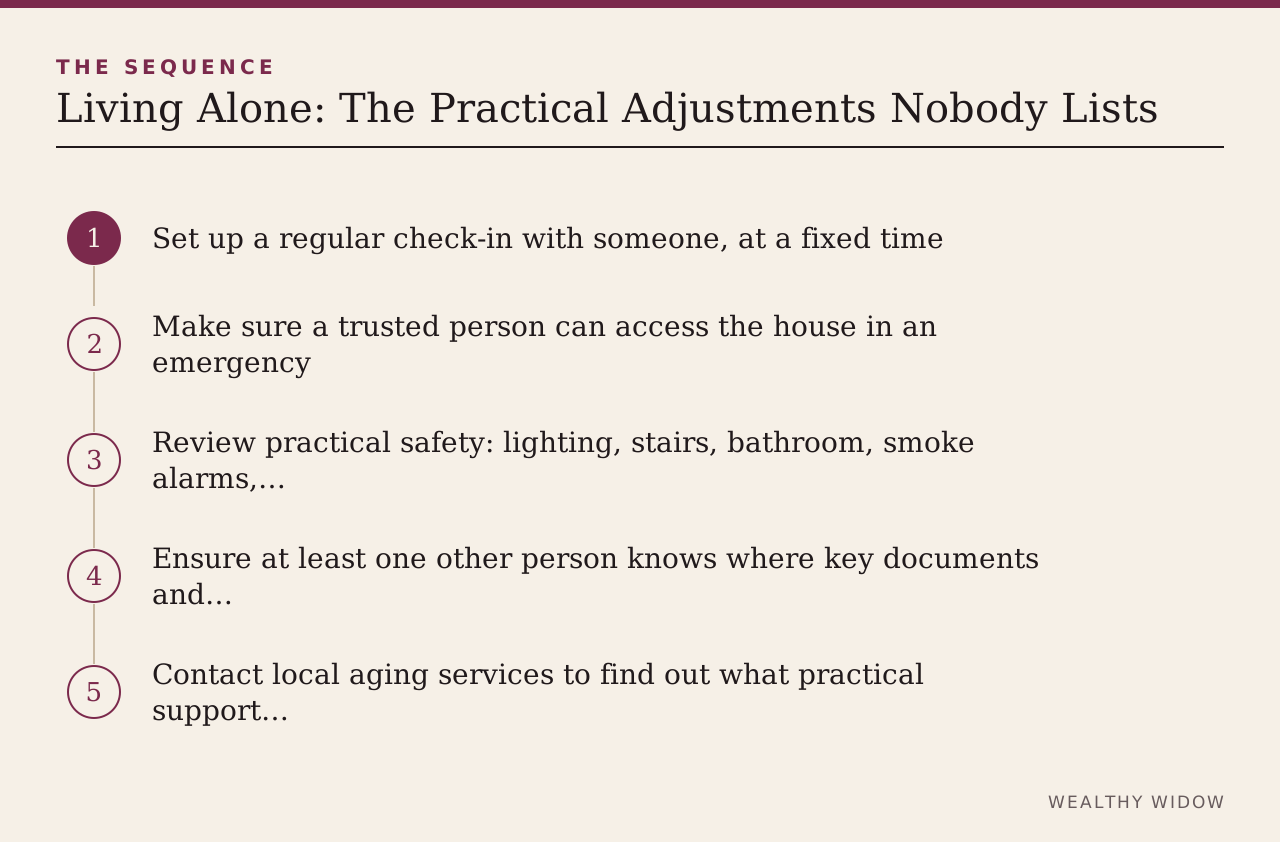
- Set up a regular check-in with someone, at a fixed time, so absence is noticed.
- Make sure a trusted person can access the house in an emergency.
- Review practical safety: lighting, stairs, bathroom, smoke alarms, heating.
- Ensure at least one other person knows where key documents and information are held.
- Contact local aging services to find out what practical support exists in your area.
The costly misreadings
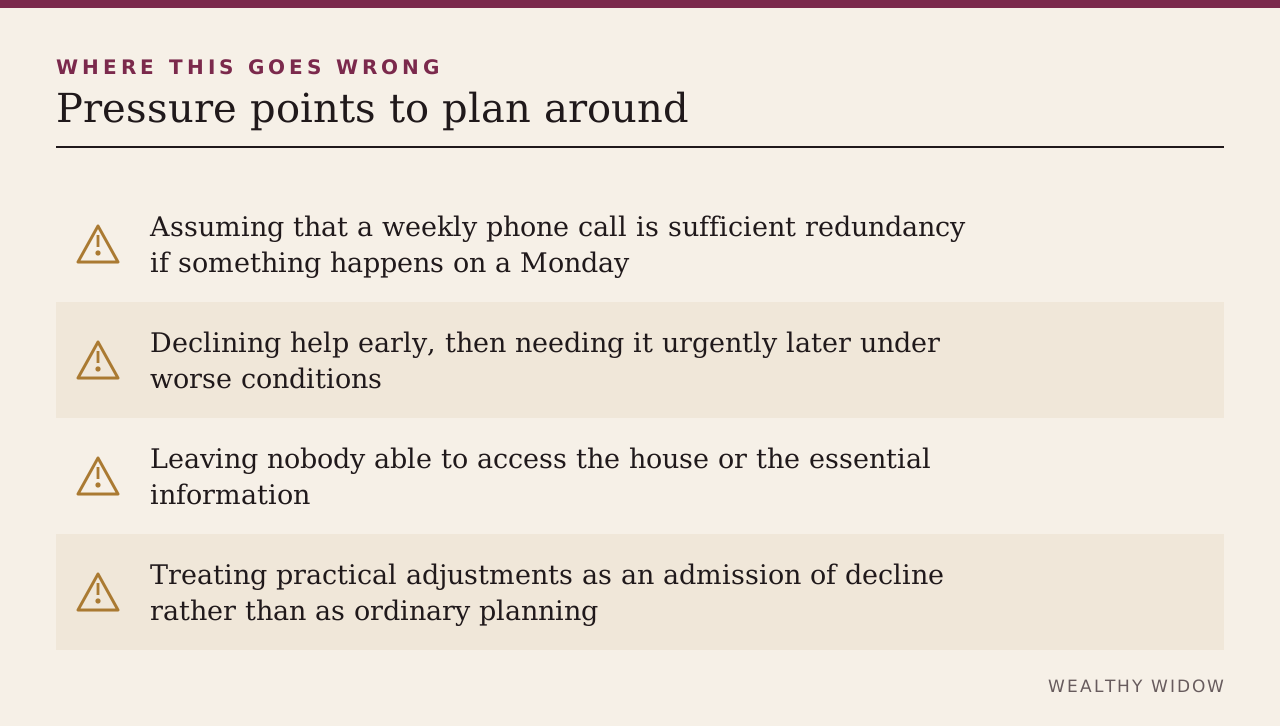
Treat each of the following as a reason to slow down. Assuming that a weekly phone call is sufficient redundancy if something happens on a Monday.
Declining help early, then needing it urgently later under worse conditions. Leaving nobody able to access the house or the essential information. Treating practical adjustments as an admission of decline rather than as ordinary planning.
The file this decision needs
Keep these together in one place, and note where every copy goes and on what date it was sent.
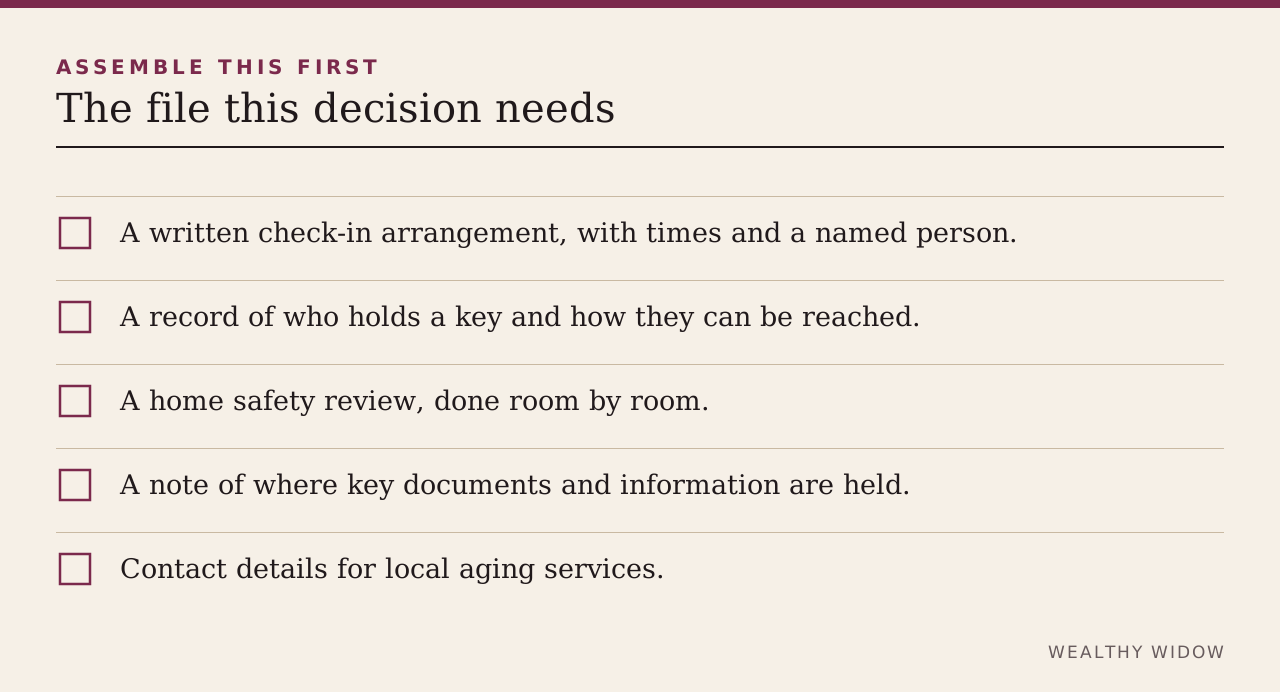
- A written check-in arrangement, with times and a named person.
- A record of who holds a key and how they can be reached.
- A home safety review, done room by room.
- A note of where key documents and information are held.
- Contact details for local aging services.
Confirm these in writing before you act
Written confirmation is not distrust. It is ordinary governance. Ask for each of these.
- That the check-in arrangement is agreed and actually happening.
- That someone can access the house in an emergency.
- That safety adjustments have been made rather than only identified.
- What local support services exist and how to reach them.
What to put to your adviser
Take these to whoever is advising you, in writing if you can.
- Would you be willing to check in with me at a set time each day?
- What practical support is available locally?
- What home safety adjustments would you recommend for this house?
- Who should hold a key and know how to reach my family?
Read the agency, not this summary
Treat these as the authority and this guide as an index to them.
- Administration for Community Living — Eldercare Locator
- National Institute on Aging — Loneliness and social isolation
- CDC STEADI — Check for Safety home fall-prevention checklist
- CISA — Personal Security Considerations Action Guide
What only your documents can answer
This is where a guide stops being useful and your own paperwork takes over. It cannot assess your home or your circumstances, and a local aging services office can do both far better than any general list.
The last word on this
Rebuild the redundancy deliberately: someone notices, someone can get in, and someone knows where things are. It is a short list, it takes an afternoon, and it changes what happens on a bad day.
Read The Friendships That Change, and the Ones That Arrive next; the two decisions interact.
Primary sources
- Administration for Community Living — Eldercare Locator
- National Institute on Aging — Loneliness and social isolation
- CDC STEADI — Check for Safety home fall-prevention checklist
- CISA — Personal Security Considerations Action Guide
This article provides general education, not individualized legal, tax, investment, insurance, or benefits advice. Rules and deadlines change; verify the current requirement with the agency and a qualified professional.