Life After Loss
Holidays: Deciding in Advance What You Will and Will Not Do
Family occasions carry assumptions about who hosts, who attends, and what continues, and none of them survive a death unexamined.

Family occasions can carry assumptions about who hosts, who attends, and which traditions continue. After a death, naming those assumptions early makes room for a deliberate one-year plan.
Holidays after a death combine grief with obligation and logistics. Deciding in advance, and saying so early, prevents both an exhausting improvisation and an accidental precedent.
A tradition is a choice for this occasion, not a permanent obligation created by the past.
What this decision actually is
Grief is individual, and SAMHSA notes that cultural, social, personal, religious, and family practices can all shape it. That means there is no evidence-based requirement to host, attend, preserve every tradition, or avoid celebration. This year’s arrangement can be treated as a one-year choice rather than a permanent family rule.
Deciding early gives others time to make their own arrangements. A partial approach, attending briefly rather than not at all, is a legitimate option.
Work it in this order
The sequence below is the one that keeps you in control of the pace.
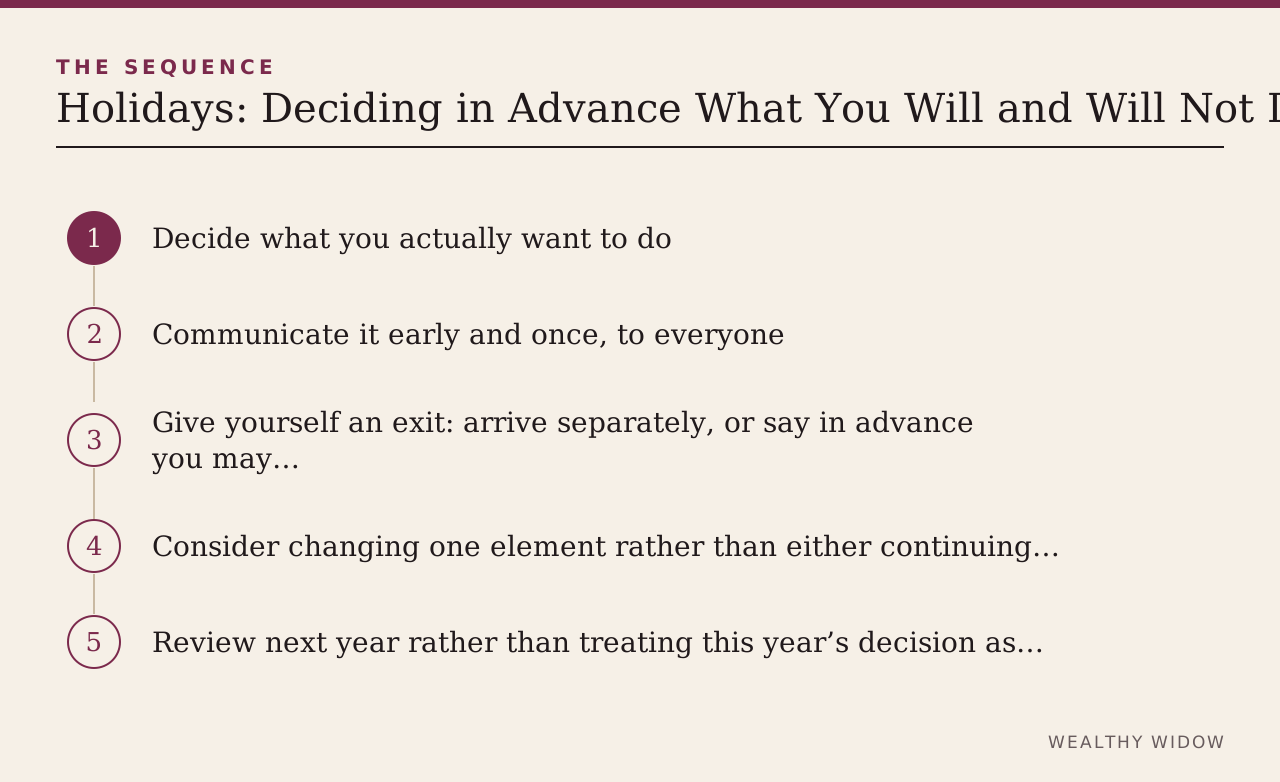
- Decide what you actually want to do, before anyone asks.
- Communicate it early and once, to everyone, rather than negotiating individually.
- Give yourself an exit: arrive separately, or say in advance you may leave early.
- Consider changing one element rather than either continuing everything or nothing.
- Review next year rather than treating this year’s decision as permanent.
The pressure points to watch
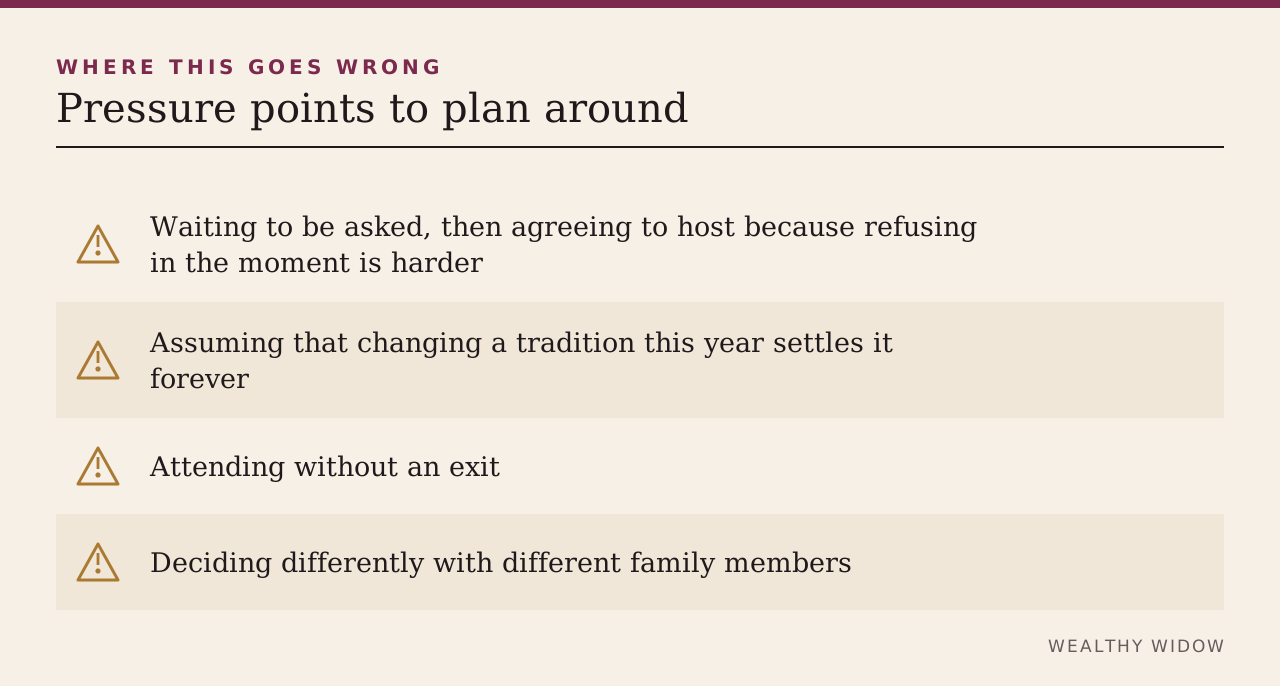
These recur often enough across households to be planned around rather than discovered one at a time. Waiting to be asked, then agreeing to host because refusing in the moment is harder.
Assuming that changing a tradition this year settles it forever. Attending without an exit, and being unable to leave when you need to. Deciding differently with different family members, which creates friction.
Before the first call, collect these
Gather these first. A call made without them usually has to be made again.
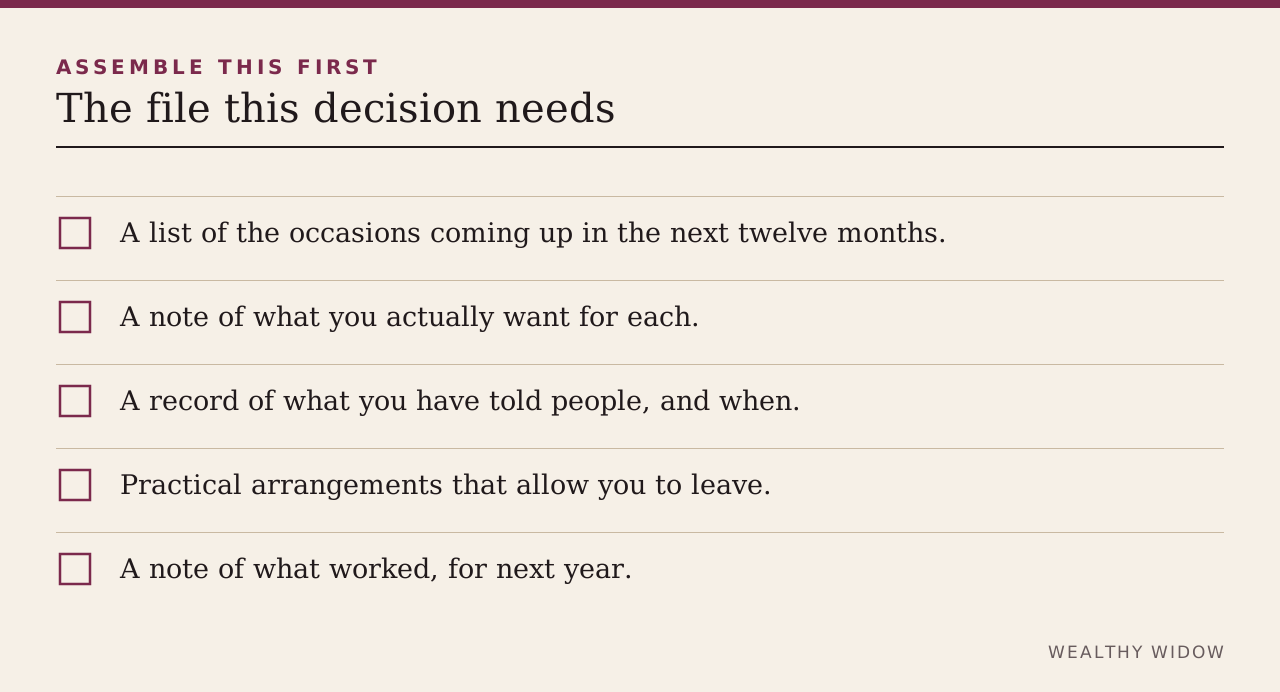
- A list of the occasions coming up in the next twelve months.
- A note of what you actually want for each.
- A record of what you have told people, and when.
- Practical arrangements that allow you to leave.
- A note of what worked, for next year.
Make the plan easy to retrieve
A short shared message can prevent crossed assumptions without turning a family occasion into a formal negotiation.
- That you have decided rather than deferred.
- That everyone has been told the same thing.
- That an exit is available if you need it.
- That this year’s decision is understood as this year’s.
Questions for the family conversation
Use these with the people involved in the occasion.
- Would you be willing to host this year instead?
- Would you mind if I came for part of it rather than all of it?
- What would you find helpful this year?
- Can we agree that this year is just this year?
The primary sources for this guide
These sources describe grief and available support; they do not prescribe a correct holiday arrangement.
- National Institute on Aging — Coping with grief and loss
- Substance Abuse and Mental Health Services Administration — Coping with bereavement and grief
What this leaves open
A guide can set out the structure of a decision. It cannot read your documents, and your documents govern. It cannot tell you what you will want on the day, and changing your mind is a legitimate outcome rather than a failure of planning.
The part worth remembering
Decide early, tell everyone once, and keep an exit. The alternative is agreeing under pressure to a version of the occasion that suits nobody, least of all you.
A companion guide, Travelling Without the Person You Always Travelled With, covers the decision that sits alongside this one.
Primary sources
- National Institute on Aging — Coping with grief and loss
- Substance Abuse and Mental Health Services Administration — Coping with bereavement and grief
This article provides general education, not individualized legal, tax, investment, insurance, or benefits advice. Rules and deadlines change; verify the current requirement with the agency and a qualified professional.