Hiring a Private Chef: Payroll, Privacy, and Food Safety
Hire a private chef by defining the role, classifying the worker, documenting pay and hours, managing allergies, protecting privacy, and auditing food safety.
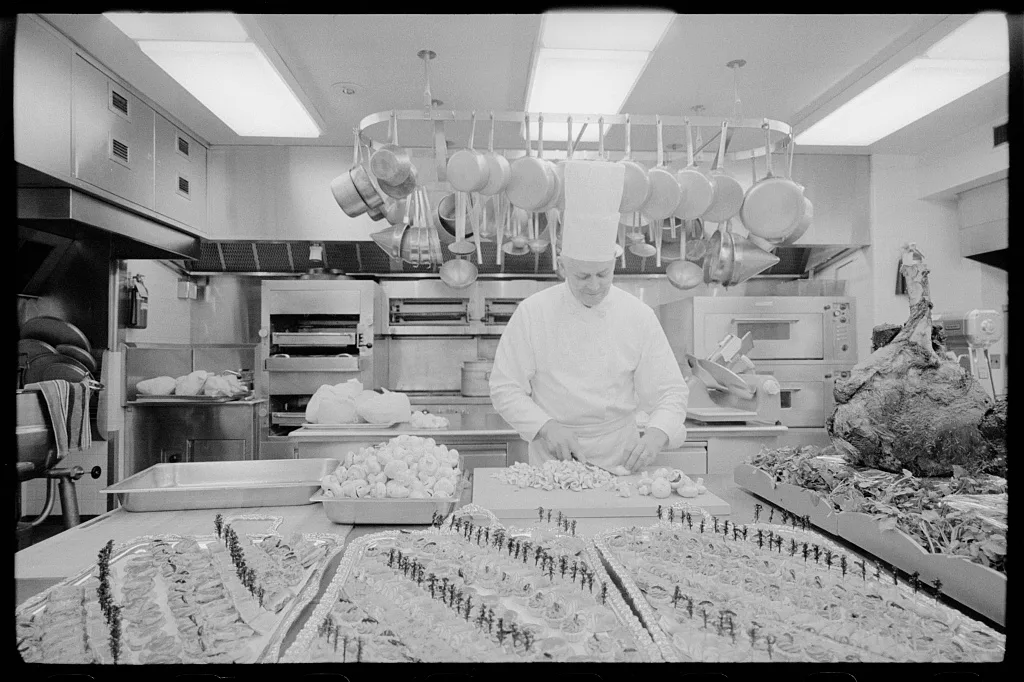
A private chef enters one of the most personal parts of a home. The role can include shopping, menu planning, handling medical or religious food restrictions, seeing household routines, supervising vendors, and working while the client is away. Culinary talent matters, but the engagement also needs lawful employment, safe food, privacy, and clear authority.
Start by deciding whether you need an occasional caterer, meal-preparation service, personal chef with several clients, or an individual who works regularly in your home under your direction. The label in the contract does not decide employment status.
Define the relationship before the first menu: who controls the work, who buys food, who bears business risk, who keeps records, and who is responsible when plans change.
Write the actual role
Describe frequency, locations, household members, cuisines, service style, shopping, menu approval, leftovers, kitchen cleanup, events, travel, guest counts, and coordination with other staff. State whether the chef may hire assistants, use the kitchen for outside clients, receive deliveries, use household vehicles, or charge purchases to an account.
Separate ordinary duties from optional event work. A quiet weekly meal-preparation role can become an unpaid on-call job if dinners, guests, shopping, and cleanup expand without a change process.
Document allergies, intolerances, medical diets, religious rules, alcohol preferences, and foods excluded by choice. The chef should not diagnose a condition or promise that a home kitchen is free of an allergen it regularly contains. For severe allergy or medically prescribed nutrition, coordinate with the treating clinician and an appropriately qualified dietitian.
Determine who the employer is
IRS Publication 926 says a worker is generally a household employee when the household controls not only what work is done but how it is done. Full-time, part-time, agency referral, daily pay, and a written “independent contractor” label do not settle the question.
Review the facts with a household-employment tax professional and employment lawyer. If an agency claims to employ the chef, obtain written confirmation of who hires, directs, pays, insures, schedules, disciplines, and reports wages. Verify the contract and proof of coverage rather than relying on marketing language.
For an employee, address work authorization, federal and state registrations, payroll, tax withholding where applicable, Social Security and Medicare, unemployment, workers’ compensation, wage notices, pay frequency, sick leave, overtime, meal and rest requirements, expense reimbursement, and year-end forms. Rules vary by state and locality.
The Department of Labor identifies cooks among domestic service workers and explains that on-duty or engaged-to-wait time may be compensable. Record all hours, including required shopping, menu work, travel between assigned locations, waiting during service, cleanup, and approved communications outside the kitchen. Do not pay a flat amount that obscures hours and overtime.
This role can be integrated into the broader household staff employment plan, but the chef still needs food-specific procedures.
Verify qualifications and references
Ask for relevant culinary training, work history, food-safety credentials, specialty experience, and references from comparable households. Verify credentials with the issuer. Speak with references about reliability, discretion, shopping records, allergy practices, cleanliness, staffing, and response to mistakes.
Use a lawful, consent-based background process appropriate to the role and jurisdiction. Access to the home, keys, payment cards, medicines, valuables, children, and travel information may justify different screening and controls. Follow fair-chance, privacy, consumer-reporting, and employment laws.
Request evidence of any required food-handler certification, business license, vehicle coverage, and insurance. A certificate should be current and applicable; it does not prove every meal is handled safely.
Conduct a paid practical trial with a defined menu and evaluation. Observe planning, handwashing, separation of raw and ready-to-eat foods, thermometer use, cooling, labeling, cleanup, communication, and respect for limits. Do not ask for unpaid production work.
Establish a food-safety system
CDC summarizes four core steps: clean, separate, cook, and chill. Translate them into written kitchen practices:
- handwashing and illness reporting;
- separate equipment or procedures for raw meat and ready-to-eat foods;
- calibrated food thermometers and safe endpoint temperatures;
- refrigerator and freezer temperature checks;
- prompt cooling in appropriate containers;
- date, contents, allergen, and reheating labels;
- discard rules and recall checks;
- safe transport between store, kitchen, and second residence;
- cleaning and sanitizing responsibilities;
- pest, water, power, and equipment-failure response.
Create a rule that the chef does not work with exposed food while experiencing symptoms or conditions that public-health guidance says require exclusion. Provide paid sick-leave treatment required by law and a backup plan so illness is not hidden to protect income.
Keep a current ingredient and supplier record for allergy-sensitive meals. A verbal assurance from a vendor is not enough when packaging, formulation, or shared equipment matters. If cross-contact cannot be controlled, say so before serving.
Control money and purchasing
Set a budget, approval threshold, permitted vendors, alcohol rules, gratuities, loyalty rewards, returns, and receipt deadline. Use a dedicated payment method with a limited balance or limit rather than sharing a personal card or banking password.
Require itemized receipts and identify household versus event versus staff purchases. Decide who owns bulk ingredients, specialty equipment, and unopened goods at termination. Review recurring deliveries and subscriptions.
Do not let expensive ingredients become a proxy for quality. Menu approval should include cost, quantity, dietary fit, storage capacity, waste, and whether leftovers will actually be used.
Protect privacy and household access
The chef may learn who is home, when residents travel, what medicines are taken, which guests visit, and where valuables are located. Use a confidentiality agreement that is lawful and specific, but support it with practical controls.
Provide the minimum keys, alarm permissions, network access, and payment authority needed. Use individual credentials rather than shared codes where possible. Prohibit photographs, social posts, location tags, guest lists, and disclosure of menus or household routines without written permission.
Define record retention and deletion for health notes, preferences, addresses, travel plans, photographs, and payment data. At separation, recover property, revoke access, rotate shared credentials, close purchasing authority, preserve payroll records, and document final pay.
Review performance as a system
Use a short monthly review: menu fit, dietary accuracy, food safety, spending, waste, hours, staff coordination, privacy, equipment issues, and upcoming events. Invite the chef to report unsafe appliances, refrigeration problems, pest evidence, delivery concerns, or instructions that cannot be followed safely.
Document errors without hiding them. A mislabeled allergen, refrigerator failure, undercooked food, missing receipt, or unauthorized guest requires a clear response and prevention step. Serious illness or exposure may require medical care and public-health notification.
A professional private-chef relationship should make the household safer and easier to run. Clear employment, accurate time and payroll, disciplined food practices, limited access, and honest communication matter as much as the plate placed on the table.
This article provides general U.S. educational information, not legal, tax, medical, nutrition, employment, or food-safety advice. Worker classification, wage rules, taxes, health requirements, and licensing vary. Consult qualified professionals for the specific household and jurisdiction.
Primary sources
- IRS Publication 926: Household Employer's Tax Guide
- U.S. Department of Labor: Domestic Service Hours Worked
- CDC: Preventing Food Poisoning
This article provides general education, not individualized legal, tax, investment, insurance, or benefits advice. Rules and deadlines change; verify the current requirement with the agency and a qualified professional.
More from Living Well
The desk →
Living Well
Air Travel with Mobility Needs: A Door-to-Door Plan
Plan accessible air travel from curb to hotel, document a wheelchair or scooter, request the right assistance, and know whom to call when service fails.
Living Well
Choosing a Medical Alert System: A Home Test
Choose and test a medical alert system by matching coverage, monitoring, fall detection, response rules, power, privacy, contracts, and daily habits.

Living Well
Emergency Planning When You Live Alone: Support, Power, and Evacuation
Build an emergency plan for one-person households with a support network, medication and power contingencies, evacuation transport, records, and practiced check-ins.