Taxes
Helping Family: When a Gift Has to Be Reported
Substantial gifts can create a reporting obligation even where no tax is payable, and the reporting is what preserves the position for later.

This guide covers a decision that is easy to make quickly and expensive to make wrongly. Substantial gifts can create a reporting obligation even where no tax is payable, and the reporting is what preserves the position for later.
Widows frequently make substantial gifts to children after a settlement. Most such gifts produce no immediate tax, but the reporting rules exist and are worth following.
Reporting a gift is usually about record-keeping for a future estate calculation rather than about paying tax now.
What this decision actually is
A short set of facts governs this, and they are worth holding on to when the surrounding pressure is not. Gifts above an annual amount per recipient may need reporting, even where no tax is due. Reported gifts generally reduce a lifetime allowance rather than producing an immediate charge. The annual amount applies per recipient, so splitting gifts between people changes the position.
Certain payments, such as some direct payments for education or medical care, may be treated differently. The reporting creates the record that a future estate calculation will rely on.
Work it in this order
This order is designed to keep your choices open for as long as possible.
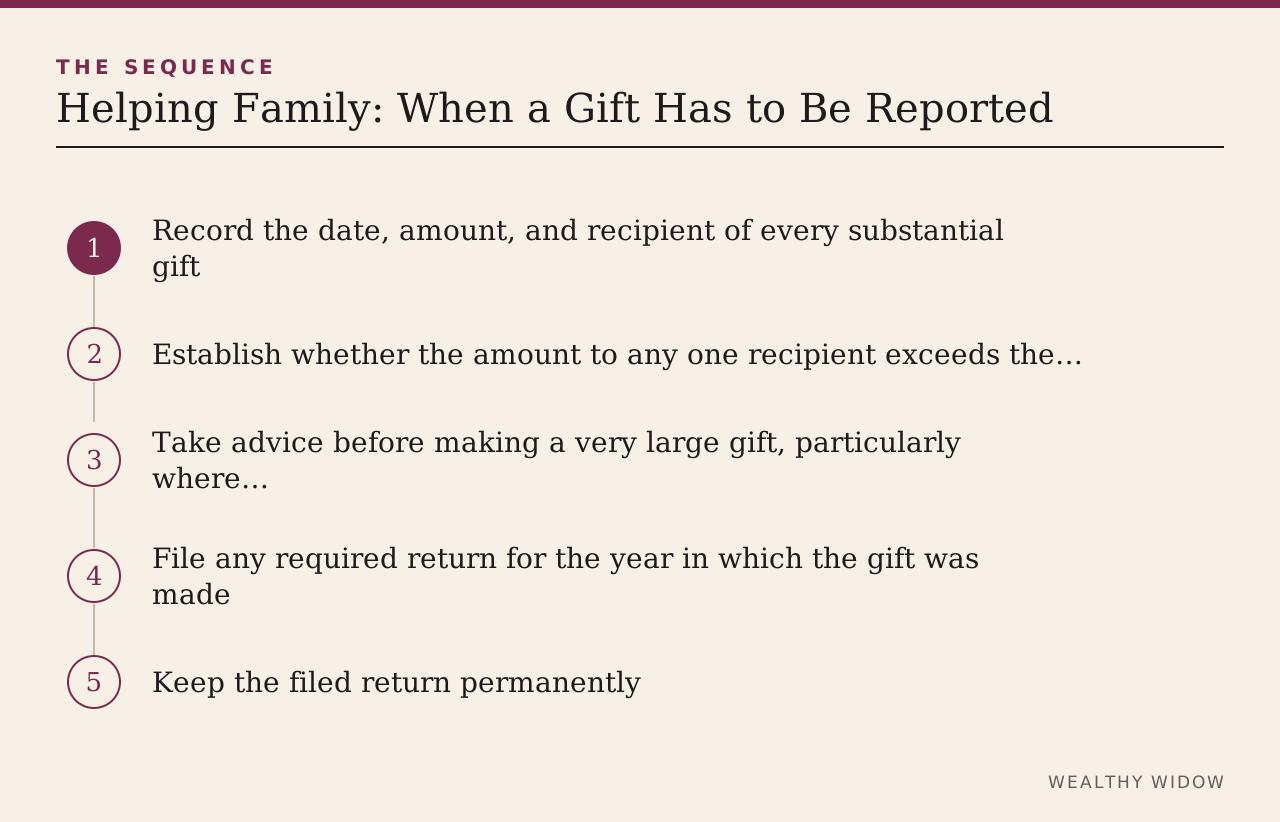
- Record the date, amount, and recipient of every substantial gift.
- Establish whether the amount to any one recipient exceeds the annual reporting level.
- Take advice before making a very large gift, particularly where care costs may arise later.
- File any required return for the year in which the gift was made.
- Keep the filed return permanently, since it forms part of a future calculation.
The pressure points to watch
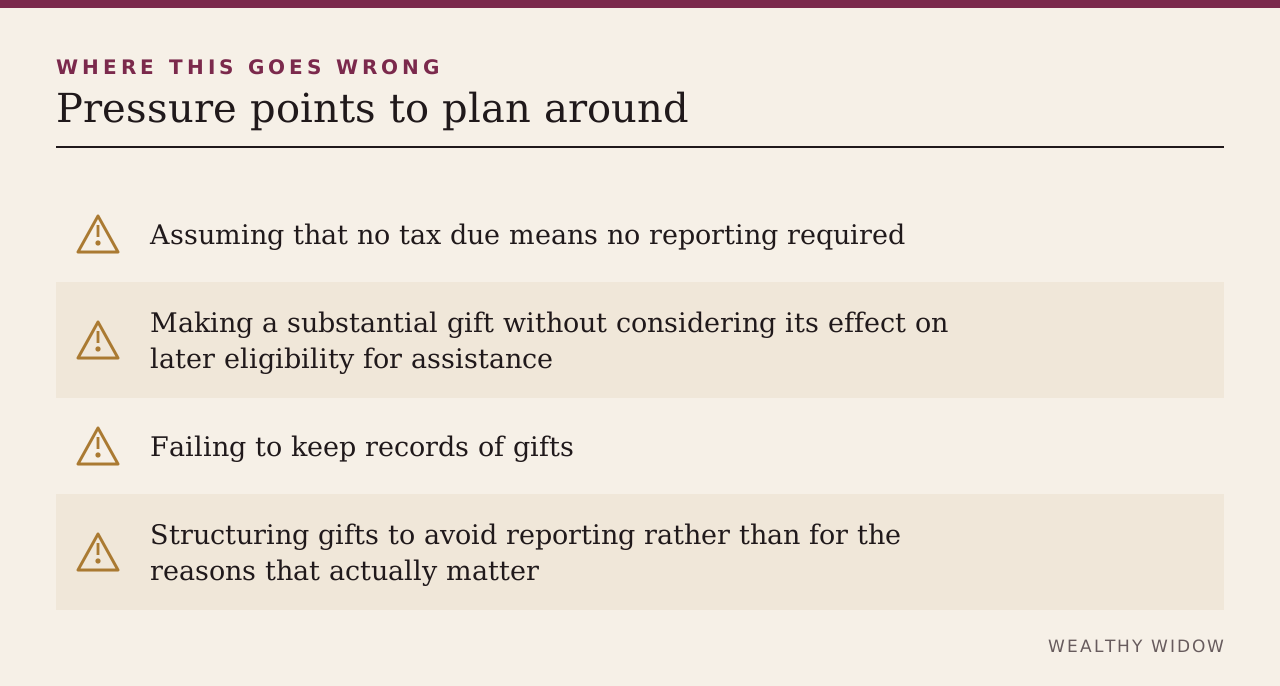
The problems below recur often enough to be planned for. Assuming that no tax due means no reporting required.
Making a substantial gift without considering its effect on later eligibility for assistance. Failing to keep records of gifts, so a future estate calculation cannot be completed. Structuring gifts to avoid reporting rather than for the reasons that actually matter.
What every organisation will ask for
Each item below will be requested more than once. Collect them in one place and log where each copy goes.
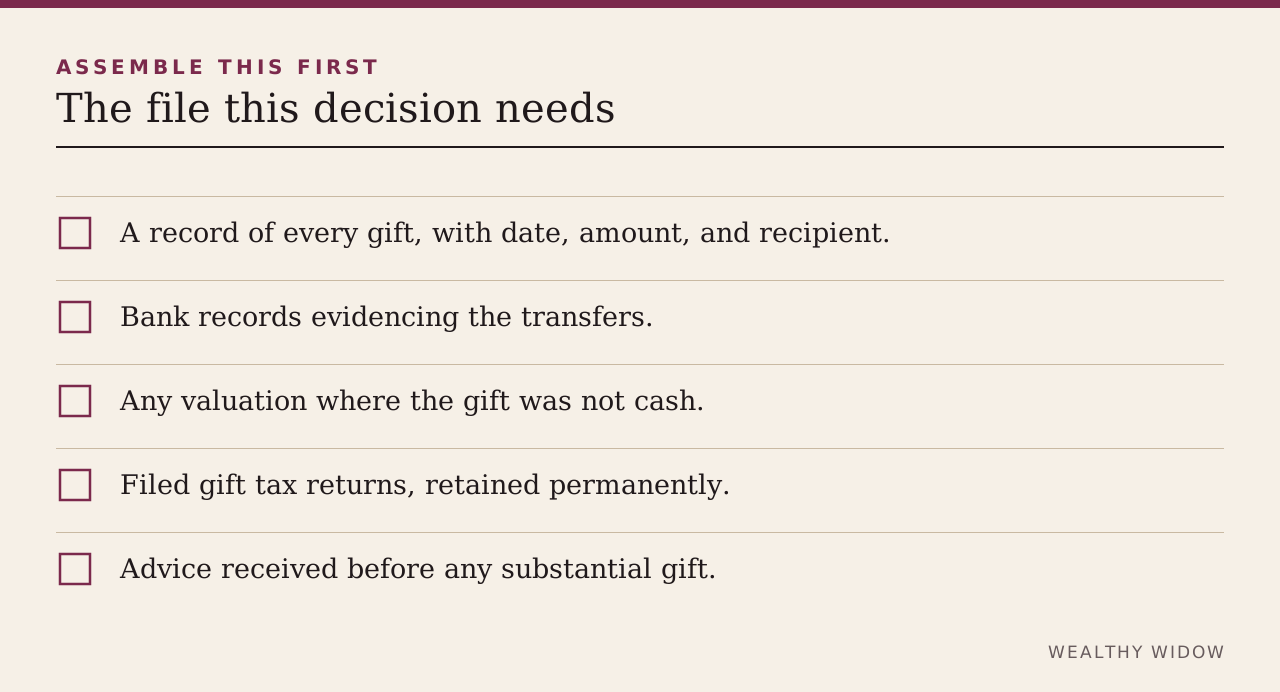
- A record of every gift, with date, amount, and recipient.
- Bank records evidencing the transfers.
- Any valuation where the gift was not cash.
- Filed gift tax returns, retained permanently.
- Advice received before any substantial gift.
Do not proceed on a verbal answer
Ask for each of these in a form you can save, date, and produce again months later if it is questioned.
- Whether a reporting obligation arises for any gift made.
- The deadline for any required filing.
- The effect of gifts on any future estate calculation.
- The effect on later eligibility for means-tested assistance.
Put these questions directly
A competent professional will welcome these questions. Hesitation is itself information.
- Does this gift require a return, and when is it due?
- How does this affect my lifetime position and my estate later?
- Could this affect eligibility for care assistance in future?
- Are direct payments for education or medical costs treated differently?
The primary sources for this guide
This guide summarises. The sources below govern, and they are updated when the rules are.
- Internal Revenue Service — Forms and publications, estate and gift tax
- Internal Revenue Service — Filing estate and gift tax returns
- Internal Revenue Service — Topic no. 506, charitable contributions
- Internal Revenue Service — Charitable contribution deductions
What this leaves open
A guide can set out the structure of a decision. It cannot read your documents, and your documents govern. It cannot state annual amounts or lifetime allowances, which change and must be taken from current guidance.
The part worth remembering
Record every gift and take advice before the large ones. The reporting itself is rarely painful; the absence of records is what complicates a calculation years later.
A companion guide, The State Answer Is Not the Federal Answer, covers the decision that sits alongside this one.
Primary sources
- Internal Revenue Service — Forms and publications, estate and gift tax
- Internal Revenue Service — Filing estate and gift tax returns
- Internal Revenue Service — Topic no. 506, charitable contributions
- Internal Revenue Service — Charitable contribution deductions
This article provides general education, not individualized legal, tax, investment, insurance, or benefits advice. Rules and deadlines change; verify the current requirement with the agency and a qualified professional.