Taxes
Accounts Held Abroad: Reporting Obligations That Continue
Foreign accounts and assets carry reporting obligations separate from tax, and inheriting them can transfer those obligations to you.

You may be told this is simply a form to sign. It is a decision with consequences. Foreign accounts and assets carry reporting obligations separate from tax, and inheriting them can transfer those obligations to you.
Households with overseas connections frequently hold foreign accounts that one spouse managed. The reporting obligations are separate from income tax and are easy to inherit unknowingly.
Reporting an account and paying tax on it are separate obligations, and the reporting one carries its own consequences.
The shape of this decision
Start from the reliable ground, before anyone asks you to act on anything less certain than it. Reporting obligations for foreign financial accounts exist independently of whether tax is due. Thresholds and forms differ between the various reporting regimes. Inheriting or gaining signature authority over a foreign account can create an obligation for you.
Foreign estates and foreign property may involve a separate process in that country. Penalties for non-reporting can be substantial, and voluntary correction routes exist.
Order of play
Work through it deliberately rather than all at once, and stop at any point where an answer is missing.
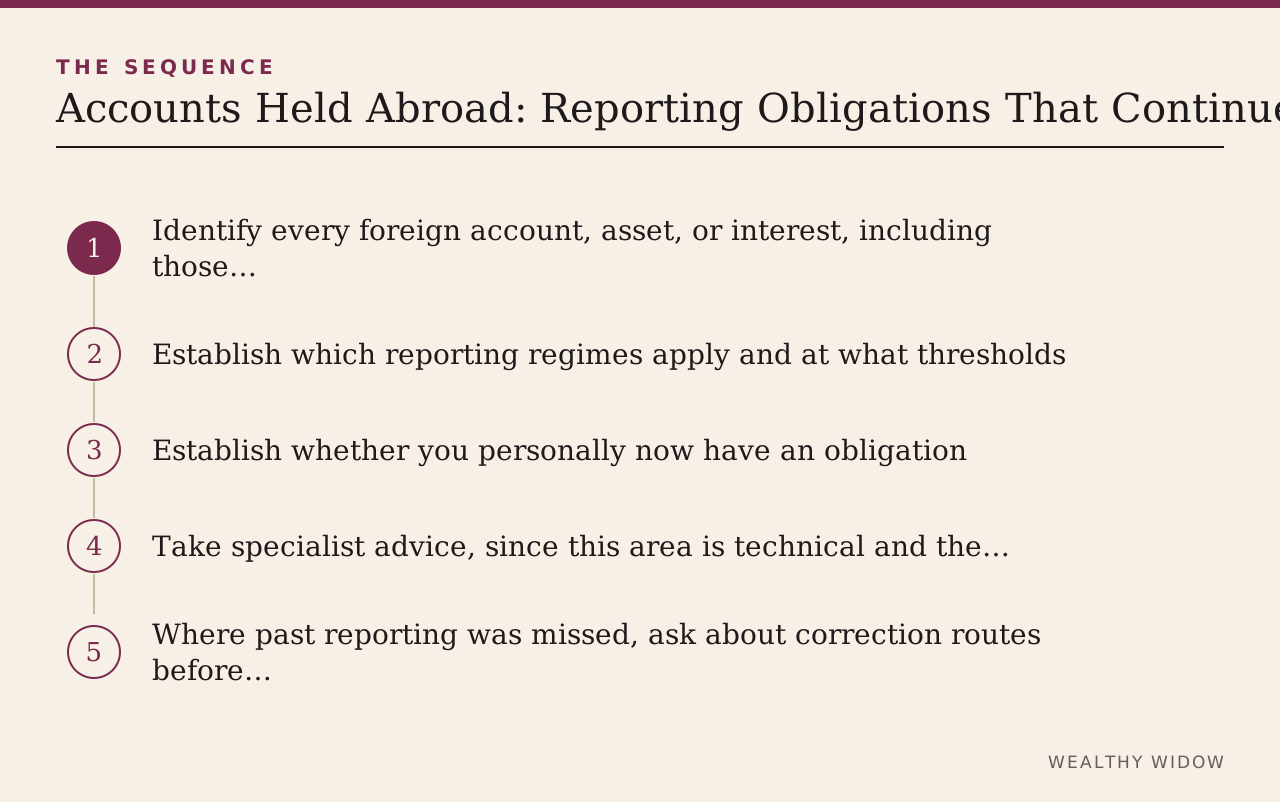
- Identify every foreign account, asset, or interest, including those you have only just learned of.
- Establish which reporting regimes apply and at what thresholds.
- Establish whether you personally now have an obligation.
- Take specialist advice, since this area is technical and the penalties are significant.
- Where past reporting was missed, ask about correction routes before anything else.
The errors worth naming in advance
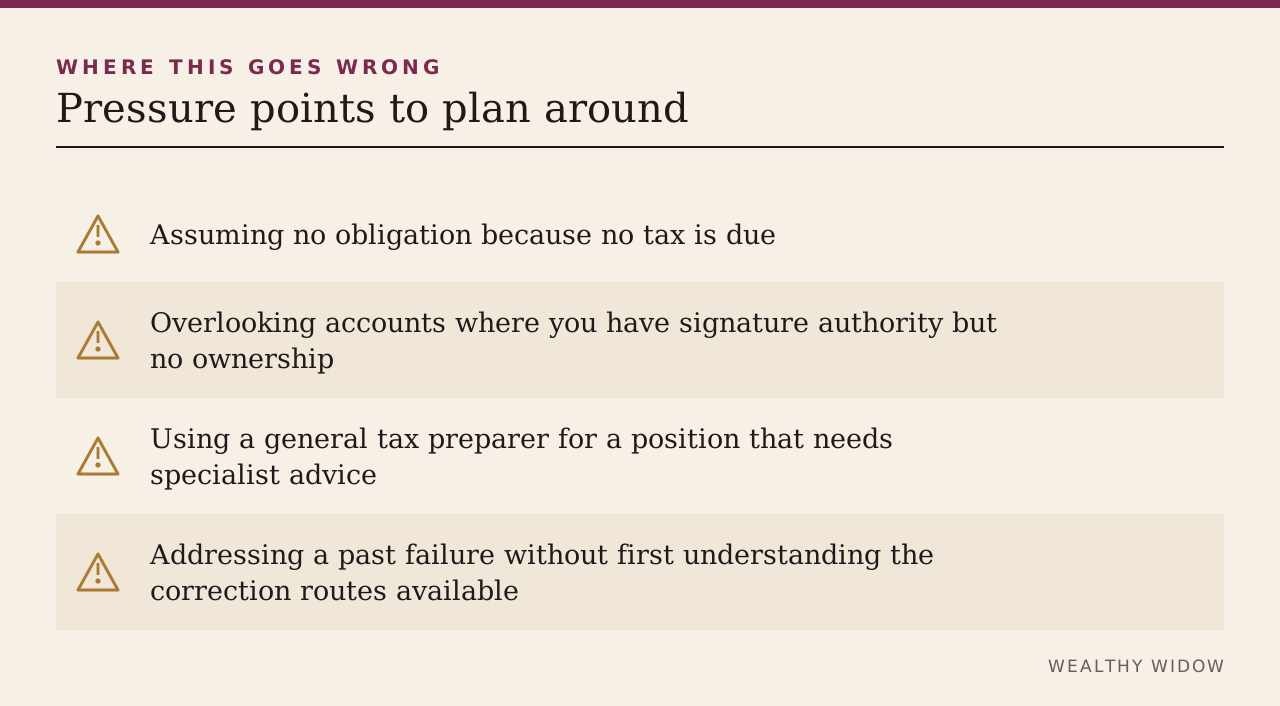
Each of these is a signal to stop and confirm rather than proceed. Assuming no obligation because no tax is due, which is the central misunderstanding here.
Overlooking accounts where you have signature authority but no ownership. Using a general tax preparer for a position that needs specialist advice. Addressing a past failure without first understanding the correction routes available.
The evidence to gather
You will be asked for these in some combination by almost everyone involved.
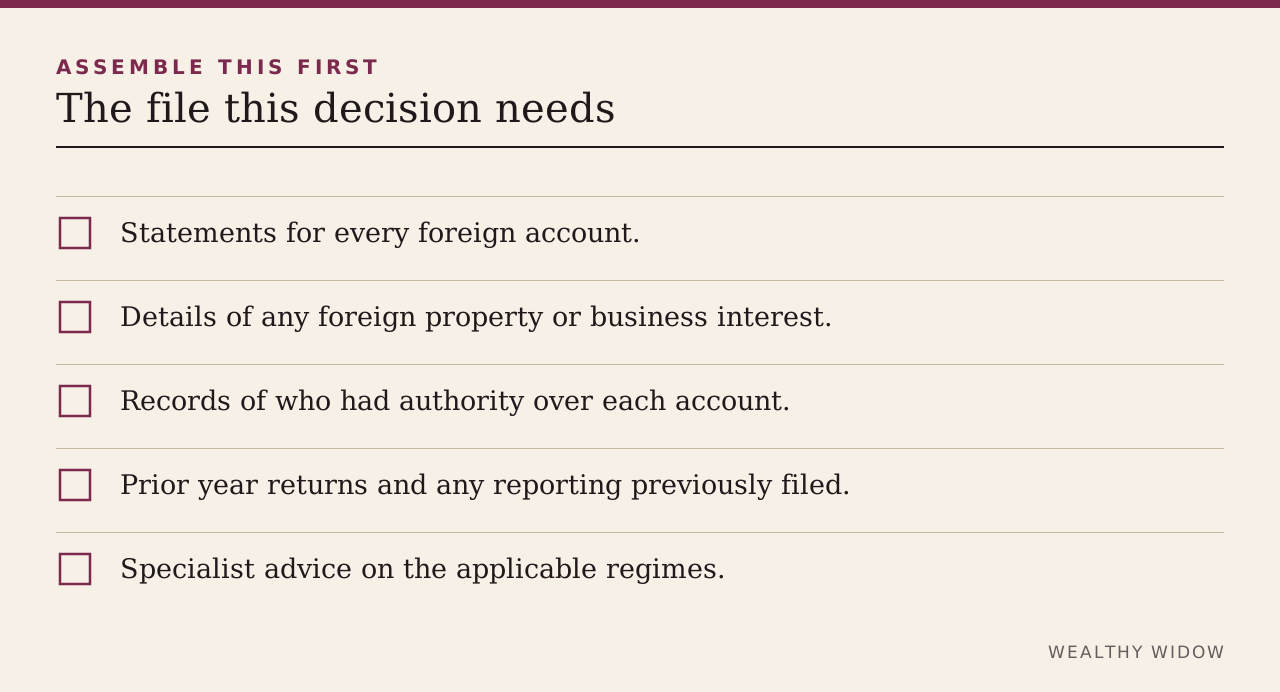
- Statements for every foreign account.
- Details of any foreign property or business interest.
- Records of who had authority over each account.
- Prior year returns and any reporting previously filed.
- Specialist advice on the applicable regimes.
Ask for this in writing
Each item below should exist somewhere other than your memory, because memory is not evidence in a dispute.
- Which reporting regimes apply to your position.
- The thresholds and deadlines for each.
- Whether you personally now have an obligation.
- What correction routes exist for any past failure.
The questions to bring to the meeting
Take these to the attorney, tax professional, or planner handling this work.
- Which reporting obligations apply to me now?
- Does signature authority alone create an obligation?
- What correction routes exist for past under-reporting?
- What separate process applies in the country where these assets sit?
Read the agency, not this summary
Treat these as the authority and this guide as an index to them.
- Internal Revenue Service — Information for executors
- Internal Revenue Service — About Publication 559, survivors, executors, and administrators
- U.S. Department of State — Estates of deceased U.S. citizens abroad
- Taxpayer Advocate Service — An independent organization within the IRS
What only your documents can answer
This is where a guide stops being useful and your own paperwork takes over. It cannot advise on foreign reporting, which is technical, penalty-heavy, and needs a specialist rather than a general preparer.
The last word on this
Identify everything, take specialist advice, and ask about correction routes before doing anything else. This is the one area in the publication where the penalties for getting it wrong are disproportionate to the amounts involved.
A companion guide, The Estate Needs Its Own Number Before It Can Do Anything, covers the decision that sits alongside this one.
Primary sources
- Internal Revenue Service — Information for executors
- Internal Revenue Service — About Publication 559, survivors, executors, and administrators
- U.S. Department of State — Estates of deceased U.S. citizens abroad
- Taxpayer Advocate Service — An independent organization within the IRS
This article provides general education, not individualized legal, tax, investment, insurance, or benefits advice. Rules and deadlines change; verify the current requirement with the agency and a qualified professional.