Life After Loss
What a Faith Community Can and Cannot Do
A faith community may offer ritual, companionship, meals, transport, or groups; confirm what exists and where professional care begins.

Faith or spiritual community can be one source of support after a death, but its role and capacity vary widely. The useful first step is to ask what this particular community offers—and to distinguish companionship, ritual, meals, or transport from licensed mental-health care.
SAMHSA lists religious or faith beliefs and rituals, support from known community members, grief groups, peer support, counseling, and professional care among the different supports people may use. No one source is right for everyone.
A community can respond more clearly when the request names the task, timing, and limits.
What you are really being asked
A community may offer pastoral care, ritual, meals, transport, or a bereavement group; it may offer none of them. Ask about eligibility, confidentiality, safeguarding, cost, and whether a group is open beyond the congregation. Pastoral care and peer support are not substitutes for licensed clinical care when professional assessment or treatment is needed.
Early support may not continue automatically. If you want contact after the funeral period, ask who can remain in touch and how often; treat the answer as a local arrangement, not a promise implied by membership.
The sequence that keeps options open
The order below keeps your options open for as long as possible.
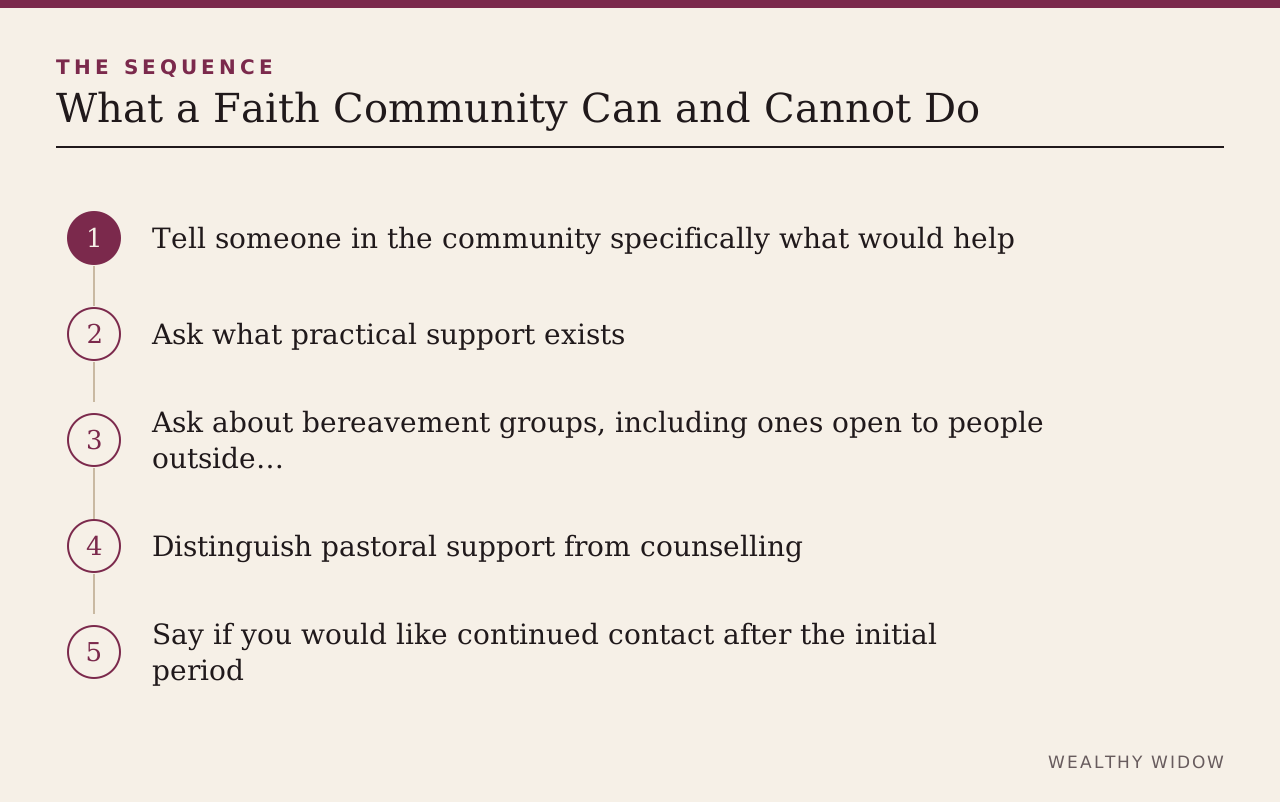
- Tell someone in the community specifically what would help, rather than declining generally.
- Ask what practical support exists, even if it is not listed publicly.
- Ask about bereavement groups, including ones open to people outside the community.
- Distinguish pastoral support from counselling, and use both if appropriate.
- Say if you would like continued contact after the initial period.
The failure modes to plan around
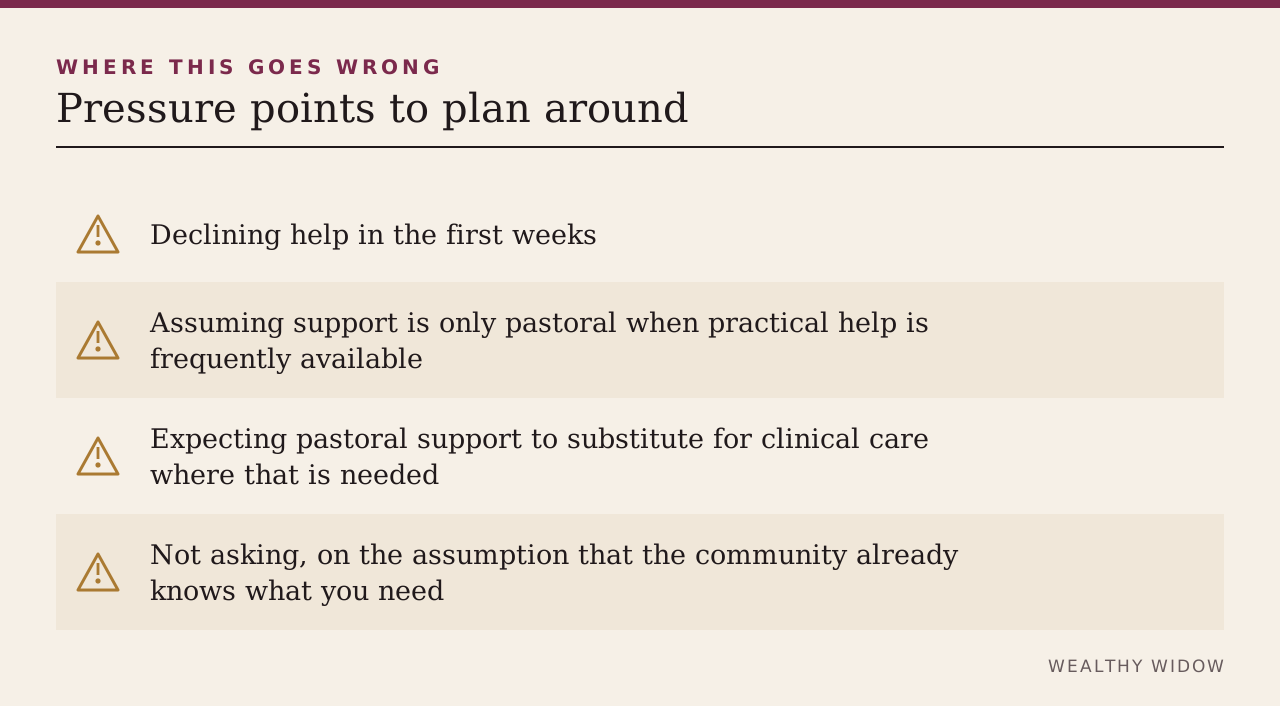
Treat each of the following as a reason to slow down. Declining help in the first weeks, after which offers reduce.
Assuming pastoral care is the only option without asking what else exists. Expecting pastoral support to substitute for clinical care where that is needed. Not asking, on the assumption that the community already knows what you need.
The file this decision needs
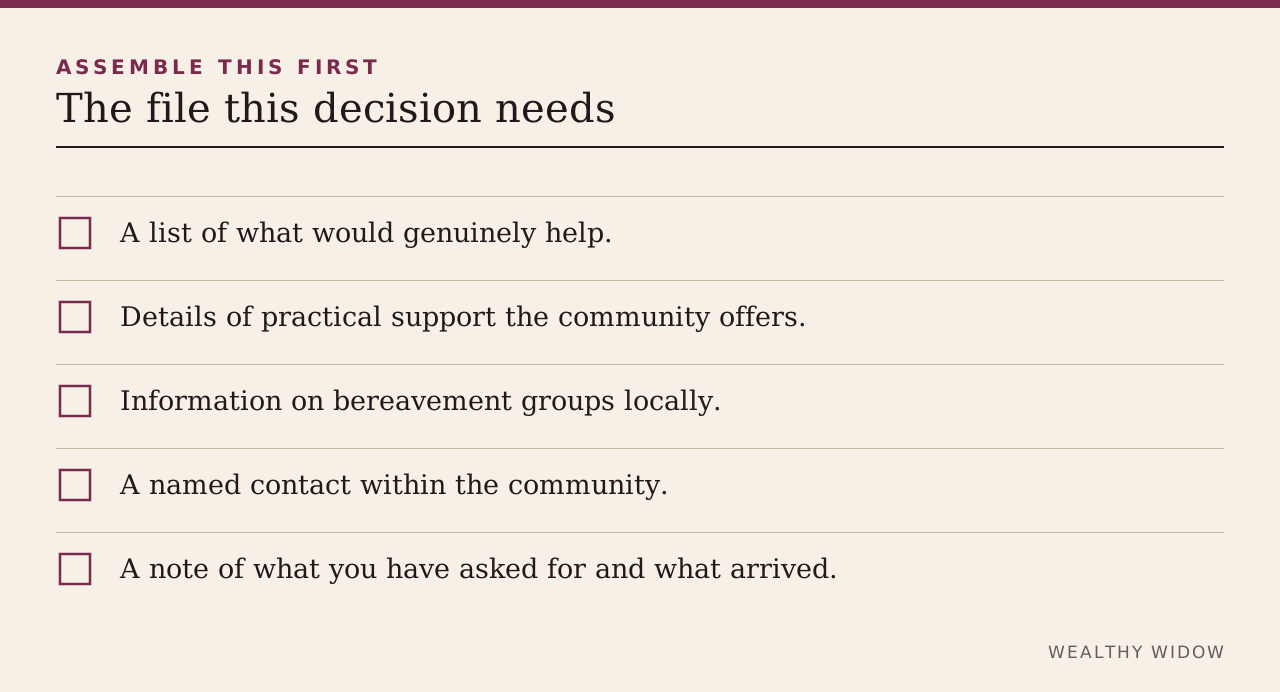
Keep these together in one place, and note where every copy goes and on what date it was sent.
- A list of what would genuinely help.
- Details of practical support the community offers.
- Information on bereavement groups locally.
- A named contact within the community.
- A note of what you have asked for and what arrived.
The written trail to keep
Written confirmation is ordinary practice, not suspicion.
- What practical support is actually available.
- Whether bereavement groups are open to you.
- Who to contact for what.
- That you have asked for continued contact if you want it.
Questions to take to a professional
If an answer to any of these is vague, that is your answer about the adviser.
- What practical support does the community offer?
- Is there a bereavement group, and who can attend?
- Would someone be able to help with this specific thing?
- Could someone keep in touch beyond the first few weeks?
Support resources to verify
These sources describe grief and ways to locate support. The actual services and boundaries must be confirmed with the community or provider.
- Substance Abuse and Mental Health Services Administration — Coping with bereavement and grief
- National Institute on Aging — Coping with grief and loss
- Administration for Community Living — Eldercare Locator
What is outside this
What follows is outside anything written for a general readership. It cannot describe any particular community, and what is available varies enormously between them.
The short version
Ask specifically, confirm what is actually available, and say if you want continued contact. If the need is clinical, legal, financial, or safety-related, use a qualified professional rather than asking a community role to stretch beyond its remit.
Read When People Say Something Unhelpful next; the two decisions interact.
Primary sources
- Substance Abuse and Mental Health Services Administration — Coping with bereavement and grief
- National Institute on Aging — Coping with grief and loss
- Administration for Community Living — Eldercare Locator
This article provides general education, not individualized legal, tax, investment, insurance, or benefits advice. Rules and deadlines change; verify the current requirement with the agency and a qualified professional.