Estate
Being Paid for Estate Work, and Being Reimbursed for It
A personal representative may be entitled to compensation and to reimbursement of expenses, and both depend entirely on the records kept.

Institutions will describe this as routine. For you it is not routine, and the stakes are not symmetrical. A personal representative may be entitled to compensation and to reimbursement of expenses, and both depend entirely on the records kept.
Many family representatives assume they should not be paid, and separately fail to claim genuine out-of-pocket costs. Both are choices, and both should be made deliberately rather than by default.
You cannot be reimbursed for what you cannot evidence, and estate work generates more small expenses than anyone anticipates.
The question underneath the paperwork
Take the ground facts first, because most of the difficulty here dissolves once they are stated plainly. State law and the will together determine what compensation a representative may claim. Properly incurred expenses are generally reimbursable from the estate. Compensation received is typically taxable income, whereas reimbursement of expenses generally is not.
A representative who is also a beneficiary may find compensation and inheritance taxed differently. Claims for compensation are more likely to be questioned where records are thin.
Sequence the work deliberately
Take these in order. Reversing them tends to create work rather than save it.
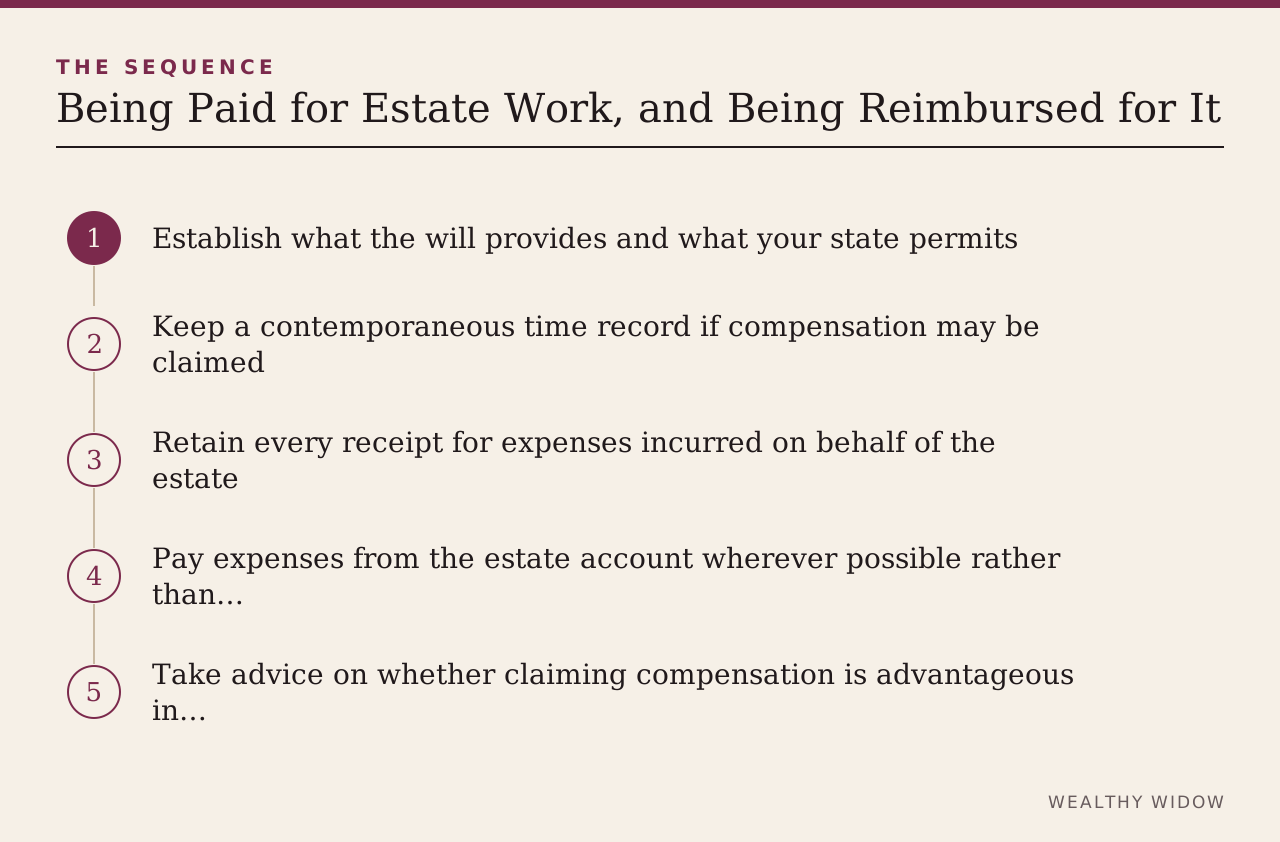
- Establish what the will provides and what your state permits.
- Keep a contemporaneous time record if compensation may be claimed.
- Retain every receipt for expenses incurred on behalf of the estate.
- Pay expenses from the estate account wherever possible rather than personally.
- Take advice on whether claiming compensation is advantageous in your position.
What to refuse, and why
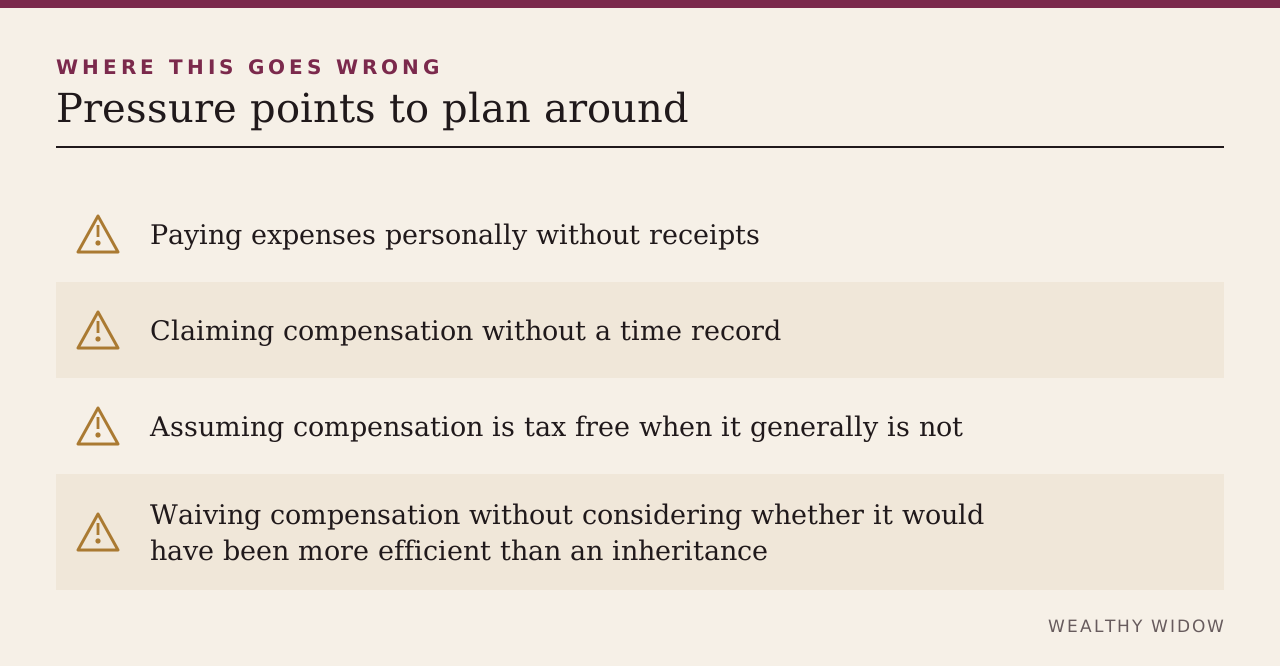
The failure modes below are predictable rather than unlucky, which is precisely what makes them avoidable. Paying expenses personally without receipts, and then being unable to recover them.
Claiming compensation without a time record, which invites challenge. Assuming compensation is tax free when it generally is not. Waiving compensation without considering whether it would have been more efficient than an inheritance.
Gather these before the first call
Every organisation involved will want some combination of the following, and several will want it more than once.
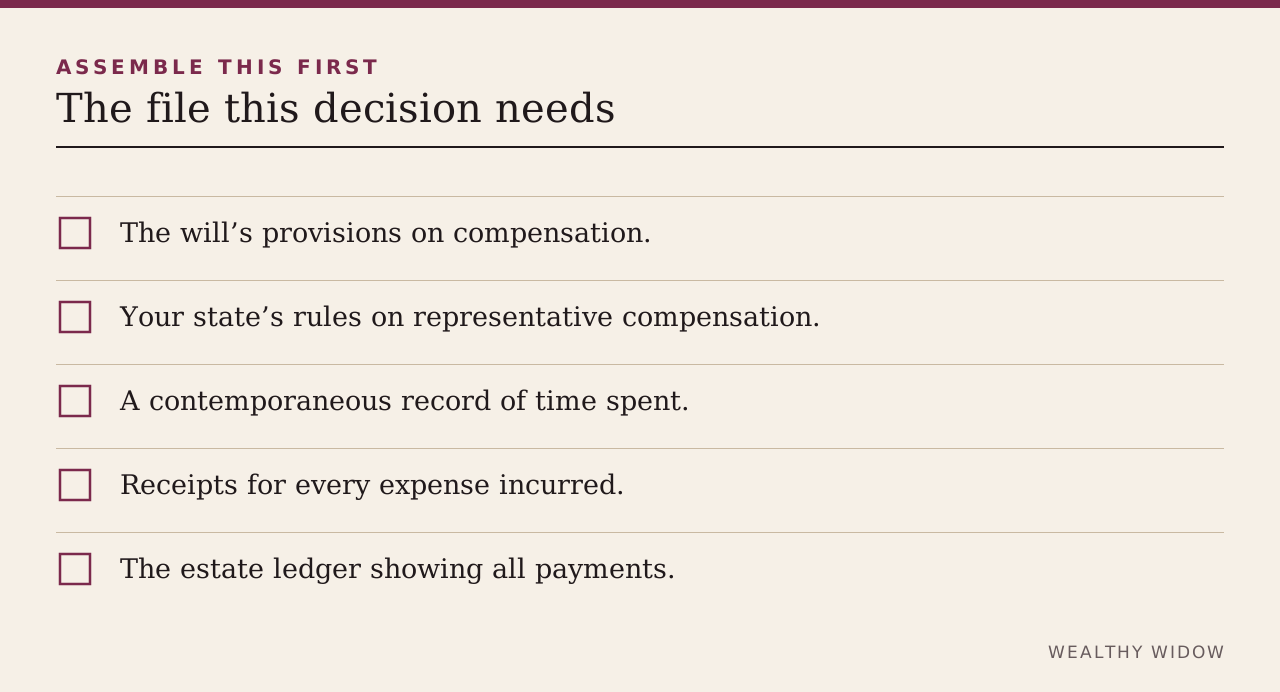
- The will’s provisions on compensation.
- Your state’s rules on representative compensation.
- A contemporaneous record of time spent.
- Receipts for every expense incurred.
- The estate ledger showing all payments.
Written confirmation to insist on
Before you act on what you have been told, hold written confirmation of each point.
- What compensation the will and state law permit.
- Which expenses are properly reimbursable.
- The tax treatment of compensation in your case.
- What documentation beneficiaries may require to approve it.
Take these questions to your adviser
Ask these before an engagement letter is signed, while you still have every option open to you.
- What compensation may I claim under this will and in this state?
- Is compensation or inheritance more efficient in my position?
- Which of my expenses are properly reimbursable?
- What records will be needed to support the claim?
Read the rule yourself
The sources below govern. This guide only summarises them.
- Internal Revenue Service — Information for executors
- Internal Revenue Service — About Publication 559, survivors, executors, and administrators
- Legal Services Corporation — I need legal help
- Internal Revenue Service — File an estate tax income tax return
The limits of this guide
This is where general guidance ends and your own paperwork takes over. It cannot tell you what to claim. Compensation rules are set by state law and by the will, and the tax comparison depends on your own position.
What to hold on to
Keep the records from day one, whether or not you decide to claim. The decision can be made at the end; the evidence to support it cannot be created then.
Read Closing the Estate: The Step That Ends Your Liability next; the two decisions interact.
Primary sources
- Internal Revenue Service — Information for executors
- Internal Revenue Service — About Publication 559, survivors, executors, and administrators
- Legal Services Corporation — I need legal help
- Internal Revenue Service — File an estate tax income tax return
This article provides general education, not individualized legal, tax, investment, insurance, or benefits advice. Rules and deadlines change; verify the current requirement with the agency and a qualified professional.