Estate
Choosing Who Will Do This For You
You now know exactly what the role involves. That makes you unusually well qualified to choose who should hold it in your own estate.

This guide covers a decision that is easy to make quickly and expensive to make wrongly. You now know exactly what the role involves. That makes you unusually well qualified to choose who should hold it in your own estate.
Most people choose an executor by family convention. Having just done the work yourself, you can choose on evidence instead, which is a rare advantage in estate planning.
Choose for organisation and impartiality, not for seniority or for the appearance of fairness among children.
The substance beneath the process
Hold on to a small number of accurate points. The role requires organisation, patience, and a willingness to say no, more than financial expertise. A representative can engage professionals, so technical knowledge is not the qualification. Appointing joint executors can slow administration where they must act together.
A professional executor can be appointed, usually at a cost set against the estate. Naming a substitute is essential, because the first choice may be unable to act when the time comes.
The order that protects you
This is the order that avoids closing doors you may still need.
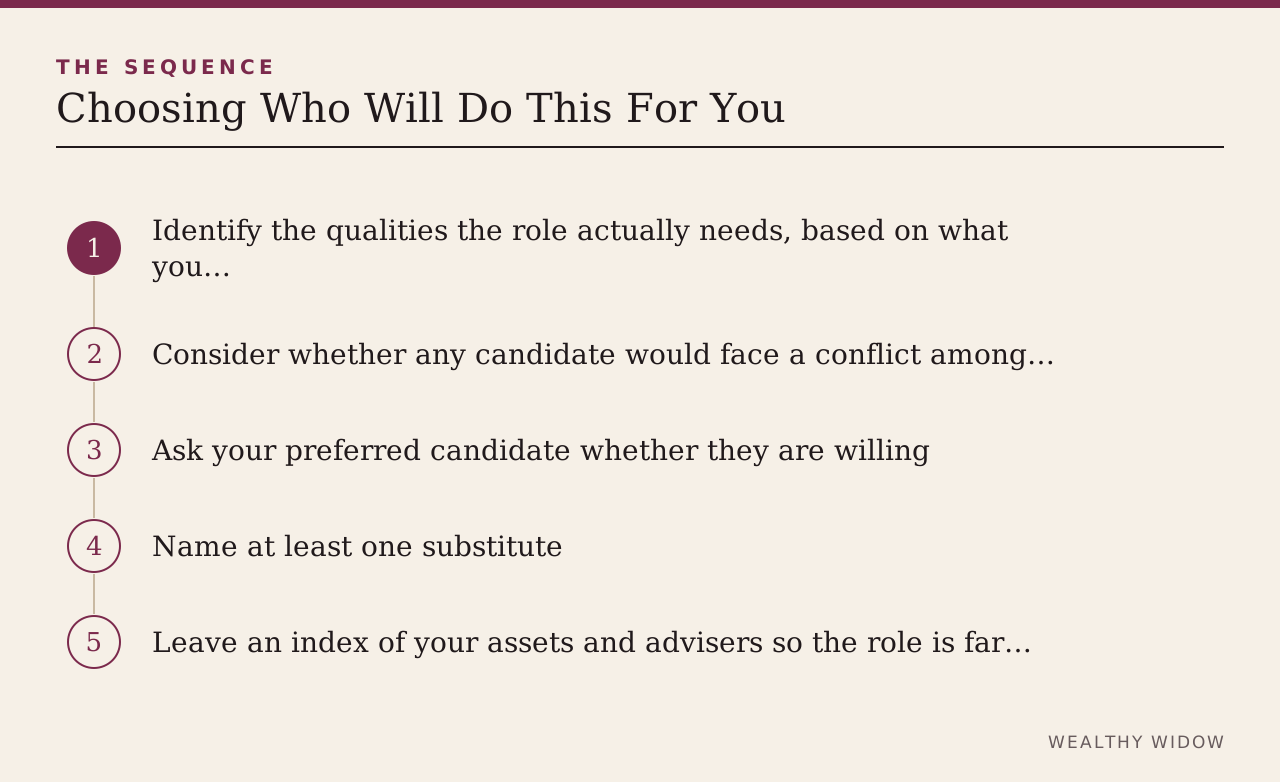
- Identify the qualities the role actually needs, based on what you have seen.
- Consider whether any candidate would face a conflict among beneficiaries.
- Ask your preferred candidate whether they are willing, and tell them what it involves.
- Name at least one substitute.
- Leave an index of your assets and advisers so the role is far easier than yours was.
What tends to go wrong here
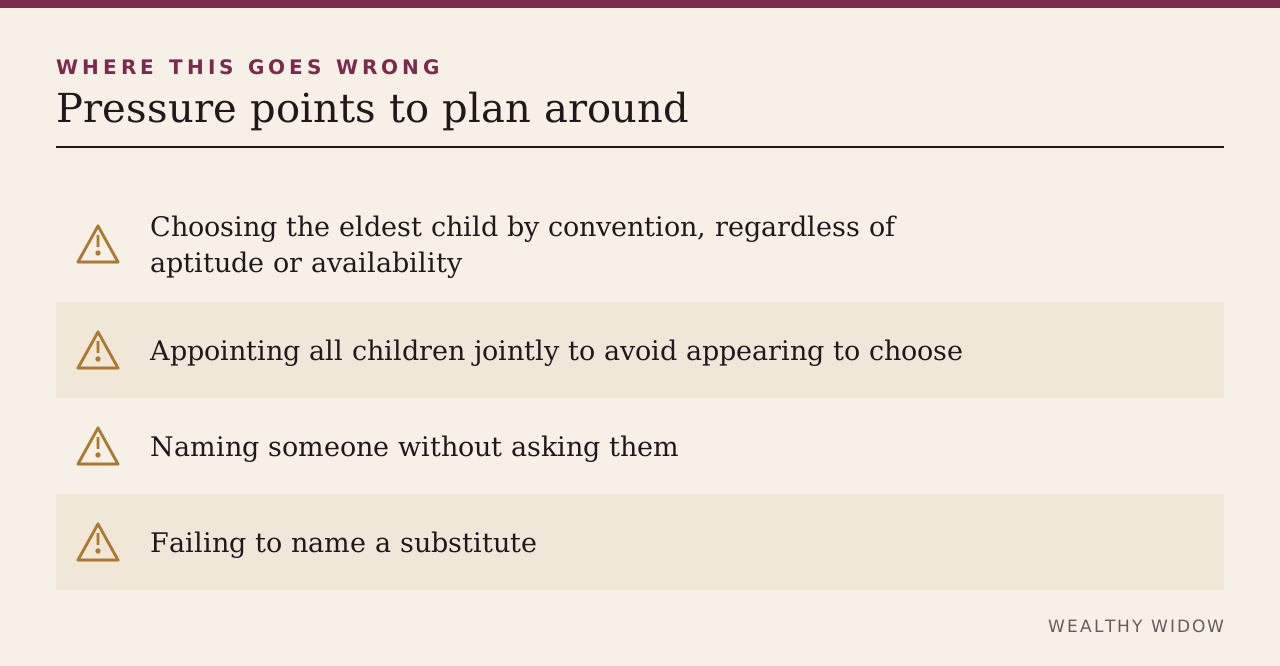
The errors here are well worn, which makes them avoidable. Choosing the eldest child by convention, regardless of aptitude or availability.
Appointing all children jointly to avoid appearing to choose, which frequently paralyses the administration. Naming someone without asking them, so the appointment fails at the first hurdle. Failing to name a substitute, which leaves the choice to a court.
What to have in front of you
Collect these once and keep them together, because you will be asked for them repeatedly over the coming months.
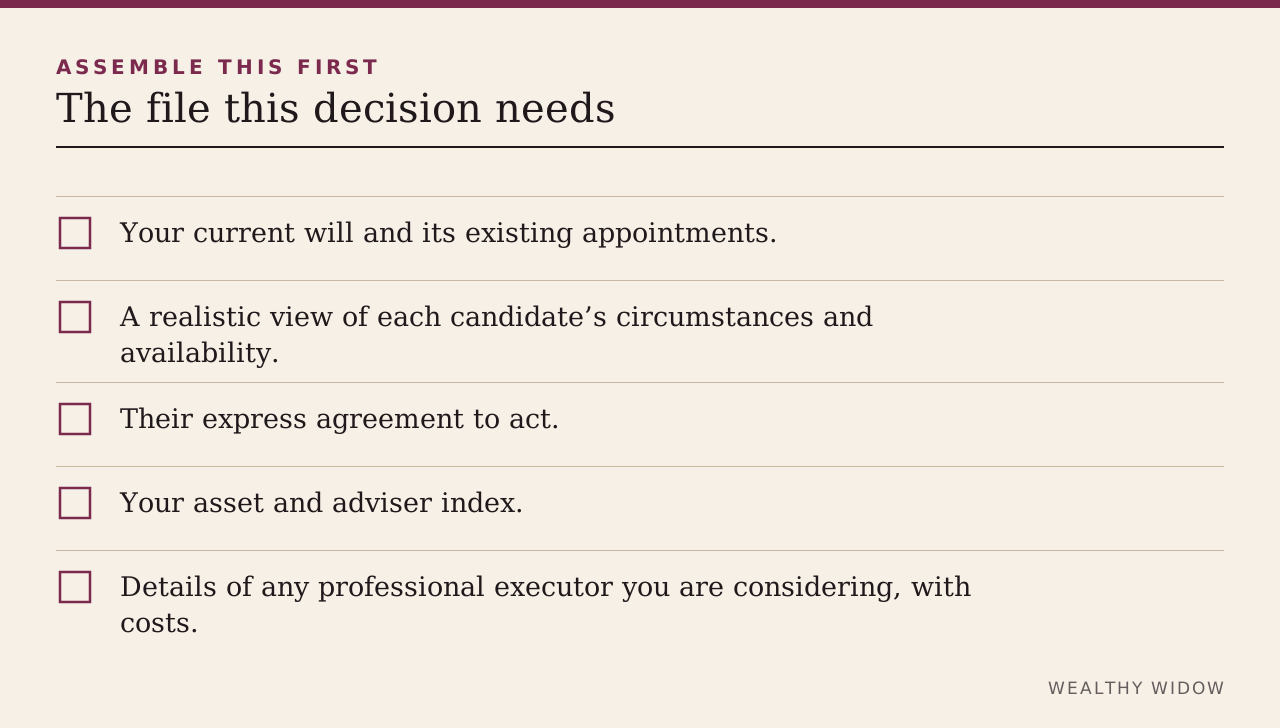
- Your current will and its existing appointments.
- A realistic view of each candidate’s circumstances and availability.
- Their express agreement to act.
- Your asset and adviser index.
- Details of any professional executor you are considering, with costs.
Get these in writing
Put each item below in your file with a date and a named source.
- That your chosen executor and substitute have both agreed.
- Whether joint appointment requires them to act together.
- The cost of any professional appointment.
- That the appointment is properly recorded in a current will.
The questions worth asking
These are the questions whose answers change what you decide, rather than merely confirming what you assumed.
- Would joint executors have to act together in this state?
- What would a professional executor charge for an estate like mine?
- What conflicts should I anticipate among my beneficiaries?
- How do I make this role as straightforward as possible for whoever takes it?
Check it at source
These are the pages that change when the rules change, which is why they and not this guide are the authority.
- Internal Revenue Service — Information for executors
- Legal Services Corporation — I need legal help
- American Bar Association — Find legal help
- National Institute on Aging — Advance care planning and advance directives
What still needs a professional
Be clear about what remains outside anything written for a general readership. It cannot choose for you, and it cannot predict how family relationships will stand years from now, which is why a substitute matters.
The working conclusion
Choose for temperament and availability, ask the person directly, name a substitute, and leave them the index you wish you had been given. That last item will do more for them than the choice itself.
Our related guide Does This Estate Have to File an Estate Tax Return? covers the adjacent problem.
Primary sources
- Internal Revenue Service — Information for executors
- Legal Services Corporation — I need legal help
- American Bar Association — Find legal help
- National Institute on Aging — Advance care planning and advance directives
This article provides general education, not individualized legal, tax, investment, insurance, or benefits advice. Rules and deadlines change; verify the current requirement with the agency and a qualified professional.