Taxes
Choosing Someone to Prepare a Return That Is Not Straightforward
A final return, an estate return, and a changed filing status in the same period is more than most routine preparers handle regularly.

Some decisions after a death are reversible. This one deserves more care than most. A final return, an estate return, and a changed filing status in the same period is more than most routine preparers handle regularly.
The years following a death frequently involve several unfamiliar filings at once. Preparer qualifications and experience vary widely, and the difference matters more here than in an ordinary year.
You are looking for someone who has done a final return and an estate return before, not simply someone who prepares returns.
The substance beneath the process
These are the load-bearing facts. Preparer credentials vary, and different credentials carry different rights to represent you before the tax authority. Free preparation programmes exist for those who qualify, staffed by trained volunteers. A preparer should sign the return and provide their identifying number.
Experience with decedent and estate returns is a distinct qualification from general preparation. Fees based on a percentage of any refund are a recognised warning sign.
The order that protects you
Sequence matters, because some steps close options that later steps need.
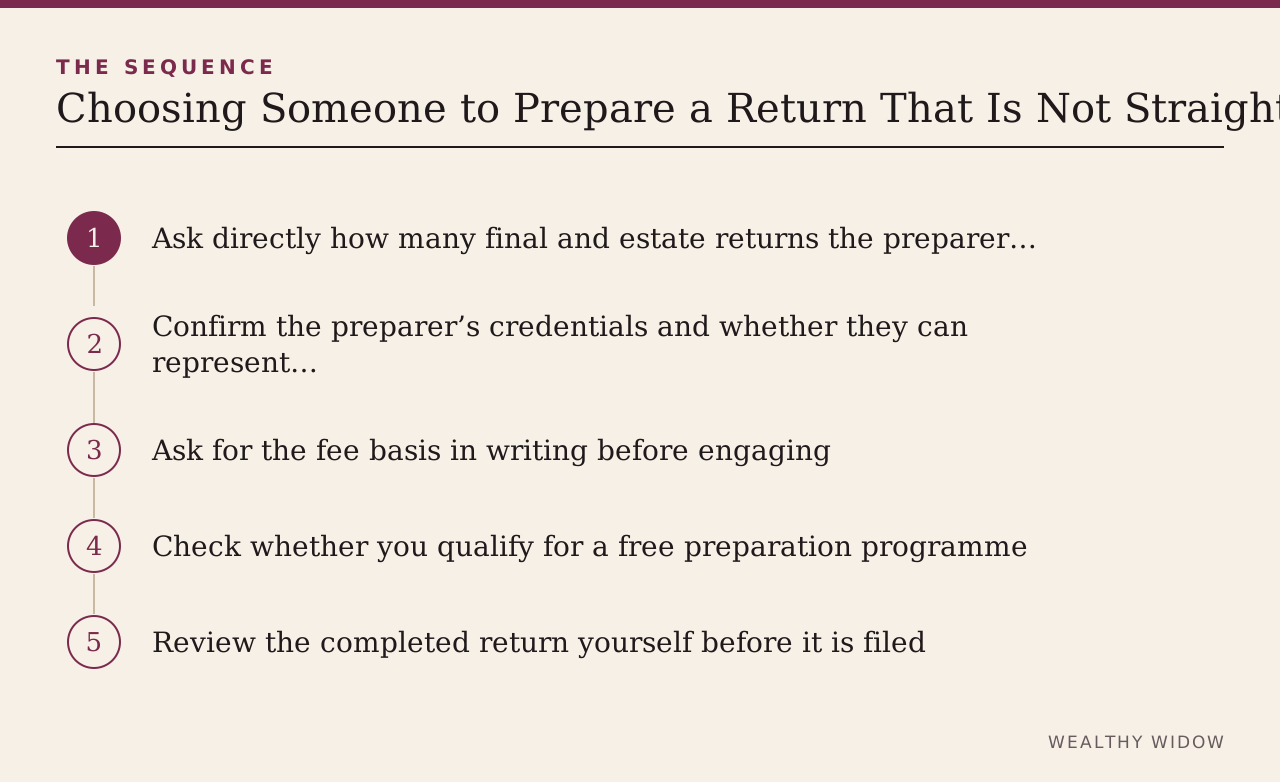
- Ask directly how many final and estate returns the preparer completes each year.
- Confirm the preparer’s credentials and whether they can represent you if a notice arrives.
- Ask for the fee basis in writing before engaging.
- Check whether you qualify for a free preparation programme.
- Review the completed return yourself before it is filed, and keep a copy.
What tends to go wrong here
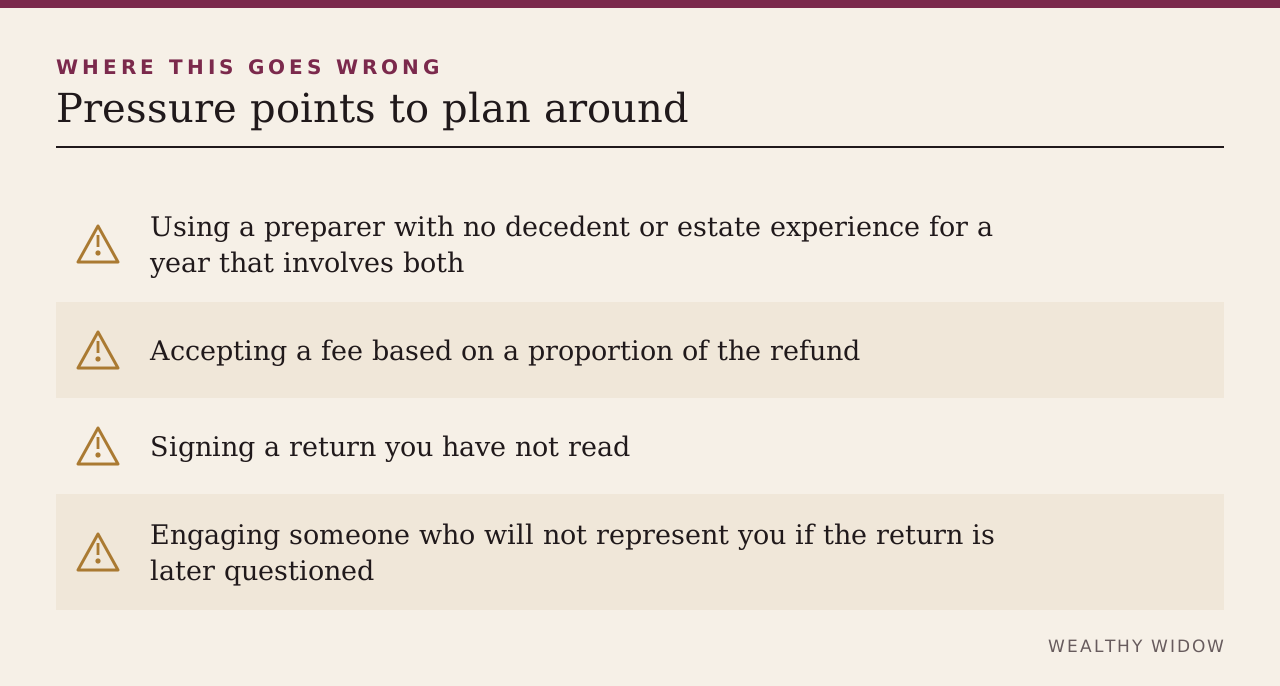
What follows is where readers most reliably lose ground. Using a preparer with no decedent or estate experience for a year that involves both.
Accepting a fee based on a proportion of the refund. Signing a return you have not read, which remains your responsibility. Engaging someone who will not represent you if the return is later questioned.
The paperwork this actually requires
The file below does most of the work of establishing who you are.
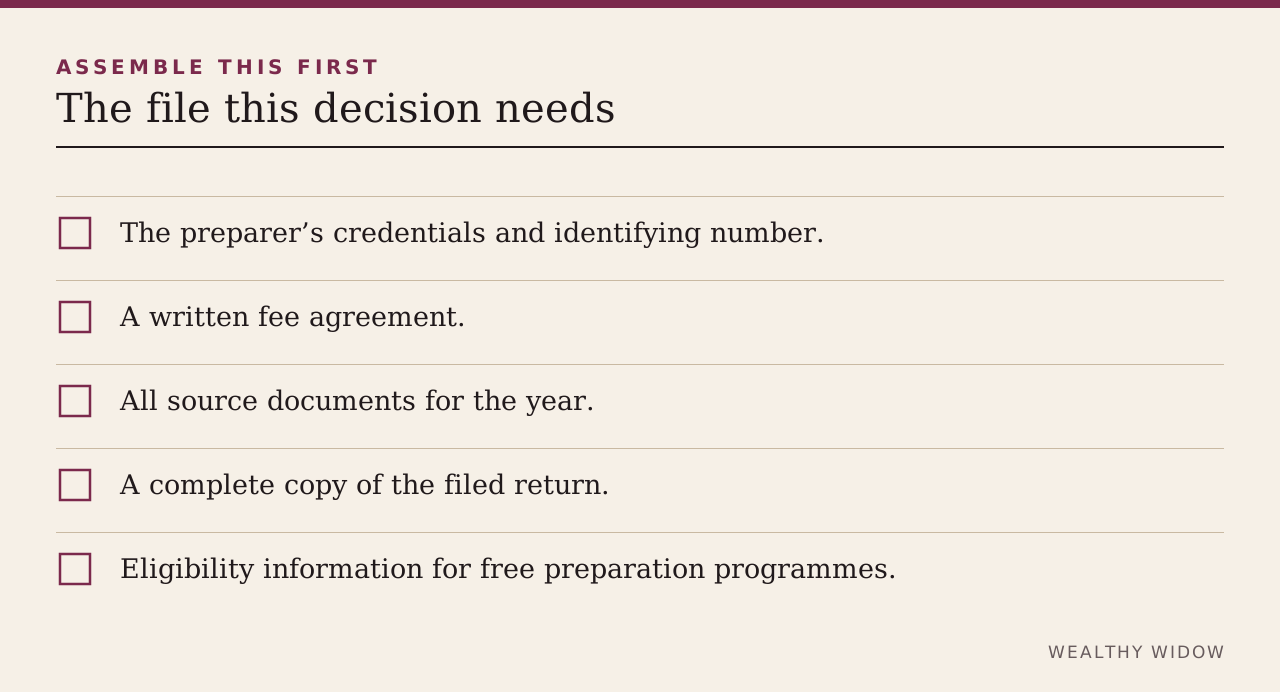
- The preparer’s credentials and identifying number.
- A written fee agreement.
- All source documents for the year.
- A complete copy of the filed return.
- Eligibility information for free preparation programmes.
Put these in writing, then proceed
A conversation is a starting point. These belong on paper.
- The preparer’s credentials and representation rights.
- Their experience with final and estate returns.
- The fee basis, in writing.
- That you hold a complete copy of what was filed.
Before anyone is engaged, ask these
Ask them plainly; the response tells you as much as the answer.
- How many final and estate returns do you prepare each year?
- Can you represent me if this return is questioned?
- What is your fee, and on what basis is it calculated?
- What could go wrong on a return like this, and how do you avoid it?
Where to verify this
Every load-bearing point above traces to one of the following. Where a figure or deadline matters to you, read it there.
- Internal Revenue Service — Topic no. 101, volunteer tax assistance and outreach
- Taxpayer Advocate Service — An independent organization within the IRS
- Internal Revenue Service — File the final income tax returns of a deceased person
- Internal Revenue Service — About Publication 559, survivors, executors, and administrators
What a professional still has to decide
The limits of a guide matter as much as its content, because acting past them is where the cost sits. It cannot recommend a preparer, and credentials alone do not establish experience with this particular combination of filings.
What good looks like here
Ask about decedent and estate returns specifically. General competence is not the same as familiarity with the filings this period requires, and the difference shows up in what gets missed.
Our related guide A Bill You Cannot Pay: The Options That Exist covers the adjacent problem.
Primary sources
- Internal Revenue Service — Topic no. 101, volunteer tax assistance and outreach
- Taxpayer Advocate Service — An independent organization within the IRS
- Internal Revenue Service — File the final income tax returns of a deceased person
- Internal Revenue Service — About Publication 559, survivors, executors, and administrators
This article provides general education, not individualized legal, tax, investment, insurance, or benefits advice. Rules and deadlines change; verify the current requirement with the agency and a qualified professional.