Estate
Appointment: The Difference Between Being Named and Having Authority
Being named executor in a will is a nomination. Authority to act comes from the court, and acting before it can create personal exposure.

The pressure to resolve this quickly usually comes from outside you. Being named executor in a will is a nomination. Authority to act comes from the court, and acting before it can create personal exposure.
The gap between nomination and appointment is where a great many well-intentioned errors occur, because the person named feels responsible and institutions will not yet deal with them.
A will nominates. A court appoints. Institutions respond to the second and are entitled to ignore the first.
Start by naming the decision correctly
These are the load-bearing facts. Courts issue a document evidencing appointment, and institutions generally require it before acting. A personal representative owes duties to the estate and to beneficiaries, enforceable in court. Acting before appointment can create personal liability for the actions taken.
The role can be declined, and declining is a legitimate choice rather than a failure. A representative may be entitled to compensation and to reimbursement of properly incurred expenses.
The order of operations
Sequence matters, because some steps close options that later steps need.
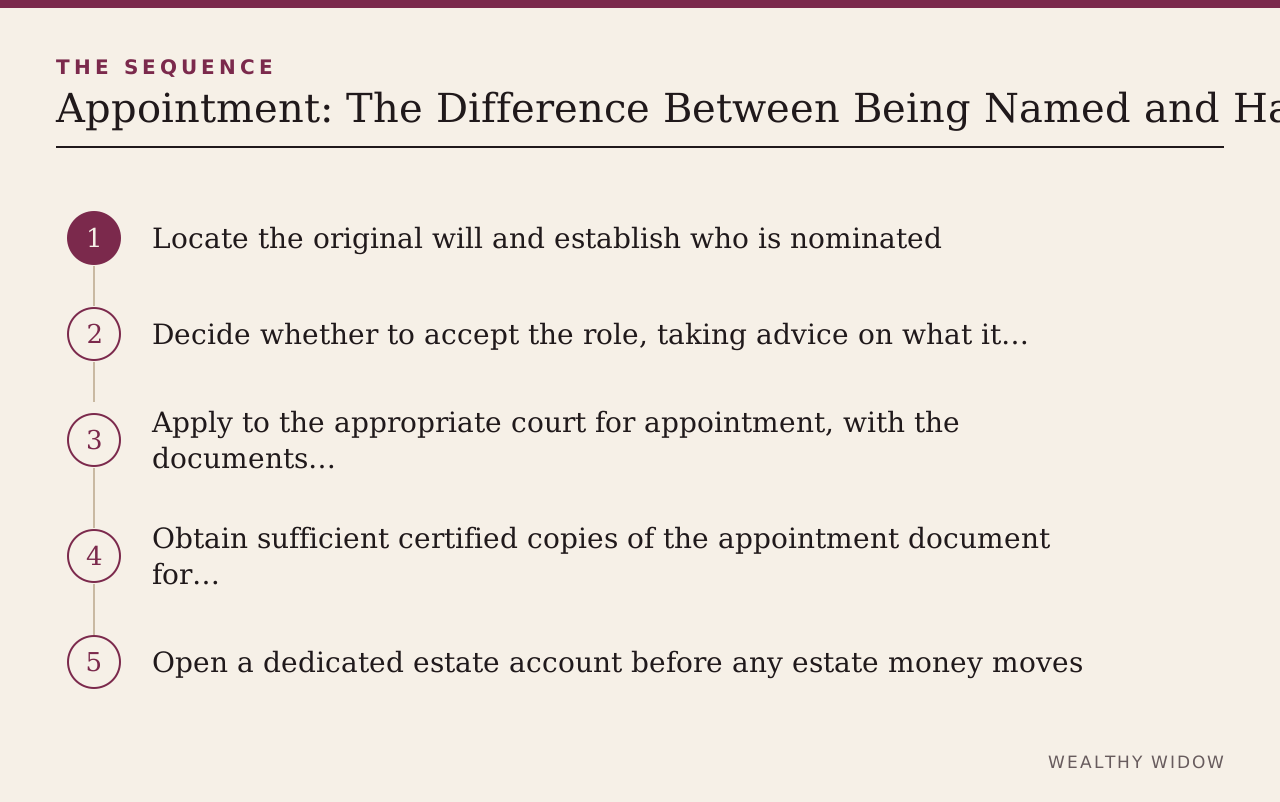
- Locate the original will and establish who is nominated.
- Decide whether to accept the role, taking advice on what it involves before agreeing.
- Apply to the appropriate court for appointment, with the documents it requires.
- Obtain sufficient certified copies of the appointment document for the institutions involved.
- Open a dedicated estate account before any estate money moves.
Where readers most often get hurt
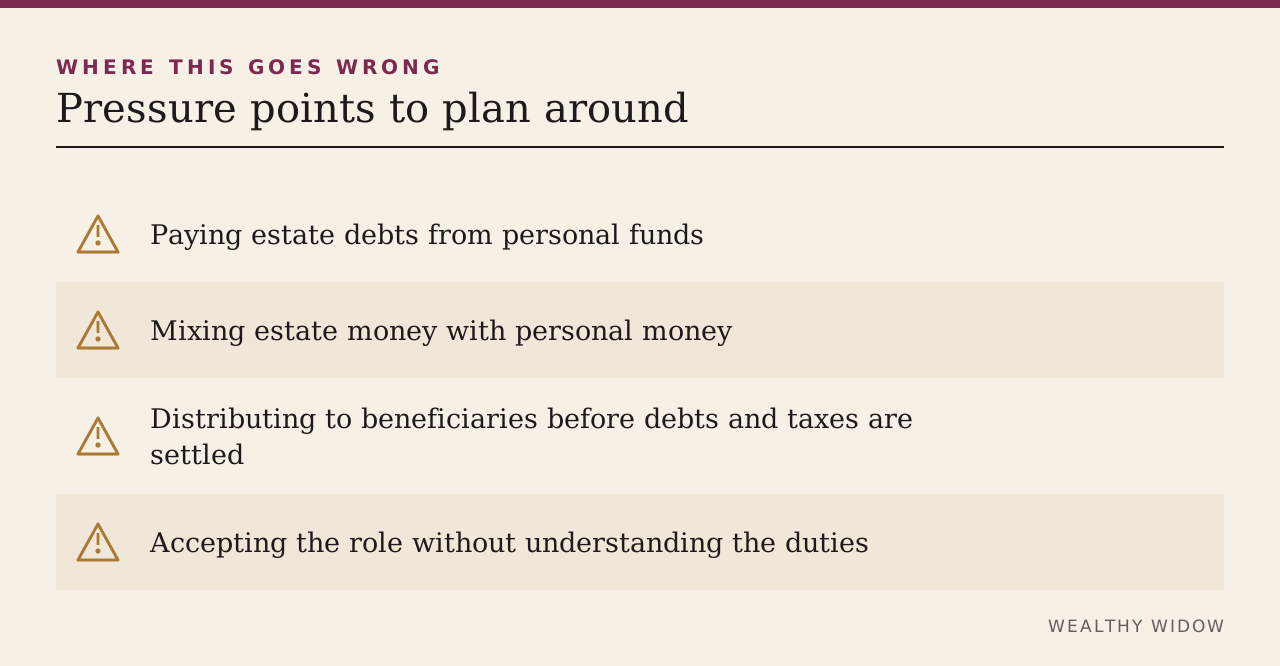
What follows is where readers most reliably lose ground. Paying estate debts from personal funds, which may not be recoverable.
Mixing estate money with personal money, which makes accounting difficult and raises questions. Distributing to beneficiaries before debts and taxes are settled, which can leave you personally exposed. Accepting the role without understanding the duties, which are ongoing and enforceable.
The paperwork this actually requires
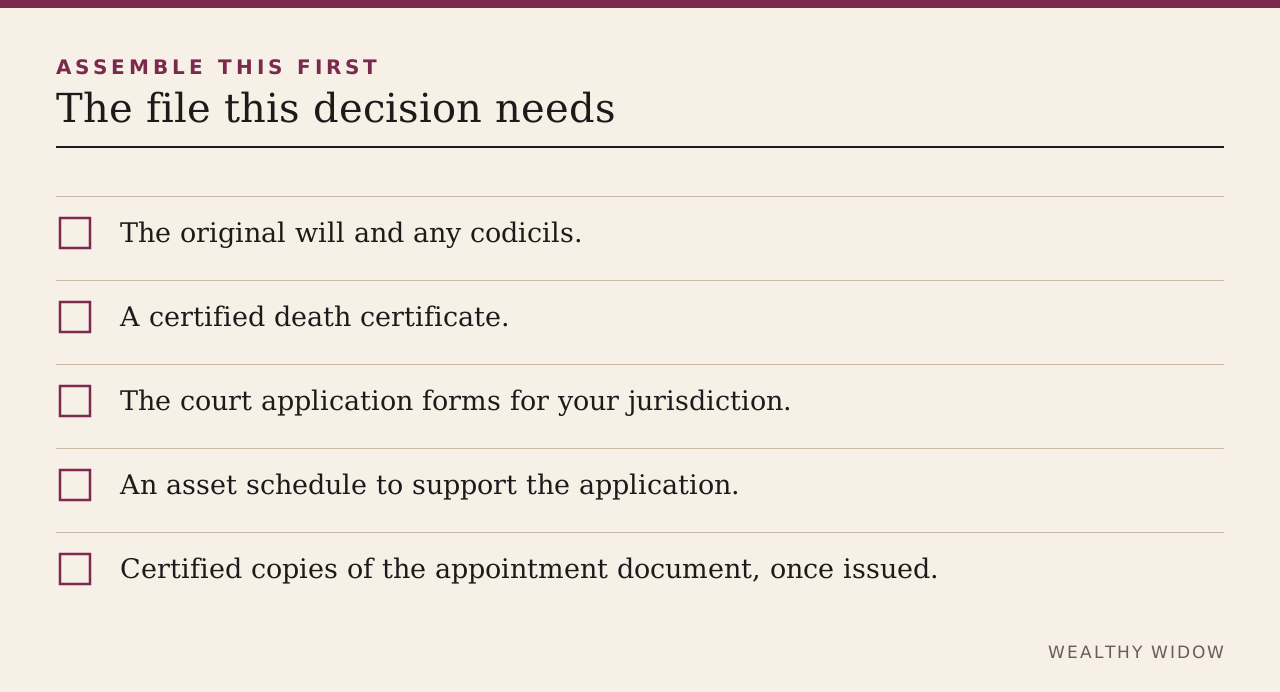
The file below does most of the work of establishing who you are.
- The original will and any codicils.
- A certified death certificate.
- The court application forms for your jurisdiction.
- An asset schedule to support the application.
- Certified copies of the appointment document, once issued.
Ask for this in writing
Each item below should exist somewhere other than your memory, because memory is not evidence in a dispute.
- That your appointment has been issued, and its exact terms.
- What duties and deadlines attach to the role in your state.
- What compensation and expenses you may properly claim.
- The order in which debts must be paid.
The questions to bring to the meeting
Take these to the attorney, tax professional, or planner handling this work.
- What are my duties and my personal exposure in this role?
- What must I do before I can distribute anything?
- What compensation and expenses may I properly claim?
- What happens if I decline the appointment?
Check it at source
These are the pages that change when the rules change, which is why they and not this guide are the authority.
- Internal Revenue Service — Information for executors
- Legal Services Corporation — I need legal help
- American Bar Association — Find legal help
- USAGov — Dealing with the death of a loved one
What still needs a professional
Be clear about what remains outside anything written for a general readership. It cannot tell you the procedure in your court, which sets its own forms, bonds, and timetables.
The working conclusion
Wait for the appointment, open a separate estate account, and pay nothing personally in the meantime. The role is manageable when the sequence is respected and difficult when it is not.
If this raised a further question, The Inventory: The Document Everything Else Depends On takes it further.
Primary sources
- Internal Revenue Service — Information for executors
- Legal Services Corporation — I need legal help
- American Bar Association — Find legal help
- USAGov — Dealing with the death of a loved one
This article provides general education, not individualized legal, tax, investment, insurance, or benefits advice. Rules and deadlines change; verify the current requirement with the agency and a qualified professional.