Taxes
Basis: The Number That Decides the Tax on a Later Sale
Inherited assets may take a different basis from the one the person who died had, and that difference frequently decides whether a sale is taxable at all.

You may be told this is simply a form to sign. It is a decision with consequences. Inherited assets may take a different basis from the one the person who died had, and that difference frequently decides whether a sale is taxable at all.
Basis rules are among the most valuable and least understood features of inheritance. Failing to establish and document basis at the outset causes tax to be paid years later that was never actually due.
Basis is the number everything else is measured from, and establishing it at the date of death is far easier than reconstructing it later.
First, get the category right
A handful of accurate points does most of the work here, and the rest is noise generated by other people’s urgency. Gain on a sale is generally measured as the proceeds less the adjusted basis of the asset. Assets acquired from a person who has died may take a basis determined by reference to the date of death value. The treatment can differ for jointly held property and depends on how the property was owned.
Community property states may treat the position differently from other states. Documentation of the date of death value is what makes the basis defensible later.
Take the steps in this order
The order below keeps your options open for as long as possible.
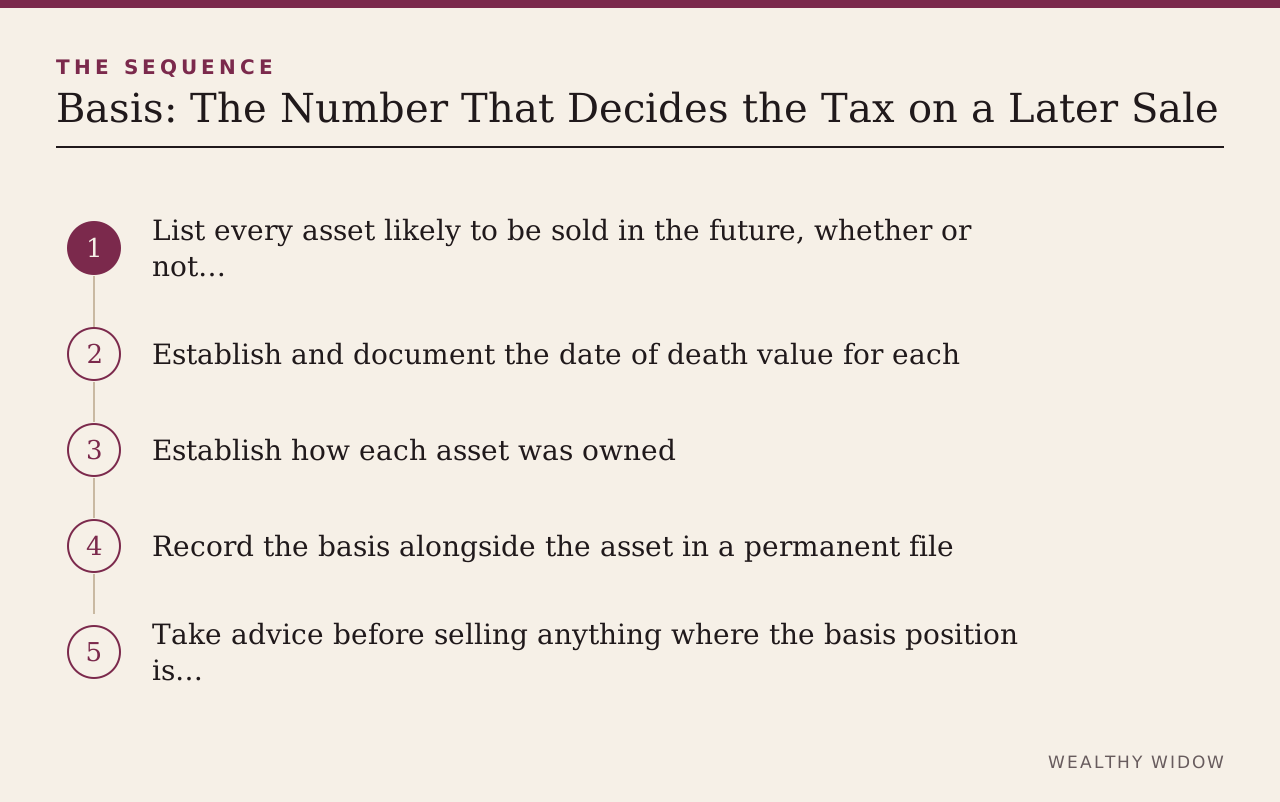
- List every asset likely to be sold in the future, whether or not you intend to sell soon.
- Establish and document the date of death value for each.
- Establish how each asset was owned, since that can affect the basis outcome.
- Record the basis alongside the asset in a permanent file.
- Take advice before selling anything where the basis position is unclear.
What to watch for
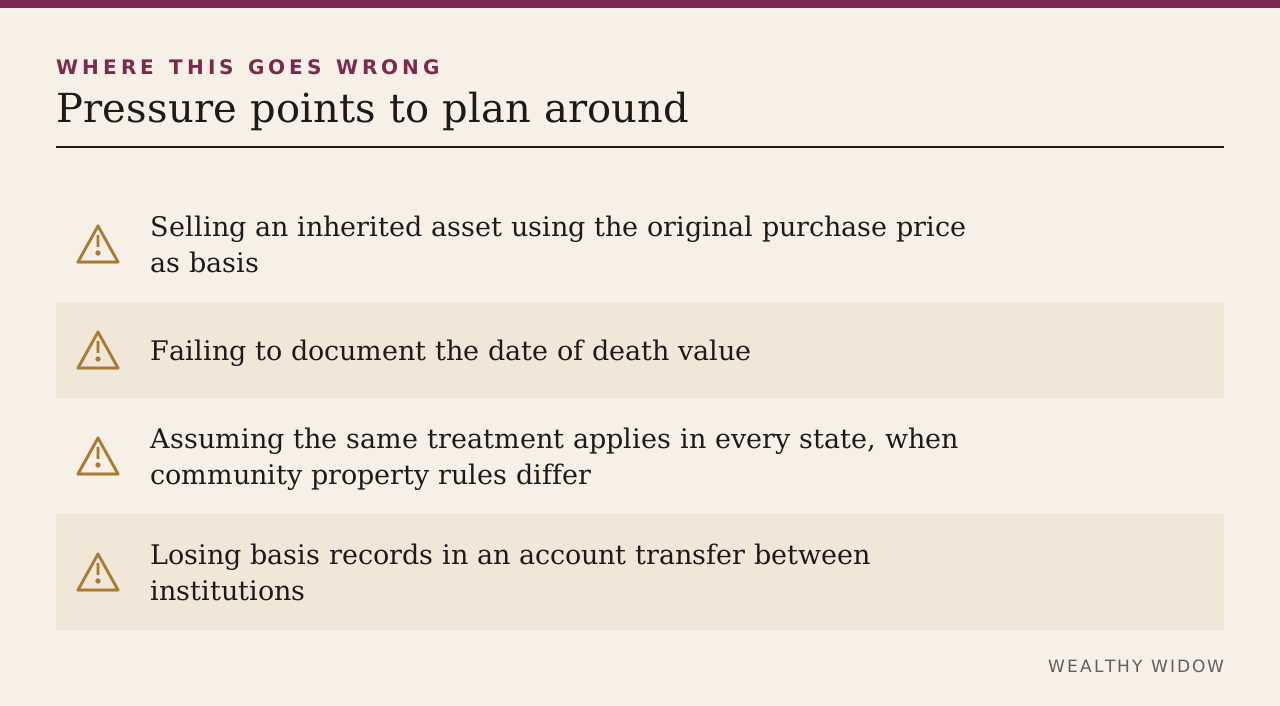
Treat each of the following as a reason to slow down. Selling an inherited asset using the original purchase price as basis, and paying tax that was not due.
Failing to document the date of death value, so the basis cannot be evidenced when questioned. Assuming the same treatment applies in every state, when community property rules differ. Losing basis records in an account transfer between institutions.
The file this decision needs
Keep these together in one place, and note where every copy goes and on what date it was sent.
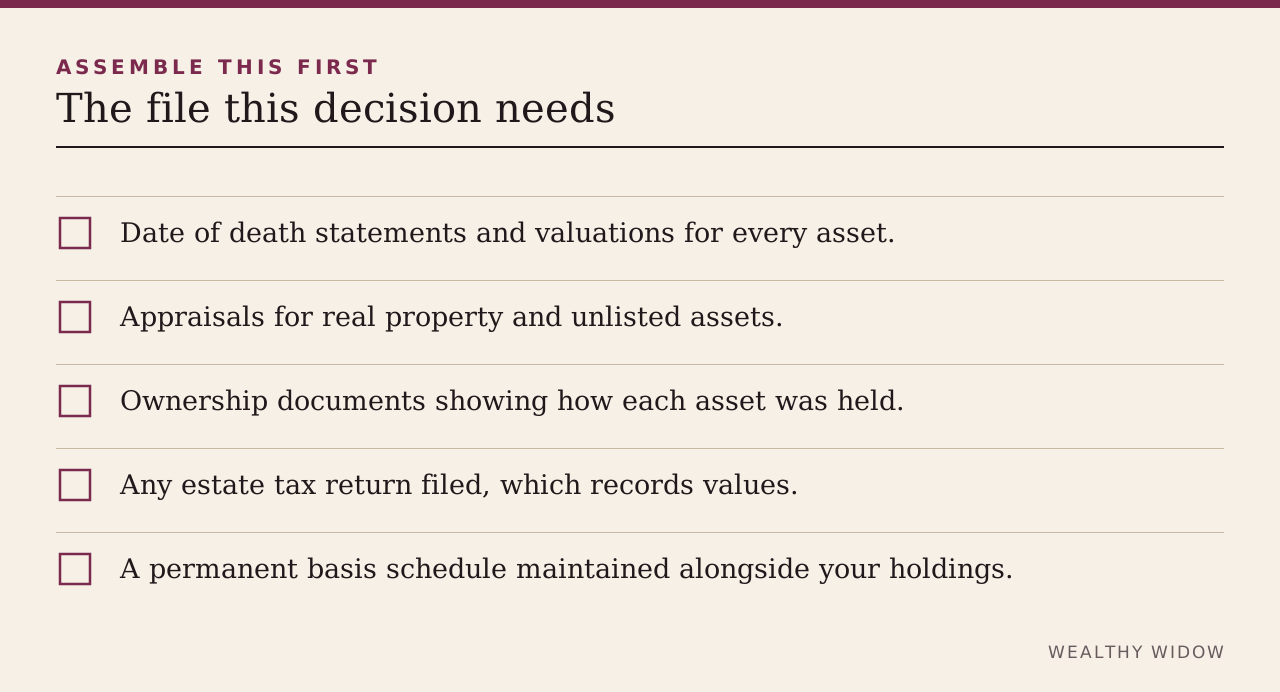
- Date of death statements and valuations for every asset.
- Appraisals for real property and unlisted assets.
- Ownership documents showing how each asset was held.
- Any estate tax return filed, which records values.
- A permanent basis schedule maintained alongside your holdings.
Get it on paper
Ask for each of the following in writing, by letter, secure message, or email you can save.
- The basis of each inherited asset, and how it was established.
- How ownership affects the treatment in your state.
- That basis records will transfer with any account you move.
- What documentation supports the figure if it is questioned.
Questions for the person advising you
Put these directly, note the answers, and record who gave them and when.
- What basis do I take in each of these inherited assets?
- Does my state’s property regime change the answer?
- What documentation should I keep to support this basis?
- What is the tax consequence of selling this particular asset now?
Check this against the source
These are the primary sources behind this guide. They are the ones that change, and the ones worth checking before you act.
- Internal Revenue Service — Publication 551, basis of assets
- Internal Revenue Service — About Publication 551, basis of assets
- Internal Revenue Service — Property, basis, and sale of home FAQs
- Internal Revenue Service — Topic no. 409, capital gains and losses
The questions this cannot reach
No account written for a general readership can reach the following, and it should not pretend to. It cannot determine your basis, which depends on ownership, state law, and valuation evidence specific to your assets.
Taking it from here
Establish and document basis while the date of death valuations are being prepared anyway. It is nearly free to do then and expensive to reconstruct once the appraisals are years old.
A companion guide, Selling the Home: Exclusion, Basis, and Timing, covers the decision that sits alongside this one.
Primary sources
- Internal Revenue Service — Publication 551, basis of assets
- Internal Revenue Service — About Publication 551, basis of assets
- Internal Revenue Service — Property, basis, and sale of home FAQs
- Internal Revenue Service — Topic no. 409, capital gains and losses
This article provides general education, not individualized legal, tax, investment, insurance, or benefits advice. Rules and deadlines change; verify the current requirement with the agency and a qualified professional.