Life After Loss
Asking for Help in a Form People Can Actually Act On
People say to let them know if you need anything and mean it. Almost nobody can act on that, and a specific request changes the response entirely.

“Let me know if you need anything” may be sincere, but it still leaves the bereaved person to define the job, choose someone, and ask again. Turning that offer into one bounded request—on a particular day, with permission to decline—makes the next step clear for both people.
The gap between the volume of offers and the amount of help actually received is one of the more frustrating features of bereavement, and it is largely a problem of specification.
A general offer of help is a general offer. A specific request is something a person can put in a diary.
What is actually on the table
NIA and SAMHSA both identify support from friends, family, community members, groups, and professionals as possible parts of coping with grief. Neither source promises that a particular request will be accepted. The practical method here is to reduce ambiguity: name one task, say when it is needed, and make “no” an acceptable answer.
Practical help is often easier for people to give than emotional support, and is genuinely valuable. Local services can supply practical support where family and friends cannot.
The path through this
Work through it deliberately rather than all at once, and stop at any point where an answer is missing.
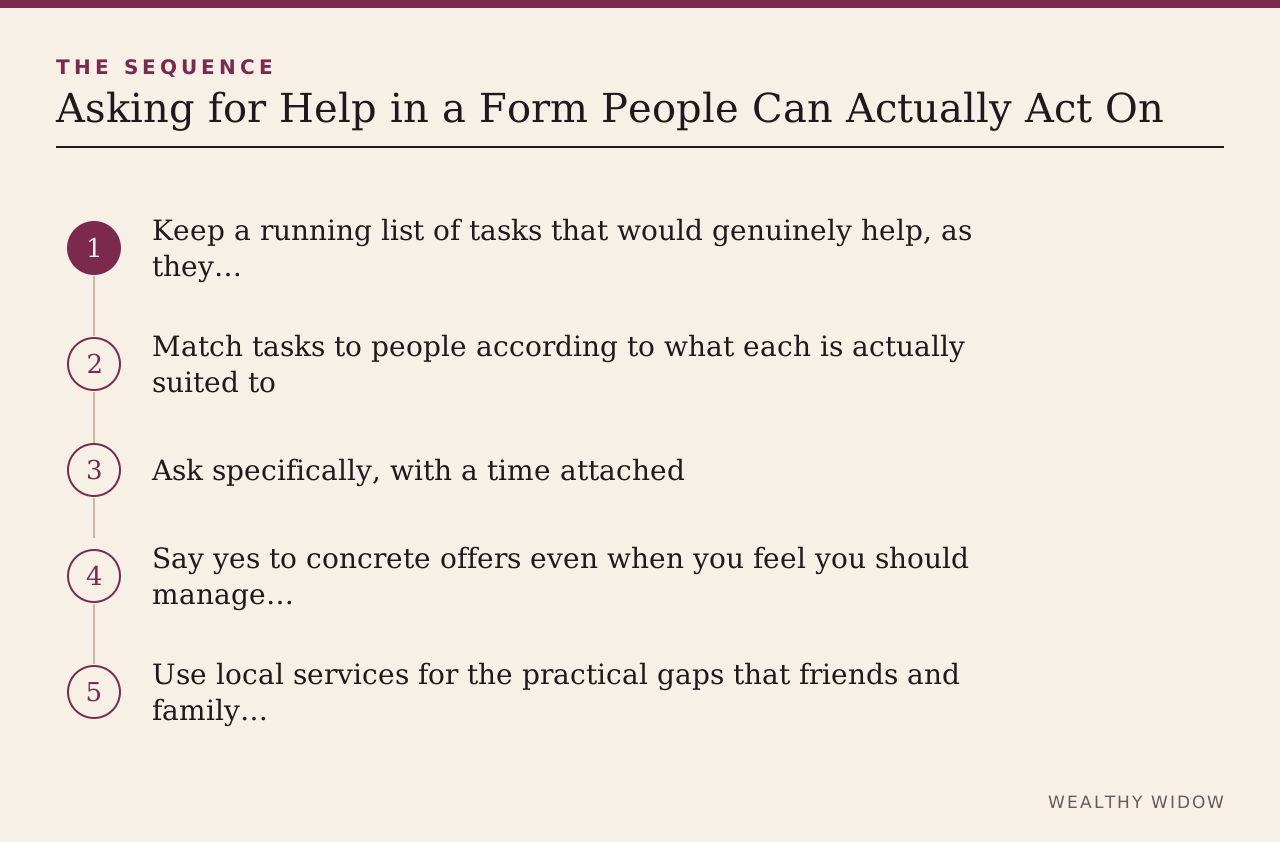
- Keep a running list of tasks that would genuinely help, as they occur to you.
- Match tasks to people according to what each is actually suited to.
- Ask specifically, with a time attached, rather than in general terms.
- Say yes to concrete offers even when you feel you should manage alone.
- Use local services for the practical gaps that friends and family cannot fill.
What tends to catch people out
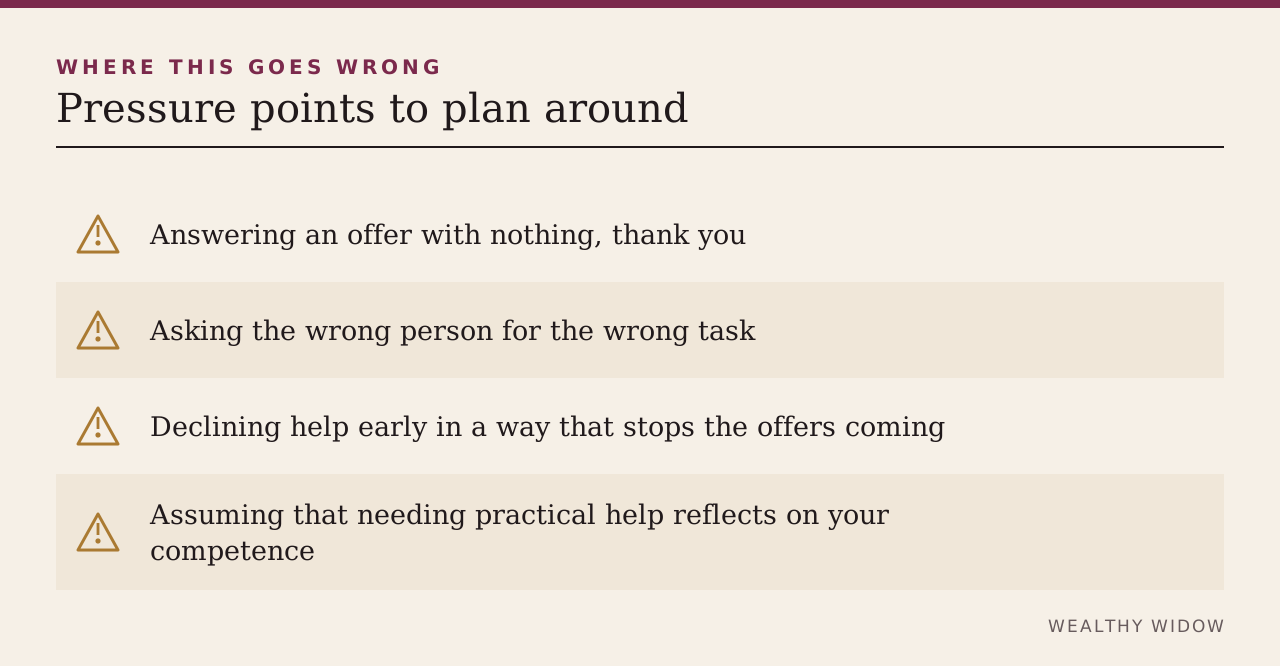
Each of these is a signal to stop and confirm rather than proceed. Answering an offer with nothing, thank you, and then resenting the absence of help.
Asking the wrong person for the wrong task, and concluding that people are unreliable. Declining help early in a way that stops the offers coming. Assuming that needing practical help reflects on your competence.
The evidence to gather
You will be asked for these in some combination by almost everyone involved.
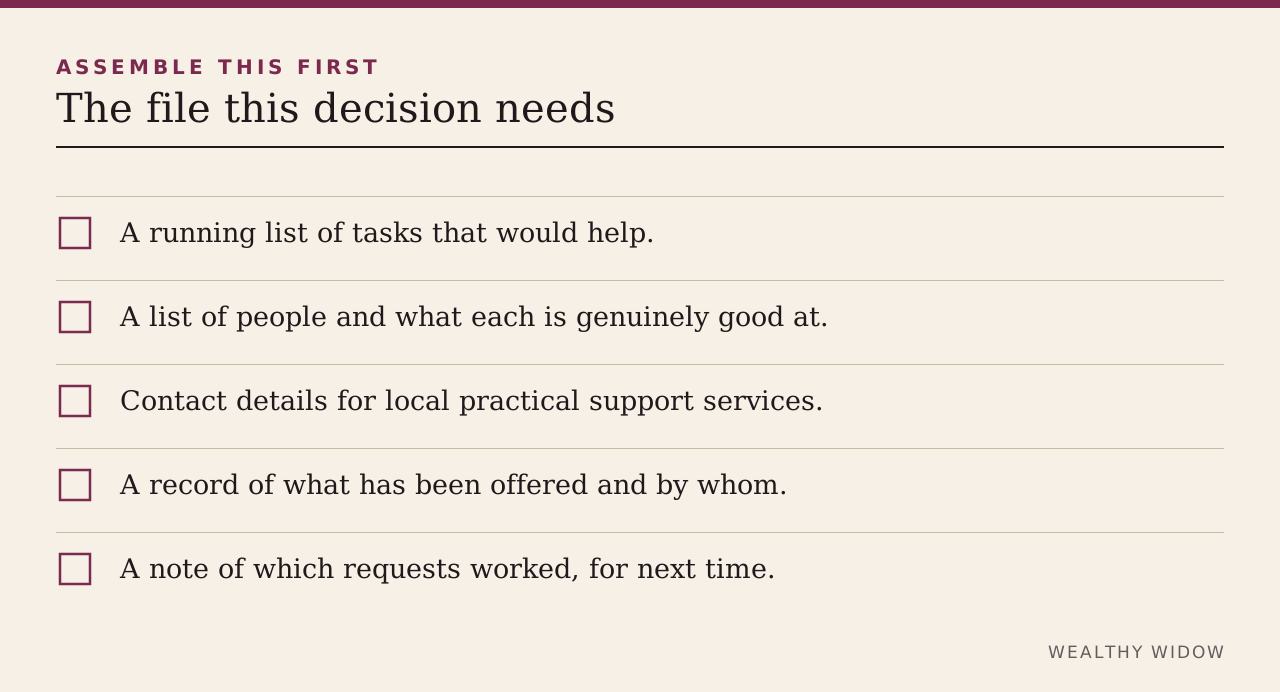
- A running list of tasks that would help.
- A list of people and what each is genuinely good at.
- Contact details for local practical support services.
- A record of what has been offered and by whom.
- A note of which requests worked, for next time.
The written record you should hold
Hold written confirmation of each of these points before you rely on any of them to make a decision.
- What practical support exists locally, and its eligibility.
- Which tasks are genuinely helpful to delegate.
- That specific requests have been made rather than implied.
- That you have accepted at least some of what was offered.
What a good adviser will answer plainly
Whoever advises you should be able to answer each of these plainly and in writing.
- Would you be able to do this specific thing, on this day?
- What practical support is available in this area?
- What would you rather help with, if anything?
- Can I call you when I need something rather than waiting to be asked?
The sources behind this
Anything that will drive a decision should be checked here rather than here-abouts.
- National Institute on Aging — Coping with grief and loss
- Administration for Community Living — Eldercare Locator
- Substance Abuse and Mental Health Services Administration — Coping with bereavement and grief
Where this guide stops
This guide cannot predict who has time, skill, or willingness to help. It offers a communication method; local services and professional support remain separate options when personal networks cannot meet a need.
In practice
Keep the list, match the task to the person, and ask with a date attached. A clear request will not guarantee help, but it produces a clear answer and makes alternatives easier to arrange.
For the step that usually comes next, read Putting Something in the Calendar Worth Getting To.
Primary sources
- National Institute on Aging — Coping with grief and loss
- Administration for Community Living — Eldercare Locator
- Substance Abuse and Mental Health Services Administration — Coping with bereavement and grief
This article provides general education, not individualized legal, tax, investment, insurance, or benefits advice. Rules and deadlines change; verify the current requirement with the agency and a qualified professional.