Home
Adapting the House Before You Need It Adapted
Modifications made deliberately in advance are cheaper, better designed, and considerably less disruptive than those made after an incident.
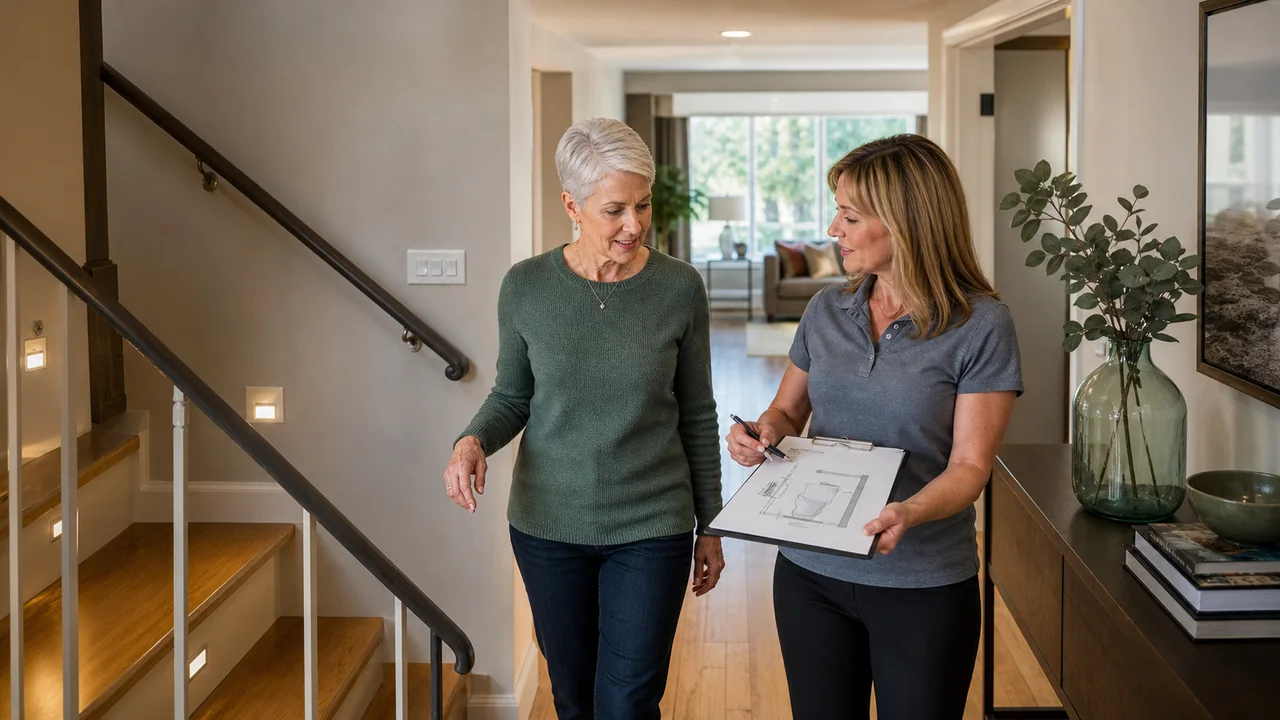
Widowhood arrives with a queue of decisions that all look equally urgent. Modifications made deliberately in advance are cheaper, better designed, and considerably less disruptive than those made after an incident. They are not the same task, and treating them as one is how good decisions get made badly.
Living alone changes the consequences of a minor accident. Adapting a home is often assumed to be a late-stage activity, when in practice the best time is well before it is needed.
A modification made after a fall is an emergency purchase. The same modification made this year is a considered one.
Separate the label from the decision
Start from the reliable ground, before anyone asks you to act on anything less certain than it. CDC’s STEADI home checklist identifies hazards involving stairs, loose rugs, cords, poor nighttime lighting, and slippery bathrooms, and recommends measures such as secure handrails and grab bars. Local programs may offer assessments or assistance, but availability and eligibility vary.
An occupational therapist can assess a home and recommend specific changes. Adaptations made in advance are typically less expensive and better integrated than emergency ones.
A working sequence for this decision
Work through it deliberately rather than all at once, and stop at any point where an answer is missing.
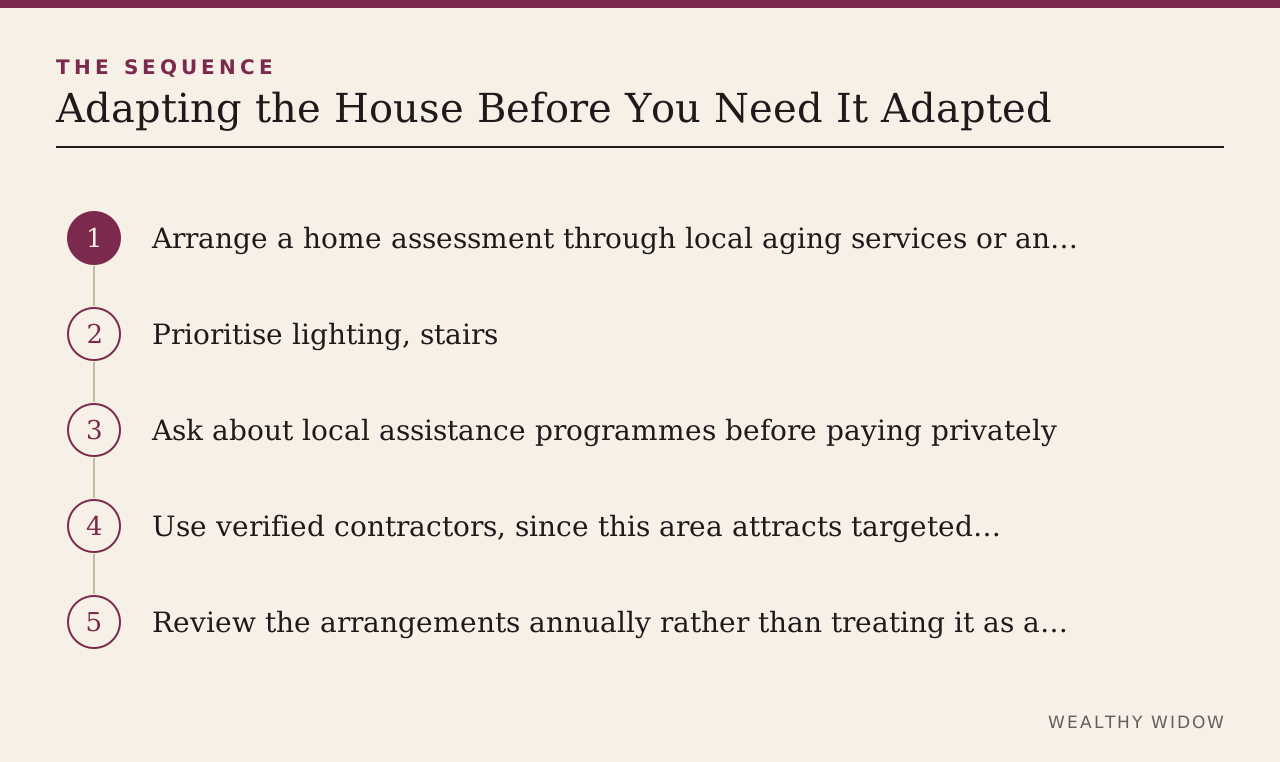
- Arrange a home assessment through local aging services or an occupational therapist.
- Prioritise lighting, stairs, and bathroom, which is where most incidents occur.
- Ask about local assistance programmes before paying privately.
- Use verified contractors, since this area attracts targeted approaches.
- Review the arrangements annually rather than treating it as a one-off project.
The predictable errors
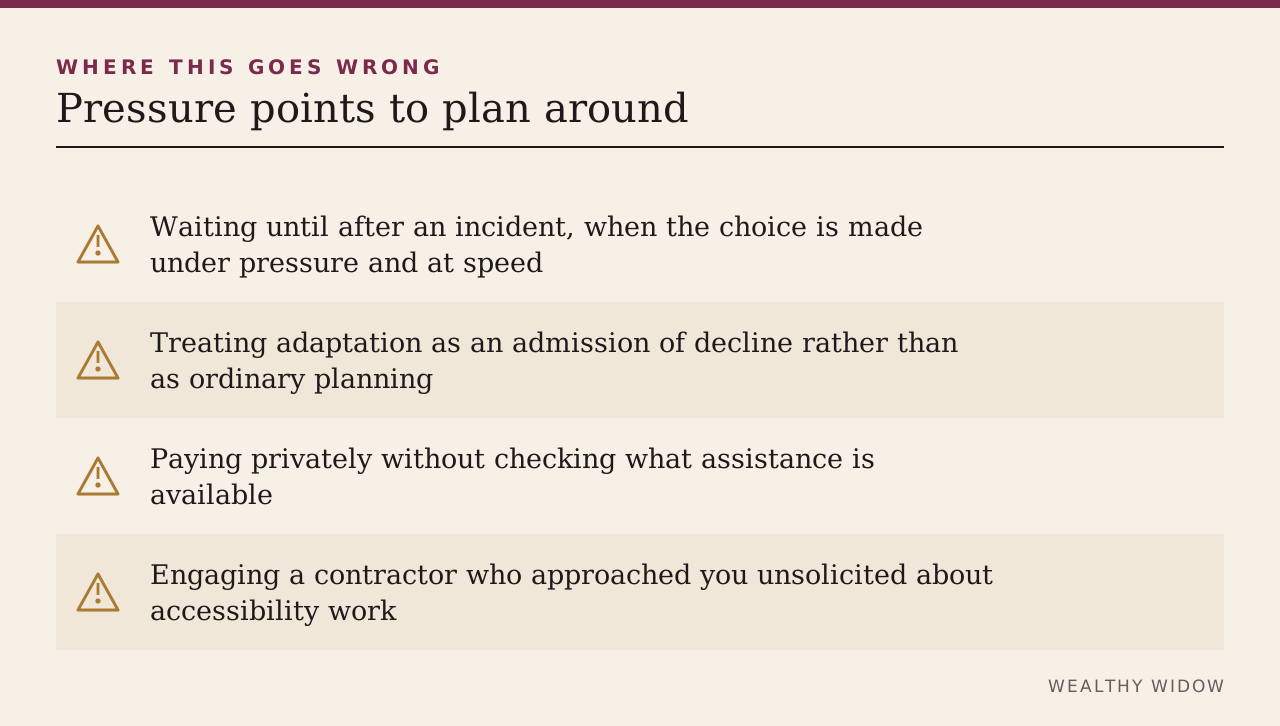
Each of these is a signal to stop and confirm rather than proceed. Waiting until after an incident, when the choice is made under pressure and at speed.
Treating adaptation as an admission of decline rather than as ordinary planning. Paying privately without checking what assistance is available. Engaging a contractor who approached you unsolicited about accessibility work.
The evidence to gather
You will be asked for these in some combination by almost everyone involved.
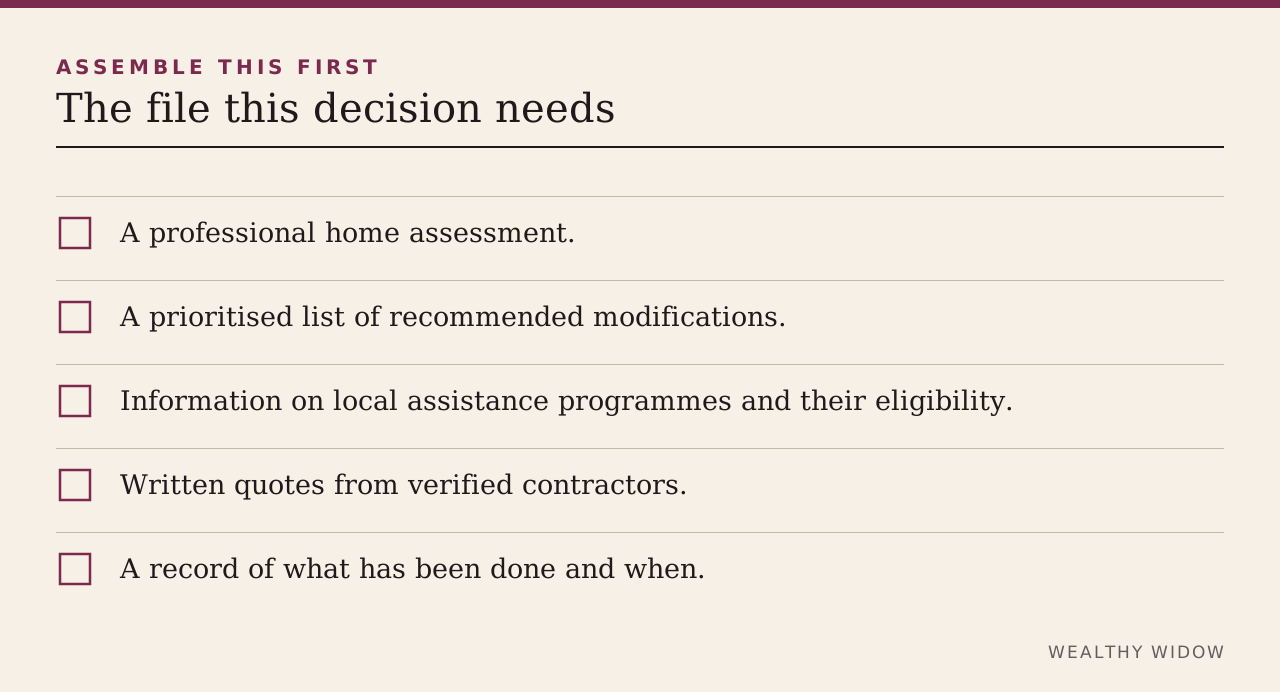
- A professional home assessment.
- A prioritised list of recommended modifications.
- Information on local assistance programmes and their eligibility.
- Written quotes from verified contractors.
- A record of what has been done and when.
Confirm these in writing before you act
Written confirmation is not distrust. It is ordinary governance. Ask for each of these.
- What assessment services are available locally.
- What assistance programmes exist and whether you qualify.
- The priority order of recommended modifications.
- That any contractor is licensed and verified independently.
What to put to your adviser
Take these to whoever is advising you, in writing if you can.
- Can you arrange a home assessment, and what does it cover?
- What assistance is available with the cost of modifications?
- Which changes would you prioritise in this house?
- What is most commonly overlooked in a home like this?
Verify each point at source
Check anything that will drive a decision against the source itself, not against this summary of it.
- CDC STEADI — Check for Safety home fall-prevention checklist
- CDC — STEADI older adult fall prevention
- Administration for Community Living — Eldercare Locator
What this guide does not settle
What follows is the shape of the problem, not an answer to your version of it. It cannot assess your home, and a professional assessment will identify things no general list would.
Closing the loop
Arrange the assessment while nothing is wrong. Modifications chosen calmly are better, cheaper, and less intrusive than the same modifications chosen from a hospital discharge meeting.
For the step that usually comes next, read The Second Property: Keeping Something You Now Manage Alone.
Primary sources
- CDC STEADI — Check for Safety home fall-prevention checklist
- CDC — STEADI older adult fall prevention
- Administration for Community Living — Eldercare Locator
This article provides general education, not individualized legal, tax, investment, insurance, or benefits advice. Rules and deadlines change; verify the current requirement with the agency and a qualified professional.