Money
Writing Down What the Money Is For
A short written statement of purpose, risk, and rules is the most effective defence against being talked into something later.

This guide covers a decision that is easy to make quickly and expensive to make wrongly. A short written statement of purpose, risk, and rules is the most effective defence against being talked into something later.
A written policy is standard practice for institutions and rare for individuals, which is odd given that individuals face far more sales pressure. It takes an afternoon and it settles a great many later arguments.
A decision written down in a calm month is worth more than a decision made in a persuasive meeting.
What this is, and what it is not
Hold on to a small number of accurate points. A written statement records what the money is for, over what period, and what risk is acceptable. It gives you a stated reason to decline a proposal without having to argue its merits. It makes an adviser accountable to your objectives rather than to their product range.
Reviewing against a written policy is a different activity from reacting to markets or to a phone call. It is also a document your executor or attorney can read if you become unable to manage matters yourself.
A workable order for this
This is the order that avoids closing doors you may still need.
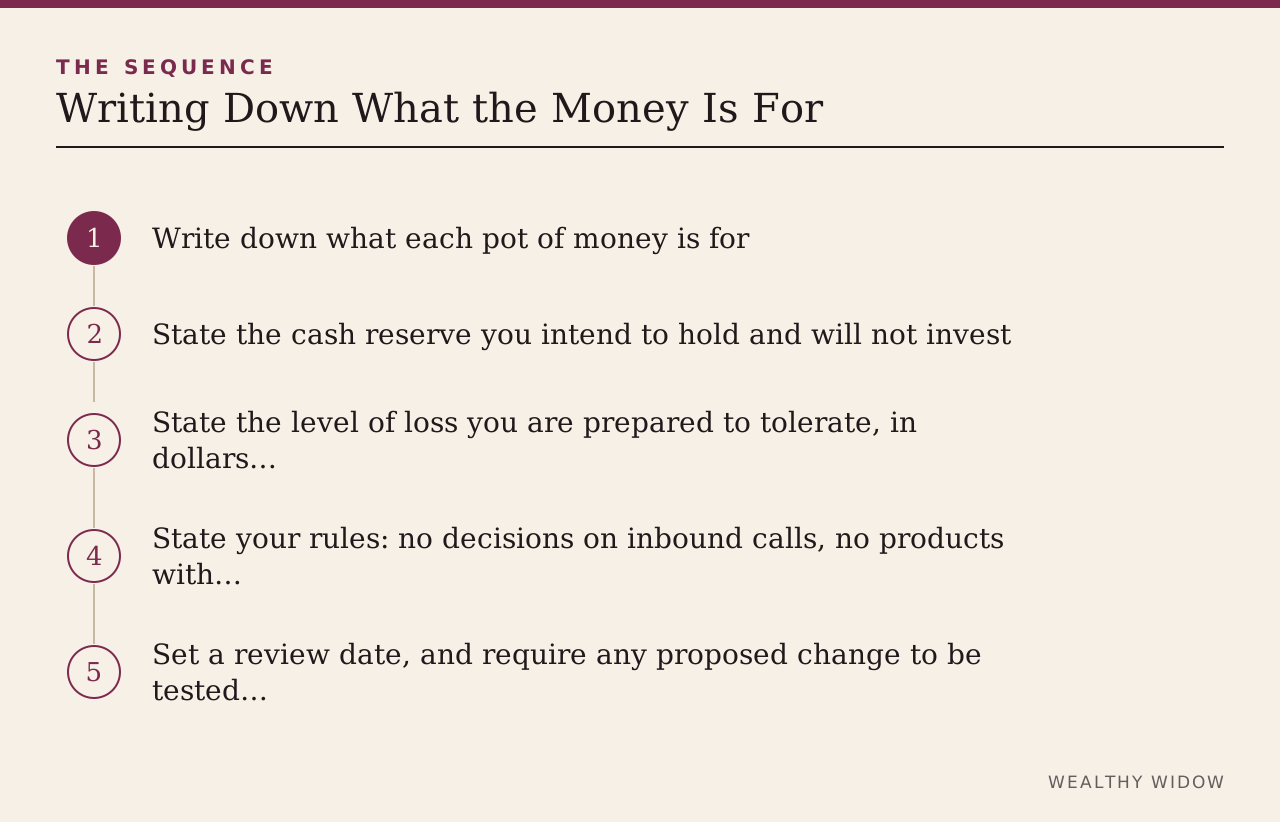
- Write down what each pot of money is for, and the period over which it will be needed.
- State the cash reserve you intend to hold and will not invest.
- State the level of loss you are prepared to tolerate, in dollars rather than percentages.
- State your rules: no decisions on inbound calls, no products with surrender charges, or whatever fits you.
- Set a review date, and require any proposed change to be tested against the document.
Where good intentions go wrong
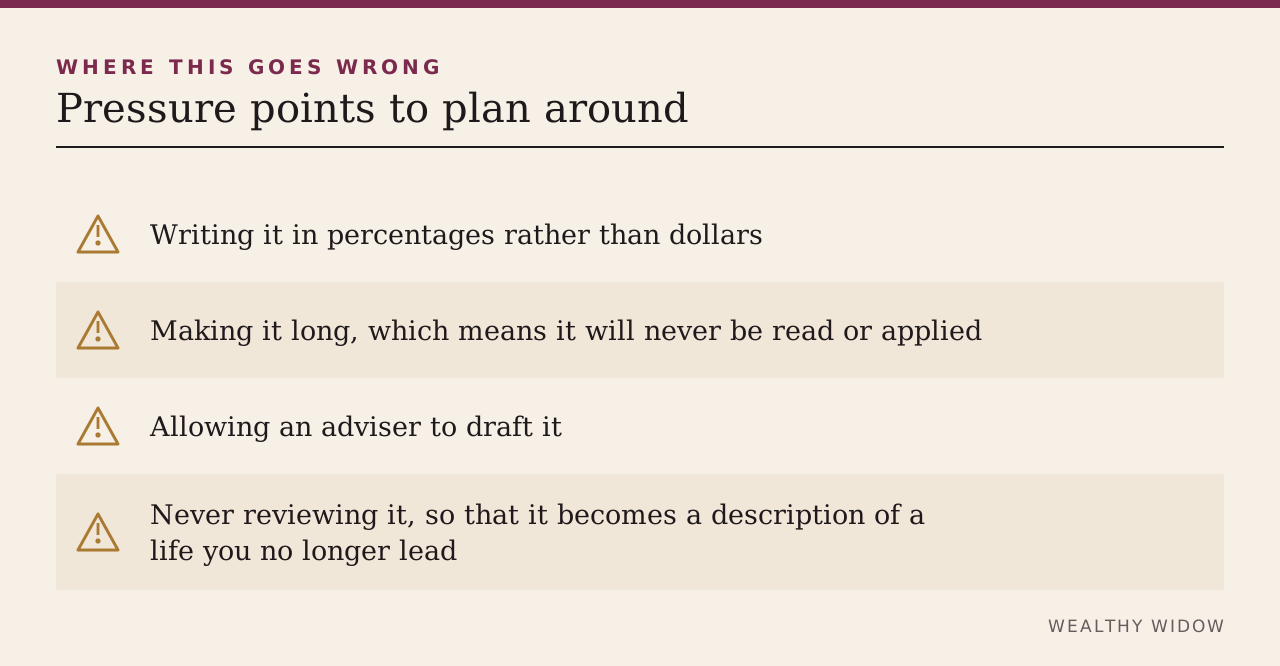
The errors here are well worn, which makes them avoidable. Writing it in percentages rather than dollars, which makes the risk abstract and easy to underestimate.
Making it long, which means it will never be read or applied. Allowing an adviser to draft it, which produces a document that endorses their approach. Never reviewing it, so that it becomes a description of a life you no longer lead.
What to have in front of you
Collect these once and keep them together, because you will be asked for them repeatedly over the coming months.
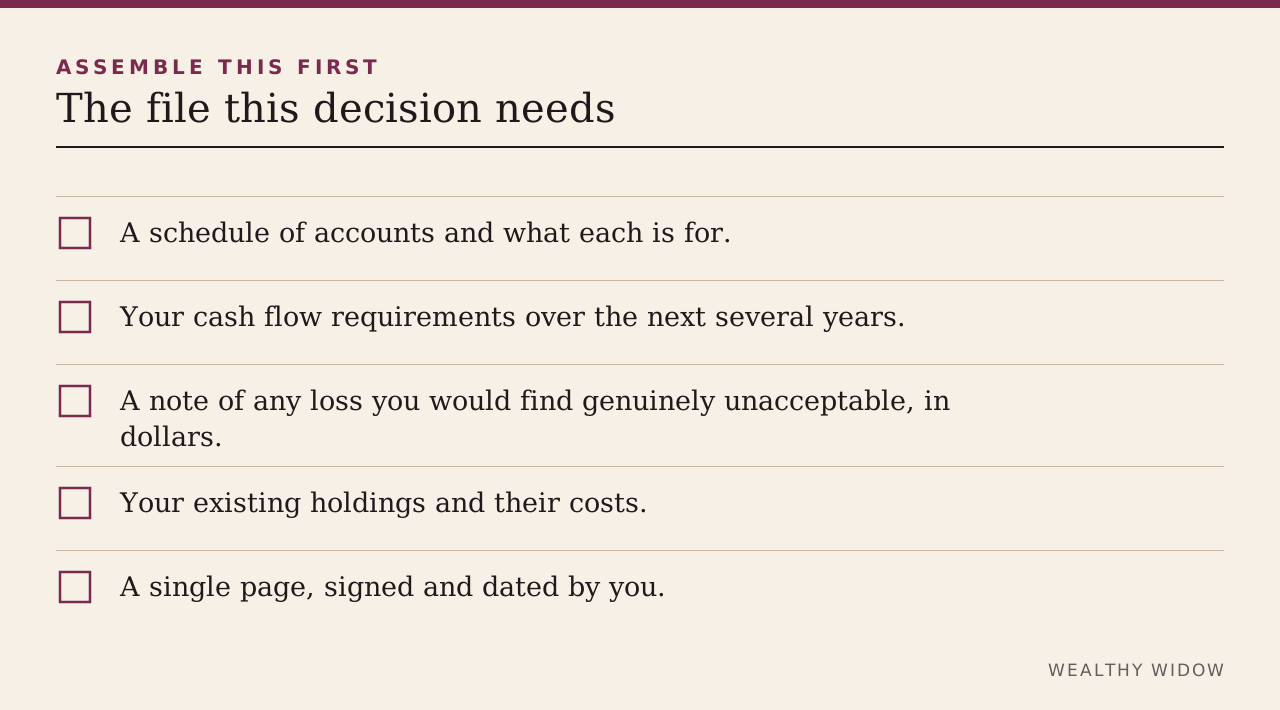
- A schedule of accounts and what each is for.
- Your cash flow requirements over the next several years.
- A note of any loss you would find genuinely unacceptable, in dollars.
- Your existing holdings and their costs.
- A single page, signed and dated by you.
The written record you should hold
Hold written confirmation of each of these points before you rely on any of them to make a decision.
- The purpose and time horizon of each pot of money.
- The cash reserve you will hold uninvested.
- The rules you intend to apply to proposals.
- The date of your next review.
What a good adviser will answer plainly
Whoever advises you should be able to answer each of these plainly and in writing.
- Does this recommendation fit my written policy, and where?
- What would have to change in my circumstances for this to become suitable?
- How does this proposal affect the cash reserve I said I would hold?
- What in my policy would you challenge, and why?
The primary sources for this guide
This guide summarises. The sources below govern, and they are updated when the rules are.
- U.S. Securities and Exchange Commission — Investor.gov
- U.S. Securities and Exchange Commission — Compound interest calculator
- U.S. Securities and Exchange Commission — Ask and check
- U.S. Securities and Exchange Commission — Understanding fees
What this leaves open
A guide can set out the structure of a decision. It cannot read your documents, and your documents govern. It cannot write your policy, because the purposes and the tolerances are yours. It can tell you that the document is worth an afternoon.
The part worth remembering
One page, in dollars, signed and dated. It will decline more bad proposals over the next decade than any amount of research conducted in the middle of a sales meeting.
If this raised a further question, How Much Cash to Hold When Income Has Become Uncertain takes it further.
Primary sources
- U.S. Securities and Exchange Commission — Investor.gov
- U.S. Securities and Exchange Commission — Compound interest calculator
- U.S. Securities and Exchange Commission — Ask and check
- U.S. Securities and Exchange Commission — Understanding fees
This article provides general education, not individualized legal, tax, investment, insurance, or benefits advice. Rules and deadlines change; verify the current requirement with the agency and a qualified professional.