Estate
The Trust That Was Signed But Never Funded
A trust only controls assets actually transferred into it. Unfunded trusts are common, and the discovery usually comes at the worst moment.

The difficulty here is rarely the paperwork. It is knowing what is actually being asked. A trust only controls assets actually transferred into it. Unfunded trusts are common, and the discovery usually comes at the worst moment.
Households frequently pay for a trust, sign it, and never complete the transfers that make it operative. The failure is invisible until a death, when the assets turn out to be outside it.
A trust deed without assets in it is an instruction with nothing to instruct, and the probate it was meant to avoid happens anyway.
The decision behind the form
These are the points the rest of the decision rests on, so it is worth being sure of them before going further. A trust controls only assets that have been retitled into it or that pass to it by designation. Real property, accounts, and business interests each require their own transfer to be funded. A pour-over will is often used to catch unfunded assets, but that generally routes them through probate first.
Partial funding is common, so some assets may be in the trust while others are not. Discovering the position requires checking titles and designations rather than reading the trust deed.
Step by step, in this order
Take it in this sequence. Reversing the order tends to create work rather than save it, and occasionally forecloses a choice.
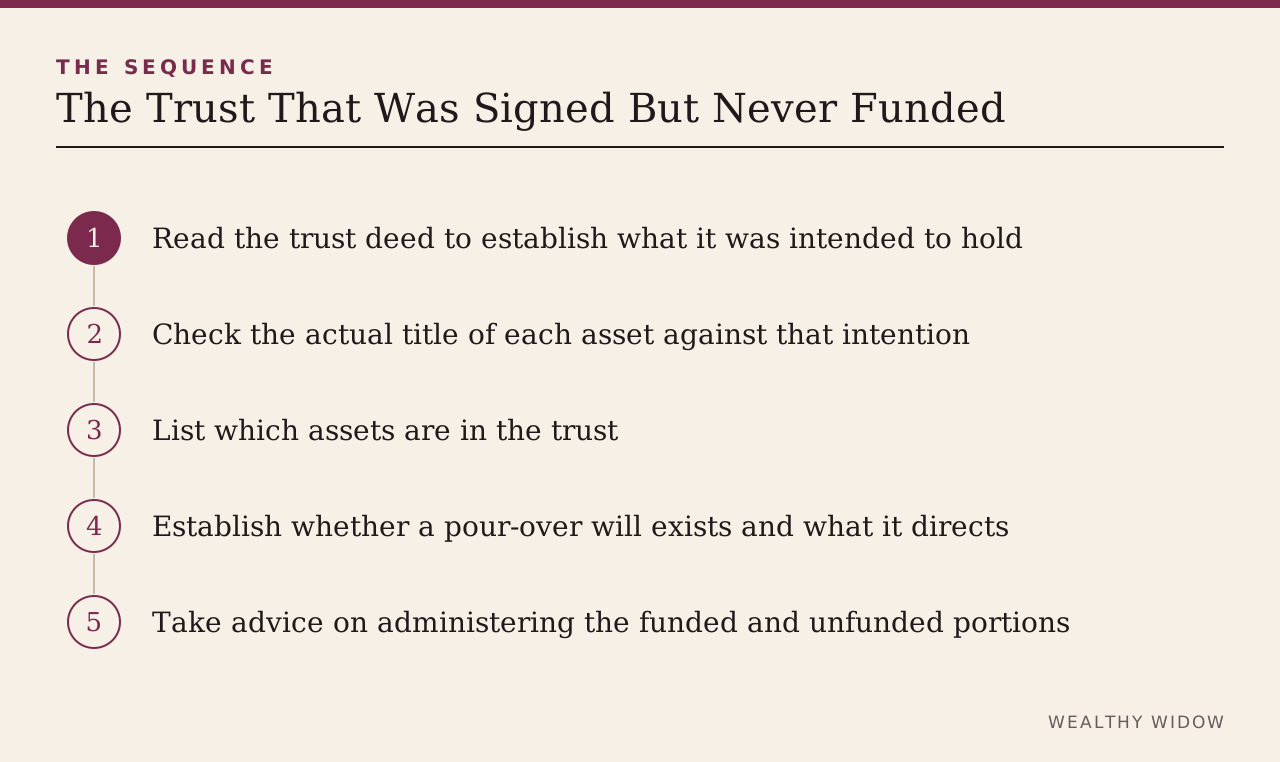
- Read the trust deed to establish what it was intended to hold.
- Check the actual title of each asset against that intention.
- List which assets are in the trust, which are not, and how the unfunded ones will pass.
- Establish whether a pour-over will exists and what it directs.
- Take advice on administering the funded and unfunded portions, which may follow different routes.
The costly misreadings
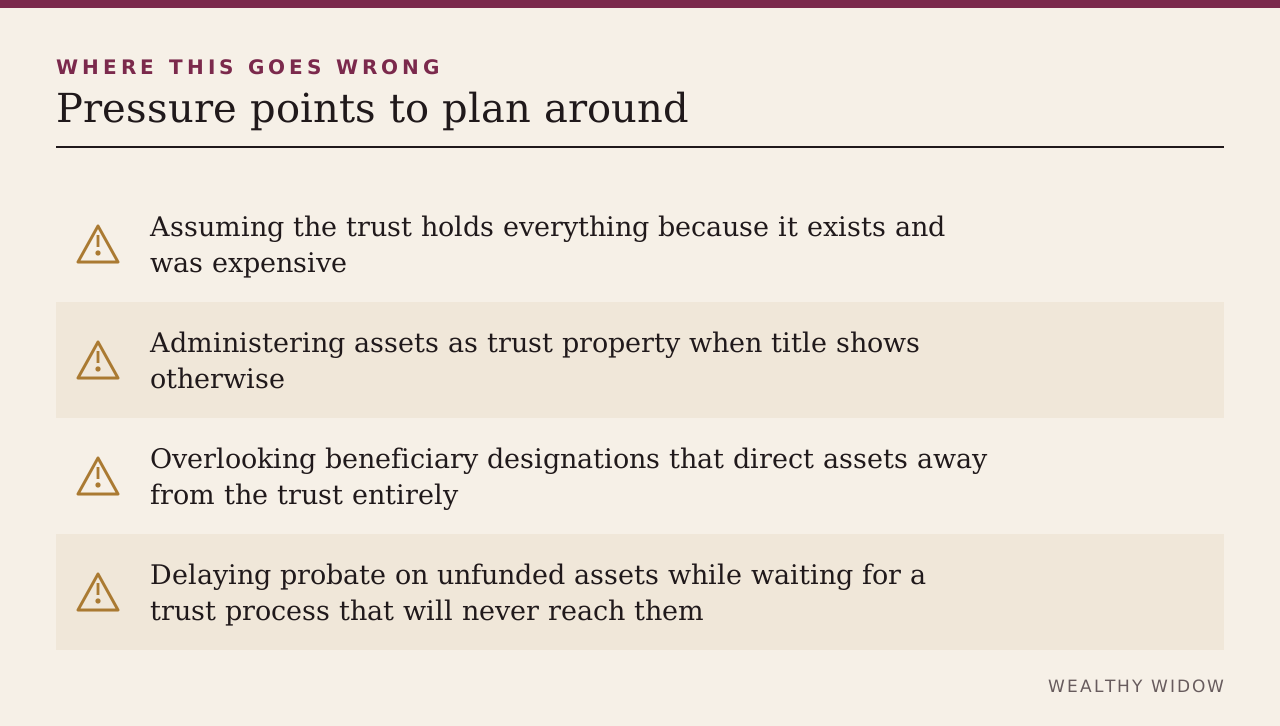
Watch for the following, and treat each as a reason to slow down. Assuming the trust holds everything because it exists and was expensive.
Administering assets as trust property when title shows otherwise. Overlooking beneficiary designations that direct assets away from the trust entirely. Delaying probate on unfunded assets while waiting for a trust process that will never reach them.
Assemble the file
Having the file complete before the first call removes most of the back and forth that follows.
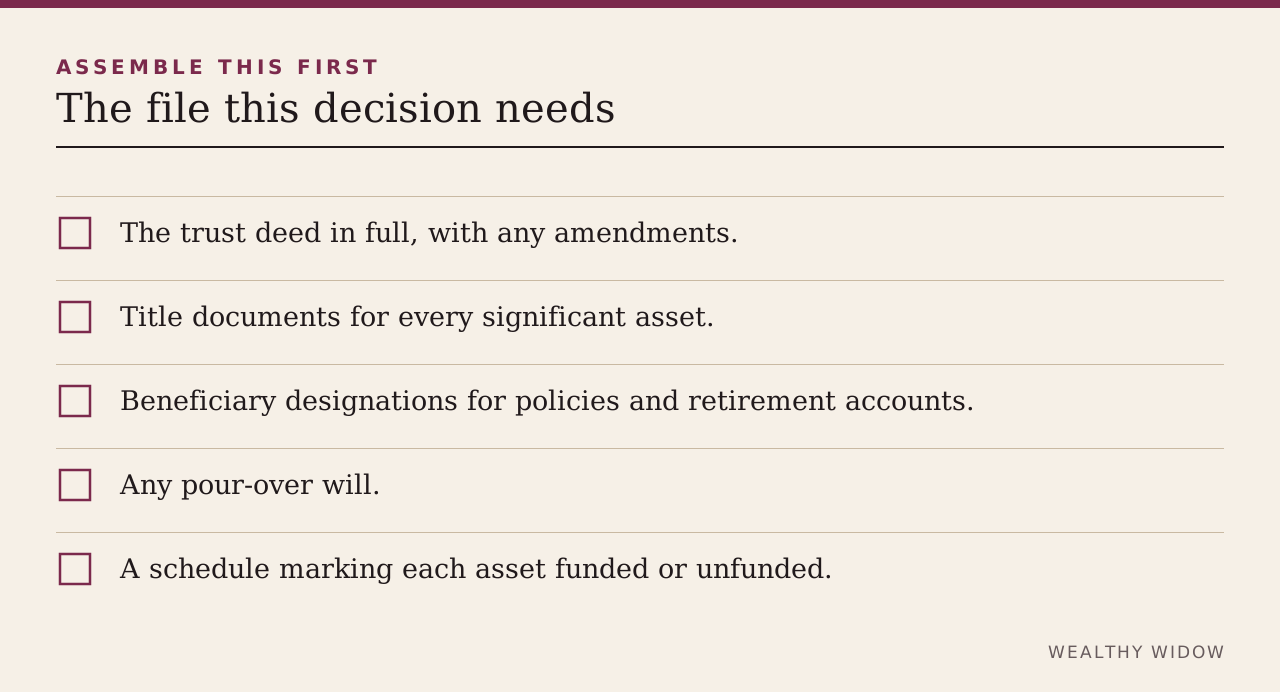
- The trust deed in full, with any amendments.
- Title documents for every significant asset.
- Beneficiary designations for policies and retirement accounts.
- Any pour-over will.
- A schedule marking each asset funded or unfunded.
The record to build as you go
A verbal answer is a starting point, not a record. Get each of these documented.
- Which assets are actually held in the trust.
- How each unfunded asset will pass.
- Whether a pour-over will exists and what it directs.
- Who is the acting trustee, and what authority they hold.
Ask these before anyone is paid
Vagueness on any of these is itself an answer, and it is worth treating as one.
- Which of these assets are actually in the trust?
- How will the unfunded assets pass, and does that require probate?
- Who is trustee now, and what document evidences that?
- Should the trust be funded going forward for my own assets?
Read the agency, not this summary
Treat these as the authority and this guide as an index to them.
- Internal Revenue Service — Information for executors
- Legal Services Corporation — I need legal help
- American Bar Association — Find legal help
- Internal Revenue Service — About Publication 559, survivors, executors, and administrators
What only your documents can answer
This is where a guide stops being useful and your own paperwork takes over. It cannot tell you whether a specific trust is funded. Only the titles and designations show that, and they must be checked individually.
The last word on this
Check the titles, not the deed. A trust is only as effective as the transfers that were completed, and the gap between the two is one of the most common findings in estate administration.
Read Getting a Deceased Spouse Off the Title next; the two decisions interact.
Primary sources
- Internal Revenue Service — Information for executors
- Legal Services Corporation — I need legal help
- American Bar Association — Find legal help
- Internal Revenue Service — About Publication 559, survivors, executors, and administrators
This article provides general education, not individualized legal, tax, investment, insurance, or benefits advice. Rules and deadlines change; verify the current requirement with the agency and a qualified professional.